How do high-precision gas flow meters contribute to the precise oxidation of Hollow Carbon Nanospheres (HCNS)? - Key Facts
Updated 3 months ago
High-precision gas flow meters are the critical instruments used to regulate the exact volume of air entering a reactor during the synthesis of Hollow Carbon Nanospheres (HCNS). By maintaining a constant flow rate, these devices control the reaction kinetics between oxygen and carbon particles, ensuring that the oxidation process is both uniform and repeatable. This precision is what ultimately allows researchers to maximize the specific surface area and structural integrity of the resulting hollow spheres.
Core Takeaway: High-precision flow control transforms oxidation from an unpredictable chemical reaction into a reproducible manufacturing process, directly governing the pore volume and surface morphology of HCNS by stabilizing the oxygen-to-carbon contact ratio.
Controlling Oxidation Kinetics and Contact Efficiency
Regulating Oxygen Exposure
The primary role of a gas flow meter in this context is to manage the oxidation phase by strictly controlling the air flow rate. This dictates the rate at which oxygen molecules contact the carbon black particles, preventing over-oxidation or under-performance.
Optimizing Surface Area and Pore Volume
Precise flow regulation is essential for achieving the maximum specific surface area in the hollow structures. When the oxygen flow is perfectly balanced, it selectively removes specific carbon layers to create the desired hollow interior without collapsing the overall nanosphere.
Eliminating Batch-to-Batch Variability
By using high-precision meters, researchers can ensure high repeatability across different experimental batches. This consistency is vital for industrial scaling, where the material properties must remain identical across every production cycle.
The Role of Gas Dynamics in Material Quality
Managing Residence Time and Concentration
Flow meters allow for the adjustment of residence time, which is the duration the precursor vapors stay within the reaction zone. This control directly influences how carbon atoms deposit and how the oxygen subsequently etches the surface to form pores.
Atmospheric Stability in the Reactor
Maintaining a stable reaction atmosphere inside a tube furnace prevents fluctuations in the carbon atom deposition rate. This stability is critical for the crystallinity of the nanospheres and ensures the consistency of their final morphology.
Prevention of Impurity Formation
Strictly regulated flow rates of carrier gases like argon or nitrogen help flush out by-products. This prevents the formation of excessive impurity carbon, which would otherwise degrade the quality and performance of the HCNS.
Understanding the Trade-offs
Precision vs. System Complexity
Implementing high-precision Mass Flow Controllers (MFCs) increases the complexity and cost of the experimental setup. While they offer superior accuracy, they require regular calibration and can be sensitive to particulate contamination in the gas line.
Flow Rate vs. Reaction Heat
Higher flow rates may increase the reaction rate but can also cause thermal gradients within the reactor. If the gas flows too quickly, it may cool the catalyst or substrate unevenly, leading to non-uniform oxidation and structural defects in the nanospheres.
How to Apply This to Your Project
Making the Right Choice for Your Goal
- If your primary focus is Maximizing Porosity: Prioritize flow meters with high resolution in the low-flow range to allow for slow, controlled etching of the carbon core.
- If your primary focus is Industrial Scalability: Invest in digital Mass Flow Controllers (MFCs) that can be integrated into automated control systems to ensure identical gas delivery across multiple reactors.
- If your primary focus is Material Purity: Ensure your flow system includes high-purity filters and check valves to prevent backflow and contamination of the carrier gas stream.
Effective control of gas flow transforms carbon oxidation from a volatile chemical process into a predictable method for engineering high-performance nanomaterials.
Summary Table:
| Key Parameter | Role in HCNS Synthesis | Primary Laboratory Benefit |
|---|---|---|
| Oxygen Flow Rate | Manages oxidation kinetics | Maximizes specific surface area and porosity |
| Gas Dynamics | Regulates residence time | Controls carbon deposition and morphology |
| Atmospheric Stability | Prevents concentration fluctuations | Ensures high crystallinity and structural uniformity |
| Carrier Gas Control | Flushes reaction by-products | Eliminates impurities for higher material purity |
| MFC Integration | Automates gas delivery | Guarantees high batch-to-batch repeatability |
Elevate Your Nanomaterial Research with THERMUNITS
Precise gas control is the backbone of high-quality Hollow Carbon Nanosphere (HCNS) synthesis. As a global leader in high-temperature laboratory equipment, THERMUNITS provides the advanced thermal solutions necessary for exact material engineering and predictable R&D outcomes.
Whether you are scaling production or conducting foundational research, our equipment is designed for ultimate precision. Our comprehensive range includes:
- Advanced Furnaces: Tube, Muffle, Vacuum, Atmosphere, Rotary, and Hot Press furnaces.
- Specialized Systems: CVD/PECVD systems, Dental Furnaces, and Vacuum Induction Melting (VIM) units.
- Integrated Solutions: High-precision gas delivery systems optimized for electric rotary kilns and heat treatment.
Why Choose THERMUNITS? By partnering with us, you gain access to equipment that ensures stable reaction atmospheres and precise thermal gradients, directly improving your material's structural integrity and performance.
Ready to optimize your oxidation process and achieve superior material repeatability? Contact our technical experts today to discuss your specific furnace and gas flow requirements!
References
- Chiemeka Onyeka Okoye, Dongke Zhang. Preparation of hollow carbon nanospheres from oxidation of spent tyre oil‐derived carbon black in air. DOI: 10.1002/apj.3054
Mentioned Products
- 1500C Three Zone Vertical Pyrolysis Furnace for Nanoparticle Synthesis and Advanced Oxide Coating
- High Temperature Hydrogen Atmosphere Box Furnace 1650C Max Reducing Environment Material Synthesis System 8x8x8 Chamber
- 1200C Hydrogen Atmosphere Box Furnace with 5 Heated Sides and 64L Chamber
- High Temperature Oxygen and Inert Atmosphere Controlled Furnace 8 Liter 1700C Sintering System for Advanced Materials RD
- 1200C Max 6 Channel High Cleanliness Hydrogen Furnace for High Throughput Annealing
People Also Ask
- Why is high-precision temperature control essential in a pyrolysis furnace? Master Pd NPs/NO-C Catalyst Synthesis
- Why is Nitrogen (N2) required for 3D carbon electrodes? Ensure material purity and structural integrity.
- What is the technical necessity of multiple high-temperature thermocouples in a pyrolysis furnace? Precision Control
- Why is it necessary to maintain a strict nitrogen (N2) atmosphere during the operation of a pyrolysis furnace? (Pro Tips)
- Why are precise nitrogen supply systems and flow meters necessary in the pyrolysis process? Optimize Purity & Yield.

Tech Team · ThermUnits
Last updated on Jun 02, 2026
Related Products
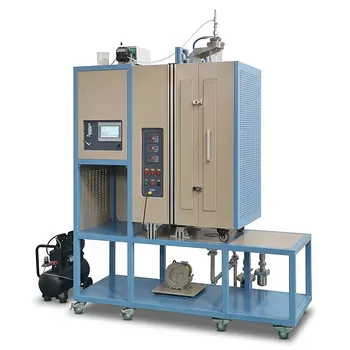
1500C Three Zone Vertical Pyrolysis Furnace for Nanoparticle Synthesis and Advanced Oxide Coating
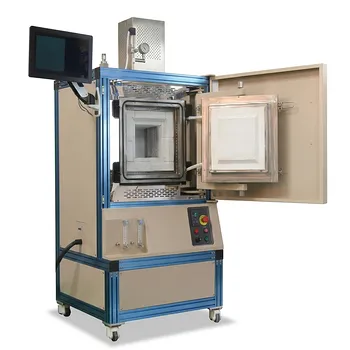
High Temperature Hydrogen Atmosphere Box Furnace 1650C Max Reducing Environment Material Synthesis System 8x8x8 Chamber
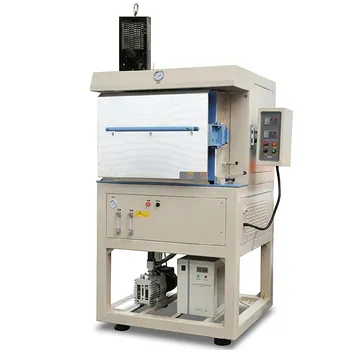
1200C Hydrogen Atmosphere Box Furnace with 5 Heated Sides and 64L Chamber
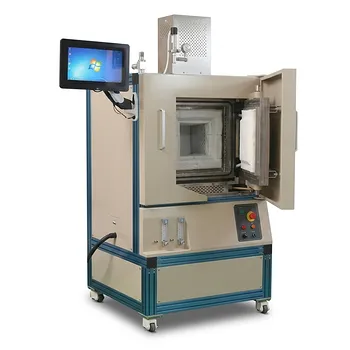
High Temperature Oxygen and Inert Atmosphere Controlled Furnace 8 Liter 1700C Sintering System for Advanced Materials RD
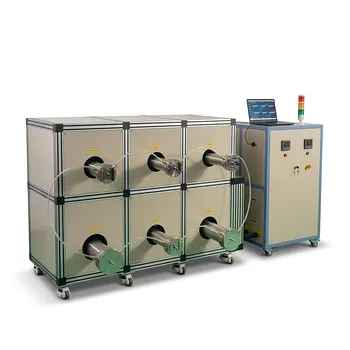
1200C Max 6 Channel High Cleanliness Hydrogen Furnace for High Throughput Annealing
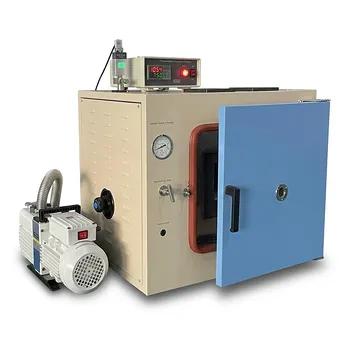
Compact High Vacuum Box Furnace 1050C Max 6.2L Ceramic Chamber Stainless Steel Shell Programmable Temperature Controller for Material Science Research
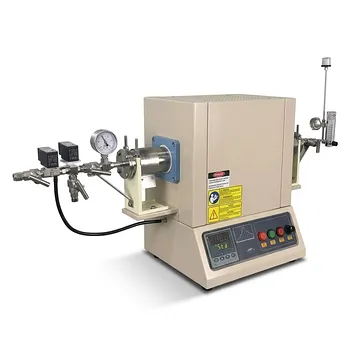
1500C Compact Hydrogen Gas Tube Furnace with 2 Inch Alumina Tube and Hydrogen Detector
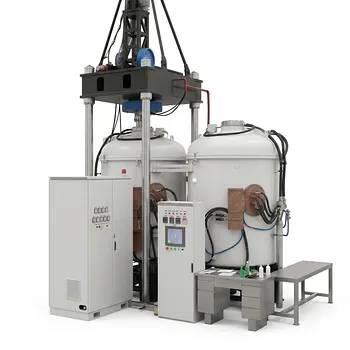
High Pressure 600T Vacuum Induction Hot Press Furnace for Advanced Material Heat Treatment and Sintering
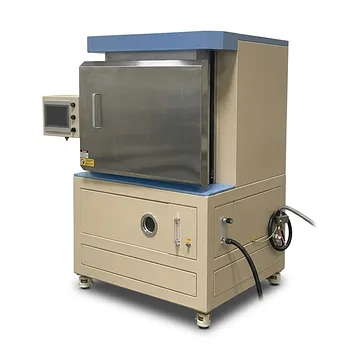
1650C High Temperature Atmosphere Controlled Box Furnace with 65L Chamber for Advanced Material Sintering and Industrial Heat Treatment

High Temperature 1700C Vertical Tube Furnace for Powder Spherification and Material Sintering
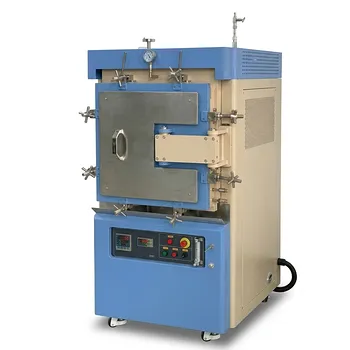
High Temperature Economic Hydrogen Gas Box Furnace 1600C Atmosphere Controlled Thermal Processing System 65L Capacity
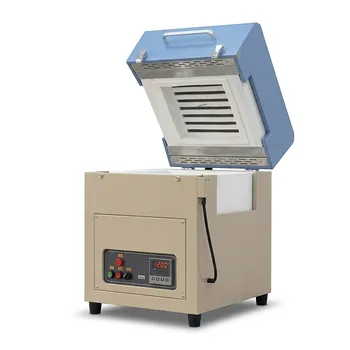
1200 C Maximum Three Sided Heating Top Loading Furnace with 12 x 12 x 8 Inch Chamber for Solid Oxide Fuel Cell Testing and High Temperature RD
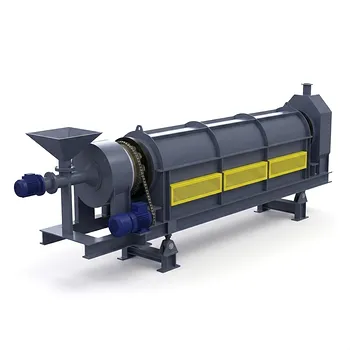
Electric Rotary Kiln Small Rotary Furnace for Activated Carbon Regeneration
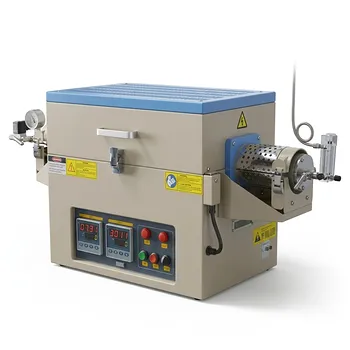
1100C Dual Zone Hydrogen Gas Tube Furnace with Quartz Tube and Integrated H2 Leak Detection System
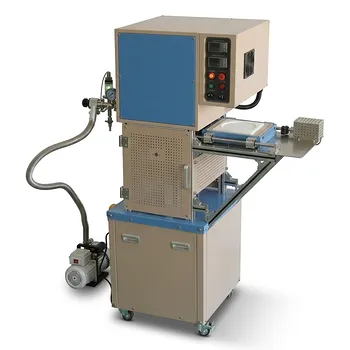
1200°C Bottom Loading Vacuum Furnace with Rapid Gas Cooling and 8.6 Inch Diameter Quartz Chamber

1800C High Temperature Compact Vacuum Tube Furnace with 60mm OD Alumina Tube and Kanthal MoSi2 Heating Elements
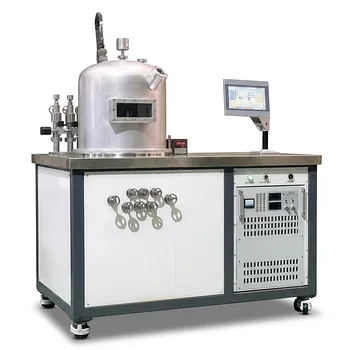
HFCVD Machine System for Nano Diamond Coating on Drawing Dies and Industrial Tools
Split Chamber CVD Tube Furnace with Vacuum Station Chemical Vapor Deposition System Machine

High Temperature 1700C Benchtop Tube Furnace with 5 Inch Heating Zone High Purity Alumina Tube and Vacuum Sealing Flanges