What function does argon serve in MOF melt-quenching? Prevent oxidation and ensure chemical integrity.
Updated 3 months ago
High-purity argon gas acts as a critical safeguards during the melt-quenching of metal-organic frameworks (MOFs). It creates an inert protective atmosphere that isolates the material from oxygen and moisture while it is in a vulnerable molten state. This prevention of oxidative degradation ensures that the resulting MOF glass maintains the exact chemical composition and structural integrity of its original crystalline precursor.
The primary function of argon flow is to eliminate reactive species from the furnace environment, preventing the sensitive organic ligands and metal centers from burning or reacting with air. This allows the MOF to melt and solidify into a glass without losing its functional chemical identity.
Preventing Chemical Degradation of Organic Ligands
Protection of Aliphatic Chains
In carboxylic acid-based MOFs, the organic ligands—particularly those with aliphatic components—are highly susceptible to thermal oxidation. Without a continuous flow of argon, these ligands would react with trace oxygen at high temperatures, leading to the "burning away" of the framework's organic backbone.
Maintaining Chemical Consistency
The argon atmosphere ensures that the chemical signature of the glass remains identical to the crystal. By suppressing unwanted side reactions, the gas flow allows the transition from a long-range ordered crystal to a disordered glass to occur without changing the fundamental stoichiometry of the material.
Preventing Ligand Loss through Combustion
At the high temperatures required for melting, ligands can undergo thermal decomposition or oxidative combustion. Argon displaces the oxidizing gases, ensuring that the organic network is preserved rather than being converted into carbon-based waste or ash.
Safeguarding Metal Centers and Pore Structure
Inhibiting Metal Oxidation
The metal nodes within the MOF structure are prone to changing their valence states if exposed to oxygen at high heat. Argon ensures the metal centers remain in their intended chemical state, which is vital for the catalytic or electronic properties of the final MOF glass.
Removal of Volatile Byproducts
A continuous gas flow serves the secondary purpose of carrying away volatile organic compounds and gases released during the heating process. This "sweeping" action prevents these byproducts from re-condensing on the material, which helps in maintaining the purity and opening the pore structure of the glass.
Suppressing Melt Surface Fluctuations
In the high-temperature molten pool, the surface of the melt can become unstable or evaporate. A steady stream of high-purity argon helps stabilize the melt surface, preventing violent fluctuations and ensuring a more uniform quenching process.
Understanding the Trade-offs and Pitfalls
The Necessity of Ultra-High Purity
Using lower-grade argon can be a fatal mistake in MOF synthesis. Even trace amounts of moisture or oxygen in the gas stream can trigger localized oxidation, leading to defects in the glass or a complete failure of the framework to reform after quenching.
Managing Flow Rate Dynamics
While a high flow rate ensures a clean environment, it can also lead to thermal gradients within the furnace. If the gas flow is too aggressive, it may cool the melt too rapidly or unevenly, potentially leading to mechanical stress or fracturing in the final glass product.
How to Apply This to Your Project
Recommendations for Melt-Quenching Success
- If your primary focus is Chemical Purity: Utilize ultra-high purity (99.999%) argon and an oxygen trap to ensure that the sensitive carboxylic ligands do not undergo even minor oxidative shifts.
- If your primary focus is Structural Porosity: Maintain a consistent, moderate flow rate to effectively sweep away volatile decomposition products without inducing thermal shock in the cooling glass.
- If your primary focus is Metal Site Integrity: Prioritize a long pre-purge cycle to completely displace air from the furnace chamber before the heating ramp begins.
By meticulously controlling the inert environment with high-purity argon, you transform a potentially destructive thermal process into a precise tool for creating advanced glassy materials.
Summary Table:
| Key Function | Impact on MOF Synthesis | Essential Technical Requirement |
|---|---|---|
| Inert Protection | Prevents oxidative degradation & ligand burning | Use Ultra-High Purity Argon (99.999%) |
| Metal Stabilization | Maintains intended valence states of metal nodes | Implement a thorough pre-purge cycle |
| Byproduct Removal | Sweeps away volatiles to maintain pore structure | Maintain a steady, non-turbulent flow |
| Melt Stabilization | Prevents surface fluctuations & evaporation | Precise flow rate control to avoid gradients |
Elevate Your Material Science Research with THERMUNITS Precision
Achieving the perfect glass state in Metal-Organic Frameworks (MOFs) requires absolute control over the thermal environment. THERMUNITS is a leading manufacturer of high-temperature laboratory equipment designed to meet the rigorous demands of industrial R&D and material science.
Whether you are performing melt-quenching, sintering, or chemical vapor deposition, our comprehensive range of thermal solutions—including Atmosphere Furnaces, Vacuum Furnaces, Tube Furnaces, and CVD/PECVD systems—ensures the inert stability your research deserves. We also specialize in Vacuum Induction Melting (VIM) furnaces, Rotary Kilns, and high-quality Thermal Elements to support every stage of your heat treatment process.
Don't let oxidative degradation compromise your results. Partner with THERMUNITS for reliable, high-performance equipment tailored to your specific laboratory needs.
Contact THERMUNITS Today for an Expert Consultation
References
- Minhyuk Kim, Hoi Ri Moon. Melt-quenched carboxylate metal–organic framework glasses. DOI: 10.1038/s41467-024-45326-8
Mentioned Products
- High Temperature 1700C Vertical Tube Furnace for Powder Spherification and Material Sintering
- 1800C Bench Top Muffle Furnace 18 Liters with Kanthal Super 1900 Heating Elements for High Purity Ceramic Sintering and Material Research
- High Temperature Hydrogen Atmosphere Box Furnace 1650C Max Reducing Environment Material Synthesis System 8x8x8 Chamber
- Atmosphere Controlled Muffle Furnace 1700C Maximum Temperature 80L High Capacity Vacuum Inert Gas Box Furnace
- High Temperature Tube Furnace 1500C with Sliding Flanges and 50mm OD for Rapid Thermal Processing Fast Heating and Cooling
People Also Ask
- What role does a high-temperature vertical tube furnace play in simulating high-carbon ferromanganese slag formation?
- What functions does a vertical high-temperature tube furnace perform? Master Industrial Sintering & R&D Simulation
- What is the primary function of a high-temperature tube furnace in Cu1-N-C synthesis? Precision Thermal Control.
- High-Temp Tube Furnace Role in Converting Microbial Proteins to Iron Single-Atom Sites: Expert Synthesis Guide
- What impact does the heating rate of a tube furnace have on biochar microstructure? Optimize Your Material R&D.

Tech Team · ThermUnits
Last updated on Jun 03, 2026
Related Products

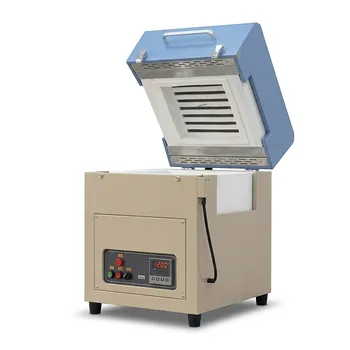
High Temperature 1700C Vertical Tube Furnace for Powder Spherification and Material Sintering
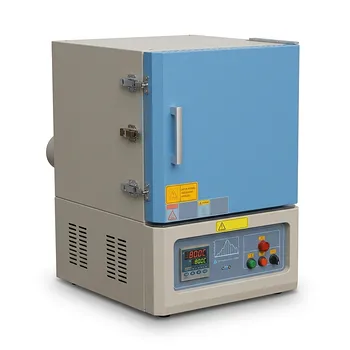
1800C Bench Top Muffle Furnace 18 Liters with Kanthal Super 1900 Heating Elements for High Purity Ceramic Sintering and Material Research
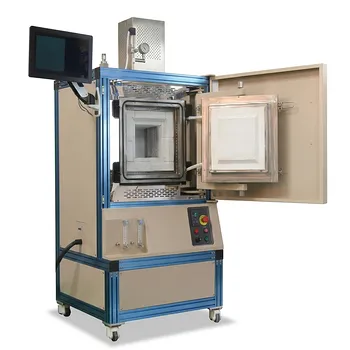
High Temperature Hydrogen Atmosphere Box Furnace 1650C Max Reducing Environment Material Synthesis System 8x8x8 Chamber
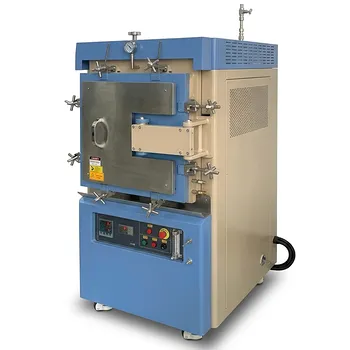
Atmosphere Controlled Muffle Furnace 1700C Maximum Temperature 80L High Capacity Vacuum Inert Gas Box Furnace
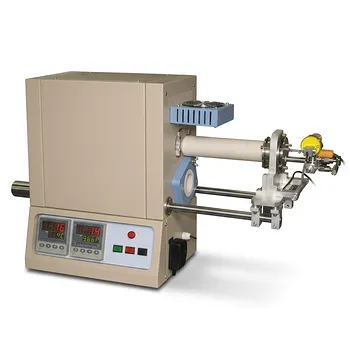
High Temperature Tube Furnace 1500C with Sliding Flanges and 50mm OD for Rapid Thermal Processing Fast Heating and Cooling
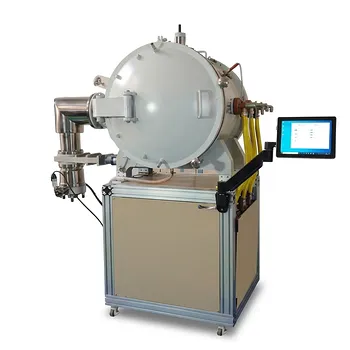
High Temperature Cold Wall Vacuum Furnace for Advanced Material Sintering and Annealing 1600C Heating Area 200x200x300mm
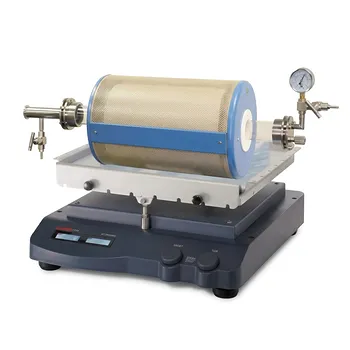
High Temperature Rocking Tube Furnace with Quartz Tube and Vacuum Flange for Materials Synthesis
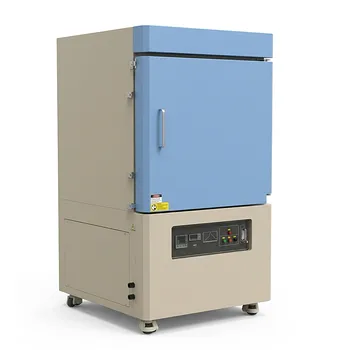
Industrial Large Box Furnace 1700C 216L High Temp Muffle Sintering System
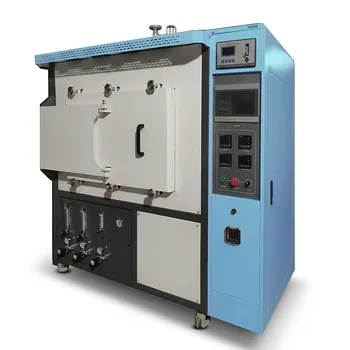
Roller Table Atmosphere Furnace 1500C High Temperature Battery Material Sintering System 112L Capacity
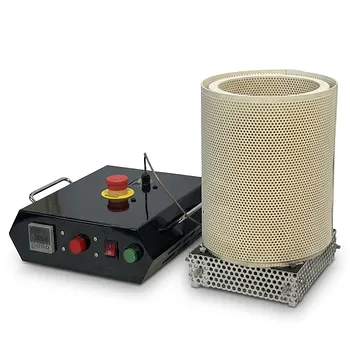
1250 C Compact Vertical Box Furnace for Glovebox Material Research Air Sensitive Samples
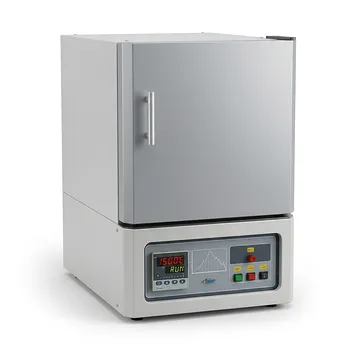
High Temperature 1500C Benchtop Muffle Furnace 3.6L Alumina Fiber Chamber Programmable Controller Sintering Annealing Carbonization Thermal Processing System
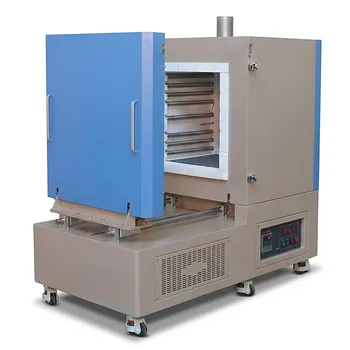
1200C Five Side Heating Muffle Furnace with Sliding Door 125L Volume High Temperature Heat Treatment System for Large Scale Sintering and Annealing
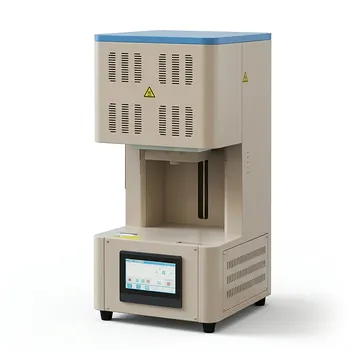
Automated 1700C High Temperature Bottom Loading Box Furnace with PC Software Control and Robotic Integration Capability

High Temperature 1700C Benchtop Tube Furnace with 5 Inch Heating Zone High Purity Alumina Tube and Vacuum Sealing Flanges
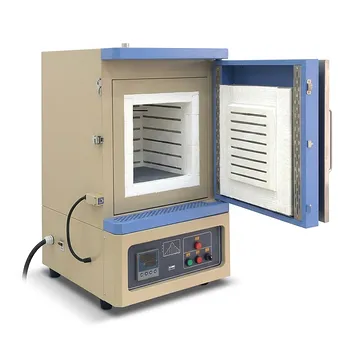
Five Side Heating Muffle Furnace High Purity Alumina Fiber 27L Chamber 1200C High Temperature Thermal Processing System for Sintering Annealing and Materials Research
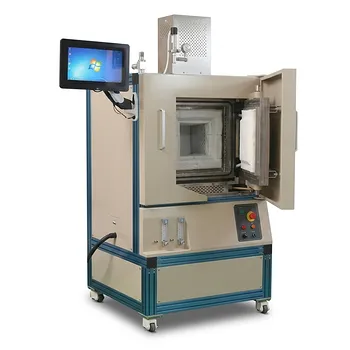
High Temperature Oxygen and Inert Atmosphere Controlled Furnace 8 Liter 1700C Sintering System for Advanced Materials RD
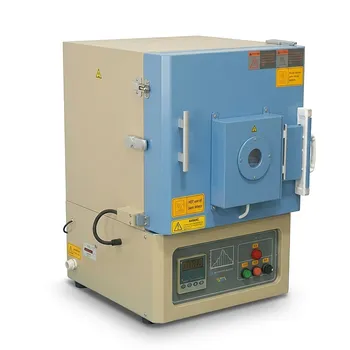
High Temperature Benchtop Muffle Furnace 1500C with 3.6L Chamber and Quartz Observation Window
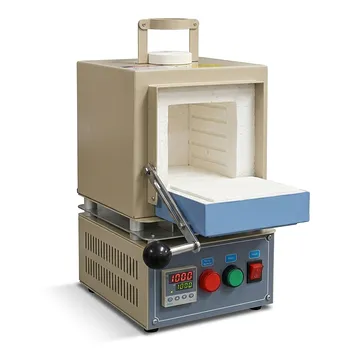
Compact 1000C Muffle Furnace with Programmable Controller and 2 Inch Top Port for Vacuum and Atmosphere Material Research
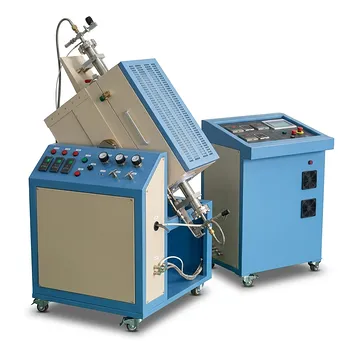
1100C High Pressure Rocking Tube Furnace with 2 Inch Super Alloy Processing Tube for Material Synthesis