What are the technical requirements for sintering silver electrodes? Master Thermal Control for Ceramic Sensors
Updated 3 months ago
The technical requirements for sintering silver electrodes focus on precise thermal gradient control and specific atmospheric conditions. To achieve a functional conductive layer on ceramic substrates, the industrial box furnace must maintain a slow heating and cooling rate of 2 °C per minute, sustain a peak temperature between 700 °C and 800 °C, and provide a consistent air atmosphere for organic binder removal.
To ensure high-quality sensor fabrication, the furnace must transition from a solvent-evaporation tool to a precision sintering environment. Success depends on balancing the thermal expansion differences between silver and ceramic to prevent structural failure while promoting metallic necking for electrical conductivity.
Precision Thermal Profiling
The Role of Controlled Ramp Rates
Maintaining a strict 2 °C per minute heating and cooling rate is the most critical technical requirement. This slow transition minimizes thermal stress caused by the mismatch in thermal expansion coefficients between the silver layer and substrates like alumina or quartz.
Optimizing Dwell Time and Peak Temperature
The furnace must be capable of holding a stable peak temperature—typically 700 °C for two hours—to ensure silver particles fully sinter. While some applications may require up to 800 °C, the duration is vital for allowing the silver nanoparticles to migrate and form a continuous conductive network.
Maintaining Temperature Uniformity
In an industrial box furnace, thermal uniformity across the heating chamber is essential for batch consistency. If the temperature fluctuates, sensors may experience uneven sintering, leading to variations in electrical resistance across the production run.
Atmospheric and Chemical Management
Air Atmosphere and Organic Evaporation
The sintering process must occur in an air atmosphere to facilitate the complete evaporation of organic solvents within the silver paste. Without adequate airflow and oxygen, trapped organics can carbonize, leading to poor conductivity and "bubbling" in the silver film.
Managing the Amorphous Glass Phase
At high temperatures, glass powders within the silver paste soften to form an amorphous glass phase at the grain boundaries. The furnace must maintain precise heat to ensure this glass phase distributes correctly, as it is the primary mechanism for bonding the silver film to the ceramic substrate.
Promoting Metallic Necking
Effective sintering requires the furnace to provide enough energy for silver nanoparticles to form sintered necks. This physical connection transforms individual particles into a unified, conductive network capable of high-performance sensing.
Understanding the Trade-offs and Risks
Thermal Expansion Mismatch
The primary risk in this process is delamination or cracking of the silver layer. Because silver and ceramic (like alumina) expand at different rates, aggressive heating or cooling schedules will cause the silver to peel away from the substrate.
Porosity vs. Adhesion
While higher temperatures or longer dwell times can improve the bonding strength via the glass phase, they can also lead to over-sintering. This may reduce the surface area or alter the electrical characteristics of the sensor, requiring a fine balance between mechanical adhesion and electrical performance.
Substrate Sensitivities
Different ceramic substrates react uniquely to the thermal cycle; for example, quartz substrates may require different peak temperatures than alumina. Using a "one-size-fits-all" thermal profile often results in brittle electrodes or insufficient adhesion.
How to Apply This to Your Project
Recommendations for Implementation
- If your primary focus is Maximum Conductivity: Prioritize the 2-hour hold at peak temperature to ensure the formation of a robust, continuous metallic network.
- If your primary focus is Mechanical Durability: Focus on the 2 °C/min cooling rate to allow the glass phase to solidify without inducing stress fractures or delamination.
- If your primary focus is High-Volume Throughput: Invest in a furnace with advanced PID controllers to maintain strict ramp rates while maximizing the usable uniform heat zone.
By treating the furnace as a precision instrument rather than a simple heating chamber, you ensure the structural and electrical integrity of your silver electrodes.
Summary Table:
| Parameter | Requirement | Critical Purpose |
|---|---|---|
| Heating/Cooling Rate | 2 °C per minute | Prevents thermal stress and delamination |
| Peak Temperature | 700 °C - 800 °C | Ensures silver particles fully sinter |
| Dwell Time | ~2 Hours | Promotes metallic necking & conductivity |
| Atmosphere | Air (Oxygen-rich) | Facilitates organic binder removal |
| Uniformity | High Precision | Ensures electrical consistency across batches |
Elevate Your Material Science R&D with THERMUNITS
Precision is non-negotiable when sintering delicate silver electrodes on ceramic substrates. As a leading manufacturer of high-temperature laboratory and industrial equipment, THERMUNITS provides the advanced thermal processing solutions you need to achieve superior results.
Our comprehensive range—including high-uniformity Box Furnaces, Atmosphere Furnaces, Tube Furnaces, and specialized CVD/PECVD systems—is designed to maintain the strict ramp rates and stable environments your research demands. From Muffle and Vacuum furnaces to Electric Rotary Kilns and Vacuum Induction Melting (VIM) systems, we empower researchers and manufacturers with reliable heat treatment technology.
Ready to optimize your sensor fabrication and industrial workflows? Contact our expert team today to find the perfect furnace for your material science applications!
References
- Kevin M. Tennant, Edward M. Sabolsky. Wireless Passive Ceramic Sensor for Far-Field Temperature Measurement at High Temperatures. DOI: 10.3390/s24051407
Mentioned Products
- Industrial Large Box Furnace 1700C 216L High Temp Muffle Sintering System
- 1650C High Temperature Atmosphere Controlled Box Furnace with 65L Chamber for Advanced Material Sintering and Industrial Heat Treatment
- High Temperature Horizontal Electrical Assisted Sintering Furnace with 3KW Programmable Power Source for Advanced Ceramic Materials
- High Throughput Four Channel Box Furnace 1500C Max Independent Temperature Control Material Research Sintering System
- 1750C Compact Muffle Furnace 1.7L Ultra High Temperature Laboratory Sintering System for Advanced Ceramics and Material Science Research
People Also Ask
- Why is an industrial high-temperature box furnace used for the pre-sintering of calcium silicate carriers? Key Benefits
- What is the role of an industrial box furnace in the oxidation and reduction processes of nickel electrodes? - Key Roles
- What is the role of a high-temperature box furnace in the solid-state synthesis of Europium-doped M3MgSi2O8 phosphors?
- What is the function of industrial box muffle furnaces in the high-temperature corrosion assessment of ZrO2-Dy3TaO7 coatings?
- How does the temperature control precision of a high-temperature sintering furnace affect Na1+xLa1-xZr2O6-δ ceramics?

Tech Team · ThermUnits
Last updated on Jun 02, 2026
Related Products
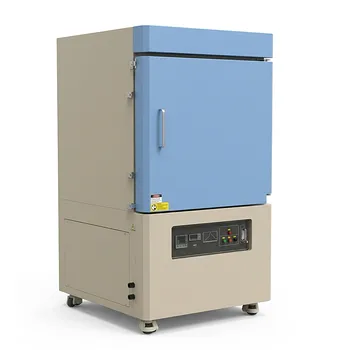
Industrial Large Box Furnace 1700C 216L High Temp Muffle Sintering System
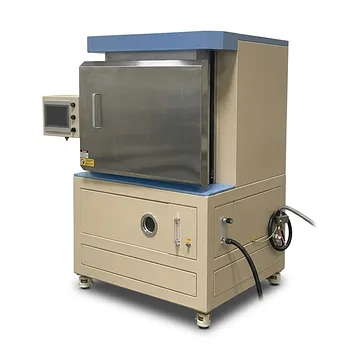
1650C High Temperature Atmosphere Controlled Box Furnace with 65L Chamber for Advanced Material Sintering and Industrial Heat Treatment
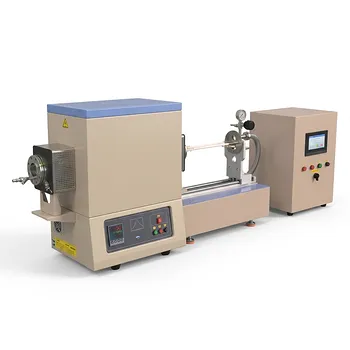
High Temperature Horizontal Electrical Assisted Sintering Furnace with 3KW Programmable Power Source for Advanced Ceramic Materials
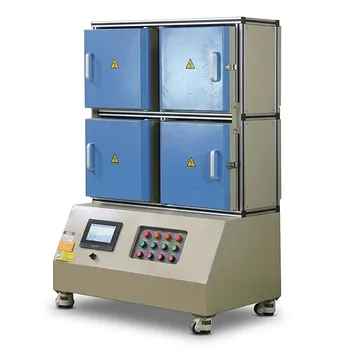
High Throughput Four Channel Box Furnace 1500C Max Independent Temperature Control Material Research Sintering System
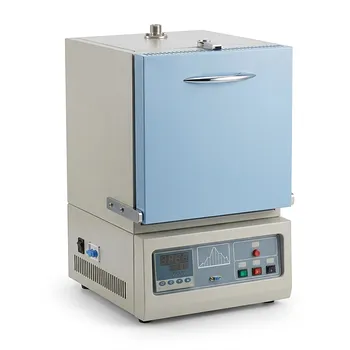
1750C Compact Muffle Furnace 1.7L Ultra High Temperature Laboratory Sintering System for Advanced Ceramics and Material Science Research
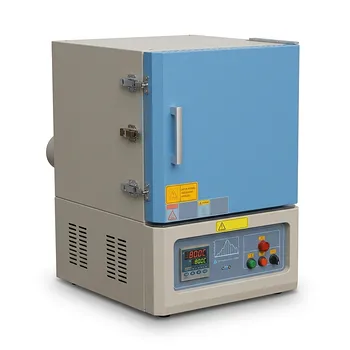
1800C Bench Top Muffle Furnace 18 Liters with Kanthal Super 1900 Heating Elements for High Purity Ceramic Sintering and Material Research
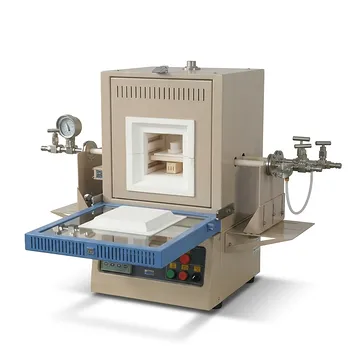
1700C Compact Hybrid Furnace with Dual Layer Box Sintering and Controlled Atmosphere Alumina Tubes
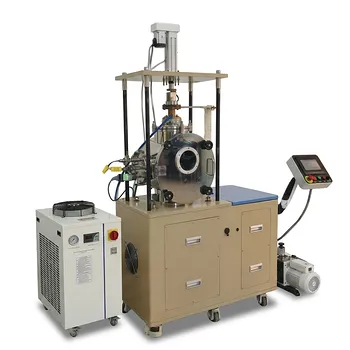
Compact Spark Plasma Sintering SPS Furnace 1200 C Max 100 MPa Pressure High Speed Sintering System for Material Research

Compact High Temperature 1600C Tube Furnace with 50mm Alumina Tube and Vacuum Flanges for Material Sintering
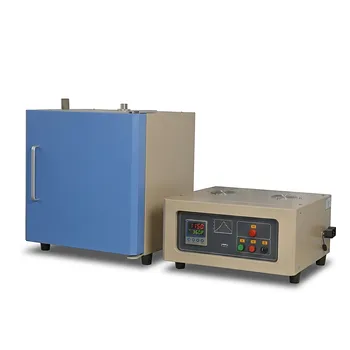
High Temperature Muffle Furnace with Alloy Chamber for Debinding and Sintering Applications

High Temperature 1700C Vertical Tube Furnace for Powder Spherification and Material Sintering
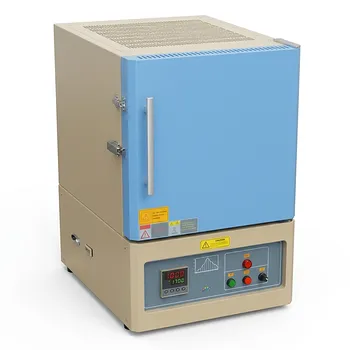
Large Bench Top 1700C High Temperature Muffle Furnace with 19L Chamber for Advanced Material Sintering and Annealing
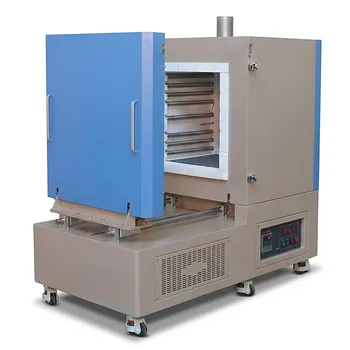
1200C Five Side Heating Muffle Furnace with Sliding Door 125L Volume High Temperature Heat Treatment System for Large Scale Sintering and Annealing
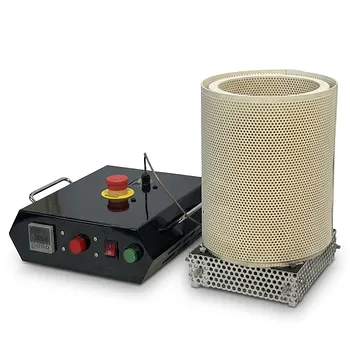
1250 C Compact Vertical Box Furnace for Glovebox Material Research Air Sensitive Samples
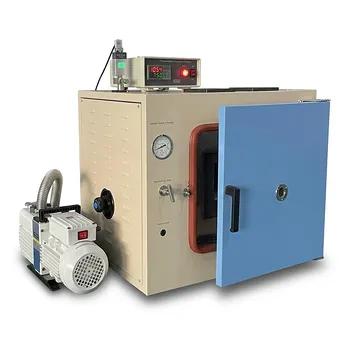
Compact High Vacuum Box Furnace 1050C Max 6.2L Ceramic Chamber Stainless Steel Shell Programmable Temperature Controller for Material Science Research
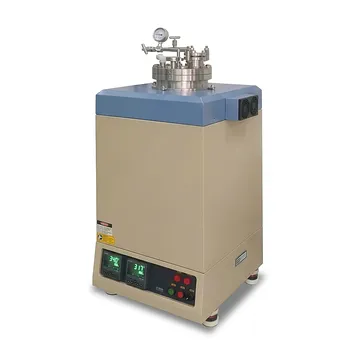
High Temperature 1000C Vacuum Furnace with 8 Inch ID Chamber for Material Sintering and Research Annealing
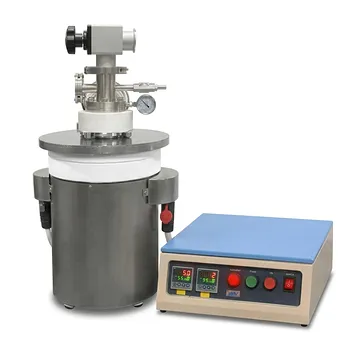
1100C High Temperature Vacuum Crucible Furnace with Quartz Chamber for Thermal Processing and Sintering
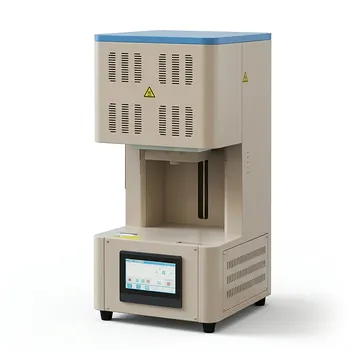
Automated 1700C High Temperature Bottom Loading Box Furnace with PC Software Control and Robotic Integration Capability
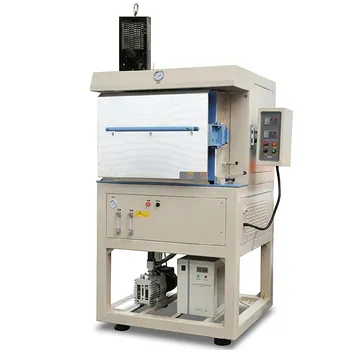
1200C Hydrogen Atmosphere Box Furnace with 5 Heated Sides and 64L Chamber