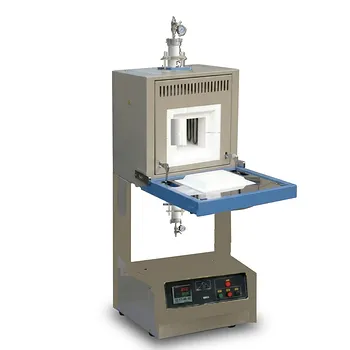
What critical process environments do industrial tube furnaces provide during the synthesis of single-crystal Ni-rich NMC?
Updated 5 months ago
Industrial tube furnaces provide the essential combination of a precisely regulated high-temperature thermal profile and a continuous, oxygen-rich atmosphere required for Ni-rich NMC synthesis. These controlled environments ensure the complete conversion of precursors into a layered crystal structure while preventing the structural instabilities common in high-nickel cathode materials.
The industrial tube furnace serves as the definitive environment for maintaining chemical and structural integrity during the sintering phase. By balancing high-temperature stability with an oxygen-saturated atmosphere, the furnace prevents cation mixing and promotes the oxidation required for high-capacity, long-cycle-life performance.
The Role of Thermal Precision in Single-Crystal Growth
Achieving Complete Solid-Phase Reactions
Synthesis of single-crystal Ni-rich NMC requires a stable high-temperature environment, often reaching up to 1000°C for extended durations. This sustained heat facilitates the complete reaction of precursors into the desired layered oxide structure.
Without this precise thermal control, the transition metal ions may not arrange themselves in an orderly fashion. This leads to poor element distribution, which directly degrades the electrochemical performance of the final cathode material.
Managing Two-Stage Annealing Cycles
Advanced synthesis protocols often utilize a two-stage annealing process to optimize crystal growth. The tube furnace enables a lower-temperature pre-reaction (e.g., 500°C) followed by high-temperature solid-phase sintering (e.g., 900°C).
This regulated progression is essential for the full development of the layered oxide structure. It ensures that the single-crystal particles achieve the necessary size and density to remain stable when paired with high-performance anodes like silicon-carbon (Si-C).
The Criticality of Oxygen-Rich Atmospheres
Suppressing Cation Mixing
A continuous oxygen-rich atmosphere is the most critical factor in preserving the integrity of Ni-rich NMC. In high-nickel environments, Ni2+ ions have a tendency to migrate to Li+ sites, a phenomenon known as cation mixing.
The presence of flowing oxygen within the tube furnace suppresses this migration. By maintaining a high oxygen partial pressure, the furnace ensures that lithium sites remain occupied by lithium, preserving the pathways necessary for high-speed ion transport.
Promoting High Valence States
The furnace environment must promote the oxidation of transition metal ions to their higher valence states. This chemical transformation is vital for the stability of the layered crystal structure.
A sealed, atmosphere-controlled tube furnace allows for the strict regulation of gas flow. This ensures that the material is not exposed to ambient air or contaminants that could cause premature oxidation or structural defects during the cooling phase.
Understanding the Trade-offs
Temperature vs. Cation Ordering
While higher temperatures accelerate the growth of single crystals, they also increase the kinetic energy that drives cation mixing. If the temperature is too high relative to the oxygen flow rate, the structural benefits of a single crystal can be offset by increased atomic disorder.
Gas Flow Velocity and Thermal Uniformity
High gas flow rates are necessary to maintain an oxygen-saturated environment, but they can create thermal gradients within the furnace tube. Inconsistent heating across the precursor bed can lead to non-uniform particle sizes, resulting in a cathode material with unpredictable cycling behavior.
Applying These Environments to Your Production Goals
Recommendations for Material Optimization
The synthesis parameters must be finely tuned based on the specific nickel content and intended application of the NMC material.
- If your primary focus is Maximum Discharge Capacity: Prioritize a high-temperature sintering stage (near 1000°C) with a high-velocity oxygen flow to ensure the highest possible oxidation states and minimal cation mixing.
- If your primary focus is Long-Term Cycle Stability: Implement a precise two-stage annealing process to ensure uniform element distribution and the formation of robust, crack-resistant single-crystal particles.
- If your primary focus is Throughput and Scalability: Focus on optimizing the "etching-growth" or roasting time within the tube furnace to balance complete reaction kinetics with energy consumption.
By mastering the intersection of high-temperature precision and atmospheric control, manufacturers can produce Ni-rich NMC that meets the rigorous demands of modern high-energy density batteries.
Summary Table:
| Process Requirement | Function in NMC Synthesis | Resulting Material Benefit |
|---|---|---|
| Thermal Precision | Facilitates 2-stage annealing and solid-phase sintering | Uniform element distribution & density |
| Oxygen-Rich Atmosphere | Suppresses cation mixing (Ni2+ to Li+ sites) | High-speed ion transport & capacity |
| Sustained High Heat | Promotes transition metal oxidation to higher states | Enhanced layered crystal stability |
| Regulated Gas Flow | Maintains high oxygen partial pressure & purity | Consistent particle size & cycle life |
Elevate Your Material Synthesis with THERMUNITS Precision Solutions
Achieving the perfect layered structure for Ni-rich NMC requires uncompromising control over atmosphere and temperature. THERMUNITS is a leading manufacturer of high-temperature laboratory equipment for material science and industrial R&D, providing the tools necessary for cutting-edge battery innovation.
Our comprehensive range of thermal processing solutions—including Tube, Atmosphere, Vacuum, and Rotary Furnaces, CVD/PECVD systems, and Vacuum Induction Melting (VIM) furnaces—are engineered to help you achieve maximum discharge capacity and long-term cycle stability.
Ready to optimize your heat treatment process? Contact our technical experts at THERMUNITS today to find the ideal solution for your laboratory!
References
- Joon Kyung Koong, George P. Demopoulos. Tuning Molten-Salt-Mediated Calcination in Promoting Single-Crystal Synthesis of Ni-Rich LiNixMnyCozO2 Cathode Materials. DOI: 10.3390/batteries10110387
Mentioned Products
- High Temperature Dual Zone Rotating Tube Furnace 1500C Silicon Carbide Heating for Advanced Material Synthesis
- 1500C Max Dual Zone Rotary Tube Furnace with 60 mm OD Alumina Tube for High Temperature Material Synthesis
- 1100C High Pressure Rocking Tube Furnace with 2 Inch Super Alloy Processing Tube for Material Synthesis
- 1500C Three Zone Vertical Pyrolysis Furnace for Nanoparticle Synthesis and Advanced Oxide Coating
- High Temperature Rotary Tube Furnace with Integrated Ball Milling and Gas Flow Function for Powder Nitriding
People Also Ask
- What is the function of CVD furnaces in graphene prep? Enhancing Photodetector Charge Transport
- Why use CVD and a tube furnace for Pd3P0.95/NC catalyst phosphidation? Ensure high phase purity and performance.
- CVD Tube Furnace Advantages for Pd-P Catalyst Durability: Precision Control for 40,000+ Cycles
- How does a rotary tube furnace improve the processing of granular materials? Enhance Uniformity and Reaction Kinetics
- How does a Chemical Vapor Deposition (CVD) tube furnace facilitate synchronized nitridation? Precision Nano-Engineering.

Tech Team · ThermUnits
Last updated on Apr 14, 2026
Related Products
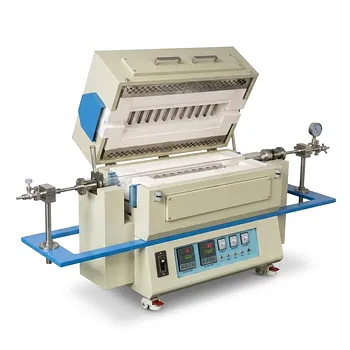
High Temperature Dual Zone Rotating Tube Furnace 1500C Silicon Carbide Heating for Advanced Material Synthesis
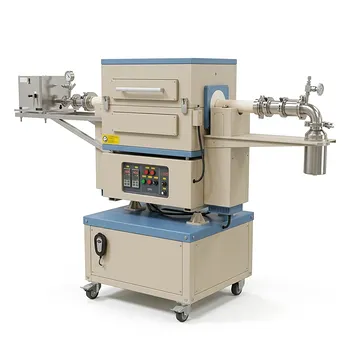
1500C Max Dual Zone Rotary Tube Furnace with 60 mm OD Alumina Tube for High Temperature Material Synthesis
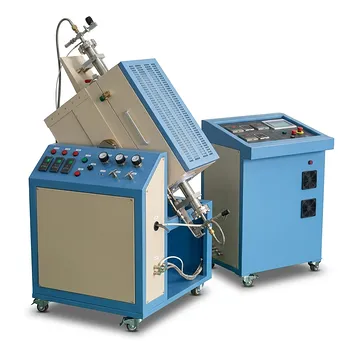
1100C High Pressure Rocking Tube Furnace with 2 Inch Super Alloy Processing Tube for Material Synthesis
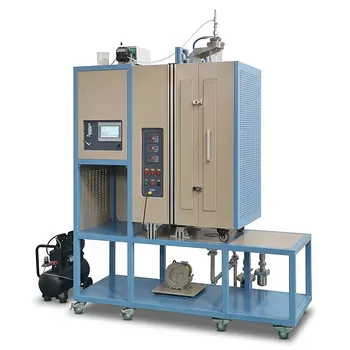
1500C Three Zone Vertical Pyrolysis Furnace for Nanoparticle Synthesis and Advanced Oxide Coating
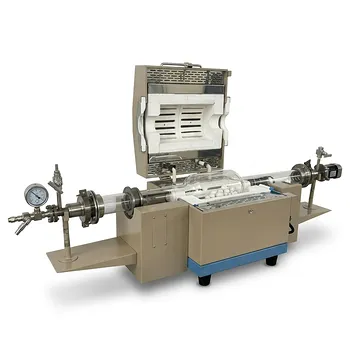
High Temperature Rotary Tube Furnace with Integrated Ball Milling and Gas Flow Function for Powder Nitriding

Compact High Temperature 1600C Tube Furnace with 50mm Alumina Tube and Vacuum Flanges for Material Sintering

High Temperature 1700C Vertical Tube Furnace for Powder Spherification and Material Sintering
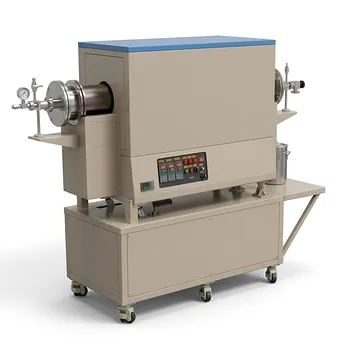
900°C Max Rotary Tube Furnace with 8 Inch 310S Alloy Tube and Optional Multi Zone Heating for Industrial Material Calcination

1100C Tube Furnace with Vacuum Flange and Programmable Temperature Controller for Material Science and Industrial Heat Treatment
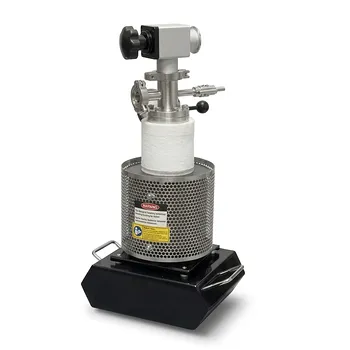
High Temperature 1100C Compact Top Loading Vertical Vacuum Tube Furnace for High Vacuum Noble Metal Melting and Material Research
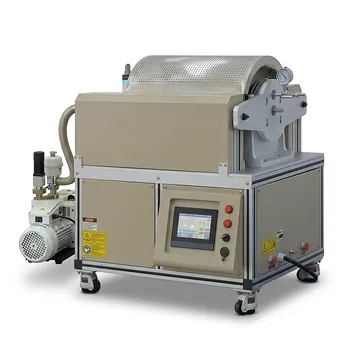
Automated 1200 C Tube Furnace for AI Material Research with 6 Inch OD and Sliding Flange

High Temperature Automated 5 Inch Tube Furnace for Autonomous Material Research and Advanced Laboratory R&D
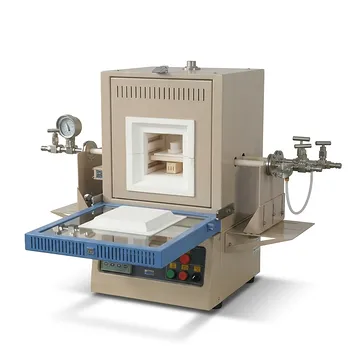
1700C Compact Hybrid Furnace with Dual Layer Box Sintering and Controlled Atmosphere Alumina Tubes
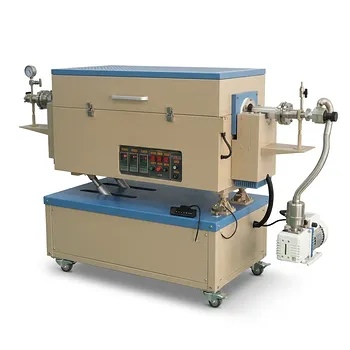
Three Zone Rotary Tube Furnace for High Temperature Powder Processing and Material Research

Vertical 1700C Vacuum and Atmosphere Tube Furnace with 80mm Alumina Tube
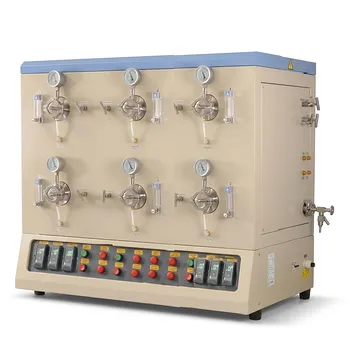
1200C High Throughput Multi Channel Tube Furnace with 50mm Quartz Tubes for Annealing and Material Phase Diagram Research
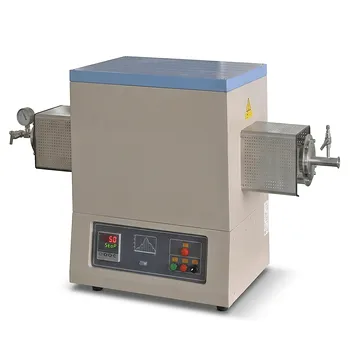
High Temperature 1700C Tube Furnace with 4 Inch OD Alumina Tube and Vacuum Sealing Flanges

1800C High Temperature Compact Vacuum Tube Furnace with 60mm OD Alumina Tube and Kanthal MoSi2 Heating Elements
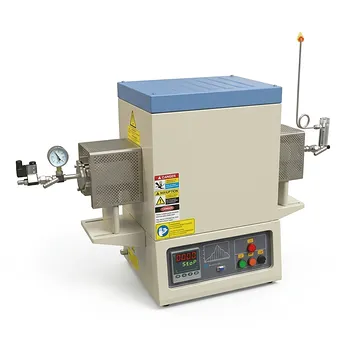
1700C Hydrogen Gas Tube Furnace with 60mm Alumina Process Tube and Integrated Hydrogen Safety Detector