What function does high-temperature heat treatment equipment perform during sintering? Optimize Al-Cu Composite Strength
Updated 3 months ago
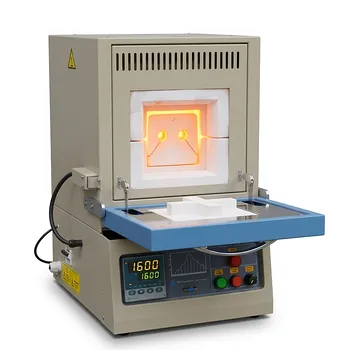
High-temperature heat treatment equipment enables the transformation of loose powder compacts into high-performance solids by providing a precisely controlled thermal environment. This equipment facilitates atomic diffusion at temperatures below the constituent melting points, allowing pressed "green bodies" to achieve physical bonding, eliminate internal pores, and reach the required Archimedes density for mechanical structural integrity.
The core function of this equipment is to drive the densification and metallurgical bonding of the aluminum-copper matrix. By managing temperature, atmosphere, and duration, it ensures the material achieves its theoretical density and optimal mechanical properties while preventing deleterious oxidation.
The Mechanics of Densification and Bonding
Facilitating Atomic Diffusion
High-temperature furnaces provide the energy necessary for atoms to migrate across particle boundaries. This atomic diffusion is the primary mechanism that bridges the gaps between individual aluminum and copper particles, turning a fragile powder compact into a unified metallic structure.
Elimination of Internal Porosity
As sintering progresses, the equipment maintains temperatures that allow surface tension to drive the closure of internal voids. This reduction in internal pores is critical for increasing the material's density, which directly correlates to its final tensile and yield strength.
Removal of Volatile Impurities
During the initial heating stages, the furnace performs a thermal debinding function. It vaporizes and removes residual processing aids, such as paraffin or skeleton polymers, ensuring that these impurities do not leave carbon deposits that could weaken the finished composite.
Atmosphere Control and Interfacial Integrity
Prevention of Matrix Oxidation
Aluminum and copper are highly susceptible to oxidation at elevated temperatures. High-vacuum or controlled-atmosphere furnaces provide an oxygen-free environment that protects the matrix and any nano-coatings, ensuring that oxide layers do not inhibit the bonding process.
Formation of Intermetallic Compounds
The precise temperature control allows for the controlled formation of intermetallic compounds like $AlCu$ or $Al_2Cu$ at the interface of the reinforcement and the matrix. These compounds, when formed in trace amounts, significantly enhance the interfacial bonding strength, creating a more robust composite.
Optimization of Microstructure
The equipment is often used for subsequent solution treatment (e.g., at 520°C) to dissolve second-phase particles back into the matrix. This process homogenizes the alloying elements and eliminates internal casting stresses, preparing the grain structure for further reinforcement through quenching and aging.
Understanding the Trade-offs
Temperature Precision vs. Material Degradation
If the sintering temperature is too low, atomic diffusion will be insufficient, leading to high porosity and mechanical failure. Conversely, exceeding the solidus temperature can cause localized melting, leading to "slumping," grain growth, or the formation of brittle, oversized intermetallic phases.
Atmosphere Quality vs. Processing Cost
Maintaining a high vacuum or high-purity inert gas atmosphere is significantly more expensive than standard atmospheric sintering. However, for aluminum-copper systems, failing to provide this environment results in thick oxide films that act as barriers to diffusion, preventing effective densification.
How to Apply This to Your Project
Making the Right Choice for Your Goal
- If your primary focus is Maximum Yield Strength: Utilize a Hot Press (HP) system to apply simultaneous heat and high pressure (up to 300 MPa) to eliminate the final traces of residual porosity.
- If your primary focus is Surface Chemistry and Coating Integrity: Prioritize a High-Vacuum Sintering Furnace to ensure an oxygen-free environment that prevents the oxidation of delicate nano-coatings.
- If your primary focus is Preform Preparation for Infiltration: Use an Atmosphere Furnace specifically for thermal debinding and pre-sintering to create a "bisque" structure with interconnected porosity.
- If your primary focus is Matrix Reinforcement (T6): Ensure your equipment can maintain tight tolerances for solution treatment and rapid transitions for quenching to freeze the supersaturated solid solution.
Selecting the correct thermal profile and atmospheric conditions is the single most important factor in determining the structural reliability of aluminum-copper matrix composites.
Summary Table:
| Key Function | Mechanism/Process | Impact on Al-Cu Composite |
|---|---|---|
| Densification | Atomic Diffusion | Eliminates pores and achieves high Archimedes density. |
| Atmosphere Control | Vacuum/Inert Gas | Prevents matrix oxidation and protects coating integrity. |
| Thermal Debinding | Vaporization | Removes volatile impurities like paraffin or polymers. |
| Interfacial Bonding | Intermetallic Formation | Creates robust metallurgical bonds (e.g., $Al_2Cu$). |
| Microstructure | Solution Treatment | Homogenizes grains and eliminates internal casting stresses. |
Elevate Your Material Research with THERMUNITS
As a leading manufacturer of high-temperature laboratory equipment, THERMUNITS provides the precision and reliability required for advanced material science and industrial R&D. Whether you are aiming for maximum yield strength through Hot Press (HP) furnaces or superior interfacial integrity via High-Vacuum and Atmosphere systems, our comprehensive range—including Tube, Rotary, and CVD/PECVD solutions—is designed to meet your exact specifications.
Take control of your sintering process today. Contact our thermal processing experts to find the perfect equipment for your aluminum-copper matrix composites and other high-performance materials.
References
- Sıddıka Mertdinç, M. Lütfi Öveçoğlu. Powder Metallurgical Processing of Al–5 wt% Cu Matrix Composites Reinforced with MoSi<sub>2</sub> and WSi<sub>2</sub> Particulates. DOI: 10.1002/adem.202400622
Mentioned Products
- High Temperature 1700C Bench Top Muffle Furnace with Alumina Fiber Insulation and 3.6L Chamber Capacity for Precision Sintering and Heat Treatment
- 1200C Five Side Heating Muffle Furnace with Sliding Door 125L Volume High Temperature Heat Treatment System for Large Scale Sintering and Annealing
- Vertical Hybrid High Temperature Furnace 1500C Alumina Tube SOFC Fuel Cell Testing Laboratory Heat Treatment Research Equipment
- 1650C High Temperature Atmosphere Controlled Box Furnace with 65L Chamber for Advanced Material Sintering and Industrial Heat Treatment
- Compact High Temperature 1600C Tube Furnace with 50mm Alumina Tube and Vacuum Flanges for Material Sintering
People Also Ask
- What role does a high-temperature muffle furnace play in evaluating the mineral composition of rock samples? LOI & XRF Guide
- What is the function of a high-temperature muffle furnace in phosphorus-modified zeolite catalyst preparation?
- What is the function of a high-temp muffle furnace in Ni-V oxide synthesis? Optimize your material's performance.
- What is the purpose of using muffle or tube furnaces in glass synthesis? Achieve Precise Melt-Quenching & Homogeneity
- What is the function of a muffle furnace in aluminoborosilicate glass prep? Stabilize Raw Materials for Superior Purity

Tech Team · ThermUnits
Last updated on Jun 02, 2026
Related Products
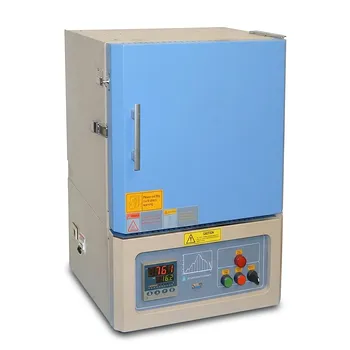
High Temperature 1700C Bench Top Muffle Furnace with Alumina Fiber Insulation and 3.6L Chamber Capacity for Precision Sintering and Heat Treatment
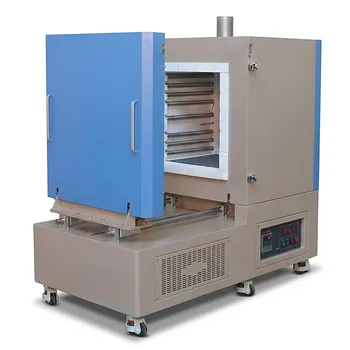
1200C Five Side Heating Muffle Furnace with Sliding Door 125L Volume High Temperature Heat Treatment System for Large Scale Sintering and Annealing
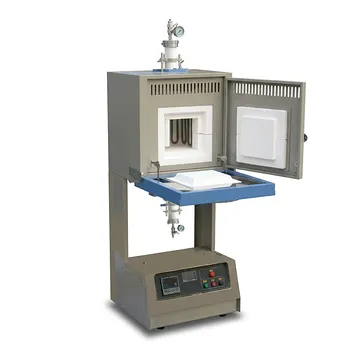
Vertical Hybrid High Temperature Furnace 1500C Alumina Tube SOFC Fuel Cell Testing Laboratory Heat Treatment Research Equipment
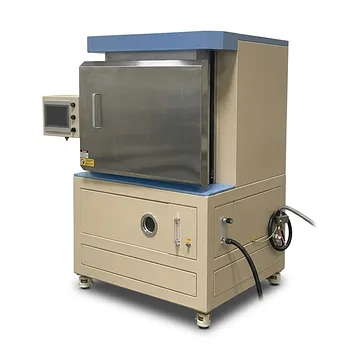
1650C High Temperature Atmosphere Controlled Box Furnace with 65L Chamber for Advanced Material Sintering and Industrial Heat Treatment

Compact High Temperature 1600C Tube Furnace with 50mm Alumina Tube and Vacuum Flanges for Material Sintering
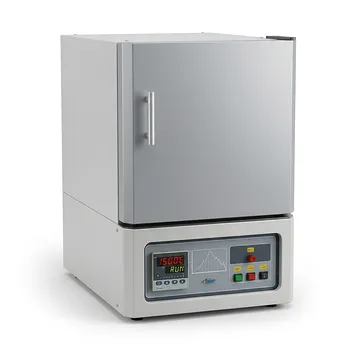
High Temperature 1500C Benchtop Muffle Furnace 3.6L Alumina Fiber Chamber Programmable Controller Sintering Annealing Carbonization Thermal Processing System
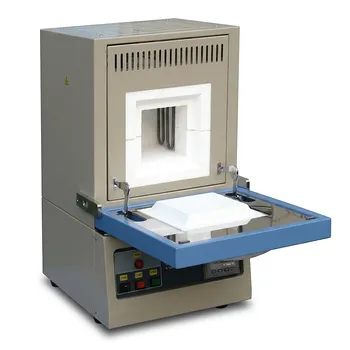
High Temperature 1800C Compact Muffle Furnace with Kanthal Super 1900 Heating Elements and 1.7L Alumina Chamber
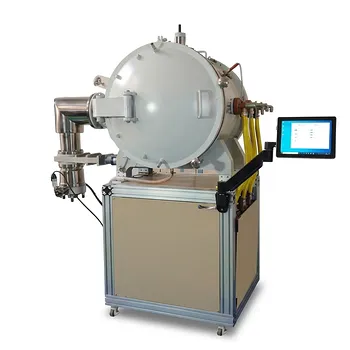
High Temperature Cold Wall Vacuum Furnace for Advanced Material Sintering and Annealing 1600C Heating Area 200x200x300mm
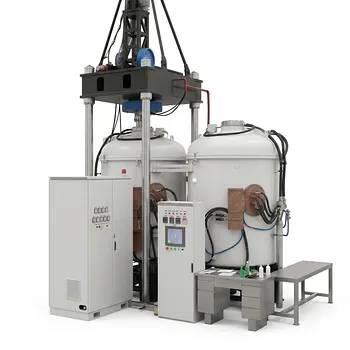
High Pressure 600T Vacuum Induction Hot Press Furnace for Advanced Material Heat Treatment and Sintering
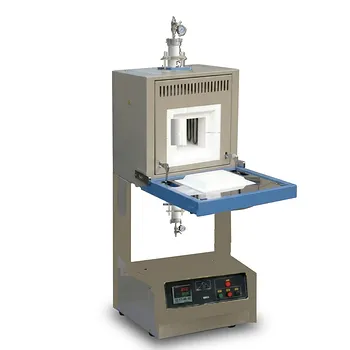
High Temperature Vertical Hybrid Furnace with Alumina Tube and SiC Heating for SOFC Coin Cell Testing and Atmosphere Processing
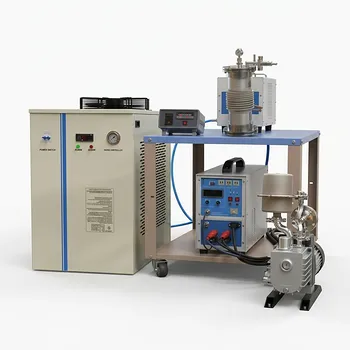
Induction Heating System with Temperature Control for High Temperature Vacuum Sintering and Melting
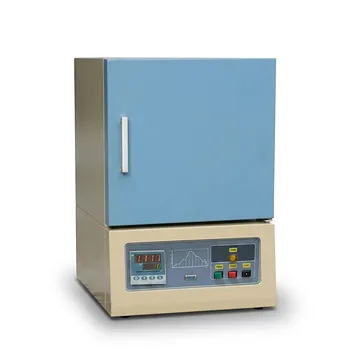
Ultra High Temperature Bench Top Muffle Furnace 1750C Sintering System with Kanthal Super Heating Elements and Precision Digital Control
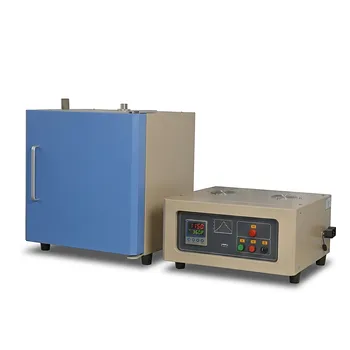
High Temperature Muffle Furnace with Alloy Chamber for Debinding and Sintering Applications
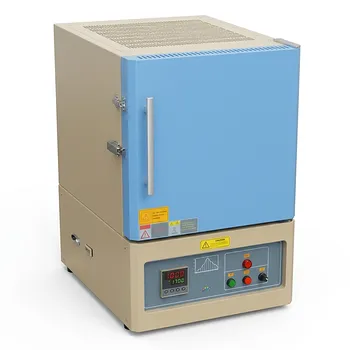
Large Bench Top 1700C High Temperature Muffle Furnace with 19L Chamber for Advanced Material Sintering and Annealing
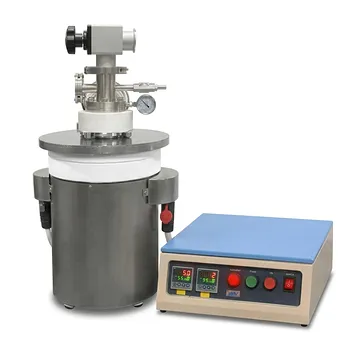
1100C High Temperature Vacuum Crucible Furnace with Quartz Chamber for Thermal Processing and Sintering
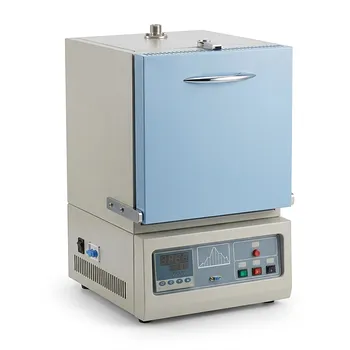
1750C Compact Muffle Furnace 1.7L Ultra High Temperature Laboratory Sintering System for Advanced Ceramics and Material Science Research
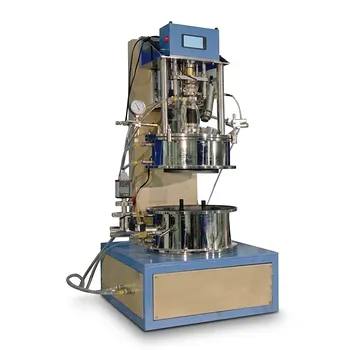
2500C High Vacuum Ultrafast Heating Pellet Press with Automated 8 Sample Loading System
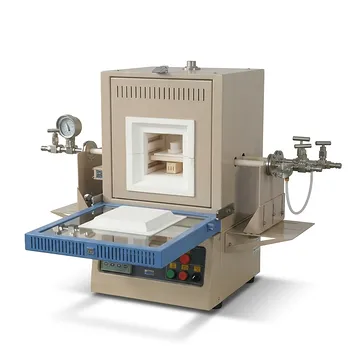
1700C Compact Hybrid Furnace with Dual Layer Box Sintering and Controlled Atmosphere Alumina Tubes
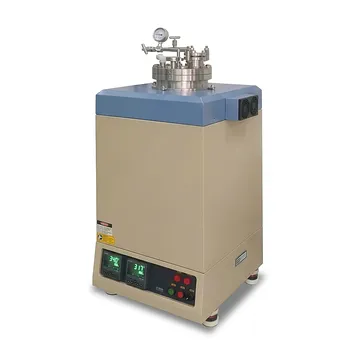
High Temperature 1000C Vacuum Furnace with 8 Inch ID Chamber for Material Sintering and Research Annealing