Functions of Atmosphere Tube Furnace in MCA Carbonization: Ensuring Superior Magnetic Aerogel Quality
Updated 3 months ago
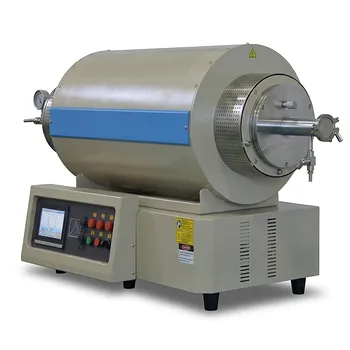
The atmosphere tube furnace acts as a specialized chemical reactor that transforms organic bamboo precursors into high-performance magnetic aerogels. During the carbonization of MnFe2O4-loaded bamboo pulp, the furnace provides a strictly controlled, high-temperature, oxygen-free environment. This setup facilitates the simultaneous conversion of the cellulose scaffold into a conductive carbon matrix and the in-situ synthesis of magnetic nanoparticles.
The atmosphere tube furnace is the critical tool for achieving "one-pot" carbonization and mineralization, ensuring the resulting aerogel possesses both structural integrity and the specific magnetic properties required for catalytic or adsorption applications.
Controlled Structural Transformation
The primary role of the furnace is to manage the thermal degradation of the bamboo pulp precursor into a stable carbon skeleton.
Conversion of Cellulose to Conductive Carbon
The furnace heats the bamboo pulp to high temperatures—typically ranging from 400°C to 1000°C—to trigger thermal decomposition. This process removes non-carbon components and volatile impurities, effectively increasing the elemental carbon content. The result is a conductive carbon matrix that serves as the structural foundation of the aerogel.
Formation of Microporous Architecture
As the organic polymer components pyrolyze into an amorphous carbon skeleton, the furnace environment promotes the development of a microporous structure. This porosity is essential for the aerogel’s surface area. Precise temperature control ensures the thoroughness and consistency of this carbonization across the entire material.
In-Situ Synthesis of MnFe2O4 Nanoparticles
Beyond carbonizing the scaffold, the furnace drives the chemical reactions necessary to create the functional "loaded" component of the MCA.
Thermochemical Conversion of Precursors
The furnace provides the thermal energy required to facilitate the in-situ conversion of metal precursors into MnFe2O4 magnetic nanoparticles. By treating the materials at specific temperatures, the furnace ensures these particles are synthesized directly within the carbon framework.
Prevention of Grain Growth
Through the use of integrated PID control systems, the furnace manages the heating rate with extreme precision. Maintaining a steady, controlled temperature rise—such as 3°C per minute—is vital to prevent abnormal grain growth. This ensures that the MnFe2O4 particles remain small and uniformly distributed, maximizing the number of active catalytic or adsorption sites.
Maintenance of a Protective Atmosphere
The "atmosphere" aspect of the tube furnace is perhaps its most critical safety and quality-control feature during high-temperature runs.
Prevention of Oxidation
By maintaining a continuous flow of inert nitrogen (N2) or argon gas, the furnace creates a strictly anaerobic environment. This prevents the carbonized bamboo fibers and the newly formed nanoparticles from oxidizing at elevated temperatures. Without this oxygen-free shield, the carbon matrix would simply burn away into ash.
Gas Flow and Impurity Removal
The constant purging of inert gas serves a dual purpose: it shields the material and carries away volatile byproducts released during pyrolysis. This continuous "sweeping" action ensures that the reaction environment remains pure, leading to a more stable and chemically clean final composite material.
Understanding the Trade-offs
While atmosphere tube furnaces are essential, they require careful calibration to avoid material failure.
Thermal Overshoot and Sintering
If the heating rate is too aggressive or the PID settings are poorly tuned, the furnace may experience thermal overshoot. This can lead to the sintering of nanoparticles, reducing the effective surface area of the MnFe2O4 and degrading the aerogel's performance.
Atmospheric Purity vs. Seal Integrity
The quality of the MCA is highly dependent on the furnace's sealing performance. Even a minor leak can introduce trace oxygen, which leads to partial oxidation of the carbon shell. This weakens the structural integrity of the aerogel and can alter the magnetic phase of the manganese-iron components.
How to Optimize Your Carbonization Process
To achieve the best results when producing MnFe2O4-loaded bamboo pulp carbon-based aerogels, tailor your furnace settings to your specific performance targets.
- If your primary focus is high electrical conductivity: Use higher carbonization temperatures (approaching 1000°C) and a slow heating rate to ensure a highly ordered carbon graphitization.
- If your primary focus is maximum catalytic activity: Prioritize a lower, multi-stage heating program to keep MnFe2O4 nanoparticle sizes small and prevent agglomeration.
- If your primary focus is structural durability: Ensure the furnace has a long constant temperature zone and superior airtightness to prevent uneven pyrolysis and oxidation-induced brittleness.
The atmosphere tube furnace is the defining factor in whether a biomass precursor successfully matures into a sophisticated, functional magnetic carbon aerogel.
Summary Table:
| Phase | Key Function | Critical Control Parameter |
|---|---|---|
| Carbonization | Converts cellulose to conductive carbon matrix | Peak Temperature (400°C - 1000°C) |
| Mineralization | In-situ synthesis of MnFe2O4 nanoparticles | Heating Rate (e.g., 3°C/min) & PID Accuracy |
| Protection | Prevents oxidation and removes volatile impurities | Inert Gas Flow Rate & Seal Integrity |
| Porosity Design | Facilitates microporous structure development | Atmosphere Purity & Dwell Time |
Elevate Your Material Research with THERMUNITS
As a leading manufacturer of high-temperature laboratory equipment for material science and industrial R&D, THERMUNITS understands the critical nature of precise thermal processing. Whether you are developing magnetic aerogels or advanced carbon composites, our comprehensive range of Atmosphere, Tube, Vacuum, and Muffle furnaces, along with specialized CVD/PECVD systems and Electric Rotary Kilns, provides the uniformity and control your research demands.
Why partner with THERMUNITS?
- Precision Control: Advanced PID systems to prevent grain growth and sintering.
- Atmospheric Integrity: High-performance sealing to ensure strictly anaerobic environments.
- Versatility: Solutions ranging from Dental Furnaces to Vacuum Induction Melting (VIM) systems.
Ready to optimize your carbonization and heat treatment workflows? Contact us today to discuss your specific laboratory needs!
References
- Wenxiang Jing, Dongyang Liu. MnFe<sub>2</sub>O<sub>4</sub>-loaded bamboo pulp carbon-based aerogel composite: synthesis, characterization and adsorption behavior study for heavy metals removal. DOI: 10.1039/d4ra06363e
Mentioned Products
- Vertical 1700C Vacuum and Atmosphere Tube Furnace with 80mm Alumina Tube
- 1200C Hybrid Muffle and Tube Furnace for Material Research with Dual Atmosphere Control Quartz Tubes
- 1200°C Atmosphere Controlled Automatic Bottom Loading Furnace with 6 Inch Quartz Tube
- Compact Hybrid Muffle and Tube Furnace for 1000C Controlled Atmosphere Laboratory Material Sintering
- Compact Vertical Split Quartz Tube Furnace with Stainless Steel Vacuum Flanges for Rapid Thermal Quenching and Controlled Atmosphere Material Processing
People Also Ask
- How is an industrial-grade vertical tube furnace utilized in smelting leaching residues? Enhance Metal Recovery Efficiency
- What is the function of a laboratory-grade vertical tube furnace in fast pyrolysis? Optimize Composite Research.
- How does a vertical tube furnace facilitate thermoelectric alloy melting? Precision synthesis for material homogeneity.
- Why is a thermocouple sensor indispensable for monitoring the vertical tube furnace during gallium oxide nanowire production? Optimize VLS Growth
- What are the advantages of using a vertical tube furnace for crucible experiments simulating steel-slag interactions?

Tech Team · ThermUnits
Last updated on Jun 02, 2026
Related Products

Vertical 1700C Vacuum and Atmosphere Tube Furnace with 80mm Alumina Tube
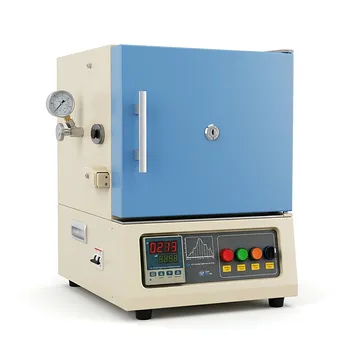
1200C Hybrid Muffle and Tube Furnace for Material Research with Dual Atmosphere Control Quartz Tubes
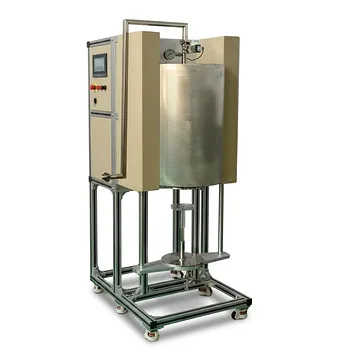
1200°C Atmosphere Controlled Automatic Bottom Loading Furnace with 6 Inch Quartz Tube
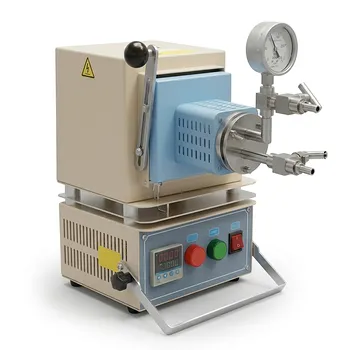
Compact Hybrid Muffle and Tube Furnace for 1000C Controlled Atmosphere Laboratory Material Sintering

Compact Vertical Split Quartz Tube Furnace with Stainless Steel Vacuum Flanges for Rapid Thermal Quenching and Controlled Atmosphere Material Processing
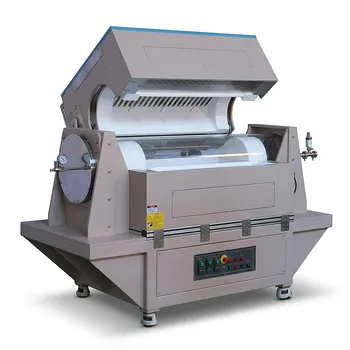
Three Zone Tube Furnace with 11 Inch or 15 Inch Quartz Tube and Hinged Flanges for Vacuum Atmosphere Heat Treatment
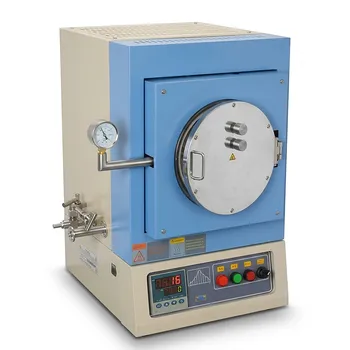
1100°C High Temperature Quartz Chamber Furnace 8 Inch OD with 7.6 Liter Capacity and Vacuum Atmosphere Capability
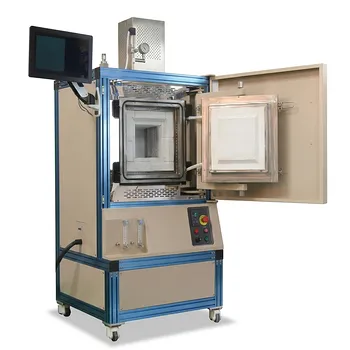
High Temperature Hydrogen Atmosphere Box Furnace 1650C Max Reducing Environment Material Synthesis System 8x8x8 Chamber

High Temperature 1700C Vertical Tube Furnace for Powder Spherification and Material Sintering

Compact High Temperature 1600C Tube Furnace with 50mm Alumina Tube and Vacuum Flanges for Material Sintering

High Temperature 1700C Tube Furnace with High Vacuum Turbomolecular Pump System and Multi Channel Mass Flow Controller Gas Mixer

High Temperature 1700C Six Zone Split Tube Furnace with Alumina Tube and Water Cooled Flanges

1800C High Temperature Compact Vacuum Tube Furnace with 60mm OD Alumina Tube and Kanthal MoSi2 Heating Elements

1100C Tube Furnace with Vacuum Flange and Programmable Temperature Controller for Material Science and Industrial Heat Treatment

High Temperature 1700C Benchtop Tube Furnace with 5 Inch Heating Zone High Purity Alumina Tube and Vacuum Sealing Flanges
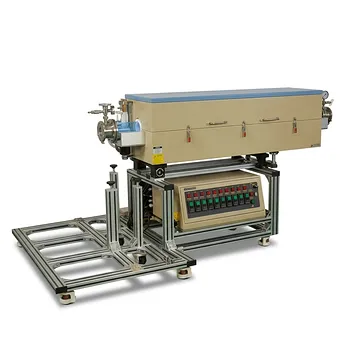
Ten Zone Multi Orientation Laboratory Tube Furnace for 1200C High Temperature Gradient Thermal Processing
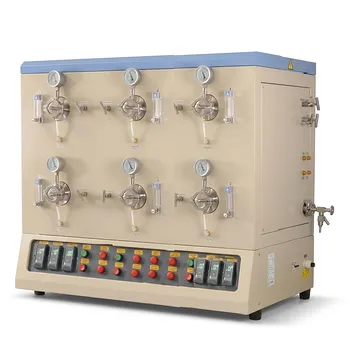
1200C High Throughput Multi Channel Tube Furnace with 50mm Quartz Tubes for Annealing and Material Phase Diagram Research

High Temperature Automated 5 Inch Tube Furnace for Autonomous Material Research and Advanced Laboratory R&D
1200C Max Three Zone Tube Furnace 6 Inch OD Max with Tube and Flange
