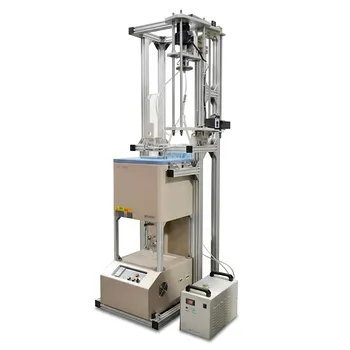
Why is graphite the preferred material for dies and heating elements in Vacuum Hot Press Furnaces? High-Temp Solutions
Updated 5 months ago
Graphite is the industry standard for vacuum hot pressing because it uniquely combines high-temperature mechanical strength with exceptional electrical and thermal conductivity. In a vacuum, it remains stable at temperatures exceeding 2,400°C, providing the structural integrity needed to withstand intense uniaxial pressure while simultaneously serving as an efficient radiant heat source.
Core Takeaway: Graphite is preferred because its mechanical strength actually improves or remains stable at extreme temperatures where metals fail. It functions as both a durable mold (die) and a high-efficiency heating element, offering a cost-effective solution for high-pressure thermal processing.
Superior Thermal and Electrical Performance
Stability at Extreme Temperatures
Graphite maintains thermal stability up to 2,400°C in vacuum environments, with some high-purity variants handling short-term peaks up to 2,800°C. Unlike most materials that soften as they heat, graphite retains the structural integrity required for complex thermal cycles.
Efficient Radiant Heating
In a vacuum, where convection is non-existent, radiant heat transfer is the dominant energy source. Graphite’s high emissivity allows it to rapidly generate a stable radiation field, ensuring the workpiece reaches the target temperature quickly and uniformly.
Low Resistance and High Current
Graphite possesses low electrical resistance, making it ideal for ohmic (resistance) heating. Because the resistance is so low, these systems utilize specialized low-voltage, high-current transformers to precisely control the thermal output and meet strict heating rate requirements.
Mechanical Strength and Die Functionality
Structural Integrity Under Load
Graphite dies provide the necessary mechanical strength to withstand the uniaxial pressure applied during the hot-pressing process. This allows for the simultaneous application of heat and pressure, which is critical for densifying materials like Silicon Carbide.
Uniform Pressure Distribution
Due to its high thermal conductivity, graphite ensures a uniform temperature field throughout the mold. This uniformity prevents "cold spots," ensuring that axial pressure is distributed evenly across the sample and reducing the risk of cracking caused by thermal stress.
High-Purity Sample Protection
High-purity graphite is used as a sample carrier to minimize impurities. Its chemical stability ensures it does not react with many processed materials, such as Silicon Carbide, even at temperatures reaching 1,000°C.
Understanding the Trade-offs
The Risk of Carbon Contamination
While graphite is cost-effective, it can cause carbon contamination in highly sensitive materials. In research or high-purity applications where carbon diffusion must be avoided, refractory metals like molybdenum may be preferred despite their higher cost.
Oxidative Vulnerability
Graphite is highly susceptible to oxidation if exposed to oxygen at high temperatures. To prevent material loss and extend the service life of the components, the furnace must maintain a strict vacuum or an inert gas environment (such as Argon).
Material Sticking and Adhesion
Processed materials can sometimes bond to graphite surfaces at high heat. To mitigate this, operators must use boron nitride coatings or protective foils as release agents to ensure the final product can be removed from the die without damage.
How to Apply This to Your Project
Selecting the right graphite configuration depends on your specific material requirements and temperature targets.
- If your primary focus is general industrial cost-efficiency: Graphite is the definitive choice for both dies and heaters due to its longevity and lower price point compared to refractory metals.
- If your primary focus is ultra-high purity or zero carbon diffusion: Consider using molybdenum or other refractory metal hot zones to eliminate the risk of carbon entering your sample.
- If your primary focus is rapid heating rates: Utilize high-purity graphite felt heating elements, which offer a large发热表面积 (surface area) to enhance heating efficiency within a compact volume.
- If your primary focus is preventing wafer or sample cracking: Ensure you are using high-purity graphite molds to maintain a perfectly uniform thermal field and reduce internal stresses.
By balancing graphite's exceptional thermal properties with the necessary surface coatings, you can achieve a highly stable and repeatable hot-pressing environment.
Summary Table:
| Key Property | Advantage in Hot Pressing | Operational Benefit |
|---|---|---|
| Thermal Stability | Stable up to 2,400°C in vacuum | Maintains shape during extreme cycles |
| Mechanical Strength | Increases/remains stable at high temps | Withstands intense uniaxial pressure |
| Radiant Emissivity | High efficiency in vacuum environments | Rapid, uniform heating of the workpiece |
| Electrical Resistance | Low resistance for ohmic heating | Precise control via high-current systems |
| Chemical Stability | Non-reactive with many ceramics | Protects sample purity (e.g., Silicon Carbide) |
| Cost Efficiency | Lower price point than refractory metals | Durable, cost-effective industrial standard |
Elevate Your R&D Precision with THERMUNITS
Selecting the right thermal environment is critical for material science breakthroughs. THERMUNITS is a leading manufacturer of high-temperature laboratory equipment, providing advanced solutions tailored for industrial R&D. We specialize in high-performance Vacuum Hot Press Furnaces that leverage the unique properties of high-purity graphite to ensure your materials achieve maximum density and integrity.
Beyond hot pressing, our comprehensive range includes:
- Furnaces: Muffle, Vacuum, Atmosphere, Tube, Rotary, and Dental furnaces.
- Advanced Systems: CVD/PECVD systems, Electric Rotary Kilns, and Vacuum Induction Melting (VIM) furnaces.
- Components: High-quality Thermal Elements and specialized heat treatment tools.
Ready to optimize your thermal processing workflow?
Contact our engineering team today to discuss your specific requirements and discover how THERMUNITS can enhance your laboratory’s efficiency and results.
Mentioned Products
- High Pressure 600T Vacuum Induction Hot Press Furnace for Advanced Material Heat Treatment and Sintering
- High Temperature Vacuum Lamination Hot Press Furnace Machine for Semiconductor Wafer Bonding and Advanced Composite Thermal Processing
- Industrial Vacuum Hot Press Furnace Machine and High Temperature Heated Vacuum Press for Advanced Material Sintering
- Industrial High Temperature Vacuum Hot Press Furnace and Heated Vacuum Press Machine for Material Science Sintering
- Ultrafast Thermal Pressing Furnace 2900C Max Temperature 200K per Second Heating Rate Vacuum Atmosphere Rapid Processing System
People Also Ask
- What is a Vacuum Hot Press Furnace and what are its primary industrial applications? Achieve Maximum Material Density
- What are the structural features of the furnace body and chamber in a Vacuum Hot Press Furnace? Master Material Density
- What types of heating systems and insulation are used in Vacuum Hot Press Furnaces? Optimize Your Thermal Processing
- What are the primary operational components and mechanisms of a vacuum hot press furnace? A Technical Breakdown
- How do vacuum, heat, and pressure work together in a Vacuum Hot Press Furnace? Achieving Near-Theoretical Density

Tech Team · ThermUnits
Last updated on Apr 14, 2026
Related Products
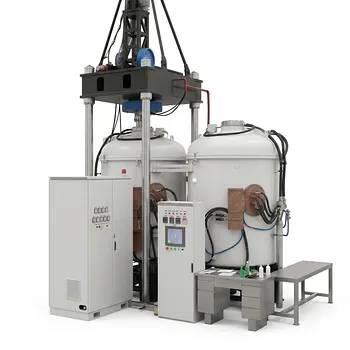
High Pressure 600T Vacuum Induction Hot Press Furnace for Advanced Material Heat Treatment and Sintering
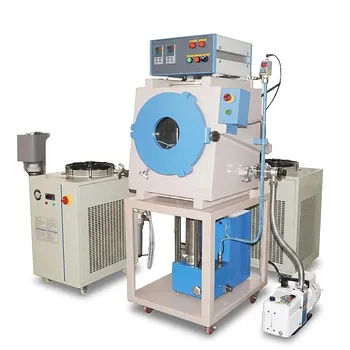
High Temperature Vacuum Lamination Hot Press Furnace Machine for Semiconductor Wafer Bonding and Advanced Composite Thermal Processing
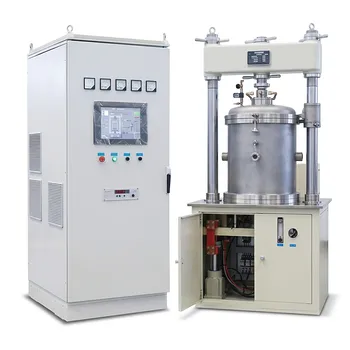
Industrial Vacuum Hot Press Furnace Machine and High Temperature Heated Vacuum Press for Advanced Material Sintering
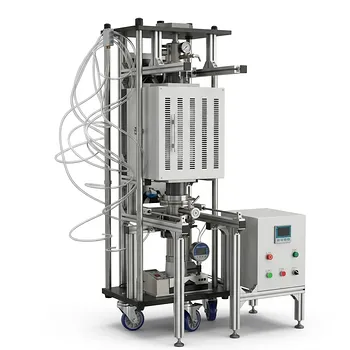
Industrial High Temperature Vacuum Hot Press Furnace and Heated Vacuum Press Machine for Material Science Sintering
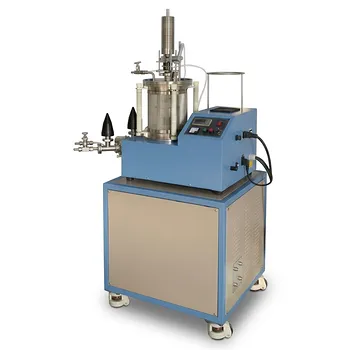
Ultrafast Thermal Pressing Furnace 2900C Max Temperature 200K per Second Heating Rate Vacuum Atmosphere Rapid Processing System
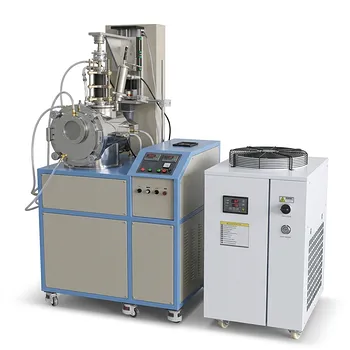
High Temperature Ultrafast Heating Pressing Furnace 2900C Max 100kgf Rapid Thermal Processing System
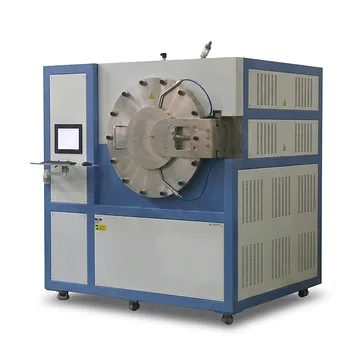
High Vacuum Pressure Chamber Furnace 800C 3.5 Bar Sintering System for Superconducting Materials
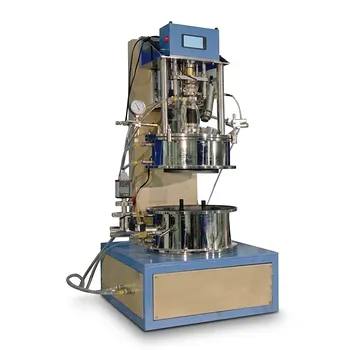
2500C High Vacuum Ultrafast Heating Pellet Press with Automated 8 Sample Loading System
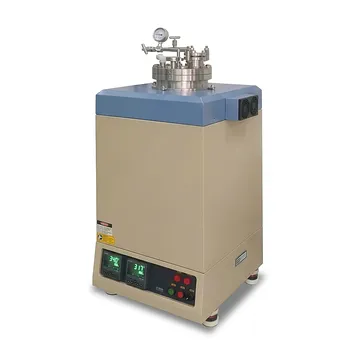
High Temperature 1000C Vacuum Furnace with 8 Inch ID Chamber for Material Sintering and Research Annealing
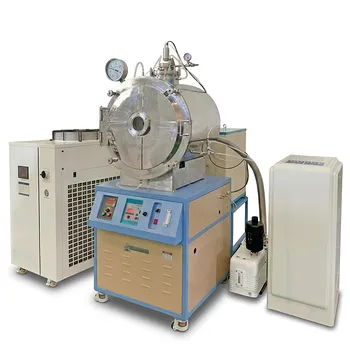
Ultra High Temperature Induction Heated Vacuum Furnace with Molten Salt Electrolysis Capability and 3000 Degree Precision Control
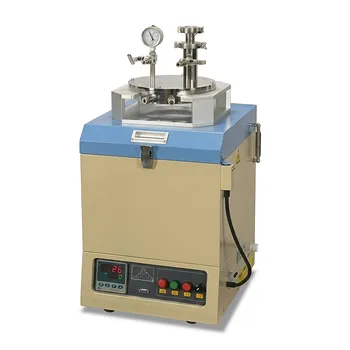
Vertical Vacuum Furnace 1100C High Temperature 8 Inch Quartz Chamber Water Cold Flange System
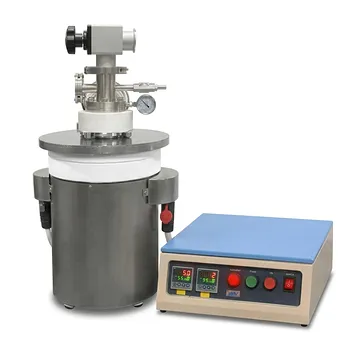
1100C High Temperature Vacuum Crucible Furnace with Quartz Chamber for Thermal Processing and Sintering
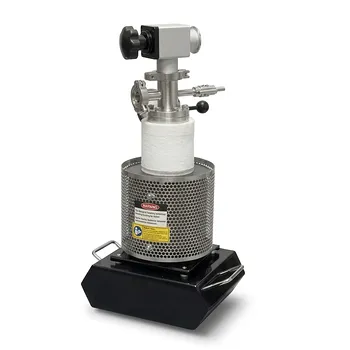
High Temperature 1100C Compact Top Loading Vertical Vacuum Tube Furnace for High Vacuum Noble Metal Melting and Material Research
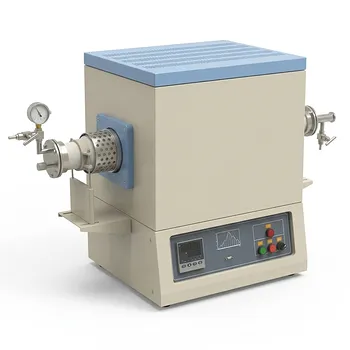
1750°C High Temperature Benchtop Vacuum Atmosphere Tube Furnace with Kanthal Super 1800 Heating Elements and 60mm Alumina Processing Tube

1800C High Temperature Compact Vacuum Tube Furnace with 60mm OD Alumina Tube and Kanthal MoSi2 Heating Elements

High Temperature 1700C Tube Furnace with High Vacuum Turbomolecular Pump System and Multi Channel Mass Flow Controller Gas Mixer
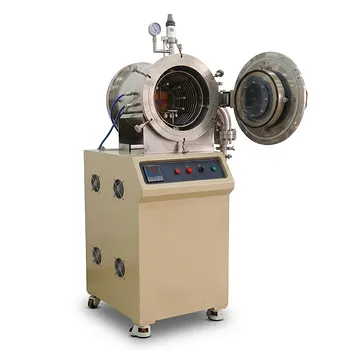
High Temperature Cold Wall High Vacuum Chamber Furnace 1400C for Advanced Material Processing
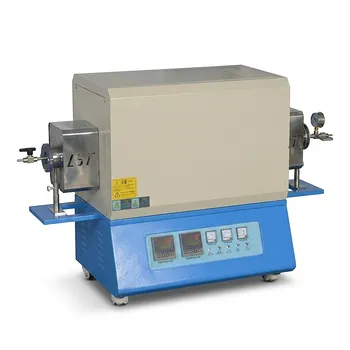
High Temperature Dual Zone Vacuum Tube Furnace for Material Research and CVD Processing
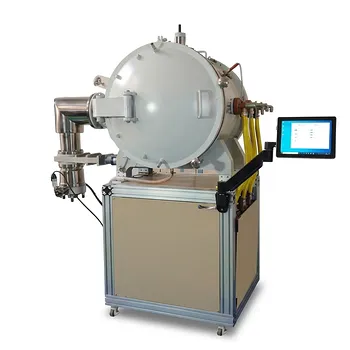
High Temperature Cold Wall Vacuum Furnace for Advanced Material Sintering and Annealing 1600C Heating Area 200x200x300mm