What types of heating systems and insulation are used in Vacuum Hot Press Furnaces? Optimize Your Thermal Processing
Updated 5 months ago
Vacuum hot press furnaces primarily utilize indirect resistance heating with graphite or refractory metal elements, supported by multi-layered insulation systems like graphite felt or metallic radiation shields. These systems are engineered to withstand extreme temperatures ranging from 1,000°C to 2,400°C while operating under high-vacuum conditions and intense uniaxial mechanical pressure.
Core Takeaway: The design of a vacuum hot press "hot zone" is a strategic choice between material purity and thermal efficiency. By aligning heating element materials with specific insulation types, operators can achieve the precise thermal stability required for the diffusion and densification of advanced materials.
Advanced Heating Systems in Vacuum Environments
Indirect Resistance Heating
Most vacuum hot press furnaces rely on indirect resistance heating, where electrical current passes through resistive elements to generate heat. These elements are typically shaped as tubes or rods to ensure uniform heat distribution across the workpiece being pressed.
Refractory Metal and Graphite Elements
Graphite is the most common material for heating elements due to its strength at high temperatures and cost-effectiveness. For applications requiring ultra-high purity or temperatures exceeding 2,200°C, refractory metals like molybdenum or tungsten are used to prevent carbon contamination.
Precision Power Management
To maintain tight thermal control, these elements are powered by low-voltage, high-current power supplies. This configuration allows for rapid adjustment of heating rates, which is critical for managing thermal gradients and preventing internal stresses during the sintering process.
Insulation Strategies for Thermal Retention
Graphite Felt and Fiber Composites
In many industrial applications, the hot zone is surrounded by graphite felt or carbon fiber composites (CFC). These materials provide exceptional thermal resistance and are relatively easy to repair or replace, making them ideal for high-throughput environments.
Metallic Radiation Shields
For high-vacuum, high-purity processes where carbon dust or outgassing must be avoided, molybdenum or tungsten radiation shields are utilized. These multi-layer shields reflect radiant heat back toward the center of the furnace, protecting the water-cooled outer walls.
Protection of the Pressure System
The insulation must be designed to accommodate the uniaxial press rams that apply 10 to 100 MPa of pressure. Specialized seals and thermal breaks are integrated into the insulation layers to ensure that mechanical force can be applied without compromising the vacuum or thermal integrity.
Understanding the Trade-offs
Purity vs. Cost Efficiency
Graphite-based systems offer the best value and durability for most sintering tasks but can introduce carbon into sensitive alloys. Conversely, metallic "all-metal" hot zones provide superior purity but involve significantly higher capital costs and are more susceptible to damage from thermal cycling.
Maintenance and Repair Complexity
Graphite felt insulation is easier to patch and maintain in the field, whereas metallic shields are prone to warping and embrittlement over time. If a metallic shield fails, it often requires a full replacement of the shield pack rather than a simple localized repair.
Atmospheric Interference
While vacuum environments minimize contamination, the choice of insulation affects the ultimate vacuum level achievable. Porous graphite insulation can trap moisture and gases, requiring longer "pump-down" times compared to the non-porous surfaces of metallic radiation shields.
Selecting the Right Configuration for Your Project
How to Apply This to Your Project
Choosing the correct furnace architecture depends on your specific material requirements and production goals.
- If your primary focus is cost-effective sintering of ceramics or standard alloys: Utilize graphite heating elements combined with graphite felt insulation to maximize durability and minimize operational costs.
- If your primary focus is medical or aerospace-grade purity: Select a furnace with molybdenum or tungsten elements and multi-layer metallic radiation shields to eliminate the risk of carbon contamination.
- If your primary focus is extreme temperature processing (above 2,200°C): Prioritize tungsten heating elements and specialized refractory insulation capable of maintaining structural integrity at the furnace's upper limits.
Ultimately, the synergy between heating and insulation ensures that mechanical pressure and thermal energy work in tandem to produce fully dense, high-performance materials.
Summary Table:
| Component Type | Materials Used | Key Advantages | Best Application |
|---|---|---|---|
| Heating Elements | Graphite, Molybdenum, Tungsten | High stability, uniform heat distribution | Material densification & sintering |
| Soft Insulation | Graphite Felt, CFC Composites | Cost-effective, high durability, easy repair | Industrial ceramics & standard alloys |
| Hard Insulation | Metallic Radiation Shields | Ultra-high purity, zero carbon contamination | Aerospace & medical-grade materials |
| Pressure Seals | Specialized Thermal Breaks | Protects uniaxial press rams under load | High-pressure thermal processing |
Transform Your Material R&D with THERMUNITS
As a premier manufacturer of high-temperature laboratory equipment for material science and industrial R&D, THERMUNITS offers a comprehensive range of thermal processing solutions. Whether you need advanced Vacuum Hot Press furnaces, Muffle, Atmosphere, Tube, or Rotary furnaces, or specialized CVD/PECVD systems, our equipment is engineered for precision and durability.
From dental furnaces and electric rotary kilns to vacuum induction melting furnaces (VIM) and thermal elements, we provide the expertise to optimize your heat treatment processes. Contact our specialists today to discuss your specific requirements and discover how our high-performance thermal solutions can drive your project success!
Mentioned Products
- High Pressure 600T Vacuum Induction Hot Press Furnace for Advanced Material Heat Treatment and Sintering
- High Temperature Vacuum Lamination Hot Press Furnace Machine for Semiconductor Wafer Bonding and Advanced Composite Thermal Processing
- Industrial Vacuum Hot Press Furnace Machine and High Temperature Heated Vacuum Press for Advanced Material Sintering
- Industrial High Temperature Vacuum Hot Press Furnace and Heated Vacuum Press Machine for Material Science Sintering
- Ultrafast Thermal Pressing Furnace 2900C Max Temperature 200K per Second Heating Rate Vacuum Atmosphere Rapid Processing System
People Also Ask
- What is a Vacuum Hot Press Furnace and what are its primary industrial applications? Achieve Maximum Material Density
- What are the structural features of the furnace body and chamber in a Vacuum Hot Press Furnace? Master Material Density
- Why is graphite the preferred material for dies and heating elements in Vacuum Hot Press Furnaces? High-Temp Solutions
- What are the primary operational components and mechanisms of a vacuum hot press furnace? A Technical Breakdown
- How do vacuum, heat, and pressure work together in a Vacuum Hot Press Furnace? Achieving Near-Theoretical Density

Tech Team · ThermUnits
Last updated on Apr 14, 2026
Related Products
High Pressure 600T Vacuum Induction Hot Press Furnace for Advanced Material Heat Treatment and Sintering
High Temperature Vacuum Lamination Hot Press Furnace Machine for Semiconductor Wafer Bonding and Advanced Composite Thermal Processing
Industrial Vacuum Hot Press Furnace Machine and High Temperature Heated Vacuum Press for Advanced Material Sintering
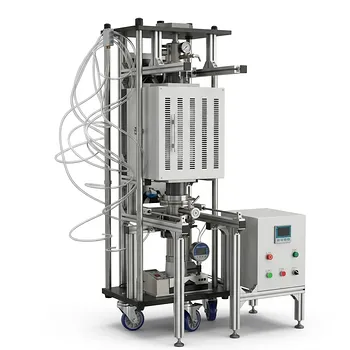
Industrial High Temperature Vacuum Hot Press Furnace and Heated Vacuum Press Machine for Material Science Sintering
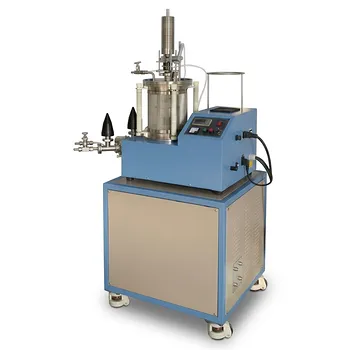
Ultrafast Thermal Pressing Furnace 2900C Max Temperature 200K per Second Heating Rate Vacuum Atmosphere Rapid Processing System
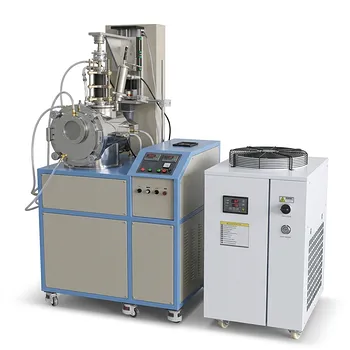
High Temperature Ultrafast Heating Pressing Furnace 2900C Max 100kgf Rapid Thermal Processing System
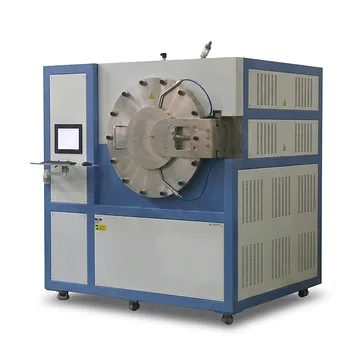
High Vacuum Pressure Chamber Furnace 800C 3.5 Bar Sintering System for Superconducting Materials
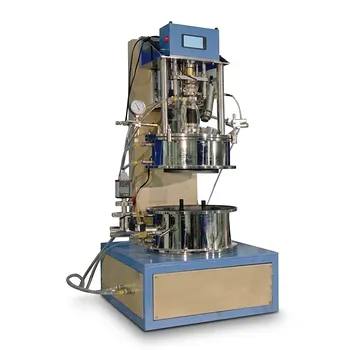
2500C High Vacuum Ultrafast Heating Pellet Press with Automated 8 Sample Loading System
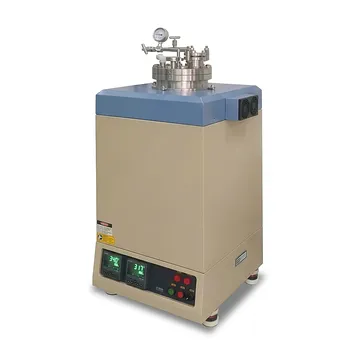
High Temperature 1000C Vacuum Furnace with 8 Inch ID Chamber for Material Sintering and Research Annealing
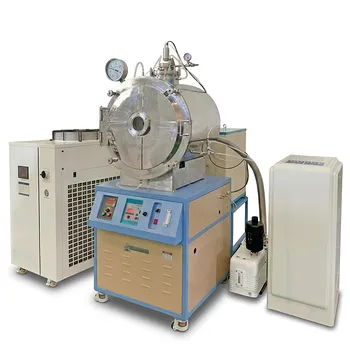
Ultra High Temperature Induction Heated Vacuum Furnace with Molten Salt Electrolysis Capability and 3000 Degree Precision Control
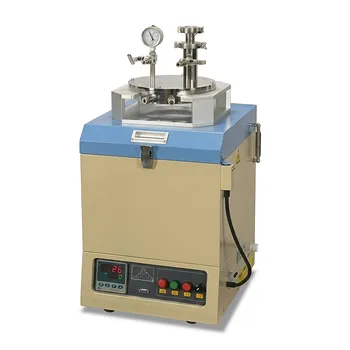
Vertical Vacuum Furnace 1100C High Temperature 8 Inch Quartz Chamber Water Cold Flange System
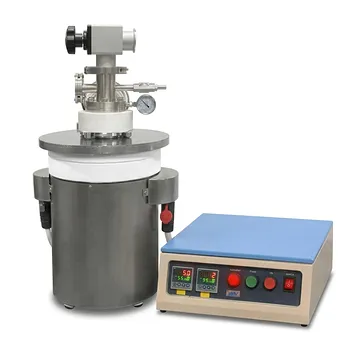
1100C High Temperature Vacuum Crucible Furnace with Quartz Chamber for Thermal Processing and Sintering
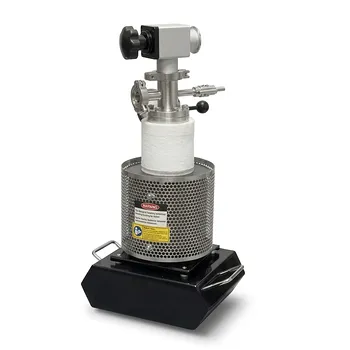
High Temperature 1100C Compact Top Loading Vertical Vacuum Tube Furnace for High Vacuum Noble Metal Melting and Material Research
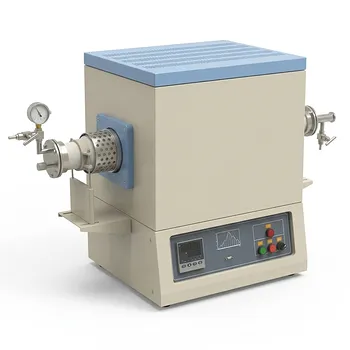
1750°C High Temperature Benchtop Vacuum Atmosphere Tube Furnace with Kanthal Super 1800 Heating Elements and 60mm Alumina Processing Tube

1800C High Temperature Compact Vacuum Tube Furnace with 60mm OD Alumina Tube and Kanthal MoSi2 Heating Elements

High Temperature 1700C Tube Furnace with High Vacuum Turbomolecular Pump System and Multi Channel Mass Flow Controller Gas Mixer
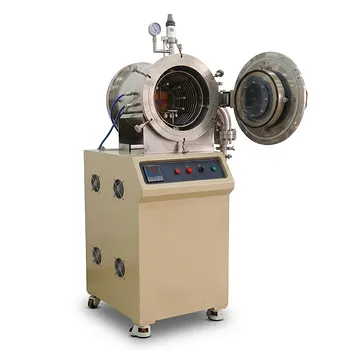
High Temperature Cold Wall High Vacuum Chamber Furnace 1400C for Advanced Material Processing
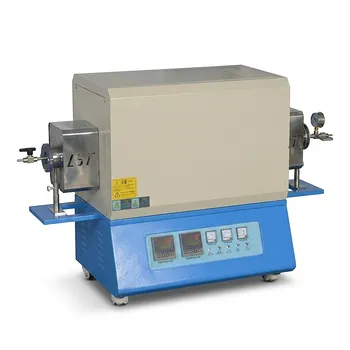
High Temperature Dual Zone Vacuum Tube Furnace for Material Research and CVD Processing
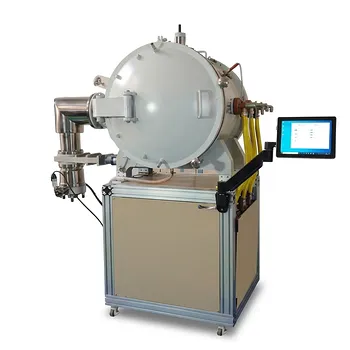
High Temperature Cold Wall Vacuum Furnace for Advanced Material Sintering and Annealing 1600C Heating Area 200x200x300mm