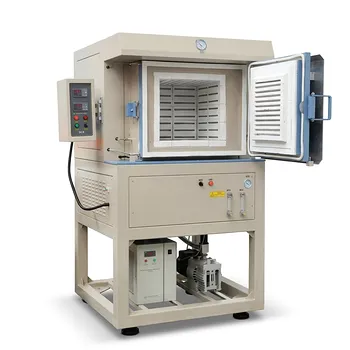
What is the function of a Box Resistance Furnace in the pre-pyrolysis stage? Enhance Biochar Fertilizer Purity
Updated 3 months ago
The Box Resistance Furnace serves as a high-precision thermal cleaning chamber during the pre-pyrolysis stage of phosphorus fertilizer production. It provides a strictly controlled environment—typically maintained between 100°C and 300°C—to facilitate the removal of organic impurities from raw cattle bones. This essential step ensures the raw material is purified into clean inorganic minerals before undergoing high-temperature carbonization.
Core Takeaway: In the context of biochar-based phosphorus fertilizer, the Box Resistance Furnace functions as a preparatory tool that eliminates soft tissue, grease, and blood through low-temperature thermal treatment, establishing a clean mineral foundation for the subsequent pyrolysis process.
The Role of Low-Temperature Thermal Purification
Removing Organic Impurities
The primary function of the furnace at this stage is the thorough elimination of non-mineral components.
Cattle bones contain significant amounts of soft tissue, grease, and blood that can interfere with the quality of the final fertilizer.
By maintaining a stable temperature range of 100°C to 300°C, the furnace induces the thermal decomposition of these organic materials without compromising the integrity of the bone's phosphorus-rich mineral structure.
Preparing Inorganic Raw Materials
Pre-pyrolysis transforms raw biological waste into a standardized industrial feedstock.
The furnace ensures that the resulting material is a clean inorganic mineral, which is vital for the chemical consistency of the final biochar-based fertilizer.
This purification process prevents the formation of unwanted organic by-products during the later, more intense heating stages.
Precision Control in the Pre-Pyrolysis Environment
Temperature Stability and Distribution
The Box Resistance Furnace, often referred to as a muffle furnace, is valued for its ability to maintain a highly uniform temperature profile.
Precise control is critical because exceeding the 300°C threshold prematurely could trigger the uncontrolled degradation of the bone's mineral matrix.
The programmable nature of modern furnaces allows for specific heating rates, ensuring that volatile organic compounds are released gradually and completely.
Transitioning to High-Temperature Pyrolysis
Once the pre-pyrolysis stage is complete, the furnace or subsequent equipment can be adjusted for slow pyrolysis.
In the main pyrolysis phase, temperatures often rise to between 300°C and 700°C to develop the material's pore structure and surface functional groups.
The success of this secondary phase—which determines the fertilizer's ability to hold nutrients and support microbial life—depends entirely on the cleanliness of the material produced during the pre-pyrolysis stage.
Understanding the Trade-offs and Pitfalls
The Risk of Incomplete Pre-Treatment
If the pre-pyrolysis temperature is too low or the duration too short, residual grease and proteins may remain.
These impurities can lead to the formation of excessive tar or toxic volatile compounds during high-temperature carbonization, which may coat the phosphorus minerals and reduce their bioavailability.
Energy Consumption vs. Material Purity
While a Box Resistance Furnace provides superior control, it is often a batch-process tool that requires significant energy to maintain stable heat.
Alternative methods might be faster, but they rarely offer the oxidative/thermal precision required to strip away soft tissues while perfectly preserving the inorganic phosphorus skeleton.
How to Apply This to Your Production Process
Selecting the Right Parameters for Your Goal
- If your primary focus is Maximum Phosphorus Purity: Prioritize a longer residence time at the lower end of the pre-pyrolysis spectrum (150°C-200°C) to ensure deep removal of marrow and grease.
- If your primary focus is Biochar Pore Development: Ensure that the pre-pyrolysis stage is followed by a rapid transition to an oxygen-limited environment at temperatures above 400°C to maximize surface area.
- If your primary focus is Reducing Tar Formation: Use a strictly controlled heating rate (e.g., 10°C/min) during the furnace cycle to facilitate a steady release of volatile organic components.
A properly executed pre-pyrolysis stage within a Box Resistance Furnace is the fundamental prerequisite for producing high-quality, mineral-rich biochar fertilizers.
Summary Table:
| Stage | Temperature Range | Primary Function | Key Benefit |
|---|---|---|---|
| Pre-Pyrolysis | 100°C - 300°C | Thermal cleaning & organic removal | Clean inorganic mineral foundation |
| Pyrolysis | 300°C - 700°C | Carbonization & pore development | High nutrient bioavailability |
| Equipment Used | Box/Muffle Furnace | Uniform heating & precision control | Reduced tar and consistent feedstock |
Elevate Your Material Research with THERMUNITS
Maximize the precision of your biochar-based fertilizer production with THERMUNITS, a leading manufacturer of high-temperature laboratory equipment. Our advanced Box Resistance (Muffle) Furnaces and Rotary Kilns are engineered to provide the stable thermal environments necessary for effective pre-pyrolysis and impurity removal.
Whether you are conducting industrial R&D or advanced material science, our comprehensive range of thermal solutions—including Vacuum, Atmosphere, Tube, and Hot Press furnaces, CVD/PECVD systems, and VIM furnaces—ensures your heat treatment processes meet the highest standards of purity and efficiency.
Ready to optimize your thermal processing?
Contact our expert team today to discuss your specific requirements and discover how THERMUNITS can support your production goals.
References
- Gustavo Franco de Castro, Jairo Tronto. Bone char: characterization and agronomic application as an alternative source of phosphorus. DOI: 10.36783/18069657rbcs20230165
Mentioned Products
- 1400C Bottom Loaded Inert Gas Atmosphere Box Furnace with 125L Capacity and Precision Hydraulic Lift
- 1250 C Compact Vertical Box Furnace for Glovebox Material Research Air Sensitive Samples
- High Throughput Four Channel Box Furnace 1500C Max Independent Temperature Control Material Research Sintering System
- 1200C Hydrogen Atmosphere Box Furnace with 5 Heated Sides and 64L Chamber
- Bottom Loaded Inert Gas Atmosphere Box Furnace 1400C Maximum Temperature 125L High Capacity Laboratory Heat Treatment System
People Also Ask
- How does a box atmosphere furnace contribute to the pre-oxidation of MS-SOECs? Enhance Durability & Efficiency.
- How does a programmable Box Furnace facilitate the curing of silver inks? Expert Thermal Control for Silicon Substrates
- How does a box furnace facilitate the conversion of precursors in catalyst impregnation processes? Master Calcination
- How are electric heating elements designed to operate within carburizing atmospheres? Top Design Strategies Revealed
- What types of sealing systems are employed in atmosphere furnaces to ensure atmosphere integrity? Top Sealing Solutions

Tech Team · ThermUnits
Last updated on Jun 02, 2026
Related Products
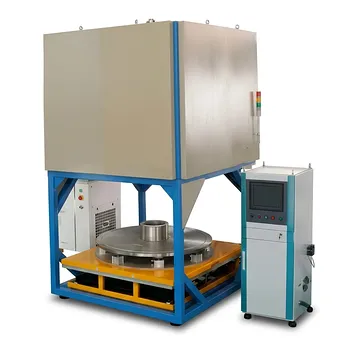
1400C Bottom Loaded Inert Gas Atmosphere Box Furnace with 125L Capacity and Precision Hydraulic Lift
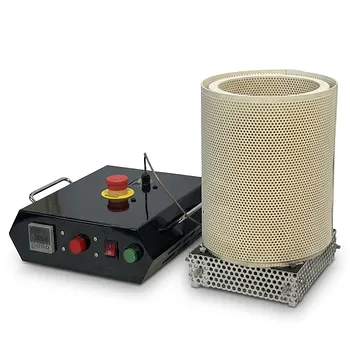
1250 C Compact Vertical Box Furnace for Glovebox Material Research Air Sensitive Samples
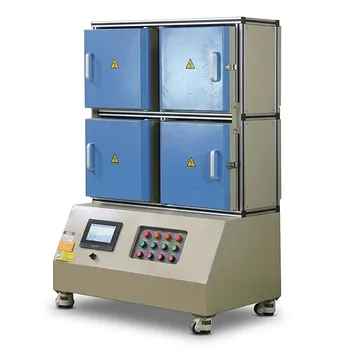
High Throughput Four Channel Box Furnace 1500C Max Independent Temperature Control Material Research Sintering System
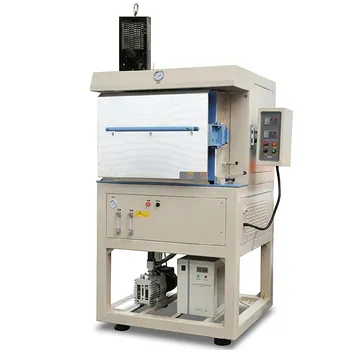
1200C Hydrogen Atmosphere Box Furnace with 5 Heated Sides and 64L Chamber
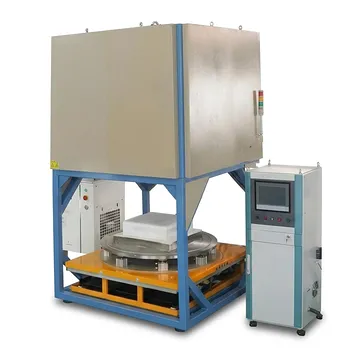
Bottom Loaded Inert Gas Atmosphere Box Furnace 1400C Maximum Temperature 125L High Capacity Laboratory Heat Treatment System
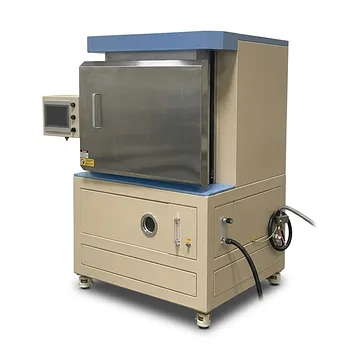
1650C High Temperature Atmosphere Controlled Box Furnace with 65L Chamber for Advanced Material Sintering and Industrial Heat Treatment
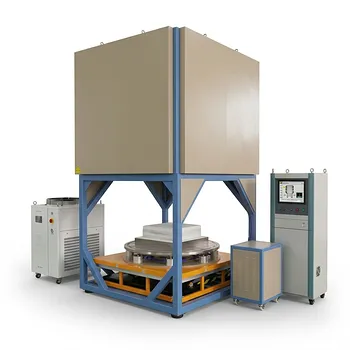
Bottom Loaded Inert Gas Atmosphere Box Furnace 1700C 1300C 216L Large Capacity Industrial Thermal Processing System
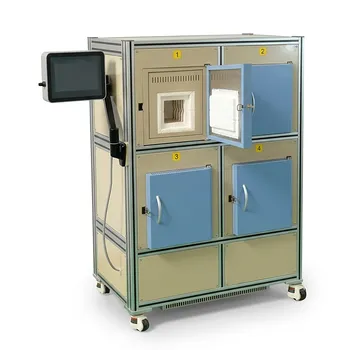
High Temperature Four Chamber Box Furnace for High Throughput Materials Research and Space Saving Thermal Processing
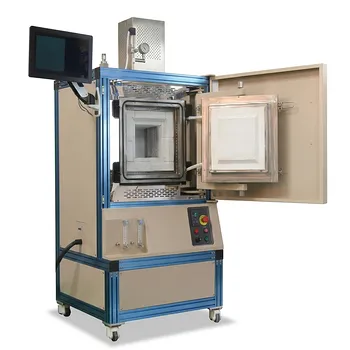
High Temperature Hydrogen Atmosphere Box Furnace 1650C Max Reducing Environment Material Synthesis System 8x8x8 Chamber
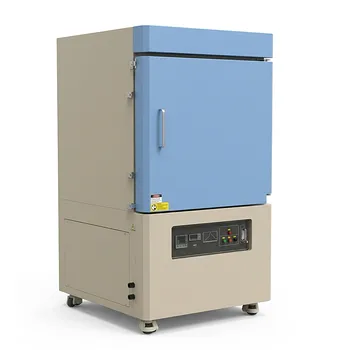
Industrial Large Box Furnace 1700C 216L High Temp Muffle Sintering System
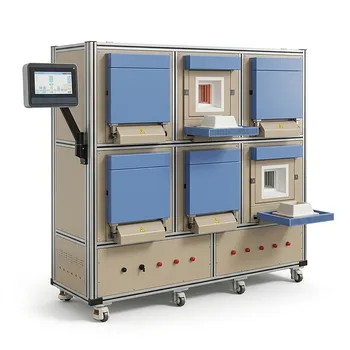
High Temperature 1700℃ Eight Chamber Box Furnace with Automatic Doors for Autonomous Material Research and High Throughput Heat Treatment
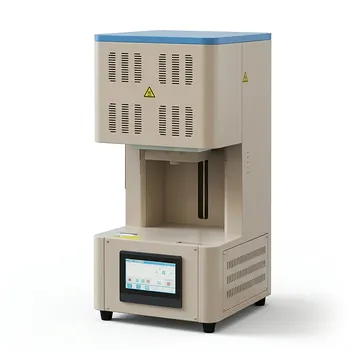
Automated 1700C High Temperature Bottom Loading Box Furnace with PC Software Control and Robotic Integration Capability
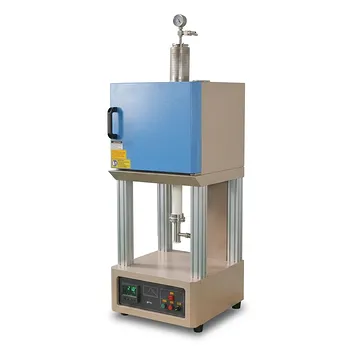
Hybrid High Temperature Tube and Box Furnace 1700C with 2 Inch Alumina Tube for Material Research
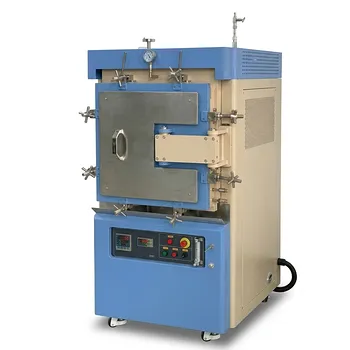
High Temperature Economic Hydrogen Gas Box Furnace 1600C Atmosphere Controlled Thermal Processing System 65L Capacity
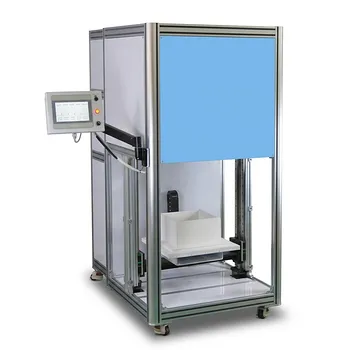
High Temperature 1600°C Three Zone Heated Bottom Loading Box Furnace with Rapid Thermal Processing Chamber 72L Volume
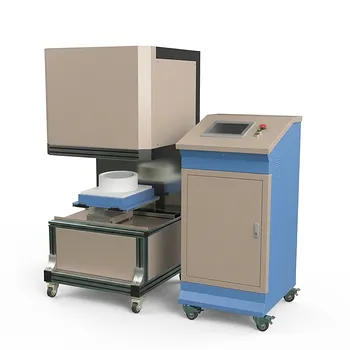
High Temperature Bottom Loading Box Furnace for Rapid Thermal Processing 1700C 40L Capacity
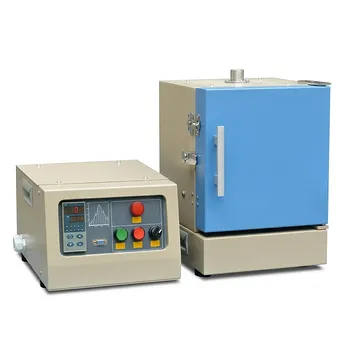
1200C Small Box Muffle Furnace with Separated Programmable Controller and 4.2L Alumina Fiber Chamber
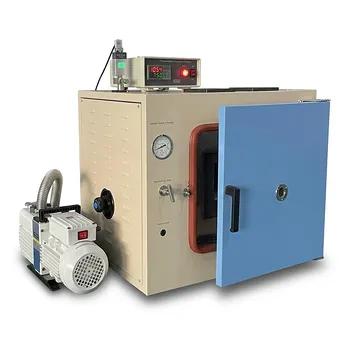
Compact High Vacuum Box Furnace 1050C Max 6.2L Ceramic Chamber Stainless Steel Shell Programmable Temperature Controller for Material Science Research
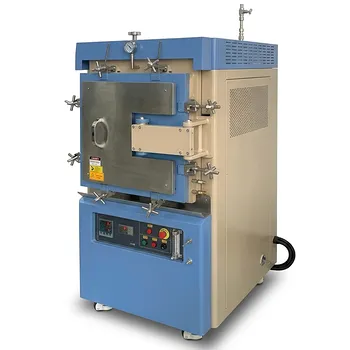
Atmosphere Controlled Muffle Furnace 1700C Maximum Temperature 80L High Capacity Vacuum Inert Gas Box Furnace