What's the Oven's Role in Apricot Kernel Activated Carbon Prep? Dehydration & Quality Control Tips
Updated 3 months ago
In the production of apricot kernel-based activated carbon, a high-temperature laboratory oven is used to eliminate moisture from the raw precursor through controlled dehydration. Typically operated at approximately 110°C, the oven transforms washed kernels into a stable, bone-dry state that is physically suitable for grinding and prevents structural failure during subsequent high-heat carbonization.
The Core Takeaway: The laboratory oven is a critical safety and quality gatekeeper; by removing free moisture, it ensures the material can be ground to a precise size and prevents internal steam pressure from compromising the pore structure during final thermal processing.
Optimizing Physical Processing through Dehydration
Achieving Grinding and Sieving Precision
Removing moisture is the first step in converting a soft, wet kernel into a brittle medium ready for mechanical reduction. Dry apricot kernels respond more predictably to grinding forces, allowing for the uniform particle sizes required for high-quality activated carbon.
Preventing Material Degradation
Raw kernels contain moisture that can lead to biological or chemical degradation if left unchecked. A laboratory oven provides a stable, high-temperature environment that halts these processes, preserving the chemical integrity of the precursor before it enters the furnace.
Enhancing Material Flow and Handling
Moist materials tend to clump and clog sieves, leading to inconsistent batch results and equipment maintenance issues. Achieving a constant weight through oven-drying ensures that the raw material flows easily through industrial processing equipment.
Safeguarding the Carbonization Phase
Mitigating Internal Vapor Pressure
When kernels are subjected to the extreme heat of carbonization, any residual internal moisture turns instantly into steam. This rapid expansion can cause the material to rupture or explode on a microscopic level, destroying the desired pore architecture.
Protecting Pore Size Distribution
Control over the laboratory oven allows for a "clean" starting point for activation, where the pore structure is formed primarily by the activating agent rather than uncontrolled water vapor. This leads to more accurate adsorption capacity measurements and higher structural stability in the final product.
Ensuring Analytical Accuracy
A laboratory oven allows researchers to reach a "constant weight," which is the benchmark for all subsequent calculations. Without this dry baseline, any measurements regarding yield, chemical ratios, or adsorption density would be fundamentally flawed due to variable water weight.
Understanding the Trade-offs and Constraints
The Risk of Volatile Loss
If the oven temperature significantly exceeds 110°C during the preparation phase, there is a risk of driving off volatile organic compounds prematurely. These compounds are often necessary for the development of high-surface-area pores during the later activation stages.
The Pitfall of Incomplete Dehydration
Using lower temperatures (such as 60°C) may be necessary for acid-treated precursors, but it requires significantly longer processing times. If a material is not dried to a constant weight, residual moisture can cause "hot spots" in the carbonization furnace, leading to non-uniform batches of activated carbon.
Making the Right Choice for Your Goal
How to Apply This to Your Project
Effective use of a laboratory oven depends on your specific goals for the final activated carbon product. Use the following guidelines to calibrate your preparation phase:
- If your primary focus is mechanical uniformity: Target a constant drying temperature of 110°C until the kernel becomes brittle enough for high-speed grinding and precise sieving.
- If your primary focus is specific pore architecture: Ensure the material reaches a constant weight to prevent internal steam pressure from causing uncontrolled macropore formation during carbonization.
- If your primary focus is chemical activation precision: Use the oven to stabilize the precursor after acid washing, ensuring that moisture does not dilute the activating agents or skew your mass-balance calculations.
Properly managing the dehydration of apricot kernels is the essential foundation for producing high-performance activated carbon with predictable adsorption characteristics.
Summary Table:
| Preparation Stage | Laboratory Oven Function | Recommended Condition | Key Benefit |
|---|---|---|---|
| Dehydration | Eliminates free moisture | ~110°C | Prevents steam-induced pore rupture |
| Mechanical Prep | Increases material brittleness | Constant Weight | Enables uniform grinding & sieving |
| Analytical Prep | Stabilizes precursor mass | Dry Baseline | Ensures accurate yield & chemical ratios |
| Storage | Halts biological degradation | High Heat | Preserves chemical integrity of raw kernel |
Optimize Your Material Synthesis with THERMUNITS
High-performance activated carbon starts with precise thermal preparation. As a leading manufacturer of high-temperature laboratory equipment, THERMUNITS empowers material science and industrial R&D teams with the tools needed for exacting heat treatments.
From preliminary dehydration in our high-stability ovens to complex carbonization in our advanced furnace systems, we offer a comprehensive range of solutions including:
- Muffle, Vacuum, and Atmosphere Furnaces for controlled environments.
- Tube and Rotary Furnaces for continuous or specialized processing.
- CVD/PECVD Systems for advanced thin-film research.
- Vacuum Induction Melting (VIM) and Electric Rotary Kilns for industrial-scale R&D.
Ensure your research achieves maximum pore surface area and structural integrity. Contact our technical experts today to find the ideal thermal processing solution for your laboratory.
References
- Asma Mokhati, Adrián Bonilla‐Petriciolet. Insights into nitrobenzene adsorption mechanism on apricot stone activated carbon: A study via statistical physics models and thermodynamic analysis. DOI: 10.1016/j.colsurfa.2024.133864
Mentioned Products
- Multi Position Tube Furnace 1100C for Laboratory Material Research and Advanced Industrial Thermal Processing
- Vertical Crucible Furnace 1000C High Temperature Laboratory Equipment 4.7 Inch Diameter Chamber SS316 Anti Corrosive Enclosure
- High Temperature Benchtop Muffle Furnace 1500C with 3.6L Chamber and Quartz Observation Window
- 1750C Compact Muffle Furnace 1.7L Ultra High Temperature Laboratory Sintering System for Advanced Ceramics and Material Science Research
- 1750C Bench Top Muffle Furnace 3.6L High Grade Molybdenum Disilicide Heating Elements Laboratory Heat Treatment Equipment
People Also Ask
- Why use a tube furnace for oxygen annealing LaCrO3/LaMnO3? Optimize Phase Transition & Magnetic Performance.
- What key role does a laboratory high-temperature tube furnace play in the production of carbon nanofibers? Guide
- How is a laboratory high-temperature tube furnace utilized to research the products of aluminothermic reduction? Advanced Metallurgical Solutions
- What is the role of a laboratory tube furnace in the carbonization process of porous carbon foam (PCF)? Master 3D Synthesis
- What role does a laboratory tube furnace play in the pyrolysis and carbonization of biomass? Optimize Thermal Research.

Tech Team · ThermUnits
Last updated on Jun 03, 2026
Related Products
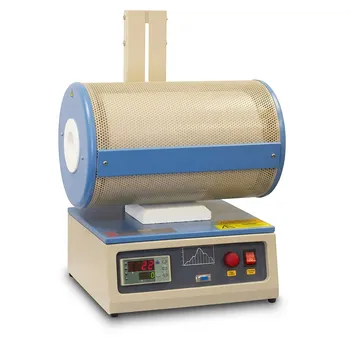
Multi Position Tube Furnace 1100C for Laboratory Material Research and Advanced Industrial Thermal Processing
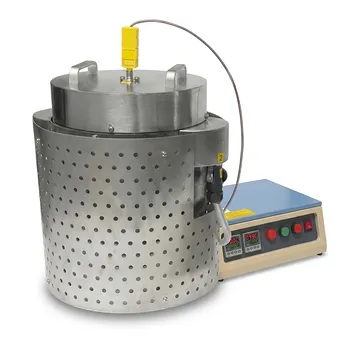
Vertical Crucible Furnace 1000C High Temperature Laboratory Equipment 4.7 Inch Diameter Chamber SS316 Anti Corrosive Enclosure
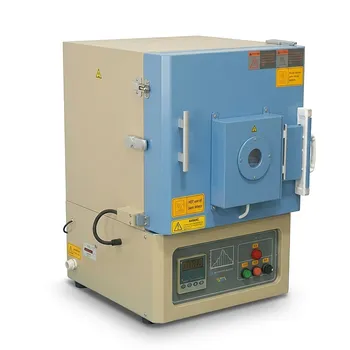
High Temperature Benchtop Muffle Furnace 1500C with 3.6L Chamber and Quartz Observation Window
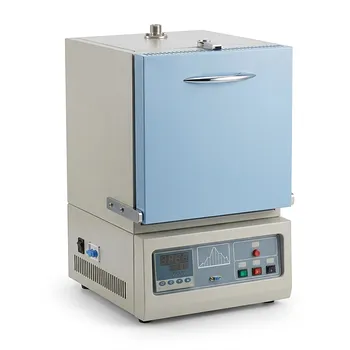
1750C Compact Muffle Furnace 1.7L Ultra High Temperature Laboratory Sintering System for Advanced Ceramics and Material Science Research
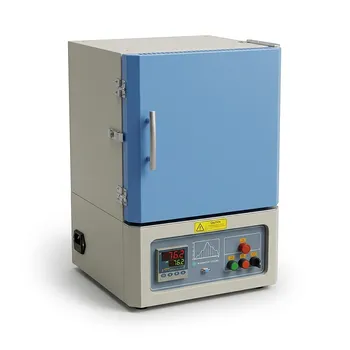
1750C Bench Top Muffle Furnace 3.6L High Grade Molybdenum Disilicide Heating Elements Laboratory Heat Treatment Equipment
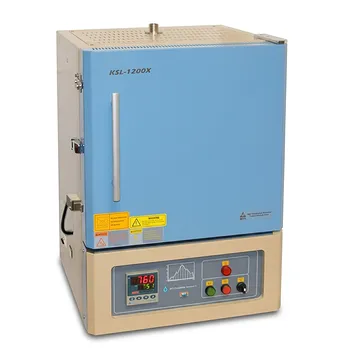
High Temperature 1200C Muffle Furnace 27L Volume 12x12x12 Chamber with Programmable PID Controller for Laboratory Material Science
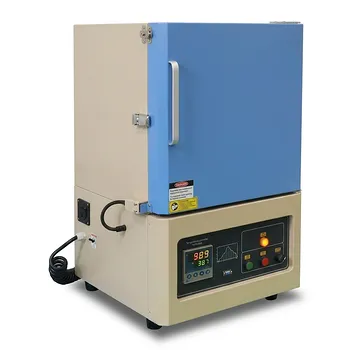
1200°C High Temperature Muffle Furnace 19L Chamber with 50 Segment Programmable Controller
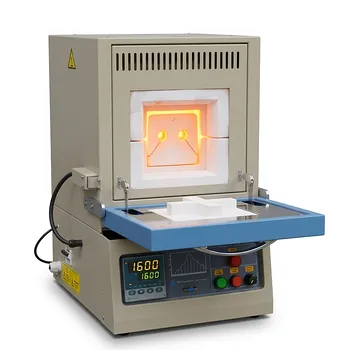
High Temperature Compact Muffle Furnace 1700 C with 30 Segment Programmable Controller and 1.7L Cubic Chamber
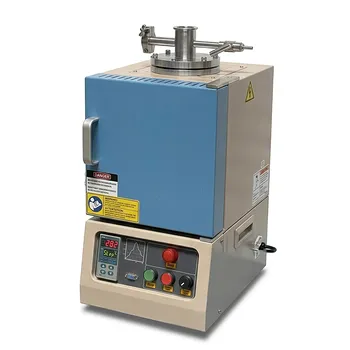
High Temperature Hybrid Muffle and Tube Furnace with Vacuum Capability and PID Control
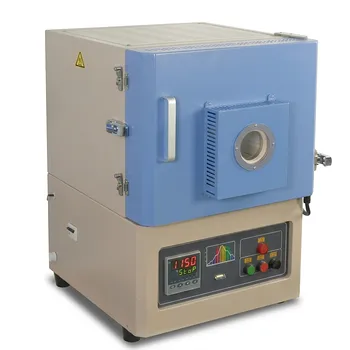
High Temperature Benchtop Muffle Furnace with Quartz Observation Window for Thermal Imaging and Material Analysis
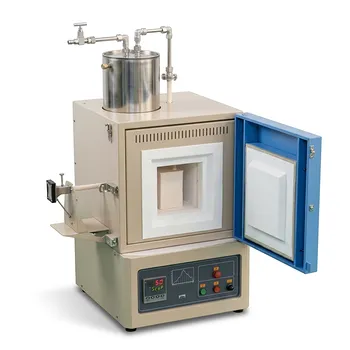
High Temperature Bench Top Muffle Furnace 1700C with Integrated Evaporating Particle Collection and 8x8x8 Alumina Fiber Chamber
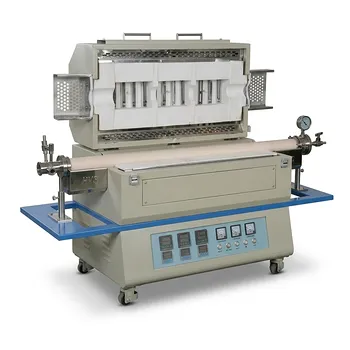
Three Temperature Zone Fast Heating Furnace 1500C Laboratory High Precision Thermal Processing System
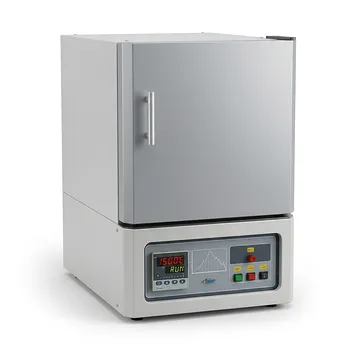
High Temperature 1500C Benchtop Muffle Furnace 3.6L Alumina Fiber Chamber Programmable Controller Sintering Annealing Carbonization Thermal Processing System
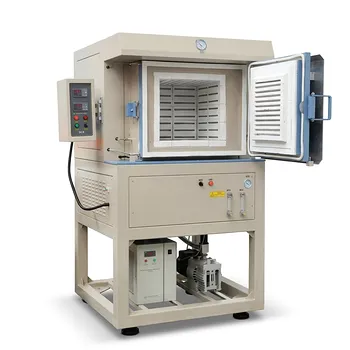
1200°C Five Side Heating Atmosphere Controlled Muffle Furnace 64 Liter High Uniformity Box Furnace for Material Synthesis
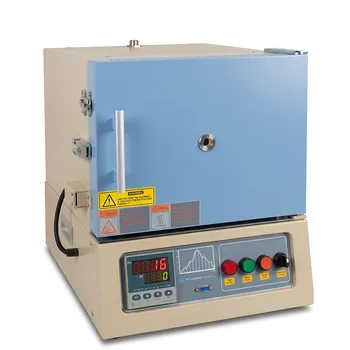
1200C Muffle Furnace 12x8x5 7.2L Heating Chamber with Quartz Observation Window and Vent Port
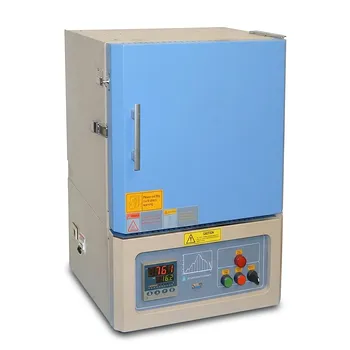
High Temperature 1700C Bench Top Muffle Furnace with Alumina Fiber Insulation and 3.6L Chamber Capacity for Precision Sintering and Heat Treatment
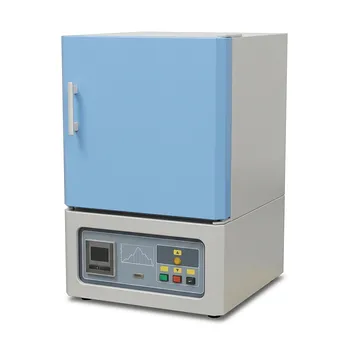
1800C Bench Top Muffle Furnace with Kanthal Super 1900 Heating Elements and 3.6L Alumina Fiber Chamber
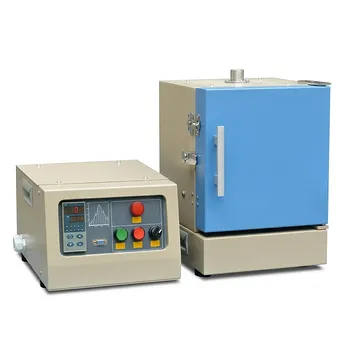
1200C Small Box Muffle Furnace with Separated Programmable Controller and 4.2L Alumina Fiber Chamber
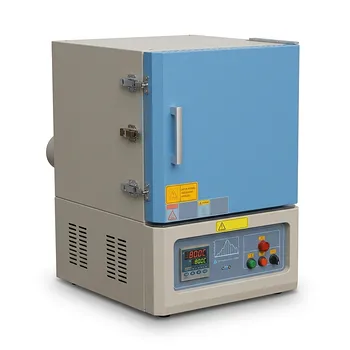
1800C Bench Top Muffle Furnace 18 Liters with Kanthal Super 1900 Heating Elements for High Purity Ceramic Sintering and Material Research