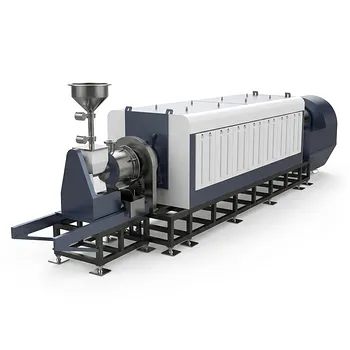
What is the function of a high-temperature tube furnace and nitrogen atmosphere? Biomass Carbonization Explained
Updated 3 months ago
A high-temperature tube furnace and nitrogen atmosphere work in tandem to transform raw biomass into stable carbon materials. The furnace provides the controlled thermal energy required for pyrolysis, while the nitrogen creates an inert, oxygen-free environment that prevents the material from burning. Together, they facilitate the removal of non-carbon components to develop the material's internal pore structure and chemical composition.
Core Takeaway: This setup enables the controlled thermal decomposition (pyrolysis) of biomass without oxidative loss. It is the fundamental requirement for converting organic precursors into functional carbon materials with specific porosities, graphitization levels, and retained heteroatoms.
The Role of the High-Temperature Tube Furnace
Precise Thermal Field Control
The primary function of the tube furnace is to provide a uniform and controlled thermal field. This precision is critical because the heating rate and final temperature (ranging from 400°C to 1600°C) directly determine the degree of carbonization and the resulting material properties.
Facilitating Pyrolysis and Devolatilization
By heating biomass precursors in a sealed environment, the furnace drives thermal degradation. This process removes non-carbon components—such as hydrogen and oxygen—through dehydration and degassing, effectively increasing the elemental carbon content.
Structural Evolution and Graphitization
The furnace acts as the engine for carbon skeleton reorganization. High temperatures guide the formation of disordered graphene layers and determine the "graphitization degree," which influences the electrical conductivity and density of storage sites in the final carbon product.
The Function of the Nitrogen ($N_2$) Atmosphere
Prevention of Oxidative Loss
Without an inert gas, biomass precursors would undergo aerobic combustion (burning to ash) at high temperatures. High-purity nitrogen displaces oxygen, ensuring the material undergoes pyrolysis rather than incineration, which preserves the carbon mass.
Preservation of Functional Heteroatoms
A nitrogen atmosphere is essential for retaining organic elements like nitrogen or phosphorus within the carbon matrix. This is particularly important when creating "doped" carbons, where these heteroatoms provide specific chemical reactivity or improved electronic properties.
Creating a Reductive Environment
In advanced synthesis, the nitrogen shield provides an oxygen-deficient atmosphere that can facilitate thermal reduction reactions. For example, it allows for the in-situ reduction of metal ions into active nano-metal particles within a biochar matrix, which would be impossible in the presence of oxygen.
Understanding the Trade-offs and Limitations
Energy and Consumable Costs
Operating high-temperature furnaces and maintaining a continuous flow of high-purity nitrogen carries significant operational costs. Achieving temperatures above 1000°C requires specialized heating elements and high energy consumption, which must be balanced against the desired material quality.
Complexity of Gas Flow Dynamics
The flow rate of nitrogen must be precisely calibrated; too low, and oxygen may leak in; too high, and it may cause "cold spots" or uneven heating within the tube. Additionally, the gaseous byproducts of pyrolysis (volatiles) must be safely vented to prevent pressure buildup or contamination of the carbon samples.
Limits of Inerting
While nitrogen is effective for most biomass applications, it is not "strictly" inert at extremely high temperatures (above 1500°C) or with certain highly reactive precursors. In such professional niches, more expensive noble gases like Argon may be required to prevent unwanted nitriding reactions.
How to Apply Typical Settings to Your Goal
Making the Right Choice for Your Project
The specific parameters of your furnace and atmosphere should be dictated by the intended application of your carbon material.
- If your primary focus is maximizing surface area and porosity: Use moderate temperatures (500°C–700°C) and a steady nitrogen flow to preserve the preliminary pore structure for later activation.
- If your primary focus is electrical conductivity or sodium-ion storage: Utilize higher temperatures (above 1000°C) to drive deep dehydrogenation and increase the spacing between graphene layers.
- If your primary focus is heteroatom doping (e.g., N-doped carbon): Ensure a strictly sealed nitrogen environment at lower carbonization temperatures (400°C–500°C) to prevent the volatilization of nitrogen-bearing functional groups.
By mastering the balance between thermal energy and atmospheric purity, you can precisely engineer the physical and chemical identity of biomass-derived carbon.
Summary Table:
| Component | Primary Function | Key Output & Material Impact |
|---|---|---|
| Tube Furnace | Precise Thermal Control | Drives pyrolysis, devolatilization, and structural graphitization. |
| Nitrogen ($N_2$) | Inert Atmosphere | Prevents aerobic combustion (ash formation) and preserves heteroatoms. |
| Synergy | Controlled Synthesis | Enables precise engineering of porosity, conductivity, and carbon purity. |
Elevate Your Carbon Research with THERMUNITS
Precise control over thermal fields and atmospheric purity is the backbone of successful biomass material science. THERMUNITS is a leading manufacturer of high-temperature laboratory equipment, providing the advanced solutions needed for rigorous industrial R&D.
Whether you are developing high-surface-area biochar or conductive graphitic materials, our comprehensive range of thermal processing solutions—including Tube Furnaces, Atmosphere Furnaces, CVD/PECVD systems, and Vacuum Induction Melting (VIM) furnaces—offers the stability and accuracy your experiments demand.
Ready to optimize your carbonization process?
Contact our technical experts today to find the ideal equipment for your laboratory and experience the THERMUNITS advantage in material engineering.
References
- Bei Chu, Xingcheng Liu. Nitrogen-doped mesoporous activated carbon from Lentinus edodes residue: an optimized adsorbent for pharmaceuticals in aqueous solutions. DOI: 10.3389/fchem.2024.1419287
Mentioned Products
- High Temperature Dual Zone Rotating Tube Furnace 1500C Silicon Carbide Heating for Advanced Material Synthesis
- High Temperature 1700C Vertical Tube Furnace for Powder Spherification and Material Sintering
- Compact High Temperature 1600C Tube Furnace with 50mm Alumina Tube and Vacuum Flanges for Material Sintering
- Compact Vertical Split Quartz Tube Furnace with Stainless Steel Vacuum Flanges for Rapid Thermal Quenching and Controlled Atmosphere Material Processing
- 5 Inch Three Zone Rotary Tube Furnace with Integrated Gas Delivery System and 1200C Capability for Advanced Material CVD Processing
People Also Ask
- What is the function of CVD furnaces in graphene prep? Enhancing Photodetector Charge Transport
- Why use CVD and a tube furnace for Pd3P0.95/NC catalyst phosphidation? Ensure high phase purity and performance.
- CVD Tube Furnace Advantages for Pd-P Catalyst Durability: Precision Control for 40,000+ Cycles
- How does a rotary tube furnace improve the processing of granular materials? Enhance Uniformity and Reaction Kinetics
- How does a Chemical Vapor Deposition (CVD) tube furnace facilitate synchronized nitridation? Precision Nano-Engineering.

Tech Team · ThermUnits
Last updated on Jun 02, 2026
Related Products
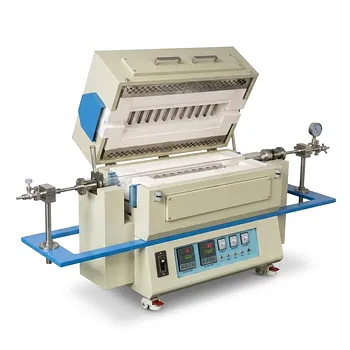
High Temperature Dual Zone Rotating Tube Furnace 1500C Silicon Carbide Heating for Advanced Material Synthesis

High Temperature 1700C Vertical Tube Furnace for Powder Spherification and Material Sintering

Compact High Temperature 1600C Tube Furnace with 50mm Alumina Tube and Vacuum Flanges for Material Sintering
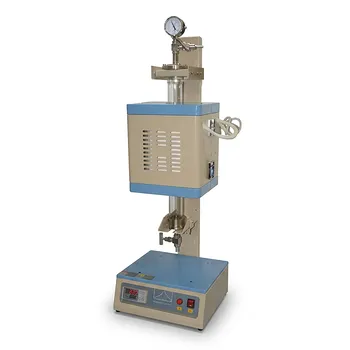
Compact Vertical Split Quartz Tube Furnace with Stainless Steel Vacuum Flanges for Rapid Thermal Quenching and Controlled Atmosphere Material Processing
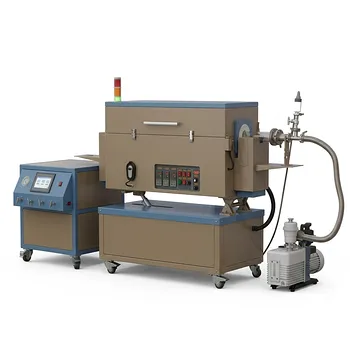
5 Inch Three Zone Rotary Tube Furnace with Integrated Gas Delivery System and 1200C Capability for Advanced Material CVD Processing
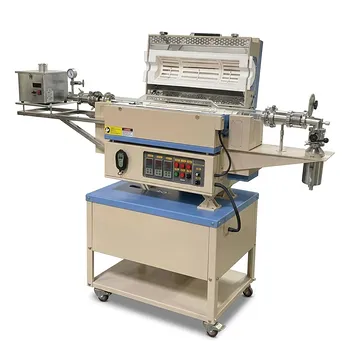
5 Inch Rotary Tube Furnace with Automatic Feeding and Receiving System 1200C Three Zone CVD Powder Processing
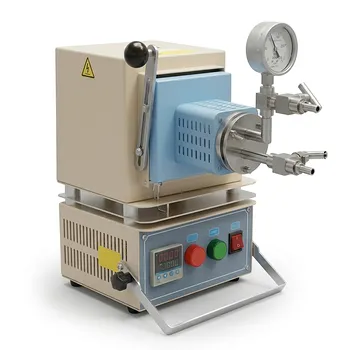
Compact Hybrid Muffle and Tube Furnace for 1000C Controlled Atmosphere Laboratory Material Sintering
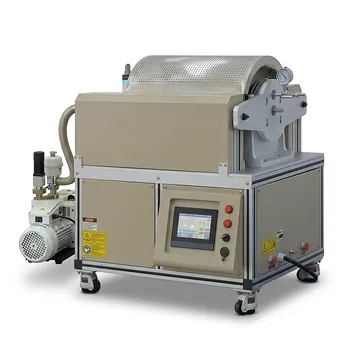
Automated 1200 C Tube Furnace for AI Material Research with 6 Inch OD and Sliding Flange
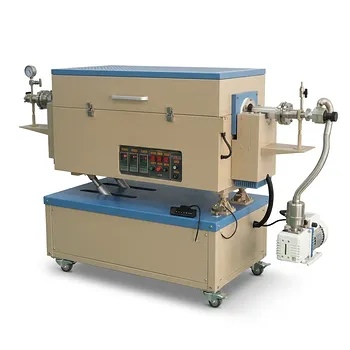
Three Zone Rotary Tube Furnace for High Temperature Powder Processing and Material Research

Vertical 1700C Vacuum and Atmosphere Tube Furnace with 80mm Alumina Tube
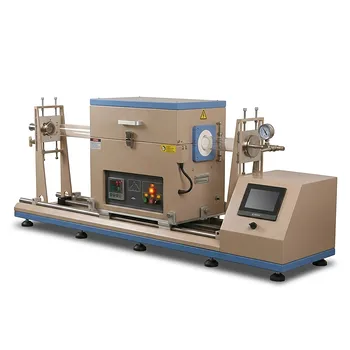
1200C Sliding Tube Furnace for Rapid Thermal Processing and CVD Graphene Growth with 100mm OD Capacity

1800C High Temperature Compact Vacuum Tube Furnace with 60mm OD Alumina Tube and Kanthal MoSi2 Heating Elements
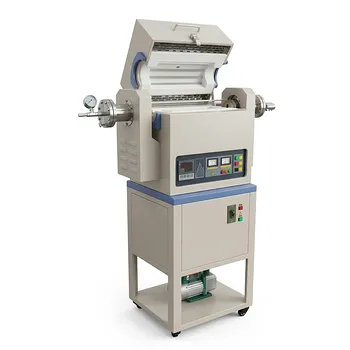
High Temperature Rotary Tilt Tubular Furnaces for Advanced Powder Sintering and Material Processing
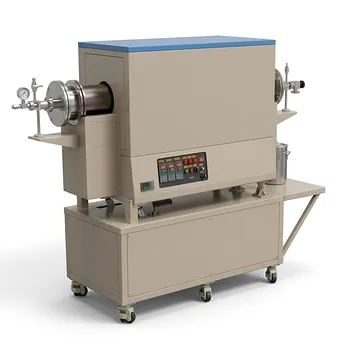
900°C Max Rotary Tube Furnace with 8 Inch 310S Alloy Tube and Optional Multi Zone Heating for Industrial Material Calcination
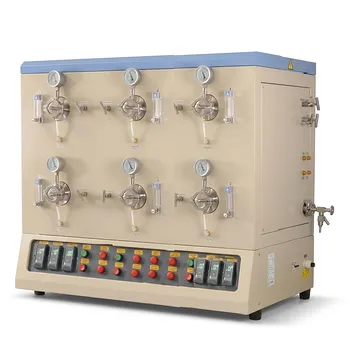
1200C High Throughput Multi Channel Tube Furnace with 50mm Quartz Tubes for Annealing and Material Phase Diagram Research
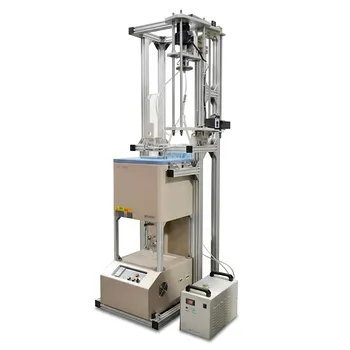
500C Vacuum Vertical Tube Furnace 84mm OD Sample Rotation Lifting System
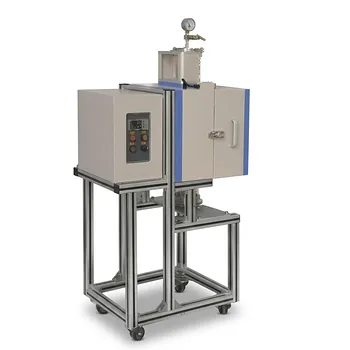
1200°C 5 Inch Vertical Quartz Tube Furnace with Stainless Steel Vacuum Flanges

High Temperature 1700C Tube Furnace with High Vacuum Turbomolecular Pump System and Multi Channel Mass Flow Controller Gas Mixer
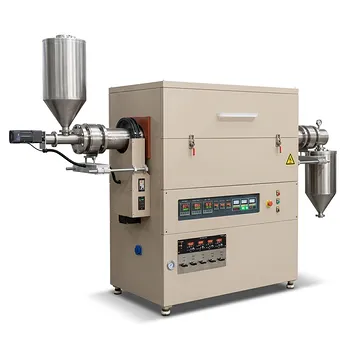
High Temperature Tilting Rotary Tube Furnace with Integrated Mass Flow Control and Multi Zone Heating