What is the function of alumina boats in the Chemical Vapor Deposition (CVD) process for MoS2? Optimize Growth & Purity
Updated 3 months ago
In the synthesis of Molybdenum Disulfide (MoS2), alumina boats serve as critical, chemically inert vessels designed to hold solid precursors like Molybdenum Trioxide (MoO3) and sulfur powder. They facilitate the controlled evaporation and transport of these materials into the vapor phase within a high-temperature tube furnace. By acting as stable carriers, they ensure that the growth environment remains free of contaminants while allowing for precise regulation of the reaction's precursor concentration.
The central function of an alumina boat is to provide a thermally stable and chemically unreactive platform for solid precursors, enabling the precise control of vapor transport and concentration necessary for uniform MoS2 crystal growth.
The Foundation of High-Purity Synthesis
Chemical Inertness at Extreme Temperatures
Alumina (Al2O3) is chosen for its exceptional chemical stability, particularly in environments reaching up to 850°C. It does not react with corrosive sulfur vapors or molybdenum precursors, ensuring that no unwanted chemical species contaminate the growing MoS2 thin film.
Resistance to Thermal Shock
During the CVD process, materials are subjected to rapid temperature changes that can cause structural failure in lesser materials. Alumina boats possess high thermal shock resistance, allowing them to maintain structural integrity and prevent cracking over multiple heating and cooling cycles.
Prevention of Impurity Leaching
High-purity alumina is essential because it prevents the release of metallic or organic impurities into the reaction zone. This stability ensures high experimental reproducibility, as the boat itself does not become a variable in the chemical reaction.
Regulating Vapor Dynamics and Transport
Precise Positioning for Temperature Control
The placement of alumina boats within the furnace's temperature gradients is a primary method for controlling the sublimation rate of precursors. By positioning a boat carrying sulfur in a cooler upstream zone and MoO3 in a hotter zone, researchers can tune the ratio of reactants in the vapor phase.
Influence of Carrier Gas Flow
The geometry of the boat allows carrier gases (such as Argon or Nitrogen) to flow over the solid powder, picking up vapors as they sublimate. This setup enables the regulation of the transport rate, moving the precursor vapors toward the substrate at a predictable and consistent speed.
Managing Precursor Concentration
The surface area of the precursor exposed within the boat directly affects the vapor pressure in the tube furnace. By choosing specific boat dimensions, operators can prevent "oversaturation" of the growth environment, which helps in achieving uniform monolayer coverage rather than bulk, multi-layer flakes.
Optimizing the Reaction Micro-environment
Creating Localized Vapor Accumulation
In some configurations, a substrate is placed face-down over an alumina boat with a small gap. This technique uses the boat to create a localized vapor environment, trapping a high concentration of reactants near the substrate surface to promote rapid and uniform deposition.
Geometry and Concentration Distribution
The specific shape and depth of the boat determine the local concentration distribution of the precursor vapors. This "micro-environment" management is a critical factor in regulating the specific morphology and edge structure of the MoS2 crystals.
Versatility as a Substrate Carrier
Beyond holding powders, alumina boats can also serve as physical supports for substrates. This ensures the substrate remains in a stable, flat position within the furnace's "sweet spot" where temperature and gas flow are most consistent.
Understanding the Trade-offs
Material Fatigue and Contamination Over Time
While alumina is highly stable, repeated use can lead to the accumulation of residual precursors or "cross-contamination" if the boat is not cleaned rigorously. Over many cycles, the material may also experience micro-fractures, eventually requiring replacement to maintain growth quality.
Porosity and Absorption
Lower-purity alumina can be slightly porous, which may lead to the absorption of precursors like sulfur. This can result in "ghosting" effects, where residual sulfur from a previous run affects the stoichiometry of a current experiment, emphasizing the need for high-density, high-purity ceramic.
Comparison with Quartz Alternatives
While quartz boats are also used, alumina offers superior resistance to alkaline or corrosive precursors that might etch quartz at high temperatures. However, quartz is often easier to clean and provides a smoother surface, making the choice between them dependent on the specific precursors used (e.g., NaCl as a growth promoter).
How to Apply This to Your Project
When selecting or positioning alumina boats for MoS2 synthesis, consider your primary objective to optimize the growth parameters:
- If your primary focus is Monolayer Uniformity: Position the boats to utilize the furnace's thermal gradient, ensuring the sulfur sublimates at a slower, controlled rate relative to the molybdenum source.
- If your primary focus is High Purity: Utilize high-density, 99.9% purity alumina boats and implement a strict "one boat per precursor" policy to prevent cross-contamination.
- If your primary focus is Rapid Growth/High Yield: Experiment with placing the substrate directly over the alumina boat to create a localized high-vapor-pressure zone.
By mastering the placement and material properties of alumina boats, you gain definitive control over the delicate vapor-phase environment required for high-quality Molybdenum Disulfide synthesis.
Summary Table:
| Feature | Function in CVD Process | Key Benefit |
|---|---|---|
| Chemical Inertness | Resists reaction with MoO3 and sulfur | Ensures high-purity, contaminant-free MoS2 |
| Thermal Stability | Withstands temperatures up to 850°C+ | Prevents structural failure during cycling |
| Vapor Control | Positions precursors in thermal gradients | Enables precise regulation of sublimation rates |
| Vapor Containment | Creates localized micro-environments | Promotes uniform monolayer crystal growth |
Elevate Your Research with High-Precision Thermal Solutions
Achieve unmatched consistency in your 2D material synthesis with THERMUNITS. As a leading manufacturer of high-temperature laboratory equipment for material science and industrial R&D, we provide the specialized tools necessary for advanced applications like MoS2 CVD growth.
Our comprehensive range includes:
- CVD/PECVD Systems for precise thin-film deposition.
- Tube, Muffle, Vacuum, and Atmosphere Furnaces for versatile heat treatment.
- Rotary, Hot Press, and Vacuum Induction Melting (VIM) Furnaces for industrial-scale R&D.
- Dental Furnaces, Electric Rotary Kilns, and Thermal Elements.
Whether you are optimizing precursor transport or scaling up production, THERMUNITS delivers the reliability and temperature uniformity your project demands.
Contact our engineering team today to discuss your thermal processing needs!
References
- Manisha Rajput, Atikur Rahman. Defect-engineered monolayer MoS2 with enhanced memristive and synaptic functionality for neuromorphic computing. DOI: 10.1038/s43246-024-00632-y
Mentioned Products
- Vertical Hybrid High Temperature Furnace 1500C Alumina Tube SOFC Fuel Cell Testing Laboratory Heat Treatment Research Equipment
- Twelve Zone 1700°C Multi Zone Split Tube Furnace with 100mm Alumina Processing Tube and Independent Temperature Gradient Control
- High Temperature 1700C 4 Channel Tube Furnace 1 Inch Alumina Tube for Hi-Throughput Annealing
- High Temperature Compact Vacuum Tube Furnace 1750C Max 60mm OD Alumina Tube
- 1800C High Temperature Compact Vacuum Tube Furnace with 60mm OD Alumina Tube and Kanthal MoSi2 Heating Elements
People Also Ask
- What role does a laboratory furnace play in polyester-based porous carbon activation? Optimize Pore Engineering & R&D
- How does a high-temperature solution furnace affect the evolution of strengthening phases in Fe-Co-Mo alloys? Expert Guide
- Which materials are used for thermal elements in furnaces exceeding 1,500°C? Expert Guide to Extreme Heat Solutions
- How does final coking temperature influence carbon structure? Optimize Thermal Precision for High-Performance Materials
- Why is a high-purity nitrogen atmosphere required during carbonization of OMC? Protect Your Material Integrity

Tech Team · ThermUnits
Last updated on Jun 03, 2026
Related Products
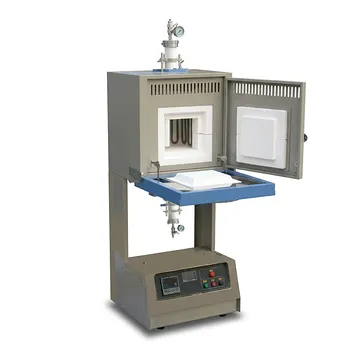
Vertical Hybrid High Temperature Furnace 1500C Alumina Tube SOFC Fuel Cell Testing Laboratory Heat Treatment Research Equipment
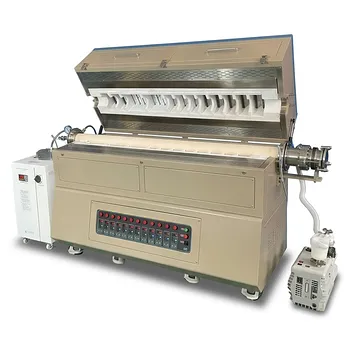
Twelve Zone 1700°C Multi Zone Split Tube Furnace with 100mm Alumina Processing Tube and Independent Temperature Gradient Control
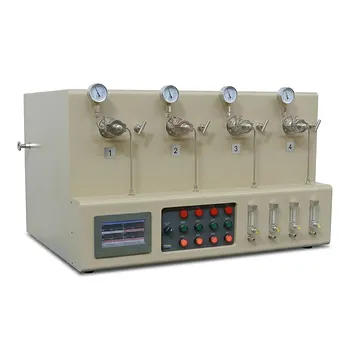
High Temperature 1700C 4 Channel Tube Furnace 1 Inch Alumina Tube for Hi-Throughput Annealing
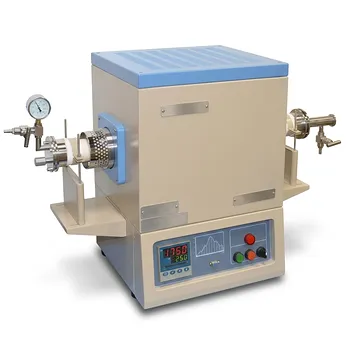
High Temperature Compact Vacuum Tube Furnace 1750C Max 60mm OD Alumina Tube

1800C High Temperature Compact Vacuum Tube Furnace with 60mm OD Alumina Tube and Kanthal MoSi2 Heating Elements
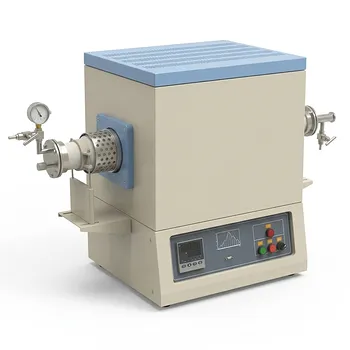
1750°C High Temperature Benchtop Vacuum Atmosphere Tube Furnace with Kanthal Super 1800 Heating Elements and 60mm Alumina Processing Tube

Compact High Temperature 1600C Tube Furnace with 50mm Alumina Tube and Vacuum Flanges for Material Sintering
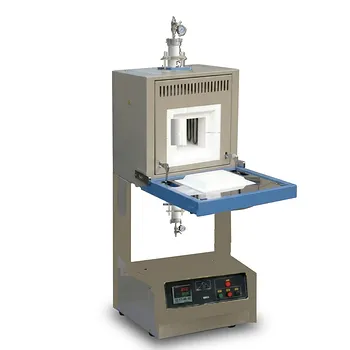
High Temperature Vertical Hybrid Furnace with Alumina Tube and SiC Heating for SOFC Coin Cell Testing and Atmosphere Processing
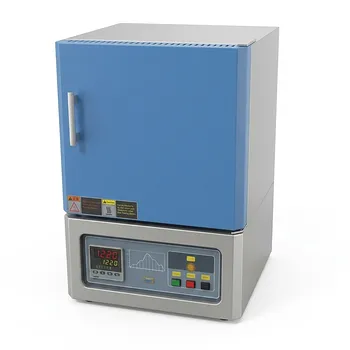
High Temperature Benchtop Muffle Furnace 1700C 10L Chamber Alumina Fiber Insulation MoSi2 Heating Elements
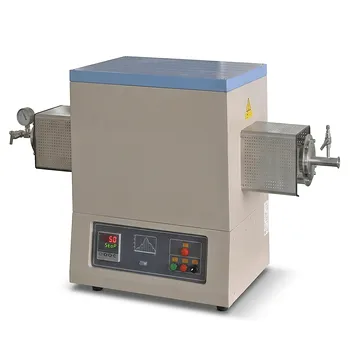
High Temperature 1700C Tube Furnace with 4 Inch OD Alumina Tube and Vacuum Sealing Flanges
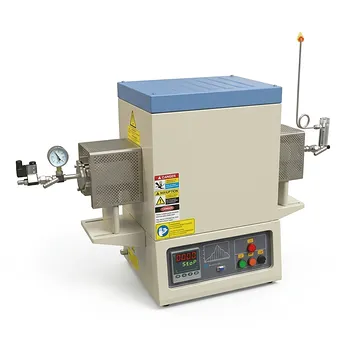
1700C Hydrogen Gas Tube Furnace with 60mm Alumina Process Tube and Integrated Hydrogen Safety Detector
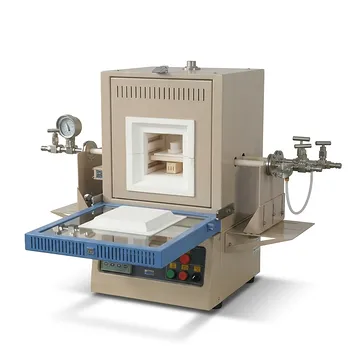
1700C Compact Hybrid Furnace with Dual Layer Box Sintering and Controlled Atmosphere Alumina Tubes
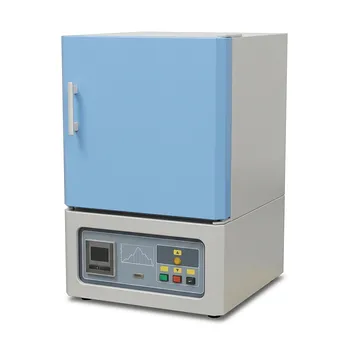
1800C Bench Top Muffle Furnace with Kanthal Super 1900 Heating Elements and 3.6L Alumina Fiber Chamber
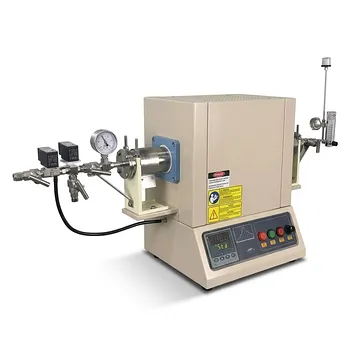
1500C Compact Hydrogen Gas Tube Furnace with 2 Inch Alumina Tube and Hydrogen Detector
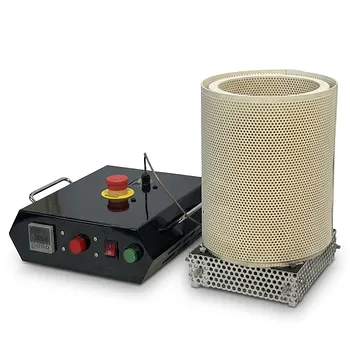
1250 C Compact Vertical Box Furnace for Glovebox Material Research Air Sensitive Samples
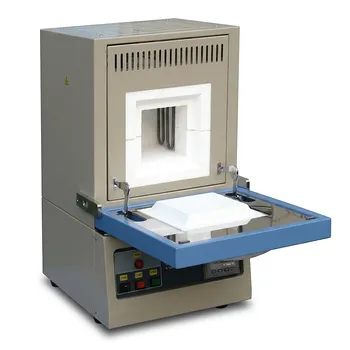
High Temperature 1800C Compact Muffle Furnace with Kanthal Super 1900 Heating Elements and 1.7L Alumina Chamber