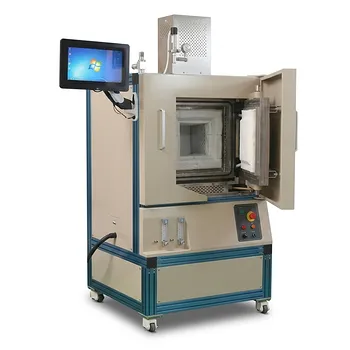
Why is a high-purity nitrogen atmosphere required during carbonization of OMC? Protect Your Material Integrity
Updated 3 months ago
High-purity nitrogen is the critical safeguard that prevents the immediate combustion of carbon precursors at the extreme temperatures required for synthesis. By displacing oxygen, nitrogen creates an inert, anaerobic environment that allows organic materials to thermally decompose into carbon without reacting with the atmosphere. This precise control is the only way to preserve the delicate, ordered microscopic pore structures that define the material's utility.
Core Takeaway: A high-purity nitrogen atmosphere provides an inert protective shield that prevents oxidative loss (burning) of the carbon source, facilitates the removal of volatile byproducts, and ensures the structural integrity of the mesoporous framework.
Preventing Oxidative Destruction
The Threshold of Combustion
At temperatures of 400°C and above, carbon becomes highly reactive to even trace amounts of oxygen. Without a protective atmosphere, the carbon source would undergo oxidative combustion, turning the precursor into ash and gas rather than a solid mesoporous structure.
Ensuring Material Yield
High-purity nitrogen ensures that the maximum amount of precursor material is converted into usable carbon. By maintaining a strict oxygen-free environment, researchers prevent the "burn-off" of the material, which is essential for achieving a viable product yield.
Preserving Structural and Chemical Integrity
Protecting Ordered Mesoporosity
Ordered Mesoporous Carbon (OMC) relies on a highly specific arrangement of pores that provides a large surface area. The nitrogen atmosphere prevents thermal erosion, ensuring that delicate one-dimensional hollow tubes or two-dimensional nanosheets do not collapse during the heat treatment.
Facilitating Volatile Removal
During carbonization, organic precursors release volatile organic compounds (VOCs) and byproduct gases like CO and CO2. A constant flow of nitrogen acts as a carrier gas, sweeping these volatiles away from the reaction zone to prevent them from redepositing on the carbon surface and clogging the microporous structure.
Enabling Chemical Tuning
The inert environment allows for precise graphitization and nitrogen doping, which significantly enhances the electrical conductivity of the final material. In composite materials, such as Mesoporous Magnetic Carbon, the nitrogen shield prevents the re-oxidation of metallic components (like zero-valent iron), preserving the material's magnetic properties.
Understanding the Trade-offs and Risks
The Risk of Impure Nitrogen
Using nitrogen that is not "high-purity" can introduce trace oxygen or moisture into the furnace. Even small concentrations of these reactive species can cause pitting on the carbon surface, leading to a loss of surface area and a breakdown of the ordered pore geometry.
Flow Rate Sensitivity
While a nitrogen flow is necessary to remove volatiles, an excessively high flow rate can lead to temperature fluctuations within the furnace. Conversely, a flow rate that is too low allows byproduct gases to linger, which can lead to unwanted carbon deposition (sooting) that obscures the desired mesoporous framework.
How to Apply This to Your Process
Making the Right Choice for Your Goal
To achieve the best results in high-temperature carbonization, your atmospheric strategy should align with your specific material objectives.
- If your primary focus is Structural Precision: Maintain a constant, steady nitrogen flow (e.g., 200 mL/min) to ensure all volatile byproducts are removed before they can settle in the pores.
- If your primary focus is Electrical Conductivity: Ensure the nitrogen is ultra-high purity to allow for clean graphitization and effective nitrogen atom rearrangement within the carbon lattice.
- If your primary focus is Composite Stability: Use a strict anaerobic ramp-up period before reaching 400°C to ensure all oxygen is displaced before metallic components become susceptible to oxidation.
The success of Ordered Mesoporous Carbon synthesis depends entirely on maintaining a stable, inert environment that allows thermal decomposition to proceed without the interference of reactive gases.
Summary Table:
| Key Role of Nitrogen | Technical Benefit | Impact of Improper Atmosphere |
|---|---|---|
| Oxidation Prevention | Prevents combustion of precursors above 400°C | Precursor turns to ash; zero product yield |
| Structural Preservation | Maintains delicate mesoporous framework | Pore collapse and loss of surface area |
| Volatile Removal | Sweeps away VOCs and byproduct gases | Pores become clogged with soot/carbon deposits |
| Chemical Tuning | Enables graphitization and N-doping | Poor electrical conductivity; metal oxidation |
Precision Thermal Solutions for Material Science
At THERMUNITS, we understand that success in high-temperature carbonization depends on rigorous atmospheric control. As a leading manufacturer of advanced laboratory equipment, we empower material scientists and industrial R&D teams with high-performance thermal solutions.
Our comprehensive range of equipment includes:
- Atmosphere and Tube Furnaces specifically designed for inert gas processing.
- Vacuum, Muffle, and Rotary Furnaces for diverse heat treatment needs.
- CVD/PECVD Systems and Vacuum Induction Melting (VIM) for advanced synthesis.
Whether you are synthesizing Ordered Mesoporous Carbon or developing complex composites, our equipment ensures the high-purity environment your research demands. Contact THERMUNITS today to discuss how our furnace technology can enhance your laboratory's efficiency and material yield.
References
- Bharti Gaur, Richard T. Baker. Ordered Mesoporous Carbon as Adsorbent for the Removal of a Triphenylmethane Dye from Its Aqueous Solutions. DOI: 10.3390/molecules29174100
Mentioned Products
- High Temperature 1500C Benchtop Muffle Furnace 3.6L Alumina Fiber Chamber Programmable Controller Sintering Annealing Carbonization Thermal Processing System
- Vertical Hybrid High Temperature Furnace 1500C Alumina Tube SOFC Fuel Cell Testing Laboratory Heat Treatment Research Equipment
- 1100C High Temperature Vacuum Crucible Furnace with Quartz Chamber for Thermal Processing and Sintering
- High Temperature Muffle Furnace with Alloy Chamber for Debinding and Sintering Applications
- High Temperature Vertical Crucible Furnace with 22L Heating Chamber and 1200C Maximum Temperature
People Also Ask
- Why is annealing in a high-temperature muffle furnace necessary for SiO2/Si substrate pretreatment before monolayer WS2 synthesis?
- What is the purpose of using muffle or tube furnaces in glass synthesis? Achieve Precise Melt-Quenching & Homogeneity
- What is the role of a high-temperature muffle furnace in the synthesis of graphitic carbon nitride (g-C3N4)? - Guide
- What is the necessity of 950 °C muffle furnace for aluminate spinel supports? Achieve Phase Purity & Lattice Integration
- What is the function of a high-temp muffle furnace in Ni-V oxide synthesis? Optimize your material's performance.

Tech Team · ThermUnits
Last updated on Jun 02, 2026
Related Products
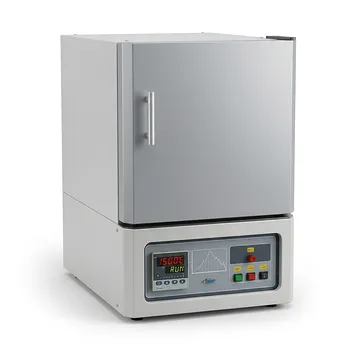
High Temperature 1500C Benchtop Muffle Furnace 3.6L Alumina Fiber Chamber Programmable Controller Sintering Annealing Carbonization Thermal Processing System
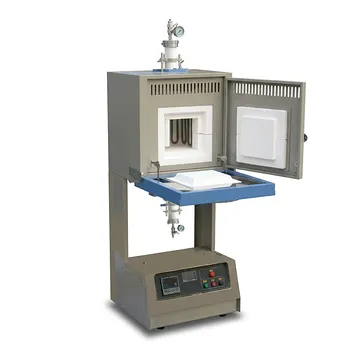
Vertical Hybrid High Temperature Furnace 1500C Alumina Tube SOFC Fuel Cell Testing Laboratory Heat Treatment Research Equipment
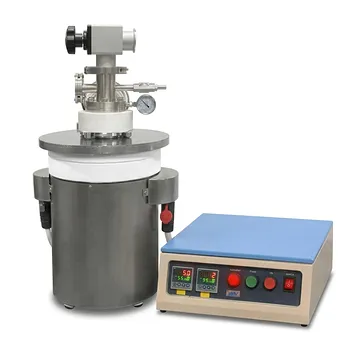
1100C High Temperature Vacuum Crucible Furnace with Quartz Chamber for Thermal Processing and Sintering
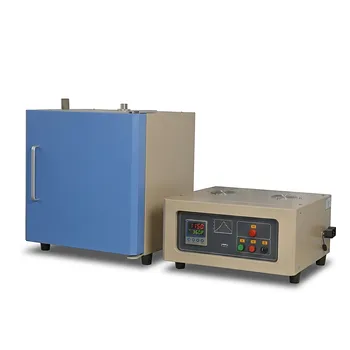
High Temperature Muffle Furnace with Alloy Chamber for Debinding and Sintering Applications
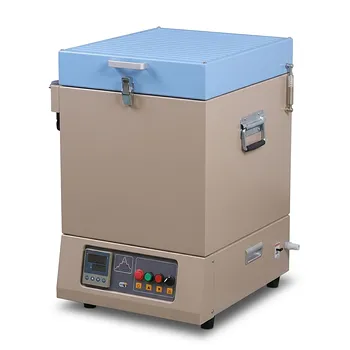
High Temperature Vertical Crucible Furnace with 22L Heating Chamber and 1200C Maximum Temperature

High Temperature 1700C Tube Furnace with High Vacuum Turbomolecular Pump System and Multi Channel Mass Flow Controller Gas Mixer
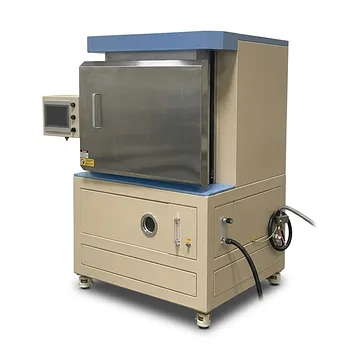
1650C High Temperature Atmosphere Controlled Box Furnace with 65L Chamber for Advanced Material Sintering and Industrial Heat Treatment
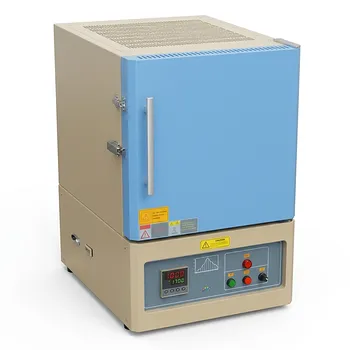
Large Bench Top 1700C High Temperature Muffle Furnace with 19L Chamber for Advanced Material Sintering and Annealing
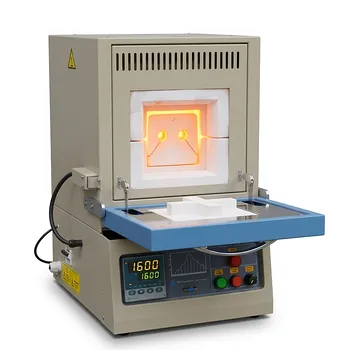
High Temperature Compact Muffle Furnace 1700 C with 30 Segment Programmable Controller and 1.7L Cubic Chamber

High Temperature 1700C Benchtop Tube Furnace with 5 Inch Heating Zone High Purity Alumina Tube and Vacuum Sealing Flanges
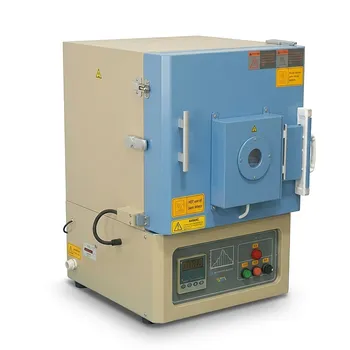
High Temperature Benchtop Muffle Furnace 1500C with 3.6L Chamber and Quartz Observation Window
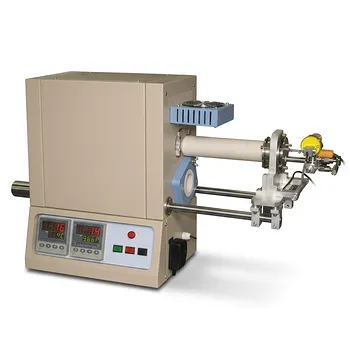
High Temperature Tube Furnace 1500C with Sliding Flanges and 50mm OD for Rapid Thermal Processing Fast Heating and Cooling
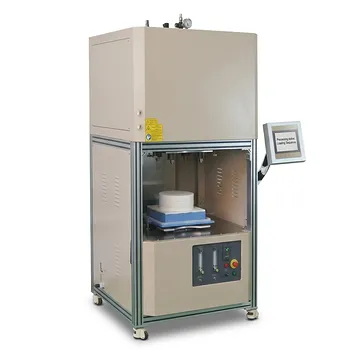
High Temperature Vertical Atmosphere Controlled Furnace with Automatic Bottom Loading and 1700°C Capacity for Advanced Material Research
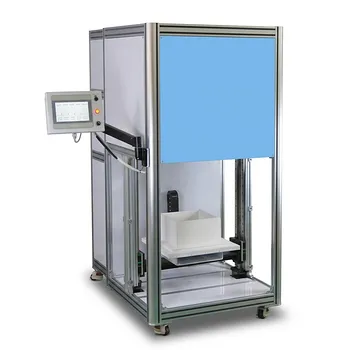
High Temperature 1600°C Three Zone Heated Bottom Loading Box Furnace with Rapid Thermal Processing Chamber 72L Volume
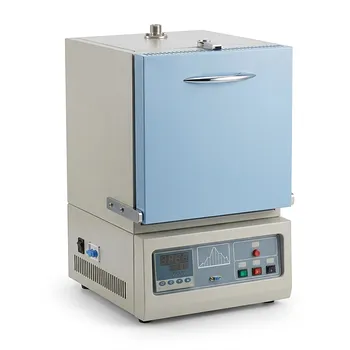
1750C Compact Muffle Furnace 1.7L Ultra High Temperature Laboratory Sintering System for Advanced Ceramics and Material Science Research
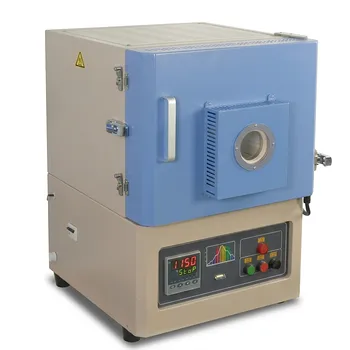
High Temperature Benchtop Muffle Furnace with Quartz Observation Window for Thermal Imaging and Material Analysis
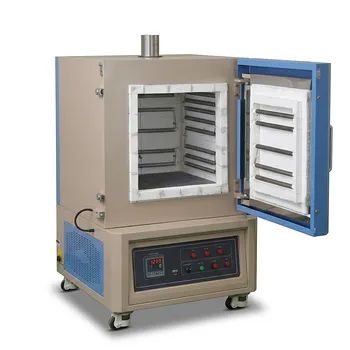
1200C High Temperature 125L Muffle Furnace 5 Side Heating for Large Batch Sintering with Optional Alloy Debinding Chamber
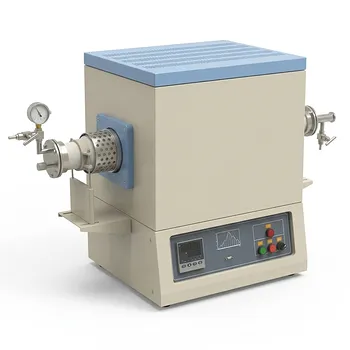
1750°C High Temperature Benchtop Vacuum Atmosphere Tube Furnace with Kanthal Super 1800 Heating Elements and 60mm Alumina Processing Tube
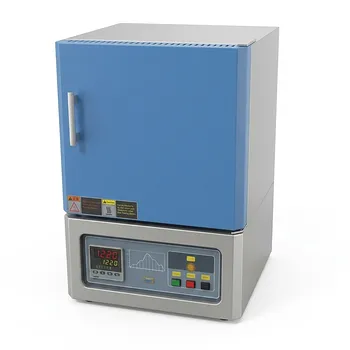
High Temperature Benchtop Muffle Furnace 1700C 10L Chamber Alumina Fiber Insulation MoSi2 Heating Elements