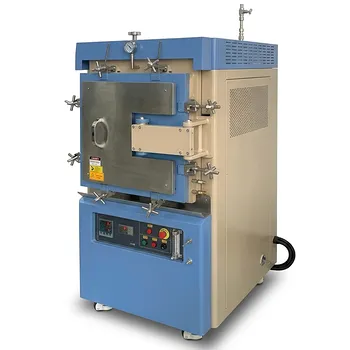
What is the function of an industrial-grade box furnace in the pre-oxidation process of 304 stainless steel? Key Roles
Updated 3 months ago
An industrial-grade box furnace acts as a precision thermal reactor that creates a stable high-temperature air atmosphere to grow a specific oxide film on 304 stainless steel. This oxide layer serves as a critical chemical "bridge" or transition layer between the metal substrate and glass. By meticulously regulating heating cycles and holding times, the furnace ensures the resulting oxide film possesses the exact thickness and phase composition required for a reliable, hermetic glass-to-metal seal.
The industrial box furnace is the foundational tool for engineering a functional interface between 304 stainless steel and glass. It transforms the inert metal surface into a chemically active bonding layer, which is the prerequisite for structural integrity in high-performance sealing applications.
Engineering the Metal-to-Glass Interface
Facilitating Chemical Bonding
The primary function of the furnace is to facilitate a controlled chemical reaction between the 304 stainless steel surface and the oxygen in the air.
This reaction produces an oxide film that acts as a transition layer, allowing glass to wet and adhere to the metal surface more effectively.
Without this furnace-grown layer, the glass would fail to form a strong molecular bond with the substrate, leading to seal failure or leakage.
Regulating Oxide Phase and Thickness
The furnace allows for the precise control of heating temperature and holding time, which directly dictates the morphology of the oxide.
If the oxide is too thin, the bond will be weak; if it is too thick, the layer may become brittle and delaminate.
High-performance furnaces ensure that the phase composition of the oxide is uniform across the entire component, providing a consistent surface for subsequent processing.
Maintaining Substrate Integrity and Uniformity
Stress Relief and Microstructure Control
Beyond surface oxidation, the box furnace provides the thermal environment necessary for solution treatment and annealing.
Heating the 304 stainless steel to temperatures around 1050°C to 1100°C allows for the elimination of residual stresses and the dissolution of non-uniform carbides.
This process restores the austenite matrix, ensuring that the underlying metal maintains its toughness and corrosion resistance even after the oxidation phase.
Precision Temperature Field Control
Industrial-grade furnaces are designed to maintain a strictly controlled constant temperature environment.
This precision ensures uniform atomic diffusion between the substrate and any surface coatings or oxide layers being formed.
A stable temperature field prevents localized defects or uneven oxide growth, which are the leading causes of mechanical failure in sealed components.
Understanding the Trade-offs and Pitfalls
The Risk of Over-Oxidation
While an oxide layer is necessary, excessive exposure to high temperatures can lead to over-oxidation.
This results in a thick, porous scale that lacks the mechanical strength to support a glass seal, essentially creating a "weak link" in the assembly.
Precise timing and atmosphere control are the only ways to prevent the transition from a functional film to a detrimental scale.
Managing Carbide Precipitation
If the furnace cooling rate is not properly managed, 304 stainless steel can undergo sensitization, where carbides precipitate at the grain boundaries.
This can lead to intergranular corrosion, weakening the metal near the seal.
Modern industrial furnaces mitigate this through programmable cooling cycles that skip the critical temperature zones where sensitization occurs.
How to Apply This to Your Project
Making the Right Choice for Your Goal
To achieve the best results with an industrial box furnace, your operational parameters must align with your specific material objectives.
- If your primary focus is Glass-to-Metal Sealing: Prioritize precise atmosphere control and holding times to ensure the oxide film reaches the optimal thickness for wetting.
- If your primary focus is Restoring Ductility: Focus on high-temperature annealing at 1100°C followed by a controlled quench to ensure full austenitization and stress relief.
- If your primary focus is Corrosion Resistance: Utilize the furnace for solution treatment at 1050°C to dissolve carbides and restore the uniformity of the austenite matrix.
By mastering the thermal environment of the box furnace, you transform 304 stainless steel from a simple substrate into a high-performance component ready for complex industrial integration.
Summary Table:
| Furnace Function | Technical Process | Engineering Outcome |
|---|---|---|
| Oxide Film Growth | Controlled oxidation in air | Enables molecular bonding between glass and metal |
| Precision Control | Regulation of temp & holding time | Optimizes oxide thickness and phase composition |
| Stress Relief | Solution treatment (1050°C-1100°C) | Eliminates residual stresses & restores austenite matrix |
| Defect Prevention | Programmable cooling cycles | Prevents sensitization and intergranular corrosion |
Elevate Your Heat Treatment Precision with THERMUNITS
As a global leader in high-temperature laboratory equipment for material science and industrial R&D, THERMUNITS provides the advanced thermal technology required for critical applications like 304 stainless steel pre-oxidation. Whether you are aiming for hermetic glass-to-metal seals or superior material ductility, our equipment ensures the precision your project demands.
Our Comprehensive Thermal Solutions Include:
- Furnaces: Muffle, Vacuum, Atmosphere, Tube, Rotary, and Hot Press models.
- Specialized Systems: CVD/PECVD systems, Dental Furnaces, and Vacuum Induction Melting (VIM) furnaces.
- Industrial Kilns: Electric rotary kilns and high-performance thermal elements.
Don't settle for inconsistent results. Partner with THERMUNITS to achieve uniform oxide growth and structural integrity in your components.
Contact Our Engineering Team Today to find the perfect furnace for your laboratory or production line!
References
- Changjun Chen, Min Zhang. Effects of Different Oxidation Methods on the Wetting and Diffusion Characteristics of a High-Alumina Glass Sealant on 304 Stainless Steel. DOI: 10.3390/ma17102251
Mentioned Products
- Industrial Large Box Furnace 1700C 216L High Temp Muffle Sintering System
- 1650C High Temperature Atmosphere Controlled Box Furnace with 65L Chamber for Advanced Material Sintering and Industrial Heat Treatment
- Compact High Vacuum Box Furnace 1050C Max 6.2L Ceramic Chamber Stainless Steel Shell Programmable Temperature Controller for Material Science Research
- Bottom Loaded Inert Gas Atmosphere Box Furnace 1700C 1300C 216L Large Capacity Industrial Thermal Processing System
- High Throughput Four Channel Box Furnace 1500C Max Independent Temperature Control Material Research Sintering System
People Also Ask
- Why is an industrial high-temperature box furnace used for the pre-sintering of calcium silicate carriers? Key Benefits
- What is the role of an industrial box furnace in the oxidation and reduction processes of nickel electrodes? - Key Roles
- What is the role of a high-temperature box furnace in the solid-state synthesis of Europium-doped M3MgSi2O8 phosphors?
- What is the function of industrial box muffle furnaces in the high-temperature corrosion assessment of ZrO2-Dy3TaO7 coatings?
- How does the temperature control precision of a high-temperature sintering furnace affect Na1+xLa1-xZr2O6-δ ceramics?

Tech Team · ThermUnits
Last updated on Jun 02, 2026
Related Products
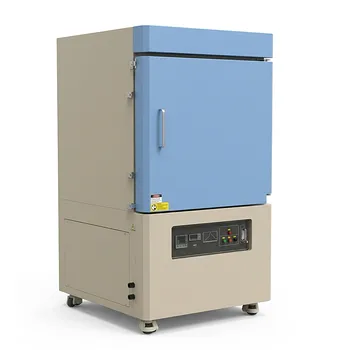
Industrial Large Box Furnace 1700C 216L High Temp Muffle Sintering System
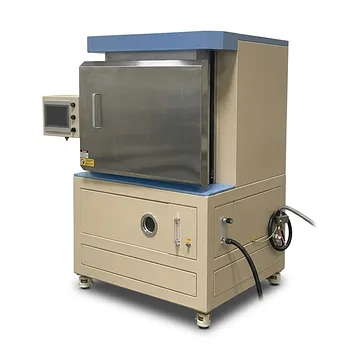
1650C High Temperature Atmosphere Controlled Box Furnace with 65L Chamber for Advanced Material Sintering and Industrial Heat Treatment
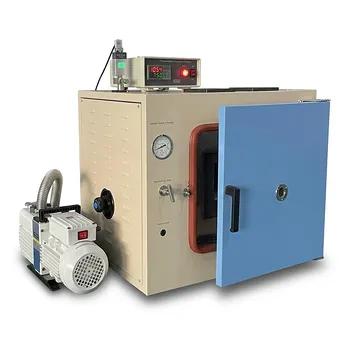
Compact High Vacuum Box Furnace 1050C Max 6.2L Ceramic Chamber Stainless Steel Shell Programmable Temperature Controller for Material Science Research
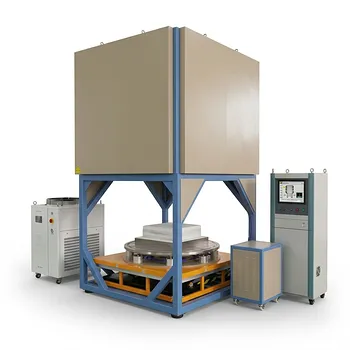
Bottom Loaded Inert Gas Atmosphere Box Furnace 1700C 1300C 216L Large Capacity Industrial Thermal Processing System
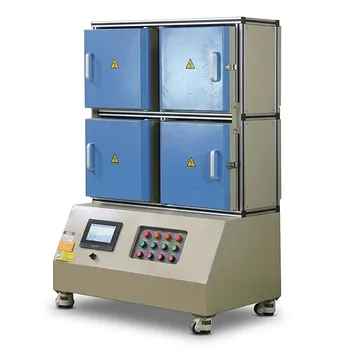
High Throughput Four Channel Box Furnace 1500C Max Independent Temperature Control Material Research Sintering System
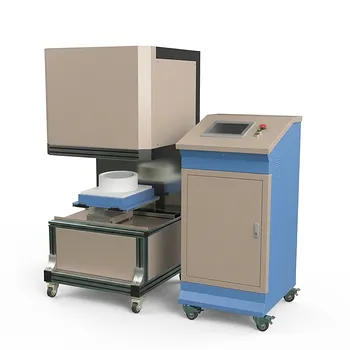
High Temperature Bottom Loading Box Furnace for Rapid Thermal Processing 1700C 40L Capacity
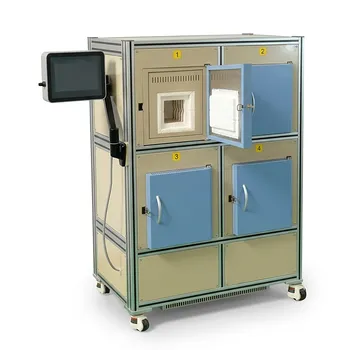
High Temperature Four Chamber Box Furnace for High Throughput Materials Research and Space Saving Thermal Processing
1250 C Compact Vertical Box Furnace for Glovebox Material Research Air Sensitive Samples
Automated 1700C High Temperature Bottom Loading Box Furnace with PC Software Control and Robotic Integration Capability
High Temperature 1700℃ Eight Chamber Box Furnace with Automatic Doors for Autonomous Material Research and High Throughput Heat Treatment
1200C Small Box Muffle Furnace with Separated Programmable Controller and 4.2L Alumina Fiber Chamber
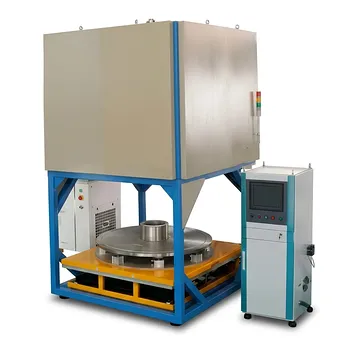
1400C Bottom Loaded Inert Gas Atmosphere Box Furnace with 125L Capacity and Precision Hydraulic Lift
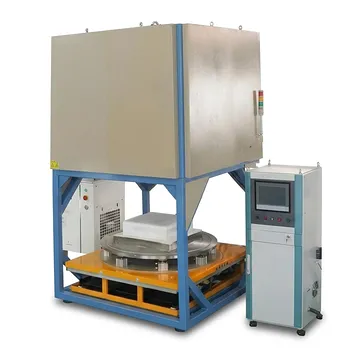
Bottom Loaded Inert Gas Atmosphere Box Furnace 1400C Maximum Temperature 125L High Capacity Laboratory Heat Treatment System
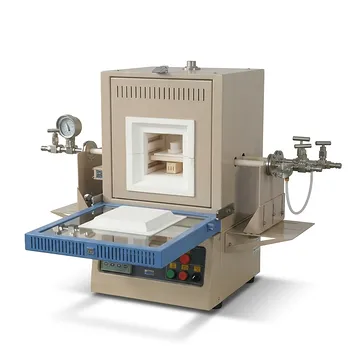
1700C Compact Hybrid Furnace with Dual Layer Box Sintering and Controlled Atmosphere Alumina Tubes
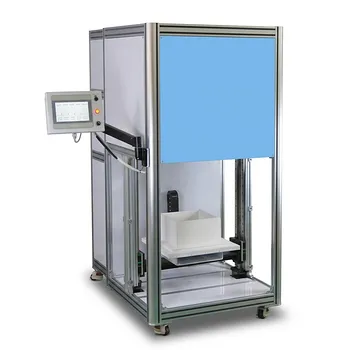
High Temperature 1600°C Three Zone Heated Bottom Loading Box Furnace with Rapid Thermal Processing Chamber 72L Volume
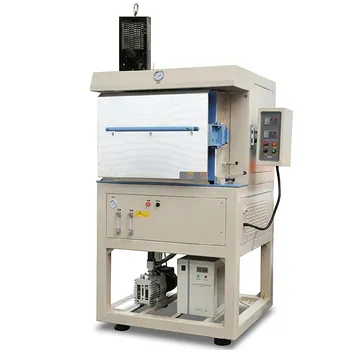
1200C Hydrogen Atmosphere Box Furnace with 5 Heated Sides and 64L Chamber
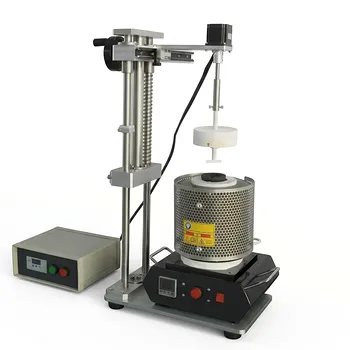
1100C Crucible Melting Furnace with Stirring Function for Glovebox and Air Sensitive Alloy Research
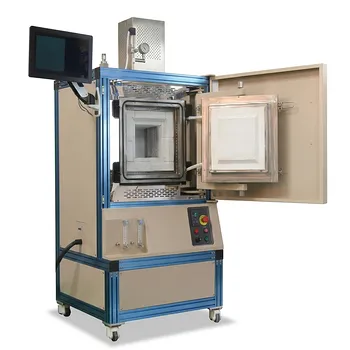
High Temperature Hydrogen Atmosphere Box Furnace 1650C Max Reducing Environment Material Synthesis System 8x8x8 Chamber
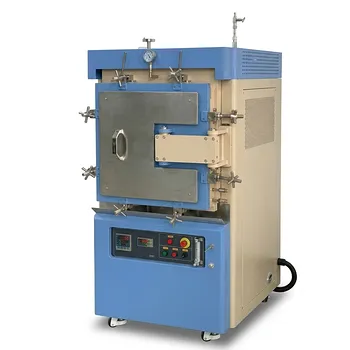
High Temperature Economic Hydrogen Gas Box Furnace 1600C Atmosphere Controlled Thermal Processing System 65L Capacity