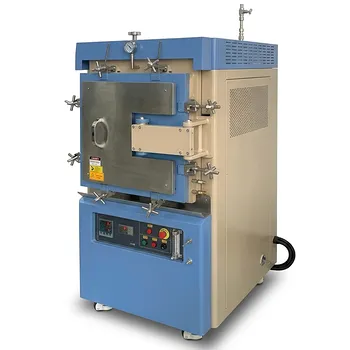
What is the function of nitrogen flow in an industrial box furnace? Optimize Biomass Carbonization Performance
Updated 3 months ago
Maintaining a stable nitrogen (N2) flow is the foundational requirement for successful biomass carbonization. This flow creates a strictly inert atmosphere that prevents the raw material from undergoing oxidative combustion—essentially burning to ash—when it reaches high process temperatures such as 600°C. By displacing oxygen, the nitrogen ensures the biomass undergoes anaerobic pyrolysis, which is the chemical decomposition of organic matter into a high-quality carbon-rich precursor.
Core Takeaway: Nitrogen flow transforms an industrial furnace into a controlled chemical reactor by simultaneously excluding oxygen to prevent combustion and purging volatile by-products that would otherwise obstruct the development of the carbon's internal pore structure.
The Prevention of Oxidative Combustion
Displacing Oxygen for Anaerobic Pyrolysis
The primary function of nitrogen is to displace atmospheric oxygen within the furnace chamber. In the presence of oxygen, biomass materials like apricot shells would simply catch fire and turn into ash at the required carbonization temperatures.
Establishing the Inert Threshold
By maintaining a continuous flow of high-purity nitrogen (typically 99.99%), the system ensures the environment remains inert throughout the heating cycle. This allows for the precise conversion of organic components, such as cellulose and hemicellulose, into a stable, fixed carbon framework without mass loss through oxidation.
Management of Volatile By-products
Continuous Purging of Dehydration Products
During the heating process, biomass releases moisture, volatile organic compounds (VOCs), and tarry substances. A steady nitrogen flow acts as a carrier gas, promptly removing these volatile dehydration products from the furnace reaction chamber.
Preserving Pore Accessibility
If these by-products are not effectively swept away, they can re-condense or undergo secondary reactions on the surface of the material. This would lead to "pore plugging," significantly reducing the specific surface area and the eventual adsorption performance of the activated carbon.
Optimization of the Carbon Skeleton
Facilitating Structural Integrity
Maintaining a specific flow rate (often ranging between 300 to 500 mL/min) ensures a stable internal environment. This stability is critical for preserving the structural integrity of the carbon skeleton, allowing it to remain porous and mechanically strong for subsequent activation steps.
Enabling Selective Etching
In some processes, the nitrogen flow allows for the uniform distribution of heat and activation agents. This environment permits selective etching of the carbon, which is responsible for creating a complex network of micropores and mesopores necessary for high-performance applications like anode materials or filters.
Understanding the Trade-offs
Flow Rate vs. Thermal Uniformity
While a higher nitrogen flow rate ensures a more thoroughly purged environment, it can introduce a cooling effect that disturbs the uniform thermal field of the furnace. If the flow is too high, it may cause temperature fluctuations that lead to inconsistent carbonization and varying pore sizes.
Cost and Environmental Efficiency
Using excessive nitrogen increases operational costs and can result in the loss of fine biomass powders if the velocity is too high. Conversely, a flow rate that is too low may fail to fully exclude oxygen or remove heavy tars, leading to a product with low purity and poorly developed porosity.
How to Apply This to Your Project
Selecting the Right Flow Strategy
- If your primary focus is high-purity anode materials: Prioritize a high-purity (99.99%) nitrogen flow at a steady, moderate rate to ensure all pyrolysis by-products are removed without disturbing the carbon structure.
- If your primary focus is maximum surface area (porosity): Carefully calibrate the flow rate to balance the removal of volatiles against the need for thermal uniformity, ensuring the activation agents can etch the carbon skeleton effectively.
- If your primary focus is operational cost-efficiency: Determine the minimum flow rate required to maintain an oxygen-free environment by monitoring the furnace exhaust for oxygen levels and by-product accumulation.
The precise control of nitrogen flow is the decisive factor that distinguishes basic charcoal production from the engineering of high-performance activated carbon.
Summary Table:
| Function | Primary Mechanism | Key Benefit for Activated Carbon |
|---|---|---|
| Oxygen Displacement | Creates an inert atmosphere | Prevents biomass combustion and ash formation. |
| Volatile Purging | Carriers moisture, VOCs, and tars | Prevents "pore plugging" to maximize surface area. |
| Structural Integrity | Maintains stable reaction environment | Preserves the carbon skeleton for mechanical strength. |
| Selective Etching | Facilitates heat/agent distribution | Promotes the development of critical micropore networks. |
| Thermal Regulation | Balances flow vs. heat field | Ensures uniform carbonization across the material batch. |
Elevate Your Carbonization Precision with THERMUNITS
Achieving high-performance activated carbon requires more than just heat—it requires precise atmosphere control. THERMUNITS is a leading manufacturer of high-temperature laboratory equipment specifically designed for material science and industrial R&D. We provide the advanced thermal processing stability needed to manage complex gas flow rates and inert environments.
Our comprehensive range of thermal solutions includes:
- Atmosphere and Vacuum Furnaces (Ideal for precise nitrogen control)
- Muffle, Tube, and Rotary Furnaces
- CVD/PECVD Systems and Hot Press Furnaces
- Vacuum Induction Melting (VIM) Furnaces and Electric Rotary Kilns
- Dental Furnaces and high-quality Thermal Elements
Whether you are developing high-purity anode materials or advanced filtration systems, THERMUNITS offers the expertise and hardware to ensure your research yields superior results.
Ready to upgrade your lab's thermal processing capabilities? Contact our engineering team today for a tailored solution!
References
- Sara Almasi, J. Aubin. Calcium oxide anchored on magnetic waste-based activated carbon (MAC@CaO): A sustainable green heterogeneous catalyst for bio-based fuel and lubricant production. DOI: 10.1016/j.biombioe.2024.107071
Mentioned Products
- Electric Rotary Kiln Small Rotary Furnace for Activated Carbon Regeneration
- Industrial Large Box Furnace 1700C 216L High Temp Muffle Sintering System
- 1650C High Temperature Atmosphere Controlled Box Furnace with 65L Chamber for Advanced Material Sintering and Industrial Heat Treatment
- Bottom Loaded Inert Gas Atmosphere Box Furnace 1700C 1300C 216L Large Capacity Industrial Thermal Processing System
- Electric Rotary Kiln Small Rotary Furnace Biomass Pyrolysis Plant
People Also Ask
- What are the primary components and heating mechanisms of an electric rotary kiln? Optimize High-Purity Heat Treatment
- Which minerals and specialty chemicals are commonly processed using electric rotary kilns? Precision Thermal Processing Guide
- What are the maintenance and service life advantages of an electric rotary kiln? 25+ Year Longevity & Low Maintenance
- How does the use of an electric rotary kiln facilitate CO2 capture in cement and lime production? Achieve High-Purity CCUS
- What thermal efficiency can be expected from an electric rotary kiln compared to fuel-fired alternatives? Gain 95% efficiency.

Tech Team · ThermUnits
Last updated on Jun 02, 2026
Related Products
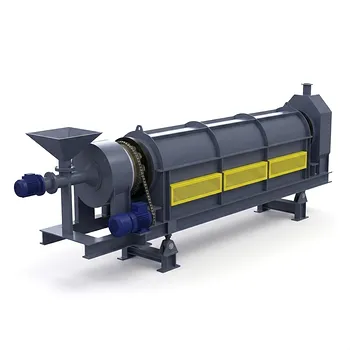
Electric Rotary Kiln Small Rotary Furnace for Activated Carbon Regeneration
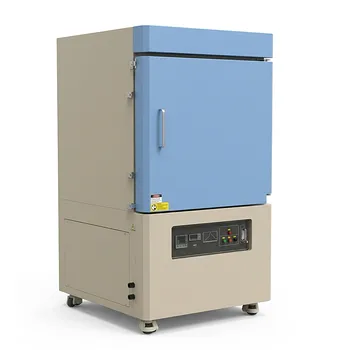
Industrial Large Box Furnace 1700C 216L High Temp Muffle Sintering System
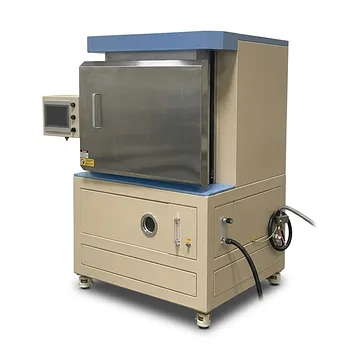
1650C High Temperature Atmosphere Controlled Box Furnace with 65L Chamber for Advanced Material Sintering and Industrial Heat Treatment
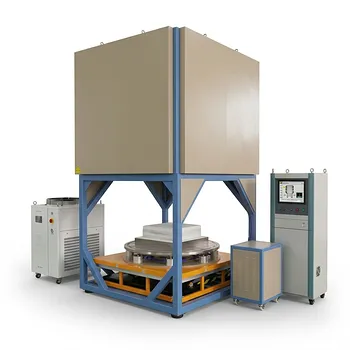
Bottom Loaded Inert Gas Atmosphere Box Furnace 1700C 1300C 216L Large Capacity Industrial Thermal Processing System
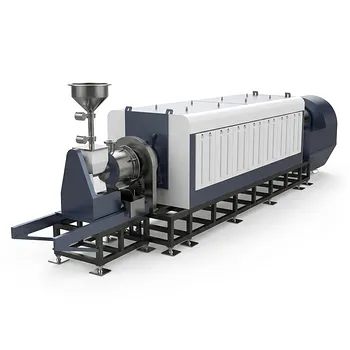
Electric Rotary Kiln Small Rotary Furnace Biomass Pyrolysis Plant
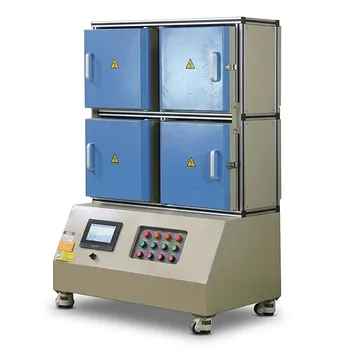
High Throughput Four Channel Box Furnace 1500C Max Independent Temperature Control Material Research Sintering System
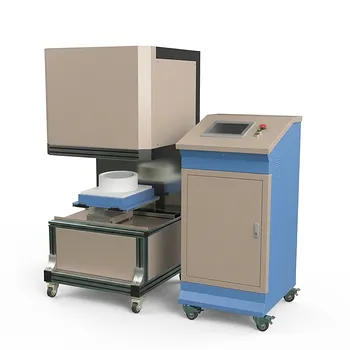
High Temperature Bottom Loading Box Furnace for Rapid Thermal Processing 1700C 40L Capacity
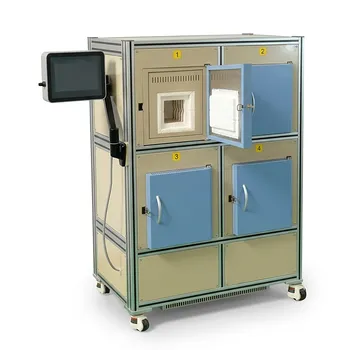
High Temperature Four Chamber Box Furnace for High Throughput Materials Research and Space Saving Thermal Processing
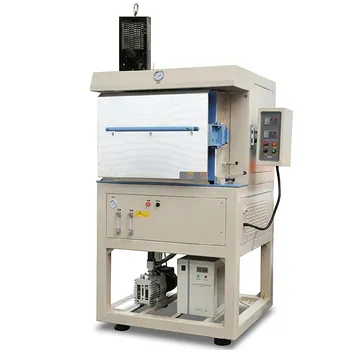
1200C Hydrogen Atmosphere Box Furnace with 5 Heated Sides and 64L Chamber
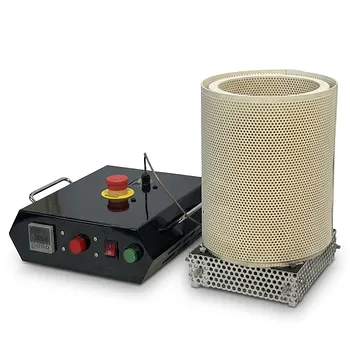
1250 C Compact Vertical Box Furnace for Glovebox Material Research Air Sensitive Samples
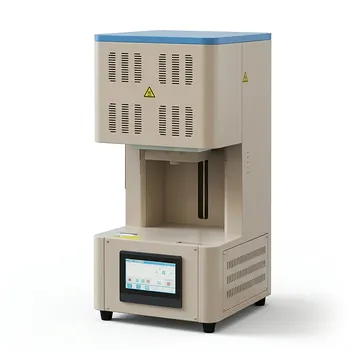
Automated 1700C High Temperature Bottom Loading Box Furnace with PC Software Control and Robotic Integration Capability
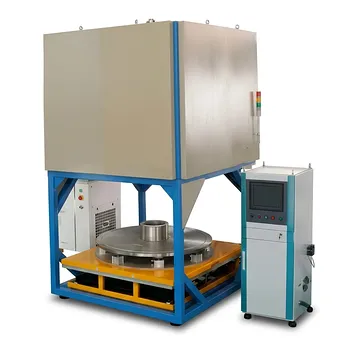
1400C Bottom Loaded Inert Gas Atmosphere Box Furnace with 125L Capacity and Precision Hydraulic Lift
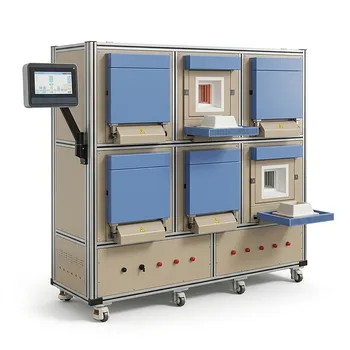
High Temperature 1700℃ Eight Chamber Box Furnace with Automatic Doors for Autonomous Material Research and High Throughput Heat Treatment
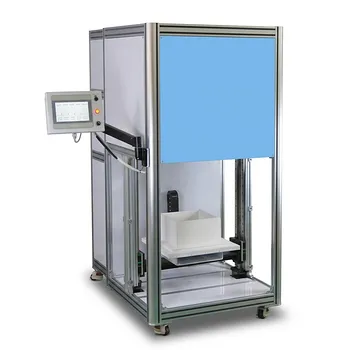
High Temperature 1600°C Three Zone Heated Bottom Loading Box Furnace with Rapid Thermal Processing Chamber 72L Volume
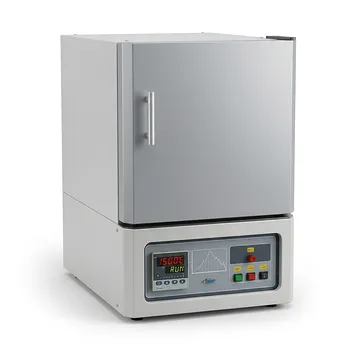
High Temperature 1500C Benchtop Muffle Furnace 3.6L Alumina Fiber Chamber Programmable Controller Sintering Annealing Carbonization Thermal Processing System
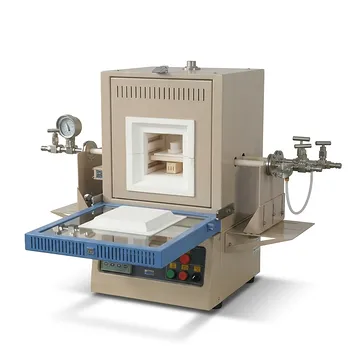
1700C Compact Hybrid Furnace with Dual Layer Box Sintering and Controlled Atmosphere Alumina Tubes
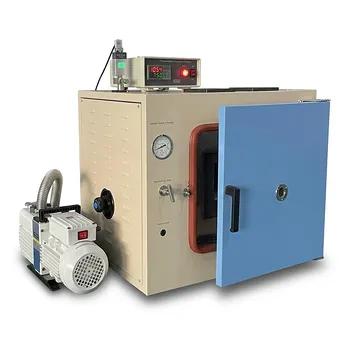
Compact High Vacuum Box Furnace 1050C Max 6.2L Ceramic Chamber Stainless Steel Shell Programmable Temperature Controller for Material Science Research
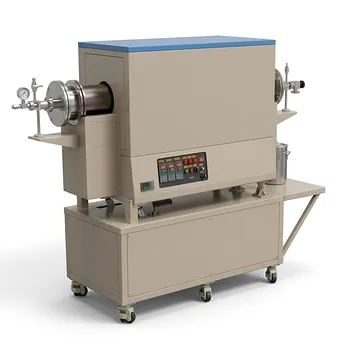
900°C Max Rotary Tube Furnace with 8 Inch 310S Alloy Tube and Optional Multi Zone Heating for Industrial Material Calcination
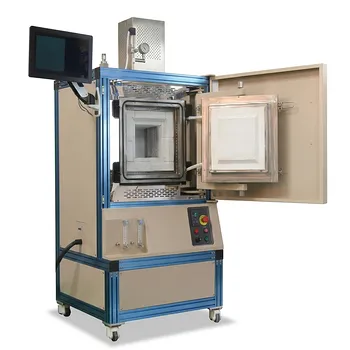
High Temperature Hydrogen Atmosphere Box Furnace 1650C Max Reducing Environment Material Synthesis System 8x8x8 Chamber