What is the function of Polytetrafluoroethylene (Teflon) seals at furnace interfaces? Ensure High-Temp Reactor Integrity
Updated 3 months ago
Polytetrafluoroethylene (PTFE or Teflon) seals serve as a critical atmospheric barrier at the reactor interface. They isolate the internal testing zone from the external environment, ensuring that precisely controlled gas compositions remain uncontaminated while providing a secure, non-reactive housing for sensitive components like optical fibers.
Teflon seals provide a dual-purpose solution in high-temperature reactor environments by ensuring gas-tight integrity and protecting fragile sensing equipment from mechanical and chemical degradation.
Ensuring Atmospheric Integrity
Maintaining Internal Gas Composition
The primary function of the Teflon sealing sleeve is to create an airtight environment within the reactor. In high-temperature testing, even minor leaks can alter the internal gas chemistry, leading to inaccurate data or failed experiments.
Preventing External Air Infiltration
By isolating the testing zone from the external atmosphere, these seals prevent oxygen or moisture from entering the system. This is vital for processes that require a pure inert or reactive atmosphere to achieve specific chemical or physical results.
Protecting Optical Fiber Instrumentation
Reducing Mechanical Stress
Optical fibers are inherently fragile and sensitive to physical pressure. Teflon’s unique low-friction properties allow it to secure these fibers firmly without applying the damaging mechanical stress that rigid sealing materials might cause.
Mitigating Oxidation and Interference
Leaks at the interface can expose optical fibers to oxygen at high temperatures, leading to rapid oxidation. Teflon seals act as a defensive shield, preventing air-leak-induced interference that would otherwise degrade the fiber's signal or structural integrity.
The Strategic Use of Teflon at High Temperatures
Managing the Interface Temperature
While the internal reactor environment may reach 700 °C, Teflon has a much lower melting point (approximately 327 °C). These seals are strategically placed at the interface, where temperatures are lower than the core furnace zone, often utilizing a thermal gradient.
Chemical Inertness and Stability
Teflon is chosen for these interfaces because it does not react with most gases used in chemical reactors. This ensures that the seal itself does not become a source of contamination or undergo chemical breakdown during the testing process.
Understanding the Trade-offs
Thermal Limitations
The most significant pitfall of using Teflon is its strict temperature ceiling. If the interface temperature exceeds its stable range, the material will soften, lose its sealing capabilities, and eventually release toxic fluorinated vapors.
Risk of Cold Flow
Teflon is susceptible to "cold flow" or "creep," meaning it can slowly deform under a constant load even at room temperature. Over time, this can lead to a loss of sealing pressure, requiring periodic inspection or specialized sleeve designs to maintain a tight fit.
How to Apply This to Your Project
When integrating seals into high-temperature reactor designs, your choice should depend on the specific thermal and chemical requirements of your interface.
- If your primary focus is gas purity: Utilize Teflon sleeves at the interface to ensure a non-reactive, airtight seal that prevents external air infiltration.
- If your primary focus is protecting delicate sensors: Leverage the low-friction and soft-sealing nature of Teflon to secure optical fibers without causing mechanical fractures.
- If your primary focus is high-temperature durability: Ensure the seal is positioned far enough from the 700 °C core to remain below its thermal degradation point, or implement active cooling at the interface.
Proper material placement and thermal management allow these seals to maintain a pristine environment for even the most sensitive high-temperature experiments.
Summary Table:
| Key Feature | Primary Function | Major Advantage |
|---|---|---|
| Atmospheric Barrier | Prevents air infiltration | Maintains internal gas purity |
| Fiber Protection | Low-friction housing | Minimizes mechanical stress on sensors |
| Chemical Inertness | Non-reactive properties | Prevents sample/gas contamination |
| Thermal Placement | Strategic interface usage | Ensures seal longevity below 327°C |
Elevate Your Lab's Precision with THERMUNITS
Maintaining a pristine atmospheric environment is critical for material science and industrial R&D. THERMUNITS is a leading manufacturer of high-temperature laboratory equipment, providing comprehensive thermal processing solutions tailored to your specific needs. From CVD/PECVD systems and Vacuum Induction Melting (VIM) furnaces to Muffle, Tube, and Rotary furnaces, our equipment is designed for maximum reliability and control.
Whether you are managing complex gas reactions or delicate sensor integrations, our expert team can help you select the ideal furnace configuration for your research goals.
Contact us today to optimize your heat treatment process!
References
- Jeffrey Wuenschell, Michael Buric. Fiber-based distributed hydrogen measurement at high temperatures. DOI: 10.1117/12.3012957
Mentioned Products
- High Temperature 1700C Benchtop Tube Furnace with 5 Inch Heating Zone High Purity Alumina Tube and Vacuum Sealing Flanges
- High Temperature 1700C Vertical Tube Furnace for Powder Spherification and Material Sintering
- High Temperature Benchtop Muffle Furnace 1700C 10L Chamber Alumina Fiber Insulation MoSi2 Heating Elements
- High Temperature Tube Furnace 1500C with Sliding Flanges and 50mm OD for Rapid Thermal Processing Fast Heating and Cooling
- High Temperature Cold Wall Vacuum Furnace for Advanced Material Sintering and Annealing 1600C Heating Area 200x200x300mm
People Also Ask
- How are high-temperature tube furnaces utilized to repair etching damage? Precision Lattice Restoration Solutions
- What is the function of a high-temperature tube furnace in the synthesis of g-C3N4? Optimize Thermal Polycondensation
- What impact does the heating rate of a tube furnace have on biochar microstructure? Optimize Your Material R&D.
- What is the role of a high-temperature tube furnace in the calcination process of ZnO/In2O3 nanocomposites?
- Conditions for nZVI Synthesis in Tube Furnaces? Learn to Optimize Thermal and Atmospheric Control for High Purity.

Tech Team · ThermUnits
Last updated on Jun 03, 2026
Related Products
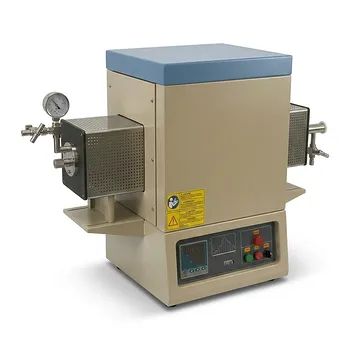
High Temperature 1700C Benchtop Tube Furnace with 5 Inch Heating Zone High Purity Alumina Tube and Vacuum Sealing Flanges

High Temperature 1700C Vertical Tube Furnace for Powder Spherification and Material Sintering
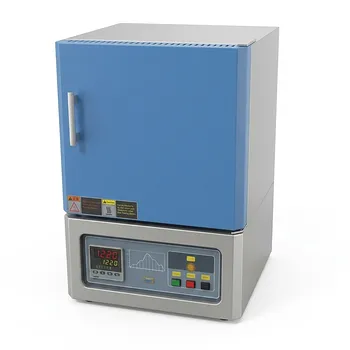
High Temperature Benchtop Muffle Furnace 1700C 10L Chamber Alumina Fiber Insulation MoSi2 Heating Elements
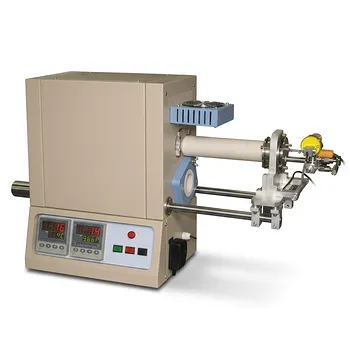
High Temperature Tube Furnace 1500C with Sliding Flanges and 50mm OD for Rapid Thermal Processing Fast Heating and Cooling
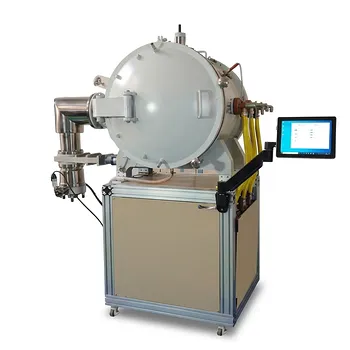
High Temperature Cold Wall Vacuum Furnace for Advanced Material Sintering and Annealing 1600C Heating Area 200x200x300mm
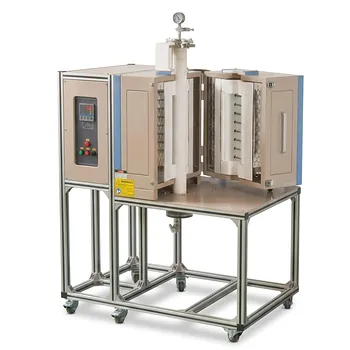
High Temperature 1700C Vertical Split Tube Furnace for Material Quenching and Single Crystal Growth
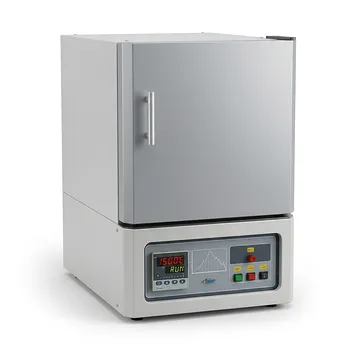
High Temperature 1500C Benchtop Muffle Furnace 3.6L Alumina Fiber Chamber Programmable Controller Sintering Annealing Carbonization Thermal Processing System

Compact High Temperature 1600C Tube Furnace with 50mm Alumina Tube and Vacuum Flanges for Material Sintering
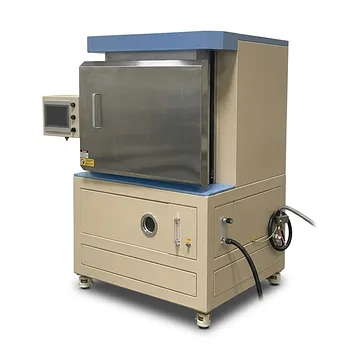
1650C High Temperature Atmosphere Controlled Box Furnace with 65L Chamber for Advanced Material Sintering and Industrial Heat Treatment
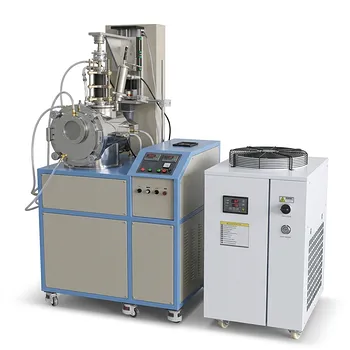
High Temperature Ultrafast Heating Pressing Furnace 2900C Max 100kgf Rapid Thermal Processing System
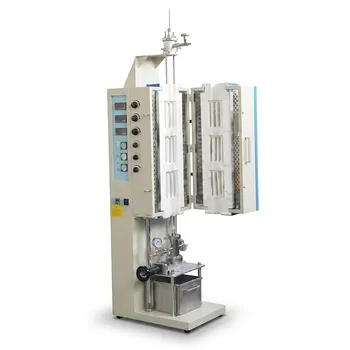
High Temperature Dual Zone Tube Furnace for Material Science Research and Professional Thermal Processing
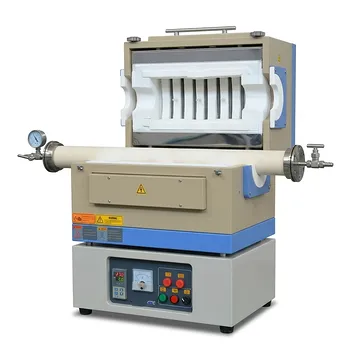
High Temperature 1600C Split Tube Furnace Vacuum Flanges Valves Optional 60mm 80mm Alumina Tube
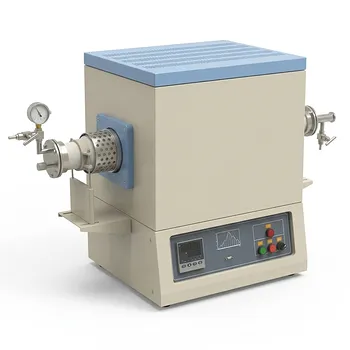
1750°C High Temperature Benchtop Vacuum Atmosphere Tube Furnace with Kanthal Super 1800 Heating Elements and 60mm Alumina Processing Tube
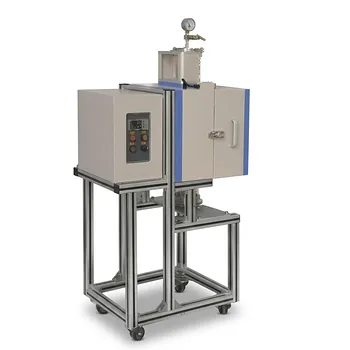
1200°C 5 Inch Vertical Quartz Tube Furnace with Stainless Steel Vacuum Flanges
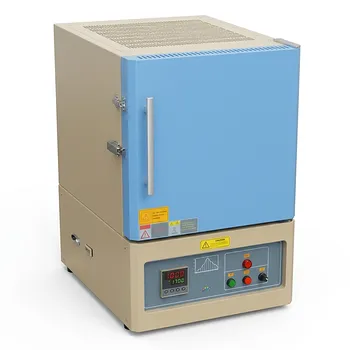
Large Bench Top 1700C High Temperature Muffle Furnace with 19L Chamber for Advanced Material Sintering and Annealing
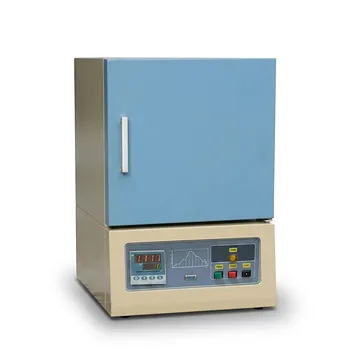
Ultra High Temperature Bench Top Muffle Furnace 1750C Sintering System with Kanthal Super Heating Elements and Precision Digital Control
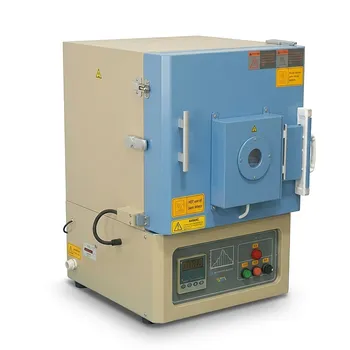
High Temperature Benchtop Muffle Furnace 1500C with 3.6L Chamber and Quartz Observation Window
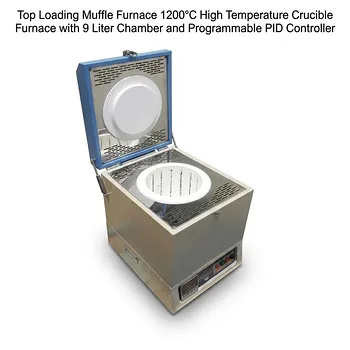
Top Loading Muffle Furnace 1200°C High Temperature Crucible Furnace with 9 Liter Chamber and Programmable PID Controller
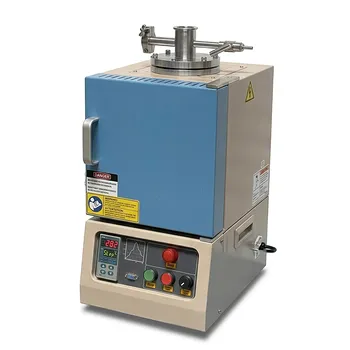
High Temperature Hybrid Muffle and Tube Furnace with Vacuum Capability and PID Control