What is the function of the nitrogen flow control system in a tube furnace during carbon activation? Optimize Your Yield
Updated 3 months ago
The nitrogen flow control system is the critical safeguard that establishes an inert environment within the tube furnace. By continuously displacing oxygen with high-purity nitrogen, the system prevents the carbon material from undergoing oxidative combustion or "ashing" at temperatures typically ranging from 700°C to 900°C.
Core Takeaway: The nitrogen flow control system protects the carbon skeleton from destructive oxidation while simultaneously flushing out gaseous by-products, ensuring that the activation process results in a high-yield, high-porosity material.
Preventing Thermal Oxidation and Combustion
Establishing an Anaerobic Environment
At activation temperatures (often around 700°C), carbon materials are highly reactive to oxygen. The nitrogen system maintains a strictly anaerobic environment by continuously purging the furnace tube, which prevents the carbon from burning away.
Preserving the Carbon Skeleton
Without nitrogen, the heat would cause the non-selective oxidation of the precursor material, such as biomass or polymers. Nitrogen ensures the organic matter undergoes pyrolysis—converting into a carbon-rich structure—rather than simply turning into ash.
Maximizing Carbon Yield
By excluding oxygen, the system ensures that the bulk of the precursor material remains as solid carbon. This maximizes the final yield and ensures the structural integrity of the carbon framework is maintained throughout the thermal treatment.
Facilitating Selective Pore Development
Enabling Selective Etching
The primary goal of activation is to create a network of micropores and mesopores. The nitrogen atmosphere allows the chemical activation agent to perform selective etching on the carbon, rather than the entire structure being consumed by air-driven combustion.
Managing Volatile By-products
As the material heats, it releases carbon dioxide, carbon monoxide, and other volatile organic compounds. The continuous flow of nitrogen (e.g., 300 to 500 mL/min) flushes these gases out of the furnace.
Preventing Secondary Deposition
If gaseous by-products are not removed, they can undergo secondary deposition back onto the carbon surface. Nitrogen circulation keeps the pores "clean," ensuring the material achieves a high specific surface area and superior adsorption performance.
Understanding the Trade-offs and Pitfalls
The Risk of Insufficient Flow Rates
If the nitrogen flow rate is too low, oxygen may leak into the system through micro-leaks or back-diffusion. This can lead to partial combustion, which reduces the specific surface area and compromises the pore structure of the final product.
The Cost of High Purity Requirements
Maintaining a high-quality carbon product usually requires nitrogen with 99.99% purity. Using lower-grade nitrogen introduces trace moisture or oxygen, which can cause unwanted side reactions and degrade the electrical conductivity or chemical stability of the carbon.
Thermal Gradient Interference
Excessively high flow rates can act as a coolant, creating temperature gradients within the furnace tube. If the gas flow is too aggressive, the actual temperature of the carbon material may remain below the set point, leading to incomplete activation.
How to Optimize Your Activation Process
When configuring a nitrogen flow control system for carbon activation, your settings should align with your specific material goals.
- If your primary focus is maximizing surface area: Maintain a steady, moderate flow rate (approx. 300-500 mL/min) to ensure all volatile impurities are removed without cooling the sample.
- If your primary focus is high carbon yield: Prioritize gas purity (99.99% or higher) and ensure the furnace tube is perfectly sealed to prevent any oxygen ingress during the ramp-up phase.
- If your primary focus is nitrogen-doped carbon: Use the nitrogen flow to facilitate the anchoring of dopants (like nitrogen from chitosan) into the carbon matrix by providing a stable, non-reactive background.
A precisely controlled nitrogen flow is the difference between a high-performance activated carbon and a pile of useless ash.
Summary Table:
| Function | Action | Key Benefit |
|---|---|---|
| Oxidation Control | Maintains anaerobic environment | Prevents carbon "ashing" and preserves skeleton |
| Pore Engineering | Facilitates selective etching | Increases specific surface area and porosity |
| By-product Removal | Flushes CO, CO2, and VOCs | Prevents secondary deposition on pores |
| Yield Optimization | Ensures pyrolysis over combustion | Maximizes final solid carbon production |
Elevate Your Carbon Research with THERMUNITS
Achieving precise pore structures and high-yield carbon materials requires world-class thermal stability and atmospheric control. THERMUNITS is a leading manufacturer of high-temperature laboratory equipment for material science and industrial R&D.
We offer a comprehensive range of thermal processing solutions, including Tube, Atmosphere, Vacuum, and Rotary furnaces, as well as CVD/PECVD systems designed for advanced material synthesis. Our equipment provides the precision gas flow and temperature uniformity necessary for successful high-temperature activation and heat treatment.
Maximize your lab's efficiency and material performance today.
Contact our technical experts for a customized solution
References
- Nida Katı, Ferhat Uçar. Development of a Production Process for Biomass-Based Activated Carbon via Hydrothermal Carbonization Method. DOI: 10.62520/fujece.1473852
Mentioned Products
- Electric Rotary Kiln Small Rotary Furnace for Activated Carbon Regeneration
- High Temperature Dual Zone Rotating Tube Furnace 1500C Silicon Carbide Heating for Advanced Material Synthesis
- High Temperature 1700C Vertical Tube Furnace for Powder Spherification and Material Sintering
- 1500C 3-Zone Rotary Tube Furnace 60mm with Automatic Powder Feeding and Receiving System for Continuous Material Synthesis
- Compact Vertical Split Quartz Tube Furnace with Stainless Steel Vacuum Flanges for Rapid Thermal Quenching and Controlled Atmosphere Material Processing
People Also Ask
- What are the primary components and heating mechanisms of an electric rotary kiln? Optimize High-Purity Heat Treatment
- Which minerals and specialty chemicals are commonly processed using electric rotary kilns? Precision Thermal Processing Guide
- What are the maintenance and service life advantages of an electric rotary kiln? 25+ Year Longevity & Low Maintenance
- How does the use of an electric rotary kiln facilitate CO2 capture in cement and lime production? Achieve High-Purity CCUS
- What thermal efficiency can be expected from an electric rotary kiln compared to fuel-fired alternatives? Gain 95% efficiency.

Tech Team · ThermUnits
Last updated on Jun 03, 2026
Related Products
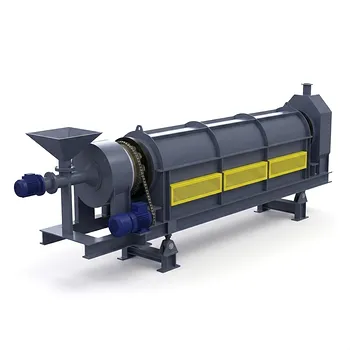
Electric Rotary Kiln Small Rotary Furnace for Activated Carbon Regeneration
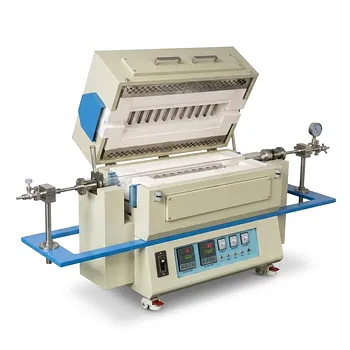
High Temperature Dual Zone Rotating Tube Furnace 1500C Silicon Carbide Heating for Advanced Material Synthesis

High Temperature 1700C Vertical Tube Furnace for Powder Spherification and Material Sintering
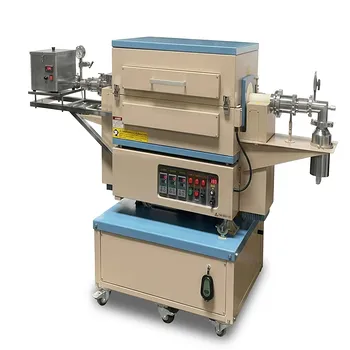
1500C 3-Zone Rotary Tube Furnace 60mm with Automatic Powder Feeding and Receiving System for Continuous Material Synthesis
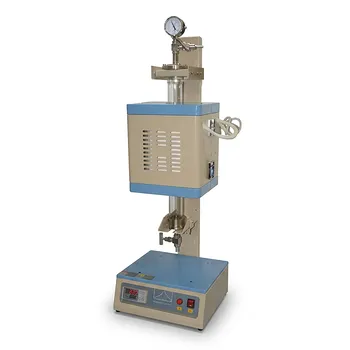
Compact Vertical Split Quartz Tube Furnace with Stainless Steel Vacuum Flanges for Rapid Thermal Quenching and Controlled Atmosphere Material Processing
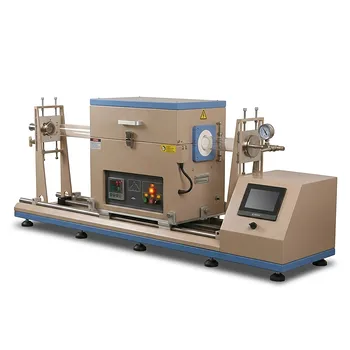
1200C Sliding Tube Furnace for Rapid Thermal Processing and CVD Graphene Growth with 100mm OD Capacity
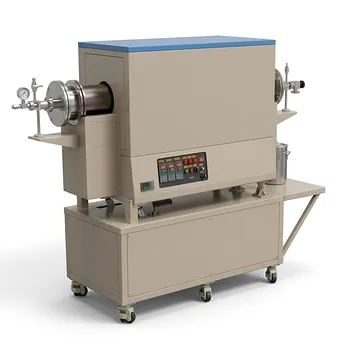
900°C Max Rotary Tube Furnace with 8 Inch 310S Alloy Tube and Optional Multi Zone Heating for Industrial Material Calcination
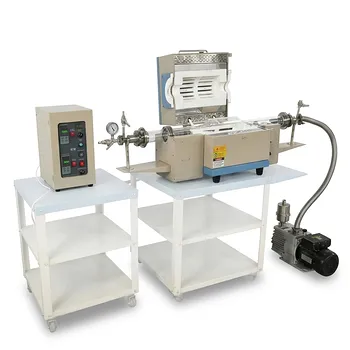
Two Zone Rotary Tube Furnace for Powder CVD Coating and Core Shell Material Synthesis 1100C
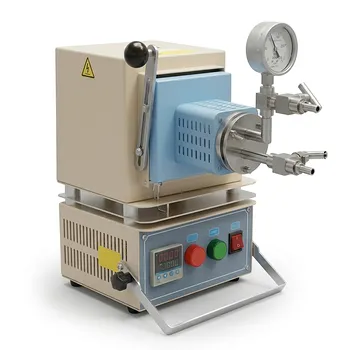
Compact Hybrid Muffle and Tube Furnace for 1000C Controlled Atmosphere Laboratory Material Sintering
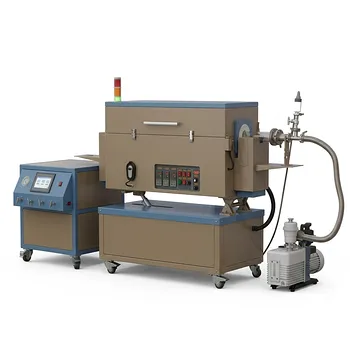
5 Inch Three Zone Rotary Tube Furnace with Integrated Gas Delivery System and 1200C Capability for Advanced Material CVD Processing

Compact High Temperature 1600C Tube Furnace with 50mm Alumina Tube and Vacuum Flanges for Material Sintering
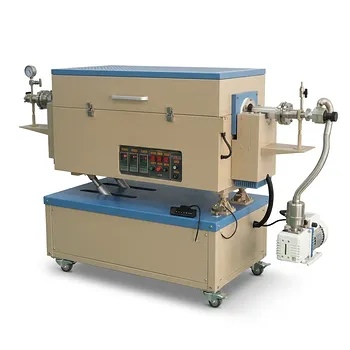
Three Zone Rotary Tube Furnace for High Temperature Powder Processing and Material Research

High Temperature Automated 5 Inch Tube Furnace for Autonomous Material Research and Advanced Laboratory R&D
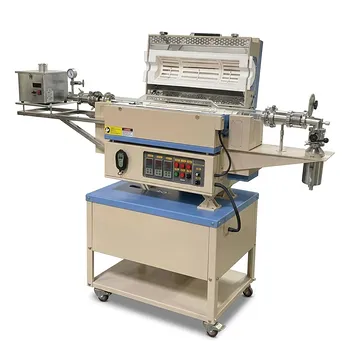
5 Inch Rotary Tube Furnace with Automatic Feeding and Receiving System 1200C Three Zone CVD Powder Processing
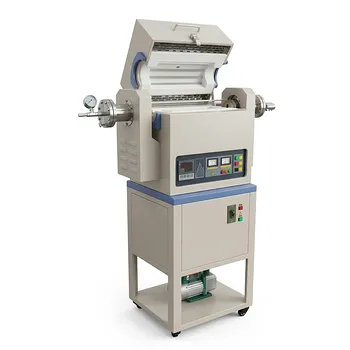
High Temperature Rotary Tilt Tubular Furnaces for Advanced Powder Sintering and Material Processing
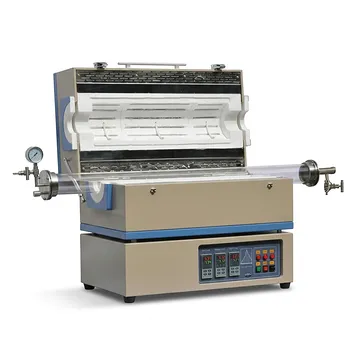
24 Inch Three Zone Split Tube Furnace with Optional Quartz Tube and Vacuum Flange System for High Temperature Material Synthesis
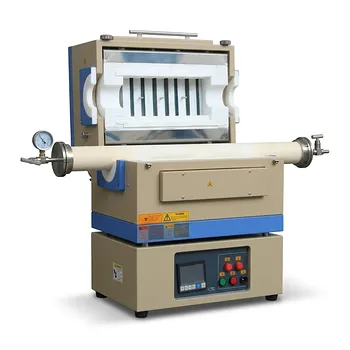
1500C Eight Zone Split Tube Furnace for Thermal Gradient Processing and Advanced Material Research
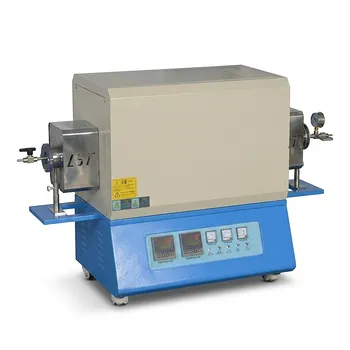
High Temperature Dual Zone Vacuum Tube Furnace for Material Research and CVD Processing
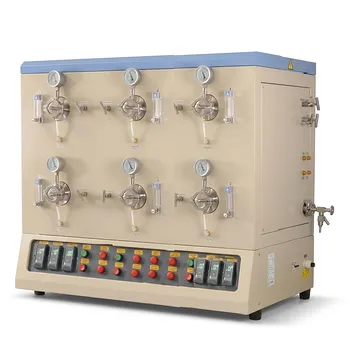
1200C High Throughput Multi Channel Tube Furnace with 50mm Quartz Tubes for Annealing and Material Phase Diagram Research
