What is the primary function and operating principle of an atmosphere furnace? Mastering Controlled Thermal Processing
Updated 5 months ago
An atmosphere furnace is a specialized thermal processing unit designed to replace ambient air with a precisely regulated gas mixture. Its primary function is to protect materials from oxidation and other unwanted chemical reactions at high temperatures by eliminating oxygen from the heating chamber. By introducing specific gases like nitrogen, argon, or hydrogen, the furnace enables both neutral processes, such as annealing, and active thermochemical modifications, such as carburizing.
An atmosphere furnace transforms the heating chamber into a controlled chemical environment, isolating the workpiece from the outside world. This allows for high-temperature processing while ensuring the material's surface integrity or facilitating specific chemical changes that are impossible in normal air.
The Operating Principles of Gas Control
Total Isolation and Oxygen Displacement
The fundamental principle of an atmosphere furnace is the isolation of the internal chamber from the ambient environment. The furnace uses high-purity gases to purge and displace oxygen and moisture, which would otherwise cause surface degradation or combustion.
Maintenance of Positive Pressure
To prevent ambient air from leaking back into the chamber, these furnaces typically operate under a slight positive pressure. This constant flow ensures that any tiny gaps in the seals result in internal gas escaping rather than oxygen entering.
Thermal Energy and Atmosphere Interaction
While the furnace provides thermal energy via electric resistance or radiant tubes, it also utilizes gas circulation to ensure uniform interaction. This synergy between heat and gas ensures that the material is treated consistently across its entire surface.
Types of Controlled Environments
Neutral and Inert Atmospheres
Inert gases like Argon and Nitrogen are used to create a "neutral" environment where no chemical reaction occurs. This is critical for processes like sintering or annealing, where the goal is simply to heat the material without changing its chemical composition.
Reducing and Chemically Active Atmospheres
Some processes require "active" gases, such as Hydrogen or Endothermic mixtures, to remove existing oxides or add carbon to a metal surface. These environments are essential for specialized tasks like the carbonization of cellulose or the hardening of steel.
Vacuum-to-Atmosphere Flexibility
Certain advanced units, known as Vacuum Atmosphere Furnaces, can first pull a high vacuum to remove all impurities before backfilling with a specific gas. This provides the highest possible level of purity for sensitive materials like advanced ceramics or planetary isotope simulations.
Understanding the Trade-offs
Operational Complexity and Cost
Maintaining a controlled atmosphere is significantly more expensive than standard air heating due to the cost of high-purity gases and the complexity of the sealing systems. Users must balance the need for material purity against the increased overhead of gas management.
Safety Risks with Reactive Gases
The use of reducing gases, particularly Hydrogen, introduces significant safety risks including flammability and explosion hazards. These systems require advanced monitoring and venting protocols that are not necessary for simpler inert gas setups.
Temperature and Seal Integrity
Operating at the high end of the scale (near 1200°C) places immense stress on the mechanical seals of the furnace. Over time, these seals can degrade, leading to oxygen "poisoning" of the atmosphere and potentially ruining a batch of material.
Making the Right Choice for Your Goal
To achieve the best results with an atmosphere furnace, your gas selection and temperature profile must align with your specific material requirements.
- If your primary focus is preventing oxidation during annealing: Use a neutral gas like Nitrogen or Argon to maintain a stable, non-reactive environment.
- If your primary focus is surface hardening or reduction: Utilize active gases like Hydrogen or carbon-rich endothermic mixtures to trigger the necessary chemical reactions.
- If your primary focus is high-purity sintering of ceramics: Opt for a Vacuum Atmosphere Furnace to ensure all contaminants are removed before the gas is introduced.
- If your primary focus is planetary or isotope research: Precisely regulate the gas composition to control oxygen fugacity and simulate specific redox conditions.
By mastering the balance of gas chemistry and thermal energy, you can achieve material properties that are impossible in a standard oxygen-rich environment.
Summary Table:
| Process Type | Common Gases Used | Primary Benefit |
|---|---|---|
| Annealing & Sintering | Nitrogen, Argon | Prevents oxidation & maintains surface integrity |
| Hardening & Reduction | Hydrogen, Endothermic Mix | Facilitates active thermochemical modifications |
| High-Purity Sintering | Vacuum + Inert Gas | Eliminates all contaminants for sensitive materials |
| Redox Simulations | Regulated Gas Mixtures | Precise control of oxygen fugacity for research |
Elevate Your Research Precision with THERMUNITS
As a leading manufacturer of high-temperature laboratory equipment, THERMUNITS provides advanced thermal solutions tailored for material science and industrial R&D. Whether you need to prevent oxidation or facilitate complex chemical reactions, our precision-engineered Atmosphere Furnaces deliver the control and reliability your project demands.
Our comprehensive product range includes:
- Furnaces: Muffle, Vacuum, Atmosphere, Tube, Rotary, and Hot Press models.
- Specialized Systems: CVD/PECVD, Dental Furnaces, Electric Rotary Kilns, and Vacuum Induction Melting (VIM) units.
- Components: High-quality Thermal Elements and lab heat treatment accessories.
Ready to achieve superior material properties with expert thermal technology? Contact us today to discuss your specific requirements with our technical team!
Mentioned Products
- Roller Table Atmosphere Furnace 1500C High Temperature Battery Material Sintering System 112L Capacity
- High Temperature Vertical Atmosphere Controlled Furnace 1700C Automatic Bottom Loading 13 Liter Vacuum Thermal System
- 1650C High Temperature Atmosphere Controlled Box Furnace with 65L Chamber for Advanced Material Sintering and Industrial Heat Treatment
- 1200C Hydrogen Atmosphere Box Furnace with 5 Heated Sides and 64L Chamber
- 1200°C Atmosphere Controlled Automatic Bottom Loading Furnace with 6 Inch Quartz Tube
People Also Ask
- How does a high-temperature sintering furnace environment enhance NdFeB magnets? Achieve 98%+ density with precision.
- How does the temperature control precision of a high-temperature sintering furnace affect Na1+xLa1-xZr2O6-δ ceramics?
- How are electric heating elements designed to operate within carburizing atmospheres? Top Design Strategies Revealed
- How does a high-temperature sintering furnace contribute to the interfacial strengthening of SS316L and zirconia?
- Why is a high-temperature sintering furnace required for the preparation of Li(Nb,Ta)O3 precursors? Essential Insights

Tech Team · ThermUnits
Last updated on Apr 14, 2026
Related Products
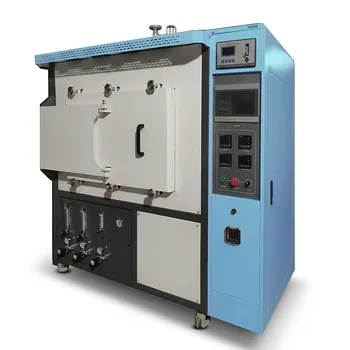
Roller Table Atmosphere Furnace 1500C High Temperature Battery Material Sintering System 112L Capacity
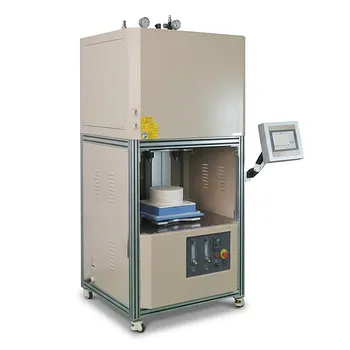
High Temperature Vertical Atmosphere Controlled Furnace 1700C Automatic Bottom Loading 13 Liter Vacuum Thermal System
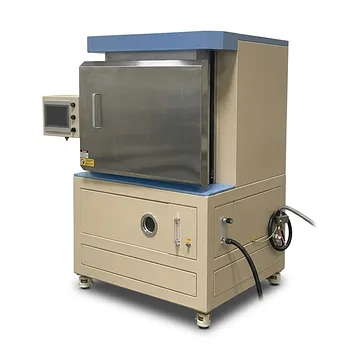
1650C High Temperature Atmosphere Controlled Box Furnace with 65L Chamber for Advanced Material Sintering and Industrial Heat Treatment
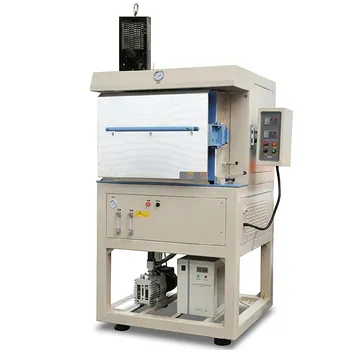
1200C Hydrogen Atmosphere Box Furnace with 5 Heated Sides and 64L Chamber
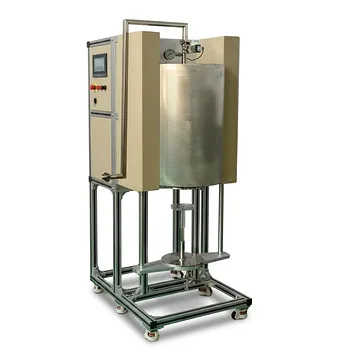
1200°C Atmosphere Controlled Automatic Bottom Loading Furnace with 6 Inch Quartz Tube
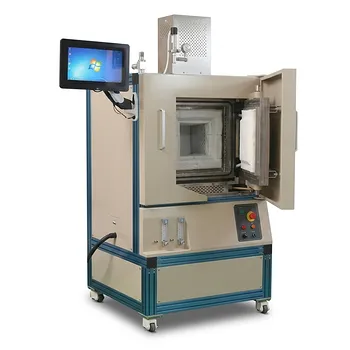
High Temperature Oxygen and Inert Atmosphere Controlled Furnace 8 Liter 1700C Sintering System for Advanced Materials RD
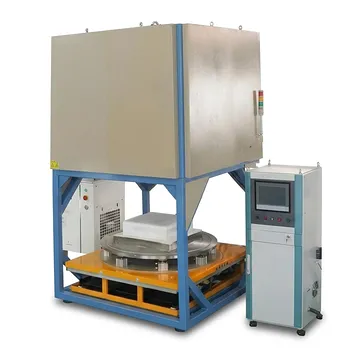
Bottom Loaded Inert Gas Atmosphere Box Furnace 1400C Maximum Temperature 125L High Capacity Laboratory Heat Treatment System
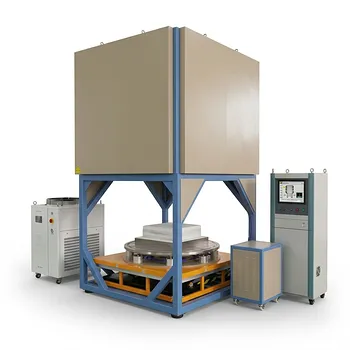
Bottom Loaded Inert Gas Atmosphere Box Furnace 1700C 1300C 216L Large Capacity Industrial Thermal Processing System
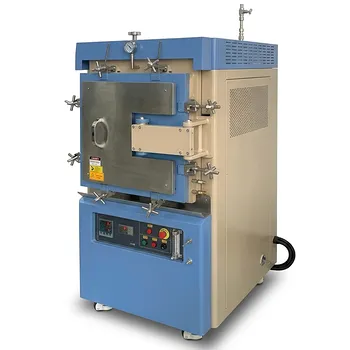
Atmosphere Controlled Muffle Furnace 1700C Maximum Temperature 80L High Capacity Vacuum Inert Gas Box Furnace
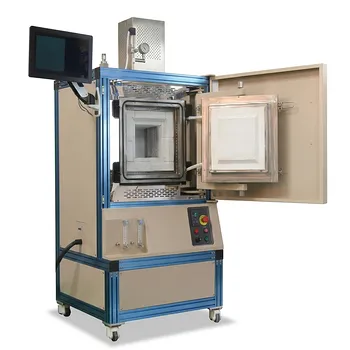
High Temperature Hydrogen Atmosphere Box Furnace 1650C Max Reducing Environment Material Synthesis System 8x8x8 Chamber
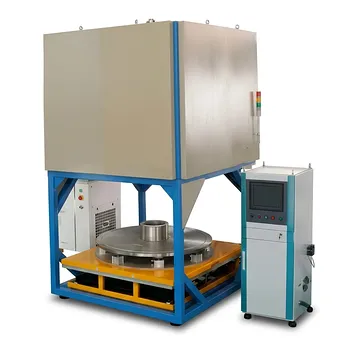
1400C Bottom Loaded Inert Gas Atmosphere Box Furnace with 125L Capacity and Precision Hydraulic Lift
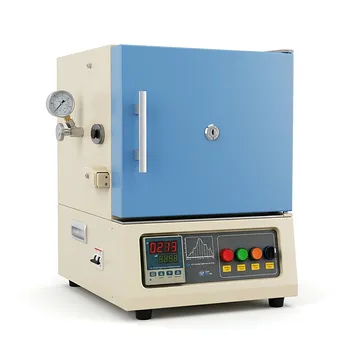
1200C Hybrid Muffle and Tube Furnace for Material Research with Dual Atmosphere Control Quartz Tubes
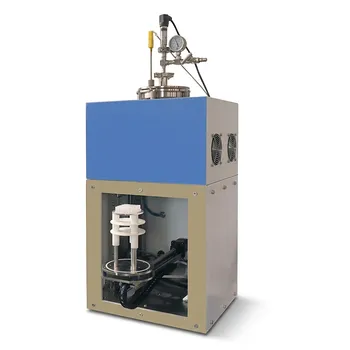
Rapid Thermal Processing RTP Atmosphere Controlled Bottom Loading Furnace 1100C High Throughput 50C per Second Heating Rate
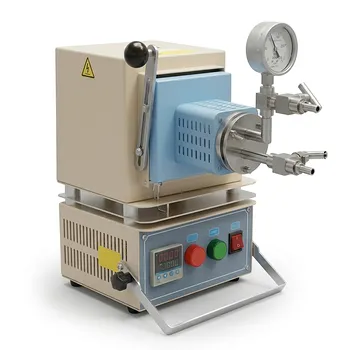
Compact Hybrid Muffle and Tube Furnace for 1000C Controlled Atmosphere Laboratory Material Sintering
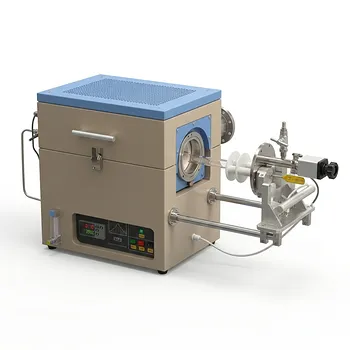
Compact Atmosphere Controlled Rapid Thermal Processing RTP Furnace with 4 Inch ID Quartz Tube 1100C
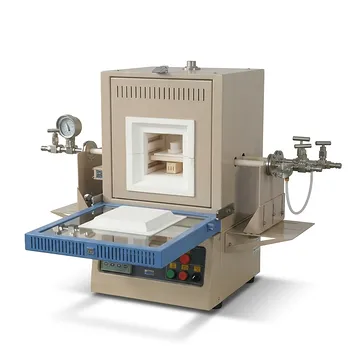
1700C Compact Hybrid Furnace with Dual Layer Box Sintering and Controlled Atmosphere Alumina Tubes

Vertical 1700C Vacuum and Atmosphere Tube Furnace with 80mm Alumina Tube
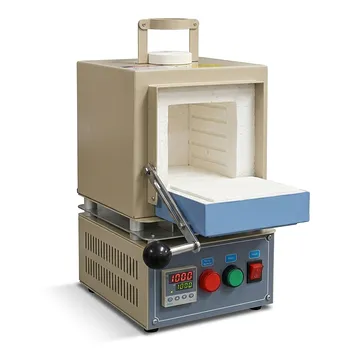
Compact 1000C Muffle Furnace with Programmable Controller and 2 Inch Top Port for Vacuum and Atmosphere Material Research
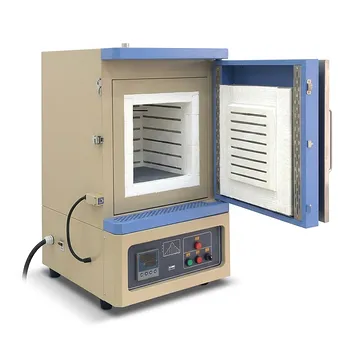
Five Side Heating Muffle Furnace High Purity Alumina Fiber 27L Chamber 1200C High Temperature Thermal Processing System for Sintering Annealing and Materials Research