Why is Nitrogen Flow used in Corncob Carbon Activation? Preventing Combustion for High-Quality Results
Updated 3 months ago
The introduction of nitrogen gas flow is a critical control measure used to establish an inert atmosphere. This flow effectively displaces oxygen from the reaction chamber, preventing the corncob precursor from undergoing aerobic combustion (burning) at high activation temperatures. By maintaining this oxygen-free environment, the process ensures the organic material is converted into a structured carbon skeleton through pyrolysis rather than being reduced to ash.
Core Takeaway: Nitrogen gas acts as a protective shield that shifts the reaction from destructive combustion to constructive carbonization. This preservation of the carbon framework is essential for the chemical activation agent to successfully develop the high surface area and porosity required for effective activated carbon.
Preventing Aerobic Combustion and Carbon Loss
Displacing Oxygen for Pyrolysis
At the high temperatures required for activation—often around 500°C or higher—organic materials like corncobs will naturally ignite if oxygen is present. Nitrogen is an inert gas, meaning it does not react with the carbon precursor under these conditions. By continuously purging the tube furnace, nitrogen ensures the thermal decomposition occurs via pyrolysis (heat in the absence of oxygen) rather than combustion.
Preserving the Carbon Skeleton
The primary goal of the activation process is to rearrange the carbon atoms of the corncob into a stable, porous framework. If oxygen enters the system, it will react with the carbon to form carbon dioxide and ash, physically destroying the material you are trying to create. An inert nitrogen atmosphere protects this emerging skeleton, ensuring the maximum possible carbon yield from the raw precursor.
Facilitating Pore Development and Structural Integrity
Creating the Environment for Selective Etching
Phosphoric acid activation relies on the acid "etching" the carbon to create a network of micropores and mesopores. For this chemical process to be effective, the furnace environment must be stable and non-oxidizing. Nitrogen provides this stability, allowing the activation agent to perform selective etching on the carbon surface without the interference of non-selective oxidation caused by air.
Removal of Volatile Gaseous By-products
As the corncob heats up, it releases volatile organic compounds and gases like carbon monoxide (CO) and hydrogen (H2). A steady nitrogen flow (often measured at rates like 300-500 mL/min) acts as a carrier gas to flush these by-products out of the furnace. This prevents secondary deposition, where released gases might settle back into the pores and clog the newly formed structure, reducing the final product's adsorption capacity.
Understanding the Trade-offs
Gas Flow Rate Management
While a nitrogen flow is necessary, the rate of flow must be carefully calibrated. If the flow is too low, oxygen may leak back into the system or volatile by-products may not be fully removed, leading to poor pore development. Conversely, an excessively high flow rate can lead to thermal gradients or heat loss within the furnace, potentially resulting in incomplete activation of the corncob.
Purity and Cost Considerations
The effectiveness of the process is highly dependent on the purity of the nitrogen used (typically 99.99%). Using lower-grade nitrogen can introduce trace amounts of oxygen or moisture, which can cause minor surface oxidation and alter the surface chemistry of the activated carbon. While high-purity nitrogen increases operational costs, it is a necessary investment to ensure reproducible results and high specific surface area.
How to Apply This to Your Project
When setting up your phosphoric acid activation process, your nitrogen strategy should align with your specific material goals:
- If your primary focus is Maximum Surface Area: Maintain a steady, high-purity nitrogen flow throughout the entire heating and cooling cycle to ensure no oxygen ever contacts the material at high temperatures.
- If your primary focus is High Carbon Yield: Ensure the furnace is completely purged of air before the heating elements are engaged to prevent any initial combustion of the raw corncob.
- If your primary focus is Consistent Pore Structure: Monitor and standardize your gas flow rate (e.g., 500 mL/min) to ensure that volatile by-products are removed at a constant rate, preventing secondary deposition.
By masterfully controlling the inert environment within the tube furnace, you transform a simple agricultural byproduct into a high-performance technical material.
Summary Table:
| Role of Nitrogen | Impact on Process | Primary Benefit |
|---|---|---|
| Inert Atmosphere | Displaces oxygen to prevent aerobic combustion | High carbon skeleton yield |
| Pyrolysis Support | Enables thermal decomposition without burning | Stable carbon structure |
| Volatile Removal | Flushes out CO, H2, and gaseous by-products | Prevents pore clogging |
| Process Stability | Ensures non-oxidizing environment for etching | Uniform pore development |
Elevate Your Carbon Research with THERMUNITS
Producing high-performance activated carbon requires absolute control over your thermal environment. THERMUNITS is a leading manufacturer of high-temperature laboratory equipment for material science and industrial R&D. We specialize in providing the precision required for delicate processes like the phosphoric acid activation of biomass.
Our comprehensive range of thermal solutions—including Tube Furnaces, Atmosphere Furnaces, and CVD/PECVD systems—are engineered to offer superior gas flow management and temperature uniformity. Whether you are developing advanced energy storage materials or industrial adsorbents, our equipment ensures the reproducible results your research demands.
Why partner with THERMUNITS?
- Precision Control: Advanced gas purging systems for perfect inert atmospheres.
- Versatile Solutions: From Muffle and Vacuum furnaces to Rotary and Hot Press systems.
- Expert Support: Specialized equipment tailored for material science and industrial R&D.
Ready to optimize your heat treatment results? Contact us today to discuss your laboratory needs!
References
- Hasaruwani S. Kiridena, Dragan Isailović. Evaluation of Carbonized Corncobs for Removal of Microcystins and Nodularin-R from Water. DOI: 10.3390/separations11030084
Mentioned Products
- Electric Rotary Kiln Small Rotary Furnace for Activated Carbon Regeneration
- 5 Inch Three Zone Rotary Tube Furnace with Integrated Gas Delivery System and 1200C Capability for Advanced Material CVD Processing
- High Temperature 1700C Vertical Tube Furnace for Powder Spherification and Material Sintering
- High Temperature Dual Zone Rotating Tube Furnace 1500C Silicon Carbide Heating for Advanced Material Synthesis
- Two Zone Rotary Tube Furnace for Powder CVD Coating and Core Shell Material Synthesis 1100C
People Also Ask
- What are the primary components and heating mechanisms of an electric rotary kiln? Optimize High-Purity Heat Treatment
- Which minerals and specialty chemicals are commonly processed using electric rotary kilns? Precision Thermal Processing Guide
- What are the maintenance and service life advantages of an electric rotary kiln? 25+ Year Longevity & Low Maintenance
- How does the use of an electric rotary kiln facilitate CO2 capture in cement and lime production? Achieve High-Purity CCUS
- What thermal efficiency can be expected from an electric rotary kiln compared to fuel-fired alternatives? Gain 95% efficiency.

Tech Team · ThermUnits
Last updated on Jun 03, 2026
Related Products
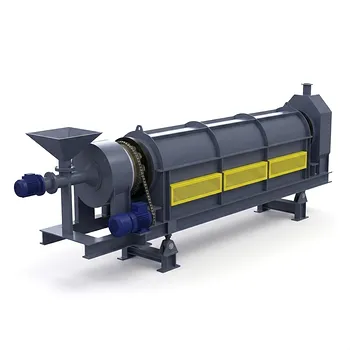
Electric Rotary Kiln Small Rotary Furnace for Activated Carbon Regeneration
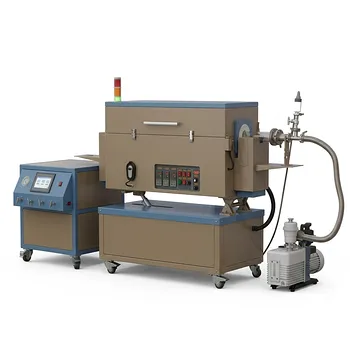
5 Inch Three Zone Rotary Tube Furnace with Integrated Gas Delivery System and 1200C Capability for Advanced Material CVD Processing

High Temperature 1700C Vertical Tube Furnace for Powder Spherification and Material Sintering
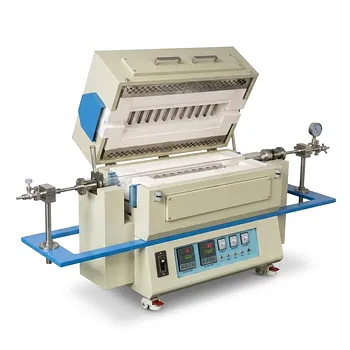
High Temperature Dual Zone Rotating Tube Furnace 1500C Silicon Carbide Heating for Advanced Material Synthesis
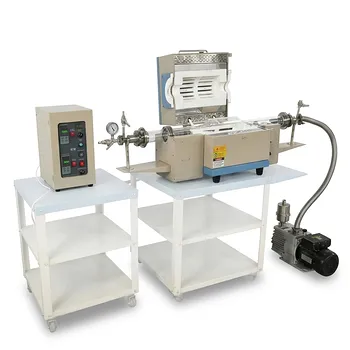
Two Zone Rotary Tube Furnace for Powder CVD Coating and Core Shell Material Synthesis 1100C
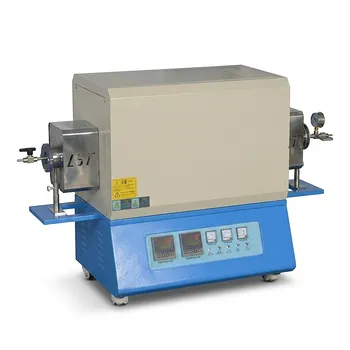
High Temperature Dual Zone Vacuum Tube Furnace for Material Research and CVD Processing
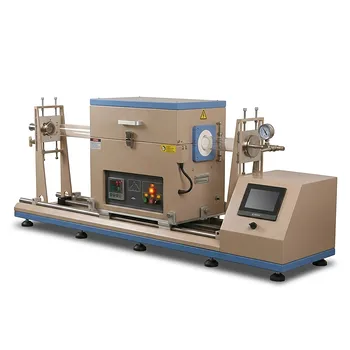
1200C Sliding Tube Furnace for Rapid Thermal Processing and CVD Graphene Growth with 100mm OD Capacity
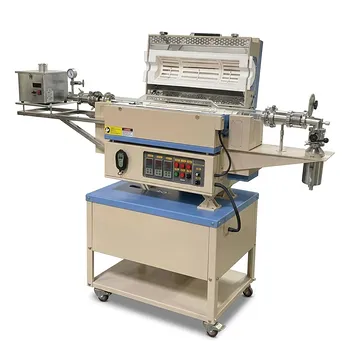
5 Inch Rotary Tube Furnace with Automatic Feeding and Receiving System 1200C Three Zone CVD Powder Processing
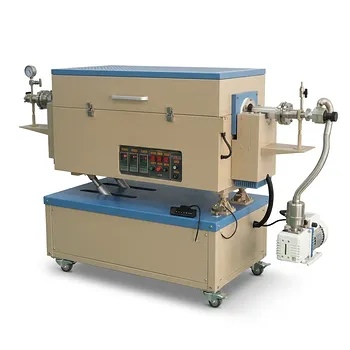
Three Zone Rotary Tube Furnace for High Temperature Powder Processing and Material Research

High Temperature Tube Furnace 1500C with Sliding Flanges and 50mm OD for Rapid Thermal Processing Fast Heating and Cooling
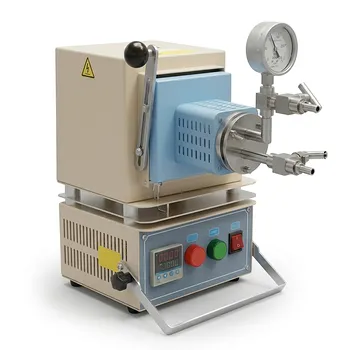
Compact Hybrid Muffle and Tube Furnace for 1000C Controlled Atmosphere Laboratory Material Sintering

Compact Vertical Split Quartz Tube Furnace with Stainless Steel Vacuum Flanges for Rapid Thermal Quenching and Controlled Atmosphere Material Processing

Compact High Temperature 1600C Tube Furnace with 50mm Alumina Tube and Vacuum Flanges for Material Sintering
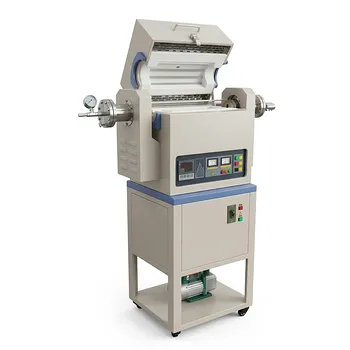
High Temperature Rotary Tilt Tubular Furnaces for Advanced Powder Sintering and Material Processing
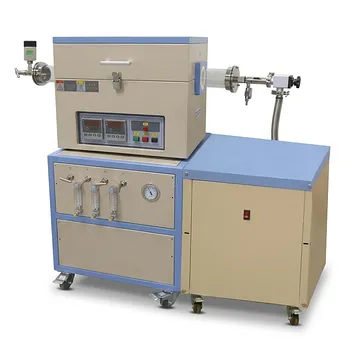
Dual Zone Quartz Tube Furnace with 80mm Diameter 1200C Max Temperature 3 Channel Gas Mixer and Vacuum Pump System

High Temperature Automated 5 Inch Tube Furnace for Autonomous Material Research and Advanced Laboratory R&D
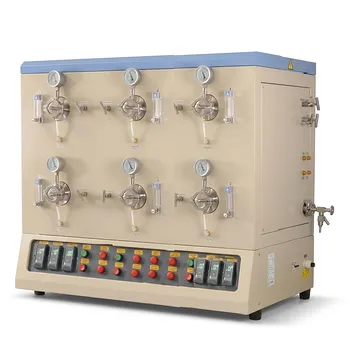
1200C High Throughput Multi Channel Tube Furnace with 50mm Quartz Tubes for Annealing and Material Phase Diagram Research
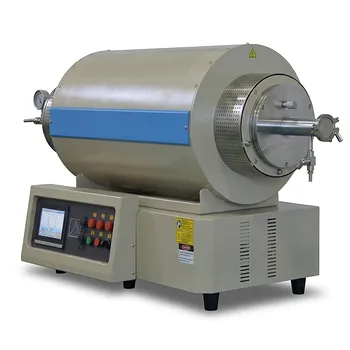
1200C Max Three Zone Tube Furnace 6 Inch OD Max with Tube and Flange
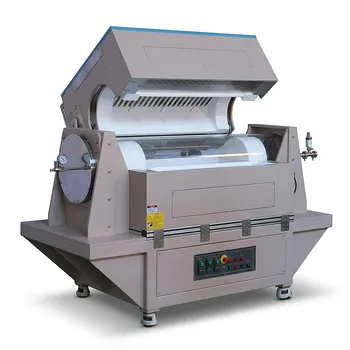
Three Zone Tube Furnace with 11 Inch or 15 Inch Quartz Tube and Hinged Flanges for Vacuum Atmosphere Heat Treatment
