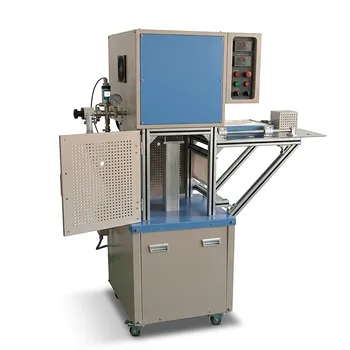
What is the primary role of a Vacuum Muffle Furnace in sintering? Achieve high-density and oxide-free materials.
Updated 3 months ago
The primary role of a Vacuum Muffle Furnace is to create an oxygen-free environment that facilitates material densification while preventing degradation. It removes atmospheric contaminants and trapped gases from between powder particles, allowing for atomic diffusion and material rearrangement. This process results in a high-purity final product with high density and superior mechanical properties.
By eliminating oxygen and facilitating gas removal, the Vacuum Muffle Furnace ensures that high-performance materials reach their theoretical density without the structural weaknesses caused by oxidation or trapped porosity.
Eliminating Atmospheric Contamination
Prevention of Material Oxidation
A Vacuum Muffle Furnace excludes oxygen and other active gases from the heating chamber. This is critical for metal powders and high-performance ceramics that would otherwise react with air at high temperatures.
Avoiding Material Brittleness
By preventing gas absorption during the heating process, the furnace ensures that materials do not become brittle. This protection is essential for maintaining the integrity of the material's microstructure during its transition from a powder preform to a solid body.
Maintaining Phase Purity
The high-vacuum environment ensures that the chemical composition of the raw materials remains unchanged. This allows for the formation of precise crystal nuclei and prevents the development of unwanted secondary phases that could weaken the finished product.
Driving the Densification Mechanism
Removal of Interstitial Gases
One of the most critical functions is the extraction of residual gases trapped between powder particles. Removing these gases prevents the formation of macroscopic pores and internal bubbles that would otherwise compromise the structural integrity of the ceramic or metal matrix.
Promoting Atomic Diffusion
In a vacuum, the movement of atoms across particle boundaries is enhanced. This solid-phase diffusion allows particles to bond more effectively, leading to a significant increase in the material's overall density.
Material Rearrangement
The absence of atmospheric pressure within the pores allows the material to rearrange itself more efficiently during the sintering process. This leads to a more uniform distribution of particles, such as nano-metal particles within a ceramic matrix, which optimizes fracture toughness.
Specialized Material Protection
Inhibiting Graphitization
For specialized composites like diamond-containing ceramics, the vacuum environment inhibits the excessive graphitization of diamonds. This ensures that the abrasive properties of the diamond are preserved while a stable bond is formed with the metal matrix.
Protecting Reactive Metal Matrices
In composites involving aluminum or other reactive metals, the vacuum prevents the metal from oxidizing before it can bond with other components. This is vital for creating a strong physical bond between a metal matrix and abrasive particles.
Understanding the Trade-offs
Vacuum vs. Protective Atmospheres
While a vacuum is highly effective for many materials, some processes may require a specific protective atmosphere, such as Argon or Nitrogen. Vacuum environments can occasionally cause certain elements with high vapor pressures to "boil off" or sublime, which may alter the material's chemistry.
Energy and Equipment Costs
Operating a Vacuum Muffle Furnace is generally more complex and expensive than sintering in a standard air environment. The need for high-quality seals, vacuum pumps, and precise monitoring systems adds significant overhead to the production process.
Cooling Rate Limitations
Vacuum is an excellent insulator, which can make controlled cooling slower than in atmosphere-based furnaces. This must be managed carefully to avoid internal stresses in the material during the final stages of the thermal cycle.
Making the Right Choice for Your Goal
How to Apply This to Your Project
Depending on your specific material requirements, the use of a vacuum environment should be tailored to the desired outcome of the sintering process.
- If your primary focus is Maximum Density: Use a high-vacuum environment to ensure all residual gas is removed from the powder preform, preventing internal porosity.
- If your primary focus is Oxidation Prevention: Ensure the furnace is capable of reaching a high vacuum before heating begins to protect sensitive metal or ceramic powders.
- If your primary focus is Composite Stability: Use vacuum sintering to inhibit unwanted phase changes, such as the graphitization of diamond or the oxidation of aluminum binders.
- If your primary focus is Precision Microstructure: Utilize a vacuum furnace with a precise temperature control system to ensure uniform particle distribution and phase purity.
Choosing the correct vacuum environment is the definitive factor in transforming raw powders into high-performance, high-density engineered materials.
Summary Table:
| Function | Key Benefit | Ideal Application |
|---|---|---|
| Atmospheric Control | Prevents oxidation and material brittleness | Reactive metals & high-purity ceramics |
| Gas Extraction | Eliminates interstitial pores and internal bubbles | Dense powder preforms & nano-composites |
| Enhanced Diffusion | Promotes atomic bonding for theoretical density | High-performance industrial R&D |
| Phase Preservation | Inhibits graphitization and maintains purity | Diamond composites & metal-matrix binders |
Optimize Your Sintering Process with THERMUNITS
As a leading manufacturer of high-temperature laboratory equipment, THERMUNITS empowers material science and industrial R&D professionals with precision thermal solutions. Whether you are working on the densification of high-performance ceramics or the sintering of reactive metal powders, our advanced technology ensures superior purity and structural integrity.
Our comprehensive product range includes:
- Vacuum, Muffle, and Atmosphere Furnaces
- Tube, Rotary, and Hot Press Furnaces
- CVD/PECVD Systems & Dental Furnaces
- Vacuum Induction Melting Furnaces (VIM) & Electric Rotary Kilns
Ready to achieve maximum material density and eliminate oxidation in your lab? Contact us today to find your perfect heat treatment solution!
References
- Yejin Song, Jeong Young Park. Reversibility in Structural Dynamics on Pt−Ni Bimetallic Nanocrystals under Redox Conditions. DOI: 10.1002/cctc.202401082
Mentioned Products
- Atmosphere Controlled Muffle Furnace 1700C Maximum Temperature 80L High Capacity Vacuum Inert Gas Box Furnace
- Compact 1000C Muffle Furnace with Programmable Controller and 2 Inch Top Port for Vacuum and Atmosphere Material Research
- High Temperature Hybrid Muffle and Tube Furnace with Vacuum Capability and PID Control
- 1200C Hybrid Muffle and Tube Furnace for Material Research with Dual Atmosphere Control Quartz Tubes
- Triple Tube Compact Hybrid Muffle Furnace 1000C High Vacuum Thermal Processing System
People Also Ask
- How can atmosphere control be achieved in a muffle furnace? Mastering Precision Gas Environments for Material Research
- What role does atmosphere control play in technical ceramics and glass? Master Material Purity and Precision
- What are the typical operating temperature ranges for standard and advanced muffle furnaces? Expert Temperature Guide.
- In what ways do muffle furnaces support aerospace and advanced materials testing? Essential High-Temp Validation Tools
- How is the ash content of polymers and plastics determined using a muffle furnace? Essential Guide for QC & R&D

Tech Team · ThermUnits
Last updated on Jun 02, 2026
Related Products
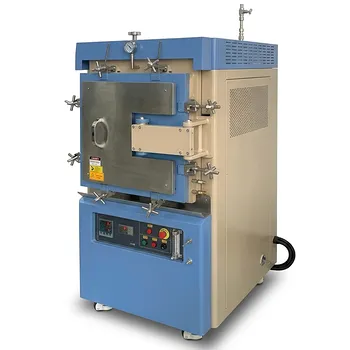
Atmosphere Controlled Muffle Furnace 1700C Maximum Temperature 80L High Capacity Vacuum Inert Gas Box Furnace
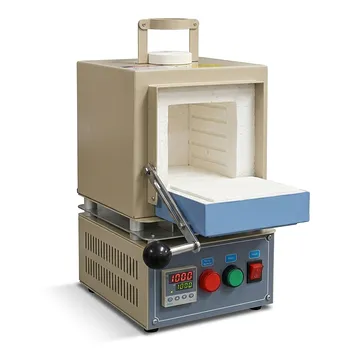
Compact 1000C Muffle Furnace with Programmable Controller and 2 Inch Top Port for Vacuum and Atmosphere Material Research
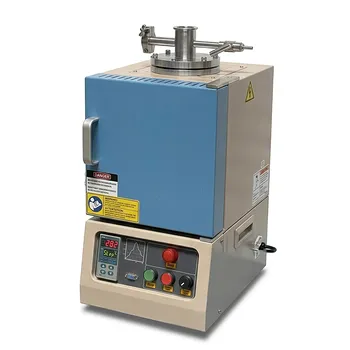
High Temperature Hybrid Muffle and Tube Furnace with Vacuum Capability and PID Control
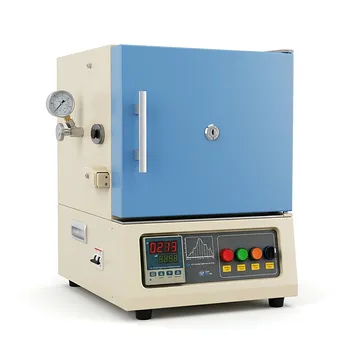
1200C Hybrid Muffle and Tube Furnace for Material Research with Dual Atmosphere Control Quartz Tubes
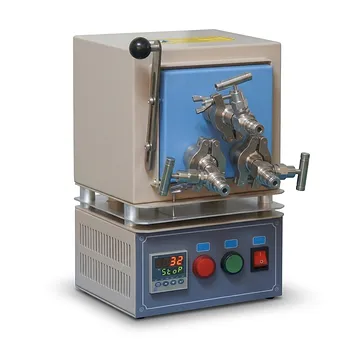
Triple Tube Compact Hybrid Muffle Furnace 1000C High Vacuum Thermal Processing System
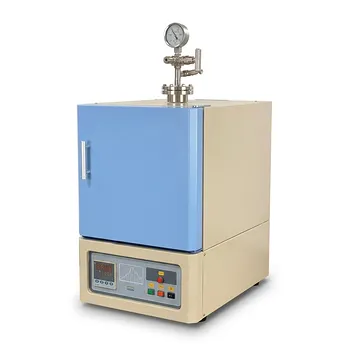
Hybrid High Temperature Muffle and Tube Furnace with 1500C Capability and Vacuum Flange Assembly
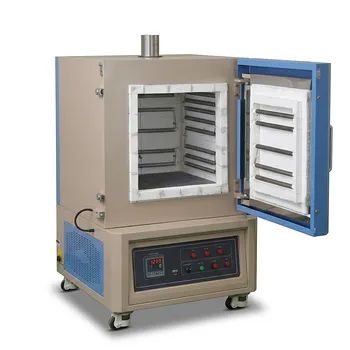
1200C High Temperature 125L Muffle Furnace 5 Side Heating for Large Batch Sintering with Optional Alloy Debinding Chamber
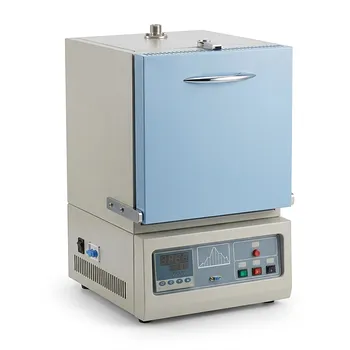
1750C Compact Muffle Furnace 1.7L Ultra High Temperature Laboratory Sintering System for Advanced Ceramics and Material Science Research
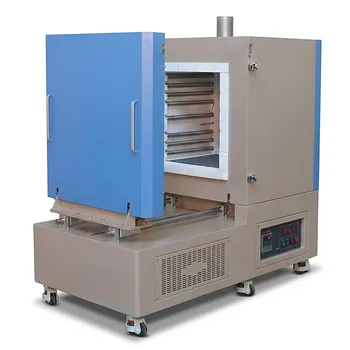
1200C Five Side Heating Muffle Furnace with Sliding Door 125L Volume High Temperature Heat Treatment System for Large Scale Sintering and Annealing
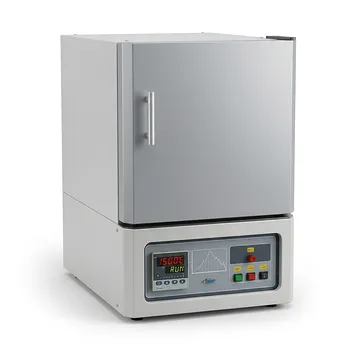
High Temperature 1500C Benchtop Muffle Furnace 3.6L Alumina Fiber Chamber Programmable Controller Sintering Annealing Carbonization Thermal Processing System
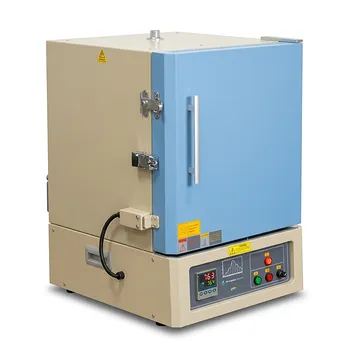
Large Capacity 1200C Muffle Furnace 64 Liter Chamber with Digital PID Controller and Built In Venting Port
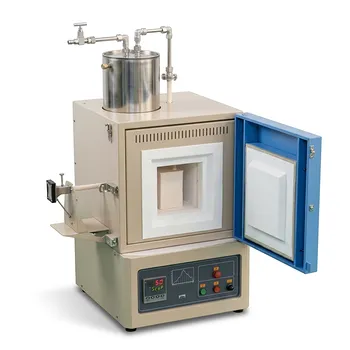
High Temperature Bench Top Muffle Furnace 1700C with Integrated Evaporating Particle Collection and 8x8x8 Alumina Fiber Chamber
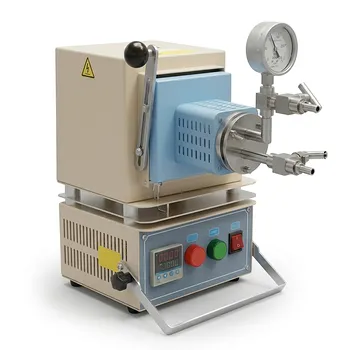
Compact Hybrid Muffle and Tube Furnace for 1000C Controlled Atmosphere Laboratory Material Sintering
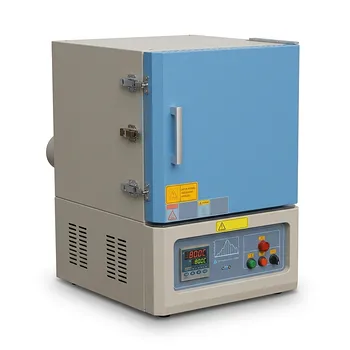
1800C Bench Top Muffle Furnace 18 Liters with Kanthal Super 1900 Heating Elements for High Purity Ceramic Sintering and Material Research
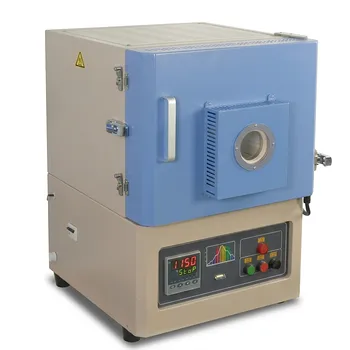
High Temperature Benchtop Muffle Furnace with Quartz Observation Window for Thermal Imaging and Material Analysis
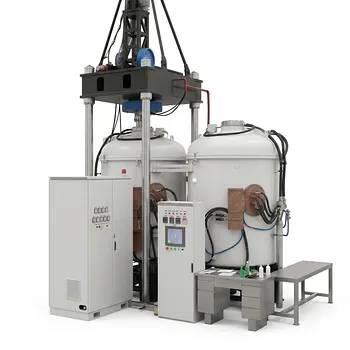
High Pressure 600T Vacuum Induction Hot Press Furnace for Advanced Material Heat Treatment and Sintering
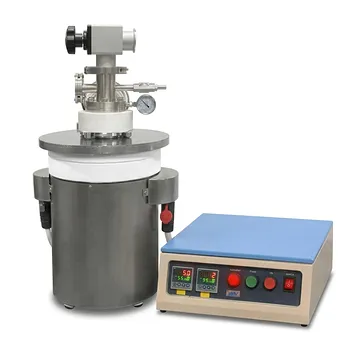
1100C High Temperature Vacuum Crucible Furnace with Quartz Chamber for Thermal Processing and Sintering
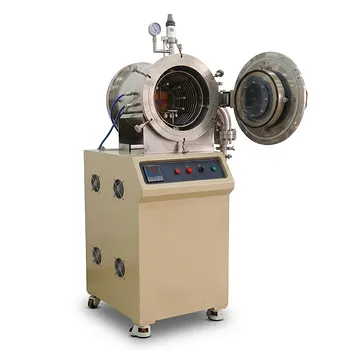
High Temperature Cold Wall High Vacuum Chamber Furnace 1400C for Advanced Material Processing
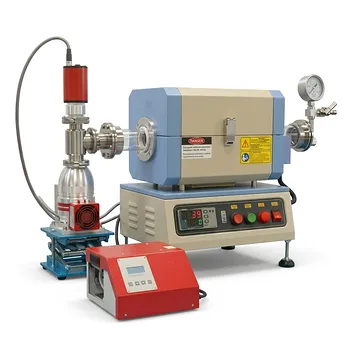
High Vacuum Compact Tube Furnace 1200C with Integrated Turbo Pump System and 8 Inch Heating Zone