Why use argon in RHEA high-temp softening tests? Protect alloy integrity and ensure precise research data.
Updated 3 months ago
The introduction of high-purity argon gas is a critical safeguard designed to exclude active oxygen from the testing environment. By creating an inert atmosphere, it prevents the severe surface oxidation of elements highly sensitive to oxygen, such as titanium, zirconium, niobium, and vanadium. This protection ensures that high-temperature measurements—specifically hardness and thermal expansion—reflect the intrinsic properties of the refractory high-entropy alloy (RHEA) rather than the characteristics of a brittle or artificial oxide scale.
Core Takeaway: High-purity argon serves as a protective barrier that preserves the chemical integrity and surface state of refractory alloys at extreme temperatures. This allows researchers to obtain accurate, reproducible data on the material's internal behavior without interference from environmental contamination.
Protecting the Integrity of Refractory Elements
Sensitivity of High-Activity Elements
Refractory high-entropy alloys often contain a complex blend of elements like titanium (Ti), zirconium (Zr), niobium (Nb), and vanadium (V). These specific metals possess a high affinity for oxygen, meaning they will react and form oxides almost instantly when heated in a standard atmosphere.
Prevention of Surface Oxidation
At the elevated temperatures required for softening tests, the rate of oxidation increases exponentially. High-purity argon gas effectively flushes the furnace chamber to displace air, ensuring that the "true surface state" of the specimen is maintained throughout the heating cycle.
Maintaining Microstructural Consistency
By eliminating oxygen and nitrogen from the reaction zone, the argon atmosphere ensures the surface microstructure remains consistent with the internal bulk material. This is essential for fracture analysis and mechanical testing, as it prevents the formation of a brittle "alpha-case" or surface decarburization that could lead to premature failure.
Ensuring Data Accuracy and Reliability
Interference from Oxide Scales
If an oxide scale forms on the sample, any measurements taken during a softening test become compromised. The hardness and thermal expansion recorded would be a composite of the oxide layer and the underlying metal, rather than the intrinsic properties of the alloy itself.
Preserving Chemical Stoichiometry
Refractory HEAs rely on a precise balance of elements to achieve high configurational entropy (ΔSconfig). The loss of high-activity elements like aluminum or chromium to oxidation would alter the alloy's designed chemical composition, fundamentally changing its physical performance.
Stabilization of Physical Pressure
In addition to chemical protection, the introduction of argon at specific pressures can inhibit the rapid evaporation of low-melting-point components. This provides a stable physical environment that prevents the material from losing mass or changing its elemental ratio during prolonged high-temperature exposure.
Understanding the Trade-offs
The Necessity of Gas Purity
Standard industrial argon is often insufficient for RHEA testing; only high-purity argon provides the necessary oxygen-free environment. Even trace amounts of residual oxygen can lead to "internal oxidation," where oxygen penetrates the grain boundaries and alters the alloy's ductility.
Flow Rate and Turbulence Concerns
While a continuous flow of argon is required to flush contaminants, excessive flow rates can cause thermal fluctuations within the furnace. This can lead to uneven heating of the specimen, which introduces errors in thermal expansion measurements and complicates the interpretation of softening data.
Cost and Equipment Complexity
Maintaining a vacuum-tight chamber capable of holding high-purity argon at 1600°C+ increases the operational complexity and cost of the experiment. However, this is a necessary investment, as testing in a reactive atmosphere would render the resulting data scientifically invalid.
How to Apply This to Your Research
Selecting the Right Atmosphere for Your Goal
The use of argon should be tailored to the specific sensitivities of your alloy and the temperature range of your test.
- If your primary focus is Hardness or Softening Curves: Ensure a continuous, low-velocity flow of high-purity argon to keep the surface pristine for indenter contact.
- If your primary focus is Chemical Stoichiometry: Prioritize a sealed, pressurized argon environment to prevent the vaporization of volatile alloying elements at extreme temperatures.
- If your primary focus is Fracture and Ductility: Use argon to specifically block the formation of brittle surface layers (like the alpha-case in Ti-bearing alloys) that could trigger surface cracks.
Precise atmospheric control is the only way to bridge the gap between theoretical alloy design and reliable experimental validation.
Summary Table:
| Feature | Function | Research Benefit |
|---|---|---|
| Oxygen Exclusion | Prevents surface oxidation | Accurate intrinsic property measurements |
| Inert Atmosphere | Blocks brittle layer formation | Maintains microstructural consistency |
| Pressure Stability | Inhibits element evaporation | Preserves precise chemical stoichiometry |
| Purity Control | Prevents internal oxidation | Ensures long-term material ductility |
Elevate Your Material Research with THERMUNITS
Precision is paramount when testing refractory high-entropy alloys. THERMUNITS is a leading manufacturer of high-temperature laboratory equipment, providing the specialized thermal environments necessary for advanced material science and industrial R&D.
Our comprehensive range of thermal processing solutions—including Atmosphere, Vacuum, Tube, and Muffle furnaces, as well as CVD/PECVD systems and Hot Press furnaces—are designed to offer superior atmospheric control, preventing oxidation and ensuring your experimental data is both accurate and reproducible.
Don't let environmental contamination compromise your results. Contact us today to discuss your heat treatment needs and see how our expertise can empower your next breakthrough.
References
- Ottó K. Temesi, L.K. Varga. Thermal Softening Measurements of Refractory High-Entropy Alloys. DOI: 10.3390/ma17235718
Mentioned Products
- Vertical Hybrid High Temperature Furnace 1500C Alumina Tube SOFC Fuel Cell Testing Laboratory Heat Treatment Research Equipment
- 1100C Crucible Melting Furnace with Stirring Function for Glovebox and Air Sensitive Alloy Research
- High Temperature Muffle Furnace with Alloy Chamber for Debinding and Sintering Applications
- High Temperature Vertical Hybrid Furnace with Alumina Tube and SiC Heating for SOFC Coin Cell Testing and Atmosphere Processing
- High Temperature 1700C Vertical Tube Furnace for Powder Spherification and Material Sintering
People Also Ask
- What role does a laboratory furnace play in polyester-based porous carbon activation? Optimize Pore Engineering & R&D
- How does a high-temperature solution furnace affect the evolution of strengthening phases in Fe-Co-Mo alloys? Expert Guide
- Which materials are used for thermal elements in furnaces exceeding 1,500°C? Expert Guide to Extreme Heat Solutions
- How does final coking temperature influence carbon structure? Optimize Thermal Precision for High-Performance Materials
- Why is a high-purity nitrogen atmosphere required during carbonization of OMC? Protect Your Material Integrity

Tech Team · ThermUnits
Last updated on Jun 02, 2026
Related Products
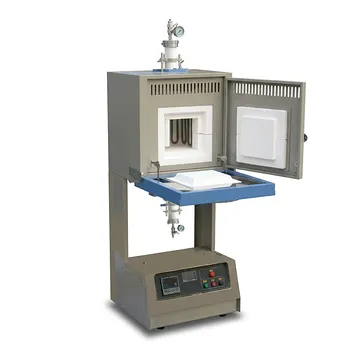
Vertical Hybrid High Temperature Furnace 1500C Alumina Tube SOFC Fuel Cell Testing Laboratory Heat Treatment Research Equipment
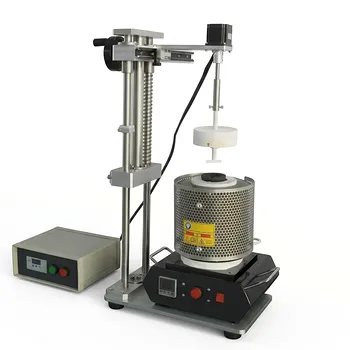
1100C Crucible Melting Furnace with Stirring Function for Glovebox and Air Sensitive Alloy Research
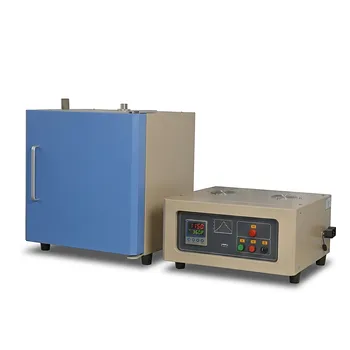
High Temperature Muffle Furnace with Alloy Chamber for Debinding and Sintering Applications
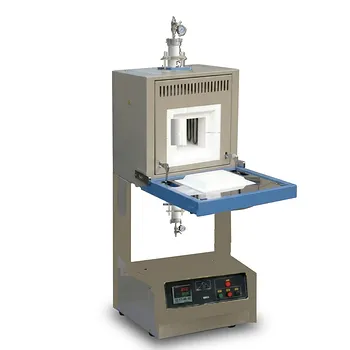
High Temperature Vertical Hybrid Furnace with Alumina Tube and SiC Heating for SOFC Coin Cell Testing and Atmosphere Processing

High Temperature 1700C Vertical Tube Furnace for Powder Spherification and Material Sintering
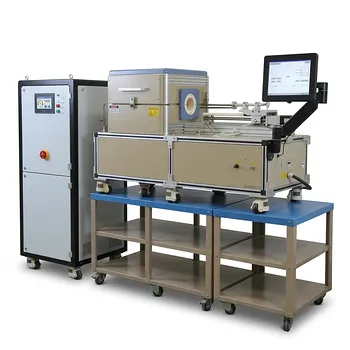
1650C Recirculating Steam Corrosion and Thermal Shock Testing Furnace with Integrated Water Vapor Generator and Automated Sample Delivery
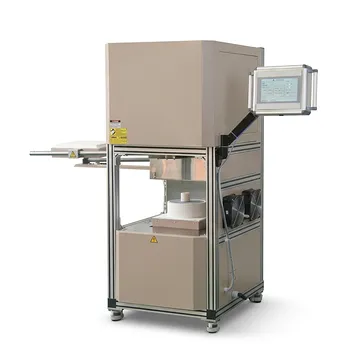
1600C High Temperature Automatic Bottom Loading Furnace for Thermal Shock Cycling and Material Fatigue Testing
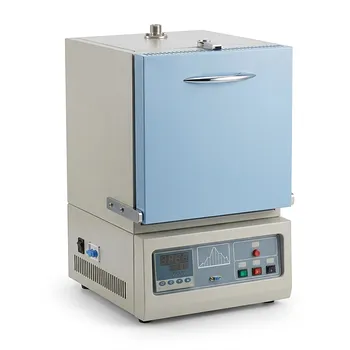
1750C Compact Muffle Furnace 1.7L Ultra High Temperature Laboratory Sintering System for Advanced Ceramics and Material Science Research
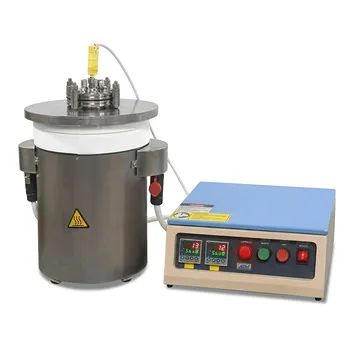
600°C Vertical Crucible Furnace with SS316 Alloy Reactor and 6 Port Vacuum Flange
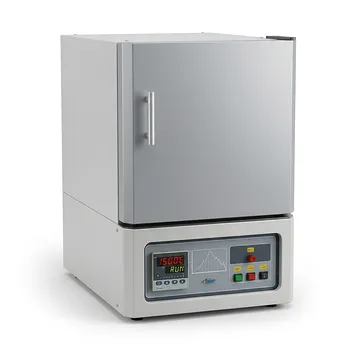
High Temperature 1500C Benchtop Muffle Furnace 3.6L Alumina Fiber Chamber Programmable Controller Sintering Annealing Carbonization Thermal Processing System
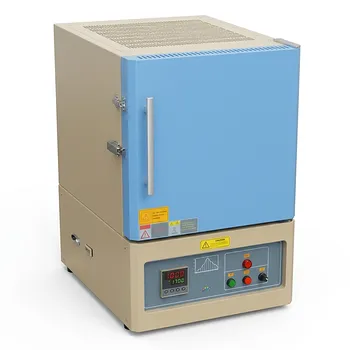
Large Bench Top 1700C High Temperature Muffle Furnace with 19L Chamber for Advanced Material Sintering and Annealing
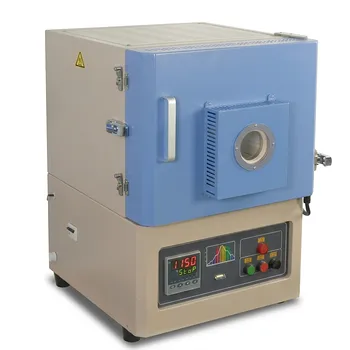
High Temperature Benchtop Muffle Furnace with Quartz Observation Window for Thermal Imaging and Material Analysis
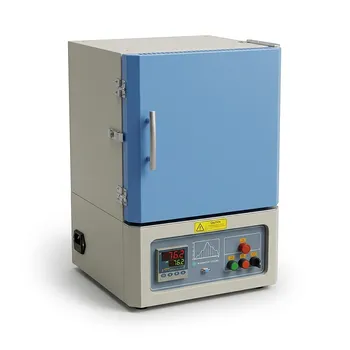
1750C Bench Top Muffle Furnace 3.6L High Grade Molybdenum Disilicide Heating Elements Laboratory Heat Treatment Equipment
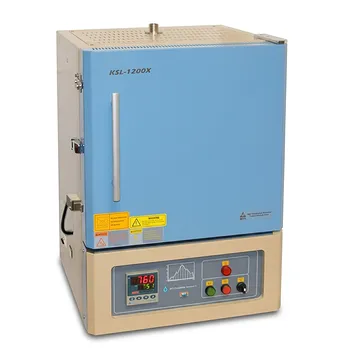
High Temperature 1200C Muffle Furnace 27L Volume 12x12x12 Chamber with Programmable PID Controller for Laboratory Material Science
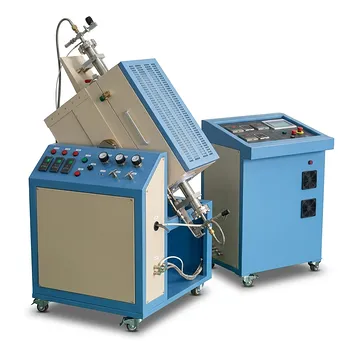
1100C High Pressure Rocking Tube Furnace with 2 Inch Super Alloy Processing Tube for Material Synthesis
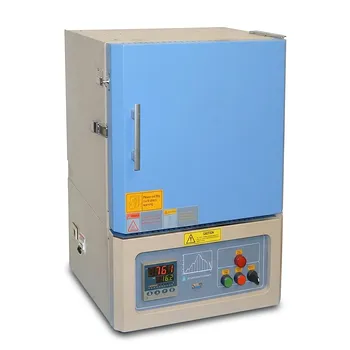
High Temperature 1700C Bench Top Muffle Furnace with Alumina Fiber Insulation and 3.6L Chamber Capacity for Precision Sintering and Heat Treatment
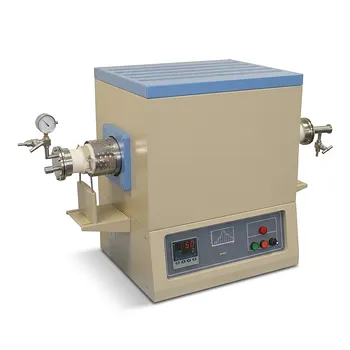
1700C High Temperature Alumina Tube Furnace with 18 Inch Heated Zone and Vacuum Sealing Flanges
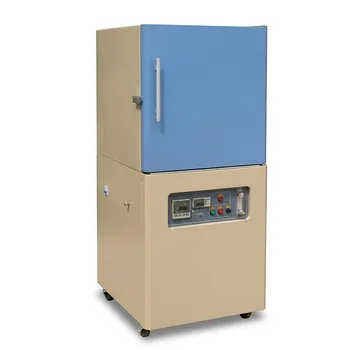
High Temperature Muffle Furnace with Dual Controllers and 36L Large Chamber 1700C Max
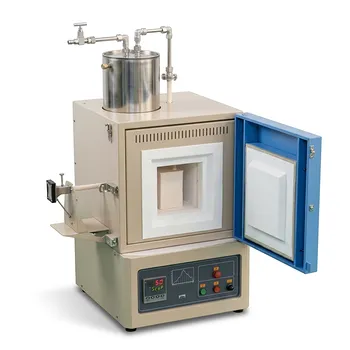
High Temperature Bench Top Muffle Furnace 1700C with Integrated Evaporating Particle Collection and 8x8x8 Alumina Fiber Chamber