What is the role of a vacuum induction melting furnace combined with a water-cooled copper mold? Mastering RHEA Purity
Updated 3 months ago
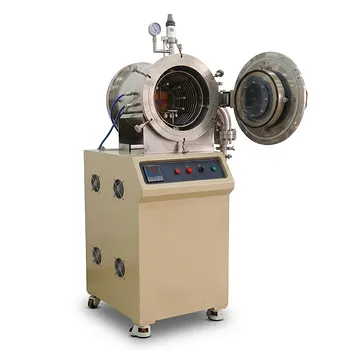
The combination of a vacuum induction melting (VIM) furnace and a water-cooled copper mold is essential for producing refractory high-entropy alloys (RHEAs) that require extreme purity and chemical uniformity. This system utilizes electromagnetic induction to reach the high temperatures necessary to melt refractory metals while providing a controlled vacuum to eliminate impurities. The water-cooled mold then facilitates rapid solidification, which is the primary mechanism used to prevent the alloying elements from separating during cooling.
This manufacturing setup solves the dual challenge of high-temperature processing and chemical instability in complex alloys. By integrating electromagnetic stirring with high-velocity cooling, it ensures that the final material retains a precise, homogeneous composition and a dense, refined microstructure.
The Role of Vacuum Induction Melting (VIM)
Achieving Extreme Temperatures for Refractory Metals
Refractory high-entropy alloys consist of metals with exceptionally high melting points, such as tungsten, molybdenum, and tantalum. Electromagnetic induction generates the intense heat required to melt these components rapidly and simultaneously, ensuring a liquid state is achieved efficiently.
Chemical Homogenization via Electromagnetic Stirring
VIM technology uses alternating electromagnetic fields to create an induction stirring effect within the melt. This constant movement ensures that the multiple metallic components are mixed thoroughly at a microscopic level, which is vital for the chemical foundation of high-entropy alloys.
Atmospheric Control and Impurity Removal
The high-vacuum environment effectively removes dissolved gases such as oxygen, nitrogen, and hydrogen from the molten metal. This process prevents the oxidative loss of active alloying elements (like aluminum or titanium) and significantly reduces non-metallic inclusions, leading to a high-purity final product.
The Critical Function of the Water-Cooled Copper Mold
Rapid Solidification and High Cooling Rates
Once the alloy is melted and homogenized, it is cast into a water-cooled copper mold that provides exceptionally high cooling rates. This rapid thermal quenching is necessary to transform the liquid melt into a solid specimen before the elements have time to reorganize unfavorably.
Suppression of Component Segregation
A major challenge in RHEA production is component segregation, where different metals settle into distinct layers or pockets. The high cooling rate of the copper mold "freezes" the uniform distribution created by the induction stirring, resulting in an as-cast specimen with a highly consistent microstructure.
Enhancing Microstructural Density
The combination of vacuum processing and rapid cooling leads to superior microstructural density. By inhibiting the formation of volatile impurities and preventing gas-induced porosity, the mold ensures the alloy is structurally sound and ready for high-performance applications.
Understanding the Technical Trade-offs
The Risk of Thermal Stress and Cracking
While high cooling rates are necessary to prevent segregation, they can introduce significant internal thermal stresses. If the cooling is too aggressive or uneven, the resulting ingot may develop micro-cracks, particularly in brittle refractory compositions.
Selective Volatilization of Elements
Operating under a high vacuum can be a double-edged sword for certain alloys. While it removes unwanted impurities, it can also cause the accidental volatilization of intentional alloying elements that have high vapor pressures, potentially altering the intended final composition.
Equipment and Scale Constraints
Maintaining a high-vacuum environment while managing the high power requirements of induction melting is technically demanding. This complexity often limits the batch size of the alloys produced, making the process more suitable for specialized, high-value components than for mass-market production.
Making the Right Choice for Your Goal
When preparing refractory high-entropy alloys, your specific project goals will dictate how you utilize this equipment.
- If your primary focus is Maximum Chemical Purity: Prioritize the vacuum duration and pressure levels to ensure the complete removal of dissolved gases and non-metallic inclusions.
- If your primary focus is Microstructural Uniformity: Optimize the electromagnetic stirring frequency and duration to ensure all multi-component elements are fully homogenized before casting.
- If your primary focus is Preventing Element Loss: Consider using an inert gas (like argon) protective atmosphere instead of a full vacuum if your alloy contains highly volatile active elements.
By mastering the balance between electromagnetic mixing and controlled solidification, you can produce refractory alloys that meet the most demanding technical specifications.
Summary Table:
| Component | Primary Function | Key Benefit for RHEAs |
|---|---|---|
| VIM Furnace (Induction) | Extreme temperature generation | Melts refractory metals like W, Mo, and Ta |
| Electromagnetic Stirring | Continuous liquid homogenization | Ensures uniform chemical distribution |
| Vacuum System | Impurity & gas removal | Eliminates O2, N2, and H2 for high purity |
| Water-Cooled Mold | Rapid thermal quenching | Prevents element segregation and refined microstructure |
Elevate Your Materials Research with THERMUNITS
Are you looking to achieve superior chemical uniformity and microstructural density in your refractory alloys? THERMUNITS is a leading manufacturer of high-temperature laboratory equipment specifically designed for material science and industrial R&D.
Our advanced Vacuum Induction Melting (VIM) furnaces provide the precise atmospheric control and induction stirring needed for complex high-entropy alloys. Beyond VIM, we offer a comprehensive range of thermal solutions, including:
- Muffle, Vacuum, Atmosphere, and Tube Furnaces
- Rotary and Hot Press Furnaces
- CVD/PECVD Systems and Dental Furnaces
- Electric Rotary Kilns and Thermal Elements
Let us help you optimize your heat treatment process with equipment built for precision and durability. Contact us today to request a quote or consultation and discover how THERMUNITS can empower your next breakthrough.
References
- Ottó K. Temesi, L.K. Varga. Thermal Softening Measurements of Refractory High-Entropy Alloys. DOI: 10.3390/ma17235718
Mentioned Products
- 1900C Maximum High Temperature 7KW Vacuum Induction Melting System with 60mm Quartz Tube and Manual Temperature Control for Metallic Alloy Research
- Induction Melting Casting Furnace 1750C Vacuum High Frequency Metal Processing Unit
- Atmosphere Controlled Induction Melting Granulating Casting Furnace 1500C 5kg Capacity
- Atmosphere Controlled Induction Melting Casting System 1600C 10L Capacity
- High Temperature Induction Melting System with Integrated Ultra High Purity Glove Box for Metallic Alloy Processing
People Also Ask
- What is the primary role of a Vacuum Induction Melting furnace in the smelting of Fe-Cr-N alloys? Ensuring High Purity
- How does a Vacuum Induction Melting furnace heat materials while preventing atmospheric contamination? Achieve High Purity
- What are the key structural components that make up a Vacuum Induction Melting (VIM) furnace system? Full Guide
- How does the skin effect influence VIM frequency selection? Optimize Heat Penetration & Stirring Efficiency
- What technical advantages does Vacuum Induction Melting offer regarding alloy homogeneity and purity? Enhance Performance

Tech Team · ThermUnits
Last updated on Jun 02, 2026
Related Products
1900C Maximum High Temperature 7KW Vacuum Induction Melting System with 60mm Quartz Tube and Manual Temperature Control for Metallic Alloy Research
Induction Melting Casting Furnace 1750C Vacuum High Frequency Metal Processing Unit
Atmosphere Controlled Induction Melting Granulating Casting Furnace 1500C 5kg Capacity
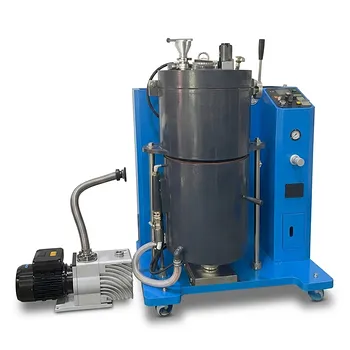
Atmosphere Controlled Induction Melting Casting System 1600C 10L Capacity
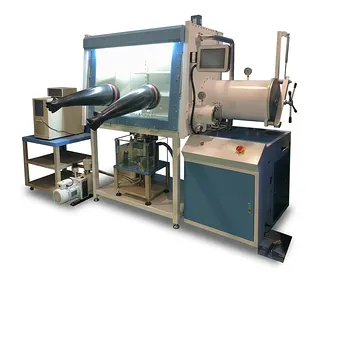
High Temperature Induction Melting System with Integrated Ultra High Purity Glove Box for Metallic Alloy Processing
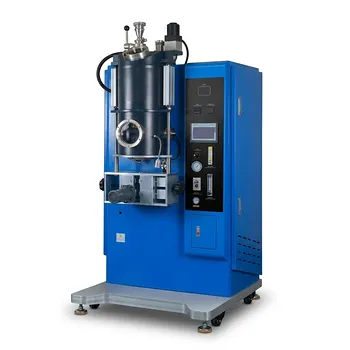
Atmosphere Controlled Continuous Casting Furnace with Secondary Charge Function for Induction Melting and Metal Alloy Wire Production
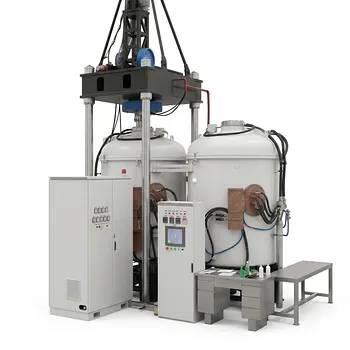
High Pressure 600T Vacuum Induction Hot Press Furnace for Advanced Material Heat Treatment and Sintering
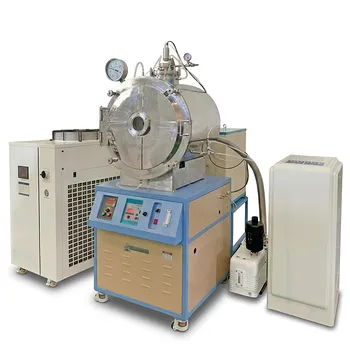
Ultra High Temperature Induction Heated Vacuum Furnace with Molten Salt Electrolysis Capability and 3000 Degree Precision Control
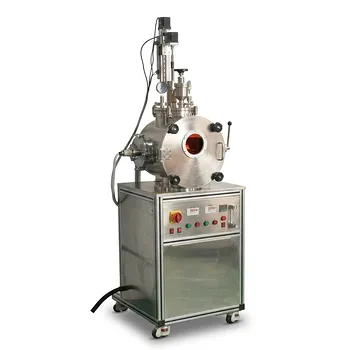
High Vacuum Melting Casting Furnace with Mechanical Stirring and Secondary Charge for Metallic Alloy Research
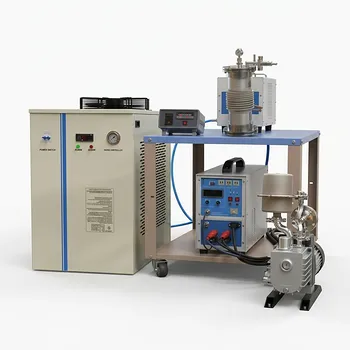
Induction Heating System with Temperature Control for High Temperature Vacuum Sintering and Melting
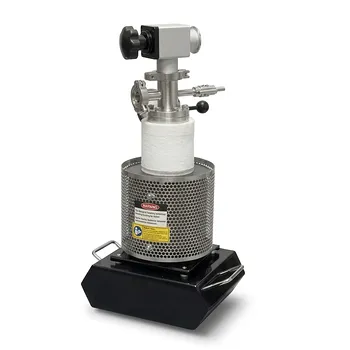
High Temperature 1100C Compact Top Loading Vertical Vacuum Tube Furnace for High Vacuum Noble Metal Melting and Material Research
Desktop Induction Melting Furnace with Automatic Rotary Casting Function up to 1700C for Advanced Metal Alloy Research
High Throughput Induction Melting and Casting Furnace for Superalloy Research 1700C Atmosphere Controlled Multi Sample System
High Temperature Induction Melting System with Multi Cavity Crucible and 15KW Precision Digital Temperature Control
High Temperature Mini Induction Heating Furnace 1600C Laboratory Material Melting System
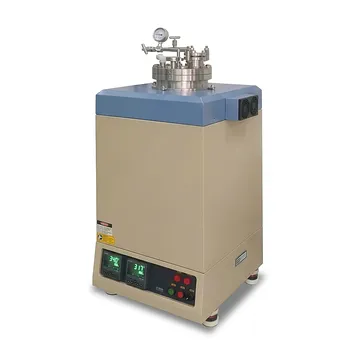
High Temperature 1000C Vacuum Furnace with 8 Inch ID Chamber for Material Sintering and Research Annealing
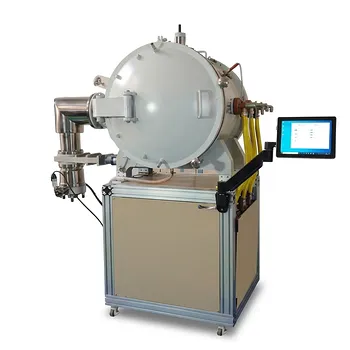
High Temperature Cold Wall Vacuum Furnace for Advanced Material Sintering and Annealing 1600C Heating Area 200x200x300mm
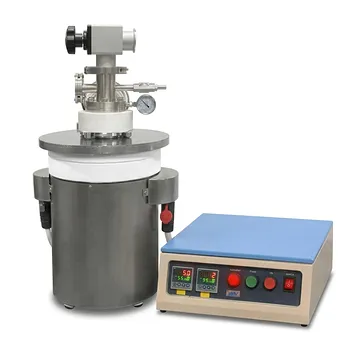
1100C High Temperature Vacuum Crucible Furnace with Quartz Chamber for Thermal Processing and Sintering
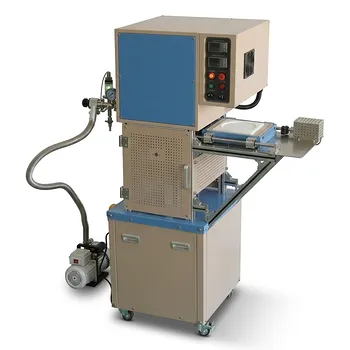
1200°C Bottom Loading Vacuum Furnace with Rapid Gas Cooling and 8.6 Inch Diameter Quartz Chamber