What is the function of a laboratory hot press in PEC UV detector encapsulation? Optimize Seal Integrity & Stability
Updated 3 months ago
In the fabrication of photoelectrochemical (PEC) ultraviolet detectors, a laboratory hot press serves as the primary tool for thermal compression encapsulation. By applying simultaneous heat and pressure, the machine bonds the titanium dioxide (TiO₂) photoanode and the platinum (Pt) counter electrode to an intermediate thermoplastic Surlyn sealing gasket. This process creates a hermetic seal that secures the liquid electrolyte within the device and shields internal interfaces from the outside environment.
The laboratory hot press is the critical hardware required to execute thermal compression, a process that transforms individual detector components into a single, sealed unit. This encapsulation is essential for preventing electrolyte leakage and atmospheric degradation, directly ensuring the cyclic stability and operational lifespan of the UV detector.
The Mechanics of Thermal Compression Encapsulation
Fusing the Device Architecture
The hot press applies calibrated force and temperature to sandwich the internal components of the PEC detector. This physical bonding ensures that the titanium dioxide photoanode and the platinum counter electrode remain in a fixed, precise orientation.
The Role of the Thermoplastic Gasket
A thermoplastic material, specifically Surlyn, acts as the bonding agent between the two electrodes. Under the heat of the press, the Surlyn softens and flows into the microscopic irregularities of the electrode surfaces, creating a robust, leak-proof interface upon cooling.
Impact on Device Performance and Longevity
Preventing Electrolyte Leakage
PEC detectors rely on a liquid electrolyte to function, and any loss of this medium leads to immediate device failure. The hot press creates a reliable seal that maintains the integrity of the electrolyte chamber, even during repeated use or temperature fluctuations.
Environmental Isolation
By isolating the device’s internal interfaces, the encapsulation process prevents moisture and oxygen from entering the cell. This isolation minimizes environmental degradation, which is critical for maintaining the sensitivity and accuracy of ultraviolet detection over time.
Enhancing Cyclic Stability
The structural rigidity provided by thermal compression allows the detector to undergo numerous measurement cycles without performance drift. This cyclic stability is a direct result of the consistent pressure maintained by the hot-pressed seal.
Understanding the Trade-offs
Precision vs. Component Integrity
Achieving a perfect seal requires a delicate balance of temperature and pressure. Excessive heat can degrade the thermoplastic properties of the Surlyn, while excessive pressure may crack the glass substrates of the photoanode or counter electrode.
Thermal Management Challenges
The application of heat must be uniform across the entire surface of the detector to avoid localized stress points. Uneven heating can lead to incomplete bonding, creating "micro-leaks" that compromise the long-term vacuum or liquid seal of the device.
Optimizing the Encapsulation Process
To achieve the best results with a laboratory hot press, the operator must align the parameters with the specific materials used in the PEC stack.
- If your primary focus is Maximum Lifespan: Prioritize a longer dwell time at a lower, more controlled temperature to ensure the Surlyn flows deeply into the electrode pores without degrading.
- If your primary focus is Seal Integrity: Ensure that the pressure is applied perfectly parallel to the electrodes to prevent uneven gasket compression and potential electrolyte bypass.
- If your primary focus is High Throughput: Implement a rapid cooling phase after the hot press cycle to solidify the thermoplastic bond quickly, allowing for faster device handling.
Mastering the thermal compression process is the definitive step in moving a PEC ultraviolet detector from a fragile laboratory prototype to a durable, field-ready sensor.
Summary Table:
| Feature/Process | Function in PEC UV Detector Encapsulation | Benefit to Device |
|---|---|---|
| Thermal Compression | Simultaneously applies heat and pressure to the electrode stack | Creates a robust, single-unit device structure |
| Surlyn Bonding | Melts thermoplastic gasket into electrode surface irregularities | Ensures a leak-proof, high-strength interface |
| Hermetic Sealing | Isolates the liquid electrolyte from the external environment | Prevents electrolyte loss and operational failure |
| Environmental Shielding | Blocks moisture and oxygen from entering the internal cell | Enhances sensitivity and prevents atmospheric degradation |
| Structural Rigidity | Maintains consistent pressure across the material layers | Increases cyclic stability and measurement accuracy |
Elevate Your Material Research with THERMUNITS
Precision is the difference between a fragile prototype and a high-performance sensor. THERMUNITS is a leading manufacturer of high-temperature laboratory equipment specifically designed for material science and industrial R&D.
Our advanced Hot Press furnaces provide the exact thermal and pressure control required for critical encapsulation processes in PEC UV detector fabrication. Beyond hot pressing, we offer a comprehensive suite of thermal solutions, including:
- Muffle, Vacuum, and Atmosphere Furnaces
- Tube and Rotary Furnaces
- CVD/PECVD Systems
- Vacuum Induction Melting (VIM) & Dental Furnaces
- Thermal Elements & Specialized Heat Treatment Equipment
Ready to enhance your lab's efficiency and device longevity? Contact us today to discuss your project requirements. Our team of experts is dedicated to providing the high-end thermal processing solutions your research deserves.
References
- Yueying Ma, Liancheng Zhao. Optimizing Photoelectrochemical UV Imaging Photodetection: Construction of Anatase/Rutile Heterophase Homojunctions and Oxygen Vacancies Engineering in MOF-Derived TiO2. DOI: 10.3390/molecules29133096
Mentioned Products
- High Temperature Vacuum Lamination Hot Press Furnace Machine for Semiconductor Wafer Bonding and Advanced Composite Thermal Processing
- Industrial Vacuum Hot Press Furnace Machine and High Temperature Heated Vacuum Press for Advanced Material Sintering
- Industrial High Temperature Vacuum Hot Press Furnace and Heated Vacuum Press Machine for Material Science Sintering
- High Pressure 600T Vacuum Induction Hot Press Furnace for Advanced Material Heat Treatment and Sintering
- 2500C High Vacuum Ultrafast Heating Pellet Press with Automated 8 Sample Loading System
People Also Ask
- What types of heating systems and insulation are used in Vacuum Hot Press Furnaces? Optimize Your Thermal Processing
- What is a Vacuum Hot Press Furnace and what are its primary industrial applications? Achieve Maximum Material Density
- What are the structural features of the furnace body and chamber in a Vacuum Hot Press Furnace? Master Material Density
- Why is graphite the preferred material for dies and heating elements in Vacuum Hot Press Furnaces? High-Temp Solutions
- What are the primary operational components and mechanisms of a vacuum hot press furnace? A Technical Breakdown

Tech Team · ThermUnits
Last updated on Jun 02, 2026
Related Products
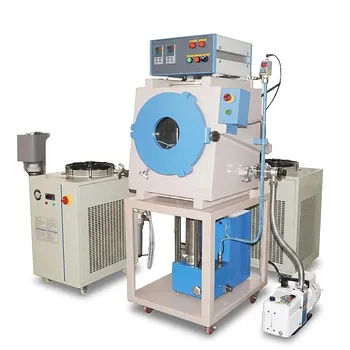
High Temperature Vacuum Lamination Hot Press Furnace Machine for Semiconductor Wafer Bonding and Advanced Composite Thermal Processing
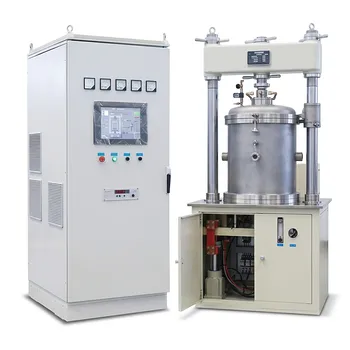
Industrial Vacuum Hot Press Furnace Machine and High Temperature Heated Vacuum Press for Advanced Material Sintering
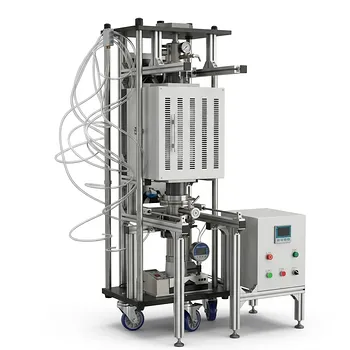
Industrial High Temperature Vacuum Hot Press Furnace and Heated Vacuum Press Machine for Material Science Sintering
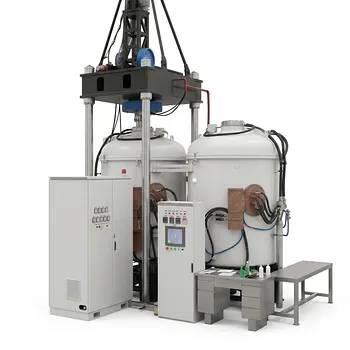
High Pressure 600T Vacuum Induction Hot Press Furnace for Advanced Material Heat Treatment and Sintering
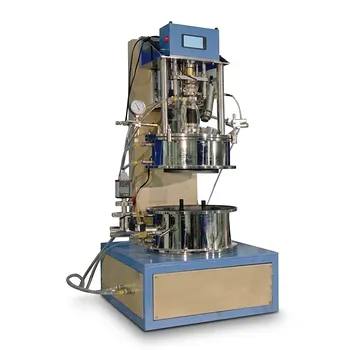
2500C High Vacuum Ultrafast Heating Pellet Press with Automated 8 Sample Loading System
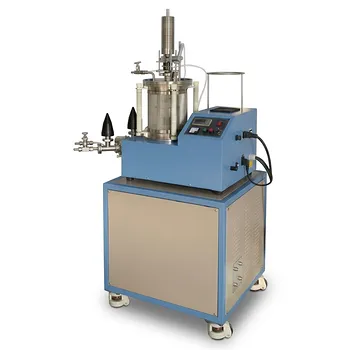
Ultrafast Thermal Pressing Furnace 2900C Max Temperature 200K per Second Heating Rate Vacuum Atmosphere Rapid Processing System
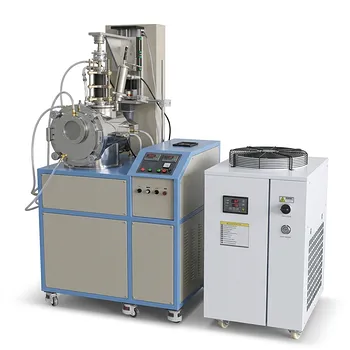
High Temperature Ultrafast Heating Pressing Furnace 2900C Max 100kgf Rapid Thermal Processing System
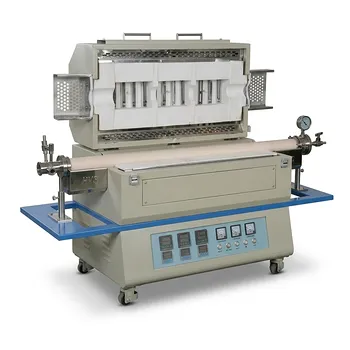
Three Temperature Zone Fast Heating Furnace 1500C Laboratory High Precision Thermal Processing System
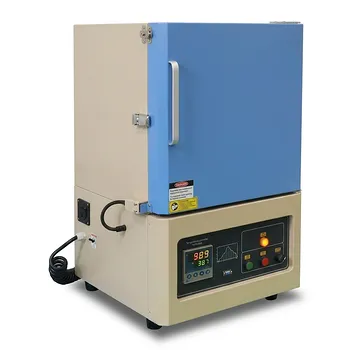
1200°C High Temperature Muffle Furnace 19L Chamber with 50 Segment Programmable Controller
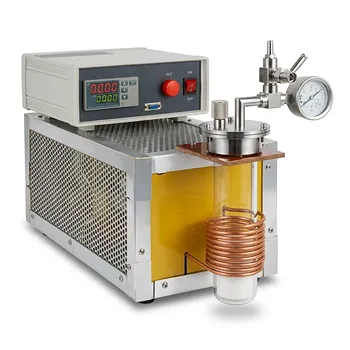
High Temperature Mini Induction Heating Furnace 1600C Laboratory Material Melting System
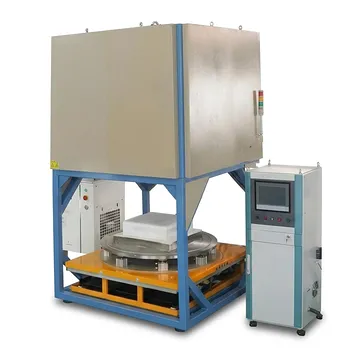
Bottom Loaded Inert Gas Atmosphere Box Furnace 1400C Maximum Temperature 125L High Capacity Laboratory Heat Treatment System
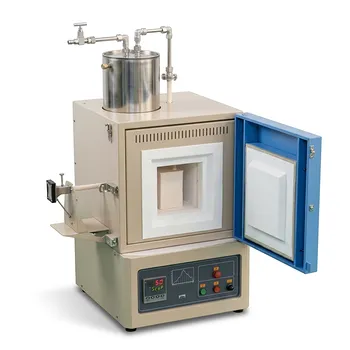
High Temperature Bench Top Muffle Furnace 1700C with Integrated Evaporating Particle Collection and 8x8x8 Alumina Fiber Chamber
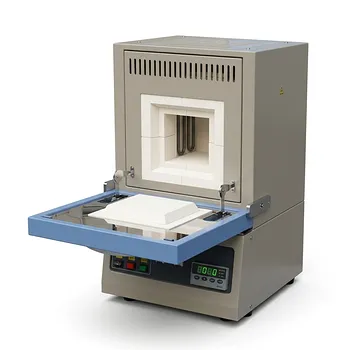
Five Sided Heating Muffle Furnace High Uniformity 1200C Lab Box Furnace 27L Alumina Fiber Chamber
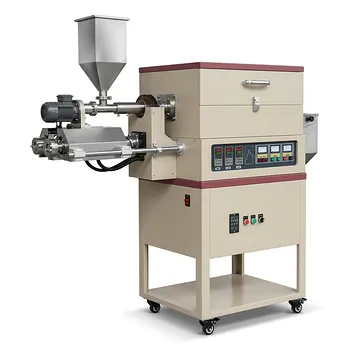
Laboratory Tilting Rotary Tubular Furnaces for Material Science and Industrial Heat Treatment
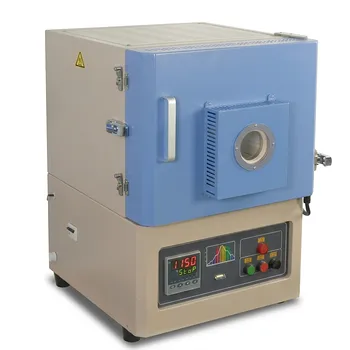
High Temperature Benchtop Muffle Furnace with Quartz Observation Window for Thermal Imaging and Material Analysis
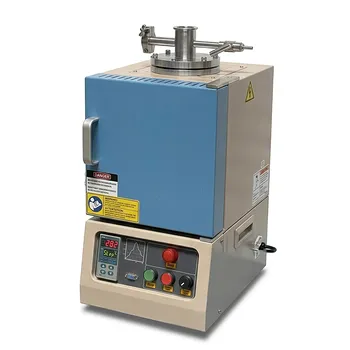
High Temperature Hybrid Muffle and Tube Furnace with Vacuum Capability and PID Control
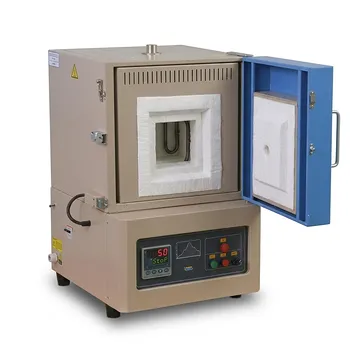
1800°C Bench Top Ultra High Temperature Muffle Furnace with Sapphire Observation Window and Top Feeding Port for Materials Research and Thermal Processing
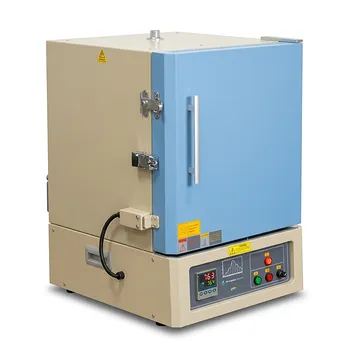
Large Capacity 1200C Muffle Furnace 64 Liter Chamber with Digital PID Controller and Built In Venting Port
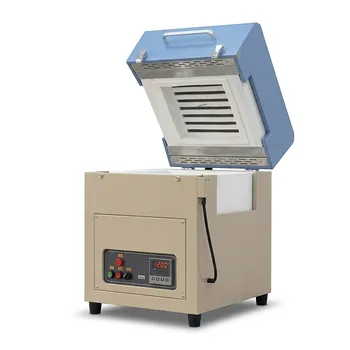
1200 C Maximum Three Sided Heating Top Loading Furnace with 12 x 12 x 8 Inch Chamber for Solid Oxide Fuel Cell Testing and High Temperature RD