What is the technical purpose of a vacuum system in dental ceramic firing furnaces? Improve Density & Aesthetics
Updated 5 months ago
The technical purpose of a vacuum system in a dental furnace is to eliminate air, water vapor, and reaction gases from the firing chamber. This process prevents the formation of internal bubbles and oxidation, which significantly increases the density, structural strength, and translucency of the ceramic restoration while ensuring a superior chemical bond to the substrate.
Core Takeaway: A vacuum system is essential for removing microscopic air pockets trapped between ceramic particles. By achieving a deep vacuum (often up to 20 mbar), the furnace ensures the ceramic reaches maximum densification and optical clarity, meeting the rigorous mechanical and aesthetic standards required for clinical use.
Eliminating Internal Porosity and Gas Traps
Evacuating Interstitial Air
During the buildup of dental porcelain, air is naturally trapped in the microscopic gaps between ceramic powder particles. The vacuum system removes this air before the ceramic reaches its vitrification point, preventing these gaps from becoming permanent internal pores.
Removing Reaction Gases and Vapor
As the furnace heats, residual water vapor and gases from chemical reactions are released from the material. The vacuum system continuously evacuates these byproducts, ensuring they do not become trapped as bubbles that could weaken the finished prosthesis.
Prevention of Macroscopic Pores
Without a high-vacuum environment (typically around 730 mmHg), macroscopic pores can form at high temperatures. These large voids compromise the structural integrity of the ceramic, leading to high failure rates under the stress of mastication.
Optimizing Physical and Optical Properties
Enhancing Translucency and Aesthetics
Air bubbles remaining within the ceramic matrix scatter light, resulting in a cloudy or opaque appearance. By removing these bubbles, the vacuum system allows for optimal "porcelainization," creating the translucent optical effects necessary to mimic natural tooth structure.
Achieving Maximum Material Density
Vacuum sintering facilitates the uniform distribution of particles throughout the ceramic matrix. This full densification is critical for the material to meet international mechanical property standards, including high fracture toughness.
Managing Microstructure Evolution
During repeated firing processes, a stable vacuum environment ensures the consistent evolution of the material's microstructure. This stability is vital for maintaining the intended dimensions and properties of the ceramic over multiple heating cycles.
Strengthening the Material Interface
Promoting Chemical Bonding to Substrates
The vacuum environment allows the ceramic to flow more effectively and react chemically with the oxide film on metal frameworks or zirconia surfaces. This promotes close "wetting" of the interface, resulting in a stable and robust chemical bond between the substrate and the porcelain layer.
Preventing Oxidation of Metal Frameworks
By removing oxygen from the firing chamber, the vacuum system prevents excessive or uncontrolled oxidation of the underlying metal framework. Controlled oxidation is necessary for bonding, but excessive oxidation can lead to delamination or discoloration of the ceramic.
Understanding the Trade-offs and Pitfalls
Vacuum Timing and Release
The vacuum must be applied and released at precise stages of the firing curve. If the vacuum is released too early, air may be re-introduced; if it is maintained too long during cooling, it may induce unnecessary internal stresses.
Maintenance and Pump Reliability
The performance of the vacuum system is entirely dependent on the specialized vacuum pump. A pump that cannot maintain a deep vacuum (at least 20 mbar) will result in "milky" porcelain with poor density and low mechanical strength.
Impact of Atmospheric Pressure
Furnace settings often need to be calibrated based on the laboratory's altitude. Because atmospheric pressure varies, the vacuum system must be adjusted to ensure the "high vacuum" achieved is consistent regardless of the geographic location.
How to Apply This Knowledge to Your Lab
Effective use of the vacuum system is the difference between a clinical success and a structural failure. Consider these recommendations based on your primary objectives:
- If your primary focus is Maximum Aesthetics: Ensure your vacuum pump is serviced regularly to maintain deep vacuum levels, as even minor air retention will significantly reduce the translucency of the veneer.
- If your primary focus is Bond Strength: Verify that the vacuum is active during the sintering stage to allow the ceramic to properly wet the metal or zirconia oxide layer.
- If your primary focus is Structural Durability: Adhere strictly to the manufacturer's recommended vacuum hold times to ensure full densification and the elimination of micro-pores that lead to fractures.
By mastering the vacuum environment, you ensure that every ceramic restoration achieves its peak theoretical density and life-like optical clarity.
Summary Table:
| Function | Technical Benefit | Clinical/Aesthetic Outcome |
|---|---|---|
| Gas Evacuation | Removes air, vapor, and reaction gases | Eliminates internal bubbles and porosity |
| Densification | Facilitates uniform particle distribution | Maximum structural strength and durability |
| Light Management | Reduces light-scattering air pockets | Optimized translucency and natural aesthetics |
| Interface Control | Prevents excessive metal oxidation | Superior chemical bonding to substrates |
Elevate Your Lab with THERMUNITS High-Precision Thermal Solutions
At THERMUNITS, we understand that precision is non-negotiable in material science and industrial R&D. As a leading manufacturer of high-temperature laboratory equipment, we provide the advanced technology needed to achieve peak theoretical density and life-like optical clarity in every project.
Whether you are specialized in dental prosthetics or advanced material research, our comprehensive range of thermal processing solutions is designed to meet the most rigorous standards. Our product lineup includes:
- Dental Furnaces for high-vacuum ceramic firing.
- Vacuum, Atmosphere, and Muffle Furnaces for versatile heat treatment.
- CVD/PECVD systems, Tube, and Rotary Furnaces for specialized R&D.
- Hot Press & Vacuum Induction Melting (VIM) Furnaces for industrial applications.
Ensure your restorations and materials achieve maximum mechanical and aesthetic performance. Contact our expert team today to discuss your specific requirements and find the perfect thermal solution for your lab.
Mentioned Products
- Vacuum Dental Porcelain Sintering Furnace for High Precision Ceramic Restorations
- Dental Porcelain Zirconia Sintering Ceramic Vacuum Press Furnace
- Dental Porcelain Zirconia Sintering Ceramic Furnace Chairside with Transformer
- Compact High Vacuum Box Furnace 1050C Max 6.2L Ceramic Chamber Stainless Steel Shell Programmable Temperature Controller for Material Science Research
- High Temperature 1000C Vacuum Furnace with 8 Inch ID Chamber for Material Sintering and Research Annealing
People Also Ask
- What Role Does a Vacuum Sintering Furnace Play in Ni-Mn-Ga Alloy Fabrication? Optimizing Porous Structures
- How does a vacuum or atmosphere sintering furnace contribute to the congener-welding process of carbon nitride membranes?
- What technical features ensure temperature precision and material integrity in dental furnaces? Quality Sintering Guide
- What is the primary function and application of a dental furnace in laboratory settings? Optimize Your Restorations
- How does a dental furnace prevent material cracking during rapid thermal cycles? Master Precision Thermal Control

Tech Team · ThermUnits
Last updated on Apr 14, 2026
Related Products
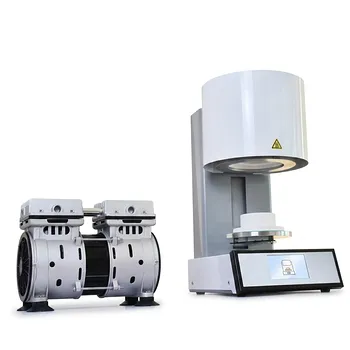
Vacuum Dental Porcelain Sintering Furnace for High Precision Ceramic Restorations
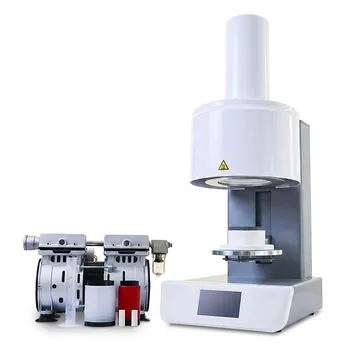
Dental Porcelain Zirconia Sintering Ceramic Vacuum Press Furnace
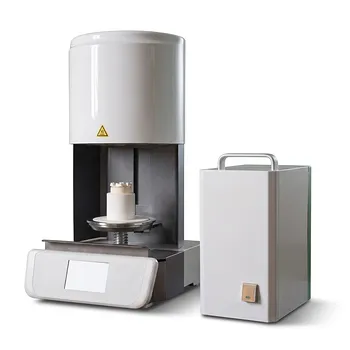
Dental Porcelain Zirconia Sintering Ceramic Furnace Chairside with Transformer
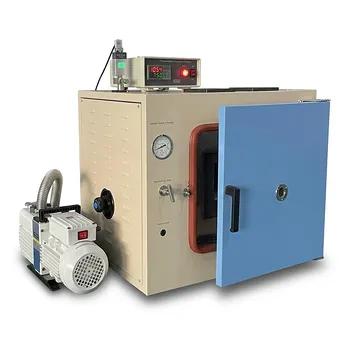
Compact High Vacuum Box Furnace 1050C Max 6.2L Ceramic Chamber Stainless Steel Shell Programmable Temperature Controller for Material Science Research
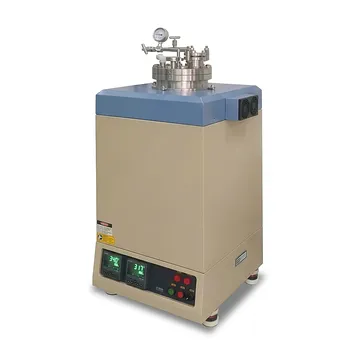
High Temperature 1000C Vacuum Furnace with 8 Inch ID Chamber for Material Sintering and Research Annealing
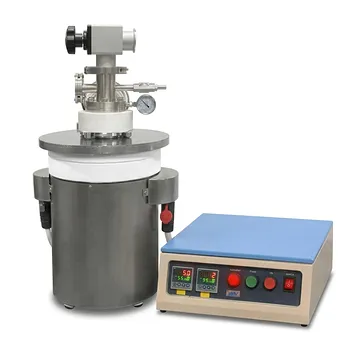
1100C High Temperature Vacuum Crucible Furnace with Quartz Chamber for Thermal Processing and Sintering
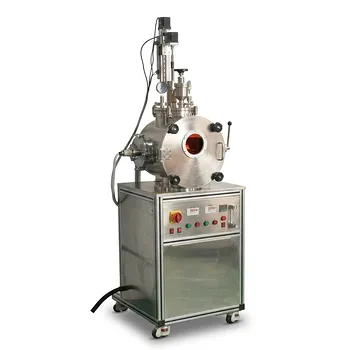
High Vacuum Melting Casting Furnace with Mechanical Stirring and Secondary Charge for Metallic Alloy Research
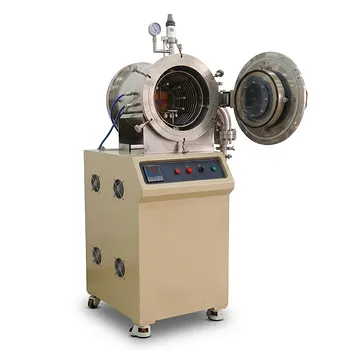
High Temperature Cold Wall High Vacuum Chamber Furnace 1400C for Advanced Material Processing
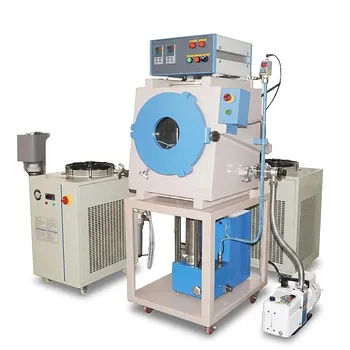
High Temperature Vacuum Lamination Hot Press Furnace Machine for Semiconductor Wafer Bonding and Advanced Composite Thermal Processing
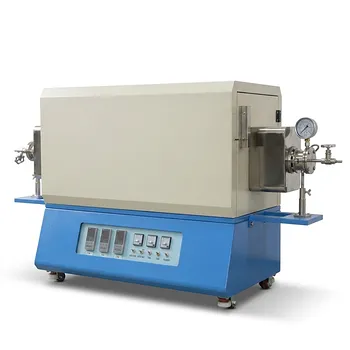
Three Temperature Zone High Temperature Vacuum Tube Furnace for CVD and Material Sintering
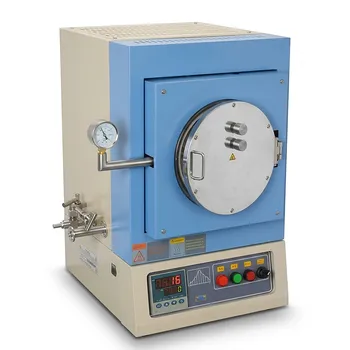
1100°C High Temperature Quartz Chamber Furnace 8 Inch OD with 7.6 Liter Capacity and Vacuum Atmosphere Capability
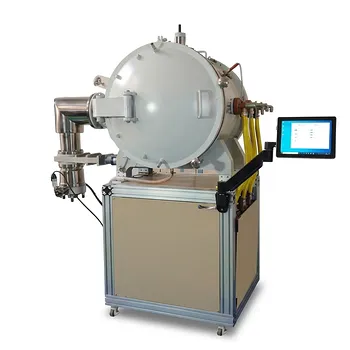
High Temperature Cold Wall Vacuum Furnace for Advanced Material Sintering and Annealing 1600C Heating Area 200x200x300mm
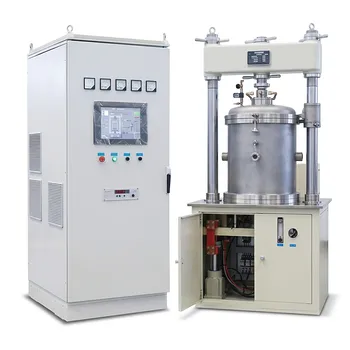
Industrial Vacuum Hot Press Furnace Machine and High Temperature Heated Vacuum Press for Advanced Material Sintering

High Temperature 1700C Vertical Tube Furnace for Powder Spherification and Material Sintering
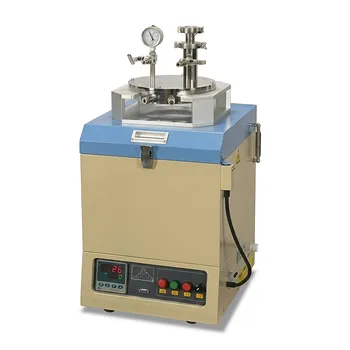
Vertical Vacuum Furnace 1100C High Temperature 8 Inch Quartz Chamber Water Cold Flange System
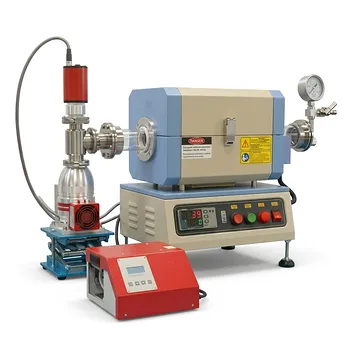
High Vacuum Compact Tube Furnace 1200C with Integrated Turbo Pump System and 8 Inch Heating Zone
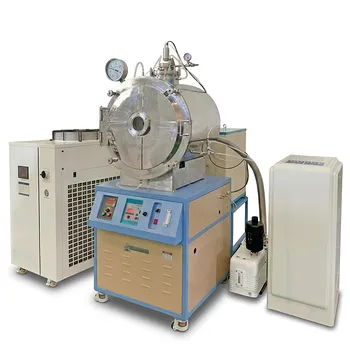
Ultra High Temperature Induction Heated Vacuum Furnace with Molten Salt Electrolysis Capability and 3000 Degree Precision Control
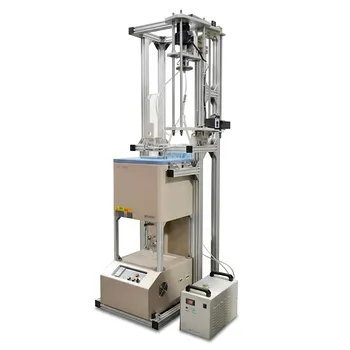
500C Vacuum Vertical Tube Furnace 84mm OD Sample Rotation Lifting System
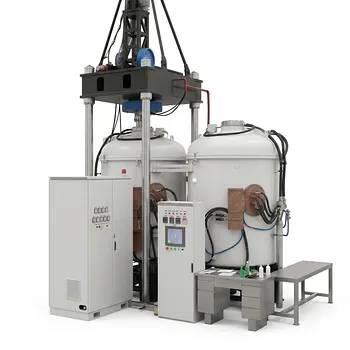
High Pressure 600T Vacuum Induction Hot Press Furnace for Advanced Material Heat Treatment and Sintering
