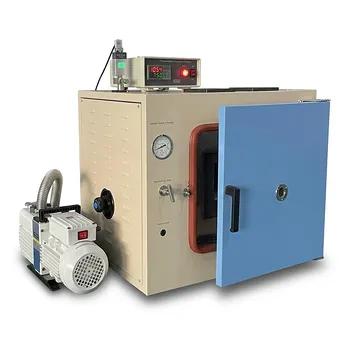
What role does a box furnace play in C/C composite coating evaluation? Thermal Shock & Bonding Insights.
Updated 3 months ago
The box-type resistance furnace serves as the primary instrument for evaluating the thermal shock resistance and structural integrity of Carbon/Carbon (C/C) composite coatings. By providing a precisely controlled environment ranging from 450 °C to 1400 °C, it simulates the extreme cyclic heating and cooling cycles these materials encounter in aerospace and industrial applications. This process is essential for detecting coating stability, validating anti-oxidation performance, and measuring the interfacial bonding strength between the coating and the carbon substrate.
Core Takeaway: A box-type resistance furnace provides the high-temperature thermal environment necessary to stress-test C/C composite coatings, allowing researchers to measure adhesion, crack resistance, and anti-oxidation durability under realistic service conditions.
Simulating Extreme Environmental Stress
The Mechanism of Thermal Shock Testing
The furnace generates a stable high-temperature field to subject coating samples to cyclic heating protocols. By rapidly transitioning samples between the furnace's heat and cooling environments, it mimics the harsh operating conditions that lead to material fatigue.
Precision Temperature Control
Modern industrial furnaces allow for specific test points, often between 600 °C and 800 °C, to evaluate performance under targeted thermal loads. The ability to maintain a stable temperature field is critical for ensuring that any observed degradation is due to the coating's properties rather than fluctuations in the equipment.
Detection of Structural Failures
Under these extreme fluctuations, the furnace reveals the coating's crack resistance and potential for delamination. This helps engineers identify the exact temperature thresholds where the coefficient of thermal expansion (CTE) mismatch between the coating and the carbon framework causes failure.
Validating Coating Integrity and Bonding
Assessing Interfacial Bonding Strength
The furnace acts as a diagnostic tool for measuring how well a coating adheres to its substrate. If the interfacial bonding strength is insufficient, the thermal stress induced by the furnace will cause the coating to peel or flake away.
Anti-Oxidation Performance Testing
At elevated temperatures, Carbon/Carbon composites are highly susceptible to oxidation. The furnace environment allows researchers to validate the anti-oxidation performance of specialized coatings, ensuring the underlying carbon framework remains protected from oxygen-induced degradation.
Optimization of Process Parameters
Beyond testing, the furnace is vital for refining manufacturing processes. By observing how different coating thicknesses or chemical compositions react to heat, developers can optimize temperatures and holding times to create a more resilient final product.
Understanding the Trade-offs and Limitations
Atmospheric Considerations
While a standard box-type furnace is excellent for simulating air-based oxidation, it may not replicate high-altitude or vacuum conditions. Specialized atmospheres (like inert gas or vacuum) may be required if the goal is to evaluate thermal stability without the influence of oxygen.
Heating and Cooling Limitations
The furnace provides a controlled heating rate, but the speed of cooling often depends on whether the sample is quenched in air or liquid. This means the furnace is only half of the "shock" equation; the cooling protocol must be equally standardized to ensure repeatable results.
Sample Geometry and Density
The size and shape of the C/C composite specimen can influence how heat is absorbed. Large or irregularly shaped samples may experience internal temperature gradients that can lead to false conclusions about the coating's performance if the furnace dwell time is not properly calibrated.
Applying This to Your Evaluation Strategy
If you are integrating a box-type resistance furnace into your testing workflow, your approach should vary based on your specific quality or research goals.
- If your primary focus is Durability Testing: Use the furnace to perform "quench cycles," heating samples to 1200 °C+ before rapid cooling to identify the onset of micro-cracking.
- If your primary focus is Anti-Oxidation Validation: Conduct long-duration "soak" tests at specific temperatures (e.g., 700 °C) to measure mass loss over time as the coating provides a barrier against oxygen.
- If your primary focus is Material Synthesis: Utilize the furnace to drive the solid-state diffusion or carbothermal reduction required to bond the coating to the carbon substrate initially.
The box-type resistance furnace remains the definitive tool for bridging the gap between theoretical coating design and real-world thermal performance.
Summary Table:
| Evaluation Metric | Furnace Role & Function | Key Performance Indicators |
|---|---|---|
| Thermal Shock | Simulates rapid cyclic heating (up to 1400°C) | Crack resistance & material fatigue |
| Oxidation Defense | Provides stable high-temp air environment | Mass loss & coating barrier integrity |
| Interfacial Bonding | Induces CTE mismatch stress | Adhesion strength & delamination limits |
| Process Refinement | Controlled heating & dwell time testing | Optimal coating thickness & composition |
Optimize Your Material Research with THERMUNITS
As a leading manufacturer of high-temperature laboratory equipment, THERMUNITS provides the precision tools required for advanced material science and industrial R&D. Our comprehensive range of thermal processing solutions includes Muffle, Vacuum, Atmosphere, Tube, Rotary, and Hot Press furnaces, as well as CVD/PECVD systems, Dental Furnaces, and Vacuum Induction Melting (VIM) furnaces.
We empower researchers to accurately evaluate thermal shock resistance, interfacial bonding, and anti-oxidation performance. Whether you are developing aerospace components or industrial coatings, our equipment ensures the reliability and accuracy your project demands.
Contact Our Experts Today to Find Your Thermal Solution
References
- Zuxing Qi, An Yan. Antioxidant Behavior of Carbon/Carbon Composites with Hot Dip Plating and Electroplating for Single-Crystal Furnaces. DOI: 10.3390/ma17235798
Mentioned Products
- 1250 C Compact Vertical Box Furnace for Glovebox Material Research Air Sensitive Samples
- High Throughput Four Channel Box Furnace 1500C Max Independent Temperature Control Material Research Sintering System
- 1200C Hydrogen Atmosphere Box Furnace with 5 Heated Sides and 64L Chamber
- 1400C Bottom Loaded Inert Gas Atmosphere Box Furnace with 125L Capacity and Precision Hydraulic Lift
- 1650C High Temperature Atmosphere Controlled Box Furnace with 65L Chamber for Advanced Material Sintering and Industrial Heat Treatment
People Also Ask
- How does a programmable Box Furnace facilitate the curing of silver inks? Expert Thermal Control for Silicon Substrates
- How does a box furnace facilitate the conversion of precursors in catalyst impregnation processes? Master Calcination
- What function does argon serve in MOF melt-quenching? Prevent oxidation and ensure chemical integrity.
- How does urea affect Rh–WNO catalyst development? Optimize lattice formation and nanocluster dispersion in furnaces.
- Why is a laboratory box furnace used for the pre-oxidation treatment of lotus-root-like nanofibers? Boost Porosity

Tech Team · ThermUnits
Last updated on Jun 03, 2026
Related Products
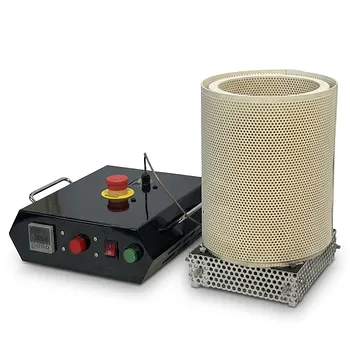
1250 C Compact Vertical Box Furnace for Glovebox Material Research Air Sensitive Samples
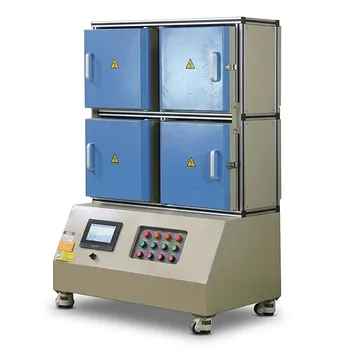
High Throughput Four Channel Box Furnace 1500C Max Independent Temperature Control Material Research Sintering System
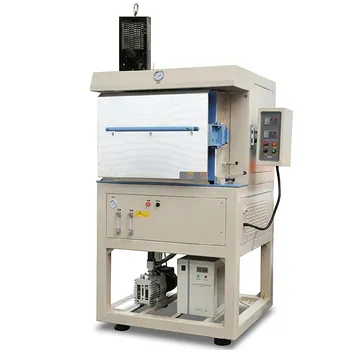
1200C Hydrogen Atmosphere Box Furnace with 5 Heated Sides and 64L Chamber
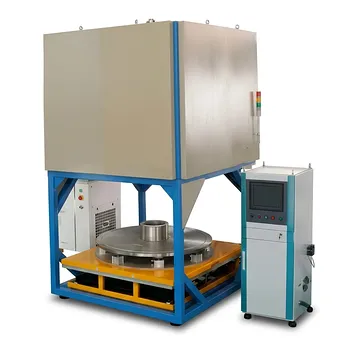
1400C Bottom Loaded Inert Gas Atmosphere Box Furnace with 125L Capacity and Precision Hydraulic Lift
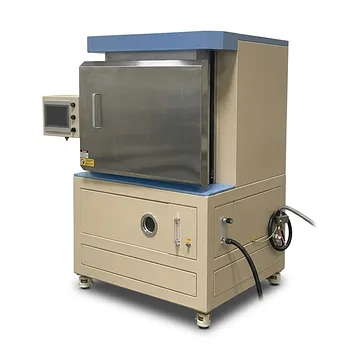
1650C High Temperature Atmosphere Controlled Box Furnace with 65L Chamber for Advanced Material Sintering and Industrial Heat Treatment
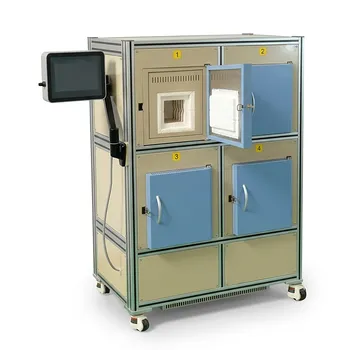
High Temperature Four Chamber Box Furnace for High Throughput Materials Research and Space Saving Thermal Processing
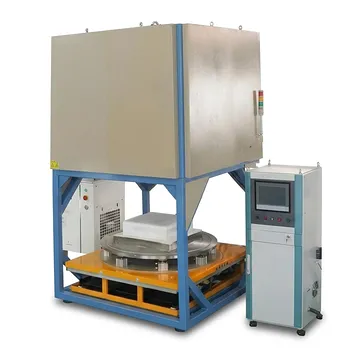
Bottom Loaded Inert Gas Atmosphere Box Furnace 1400C Maximum Temperature 125L High Capacity Laboratory Heat Treatment System
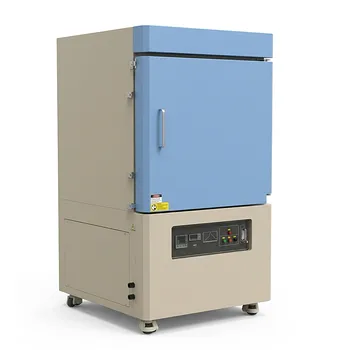
Industrial Large Box Furnace 1700C 216L High Temp Muffle Sintering System
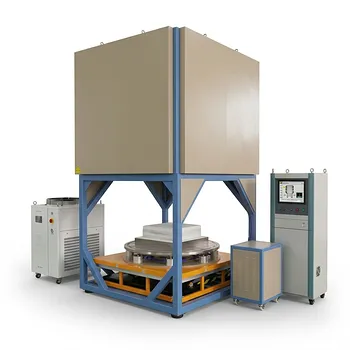
Bottom Loaded Inert Gas Atmosphere Box Furnace 1700C 1300C 216L Large Capacity Industrial Thermal Processing System
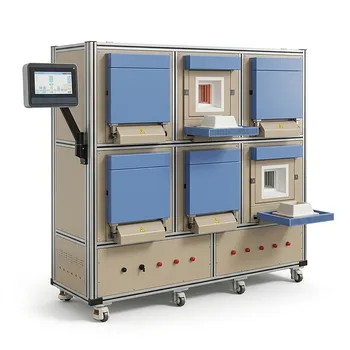
High Temperature 1700℃ Eight Chamber Box Furnace with Automatic Doors for Autonomous Material Research and High Throughput Heat Treatment
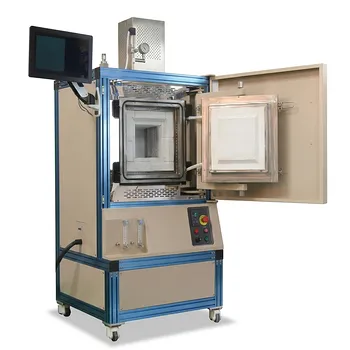
High Temperature Hydrogen Atmosphere Box Furnace 1650C Max Reducing Environment Material Synthesis System 8x8x8 Chamber
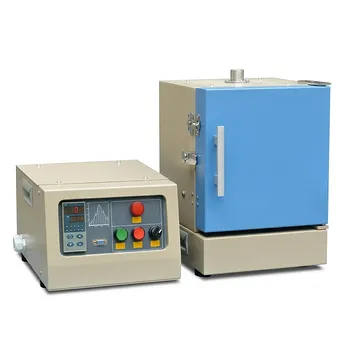
1200C Small Box Muffle Furnace with Separated Programmable Controller and 4.2L Alumina Fiber Chamber
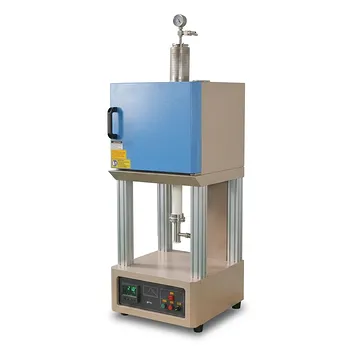
Hybrid High Temperature Tube and Box Furnace 1700C with 2 Inch Alumina Tube for Material Research
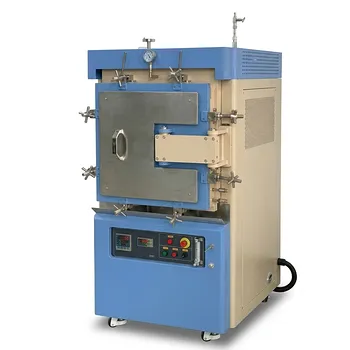
High Temperature Economic Hydrogen Gas Box Furnace 1600C Atmosphere Controlled Thermal Processing System 65L Capacity
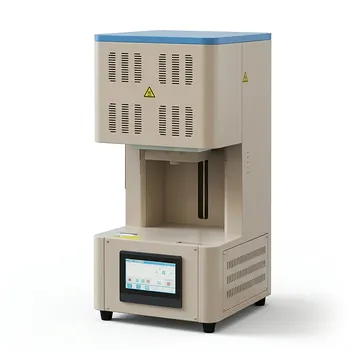
Automated 1700C High Temperature Bottom Loading Box Furnace with PC Software Control and Robotic Integration Capability
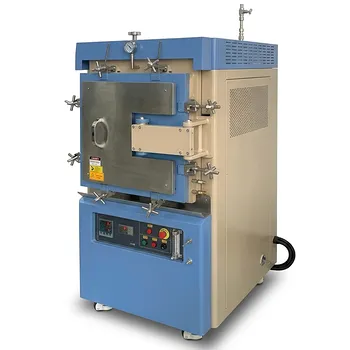
Atmosphere Controlled Muffle Furnace 1700C Maximum Temperature 80L High Capacity Vacuum Inert Gas Box Furnace
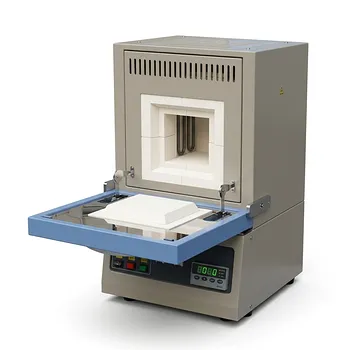
Five Sided Heating Muffle Furnace High Uniformity 1200C Lab Box Furnace 27L Alumina Fiber Chamber
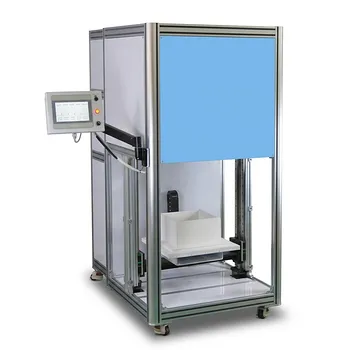
High Temperature 1600°C Three Zone Heated Bottom Loading Box Furnace with Rapid Thermal Processing Chamber 72L Volume
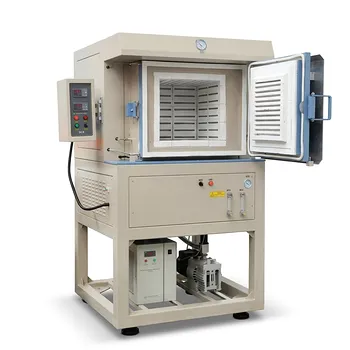
1200°C Five Side Heating Atmosphere Controlled Muffle Furnace 64 Liter High Uniformity Box Furnace for Material Synthesis