Why High-Precision Box Furnaces are Required for Debinding 3D Printed Glass? Ensure Structural Integrity
Updated 3 months ago
High-precision temperature control is the fundamental requirement for the successful debinding of 3D printed glass components. It allows for an extremely low and uniform heating rate that facilitates the gradual decomposition and release of polymer binders. Without this precision, the internal gas pressure and mechanical stress would cause the fragile "green" part to crack, warp, or completely collapse.
The core necessity for a high-precision box-type furnace lies in its ability to manage the delicate transition from a polymer-rich "green" state to a porous "brown" state. By strictly controlling the thermal decomposition rate, the furnace ensures structural integrity is maintained as the organic framework is removed.
The Critical Role of Controlled Decomposition
Managing Polymer Outgassing
During the debinding process, the organic binders that hold the glass powder together must be thermally decomposed and evacuated. A high-precision furnace provides the programmed temperature control necessary to ensure these binders release gases at a slow, predictable rate.
Preventing Structural Failure
If the heating rate is too rapid or uneven, the gas produced by decomposing polymers can become trapped within the component. This leads to internal mechanical stress concentration, which is the primary cause of structural cracking or the total collapse of the 3D printed geometry.
Maintaining Part Geometry
Glass green parts are inherently porous and fragile during the middle stages of debinding. The uniform heating environment of a box-type resistance furnace ensures that all areas of the part experience the same thermal conditions, preventing localized expansion that could distort the final shape.
Ensuring Material Purity and Integrity
Atmosphere and Chemical Control
Advanced box furnaces allow for atmosphere control, such as using inert Ar+H2 or air, to manage how organic materials break down. This control is vital for completely removing dispersants and impurities while preventing unwanted carbon residues from forming within the glass matrix.
The Transition to Brown Parts
The ultimate goal of high-precision debinding is to transform the "green" part into a stable "brown" part. This brown part is a porous ceramic or glass structure that is ready for the final high-temperature sintering process, where material densification and grain growth occur.
Thermal Stability and Uniformity
A box-type resistance furnace provides a stable thermal environment that is less prone to the fluctuations found in less sophisticated heating elements. This stability is essential for processes requiring long "hold" times at specific temperatures, such as the 710 °C plateau often used to ensure total organic removal.
Understanding the Trade-offs
Precision vs. Processing Time
The primary trade-off in high-precision debinding is processing speed. To maintain structural integrity, heating rates must remain exceptionally slow, which can lead to cycle times lasting many hours or even days.
Equipment Complexity and Cost
High-precision resistance furnaces require sophisticated PID controllers and high-quality insulation. While this increases the initial capital investment and maintenance requirements, it is a necessary cost to avoid the high scrap rates associated with failed debinding cycles.
Atmospheric Limitations
While box furnaces offer excellent temperature stability, managing the exhaust of volatile organic compounds (VOCs) requires integrated ventilation systems. Failure to properly manage these gas byproducts can contaminate the furnace heating elements or affect the purity of the glass parts.
How to Apply This to Your Project
Recommendations for Debinding Success
- If your primary focus is intricate geometries: Prioritize a furnace with the highest possible temperature uniformity to prevent localized stress in thin-walled sections.
- If your primary focus is material purity: Select a furnace with integrated atmosphere control (such as air or inert gas flow) to ensure the complete removal of carbon residues.
- If your primary focus is high-volume production: Invest in a furnace with multi-zone programmable controllers to allow for repeatable, automated debinding cycles that minimize human error.
By mastering the precision of the thermal environment, you ensure that the complex internal architecture of a 3D printed glass part survives the transition from a fragile polymer composite to a high-performance material.
Summary Table:
| Key Requirement | Function in Debinding Process | Impact on 3D Printed Glass |
|---|---|---|
| Precise Heating Rate | Manages polymer decomposition/outgassing | Prevents internal cracking and collapse |
| Thermal Uniformity | Ensures consistent stress across geometry | Maintains complex geometric accuracy |
| Atmosphere Control | Facilitates chemical removal of binders | Eliminates carbon residues and impurities |
| PID Stability | Enables long-duration temperature plateaus | Ensures complete transition to 'brown' state |
Elevate Your Additive Manufacturing with THERMUNITS
Mastering the transition from "green" to "brown" parts requires absolute thermal precision. THERMUNITS is a leading manufacturer of high-temperature laboratory equipment specifically designed for material science and industrial R&D. We offer a comprehensive suite of thermal processing solutions tailored for the most demanding debinding and sintering workflows, including:
- High-Precision Muffle & Box Furnaces
- Atmosphere & Vacuum Furnaces for controlled chemical environments
- CVD/PECVD Systems, Tube, and Rotary Furnaces
- Hot Press Furnaces, Vacuum Induction Melting (VIM), and Dental Furnaces
Don't let structural failures hinder your 3D printing innovation. Contact THERMUNITS today to discuss how our high-stability thermal elements and furnace systems can ensure the integrity of your high-performance materials.
References
- Feiran Wang, Lucia Hackermueller. Additive manufacturing of functionalised atomic vapour cells for next-generation quantum technologies. DOI: 10.1088/2058-9565/ad8678
Mentioned Products
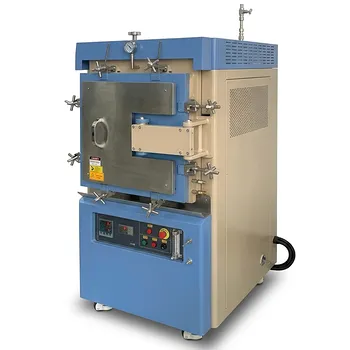
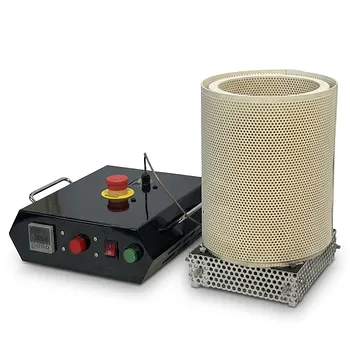
- 1250 C Compact Vertical Box Furnace for Glovebox Material Research Air Sensitive Samples
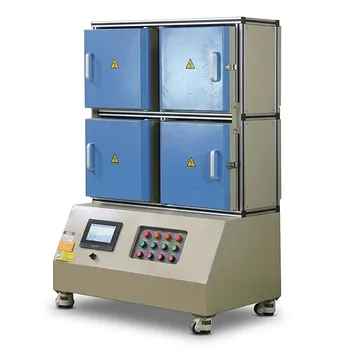
- High Throughput Four Channel Box Furnace 1500C Max Independent Temperature Control Material Research Sintering System
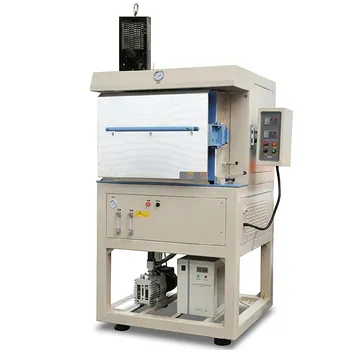
- 1200C Hydrogen Atmosphere Box Furnace with 5 Heated Sides and 64L Chamber
- 1400C Bottom Loaded Inert Gas Atmosphere Box Furnace with 125L Capacity and Precision Hydraulic Lift
- High Temperature Four Chamber Box Furnace for High Throughput Materials Research and Space Saving Thermal Processing
People Also Ask
- How does a programmable Box Furnace facilitate the curing of silver inks? Expert Thermal Control for Silicon Substrates
- How does a box furnace facilitate the conversion of precursors in catalyst impregnation processes? Master Calcination
- What function does argon serve in MOF melt-quenching? Prevent oxidation and ensure chemical integrity.
- How does urea affect Rh–WNO catalyst development? Optimize lattice formation and nanocluster dispersion in furnaces.
- Why is a laboratory box furnace used for the pre-oxidation treatment of lotus-root-like nanofibers? Boost Porosity

Tech Team · ThermUnits
Last updated on Jun 02, 2026
Related Products
1250 C Compact Vertical Box Furnace for Glovebox Material Research Air Sensitive Samples
High Throughput Four Channel Box Furnace 1500C Max Independent Temperature Control Material Research Sintering System
1200C Hydrogen Atmosphere Box Furnace with 5 Heated Sides and 64L Chamber
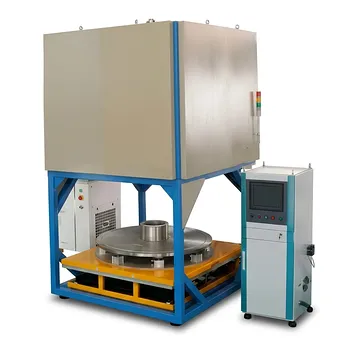
1400C Bottom Loaded Inert Gas Atmosphere Box Furnace with 125L Capacity and Precision Hydraulic Lift
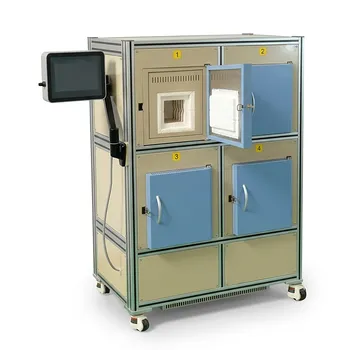
High Temperature Four Chamber Box Furnace for High Throughput Materials Research and Space Saving Thermal Processing
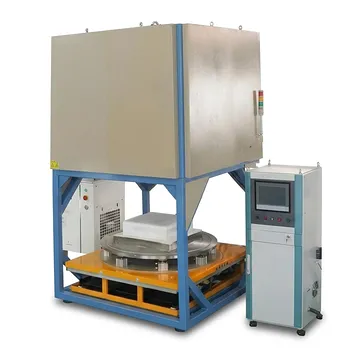
Bottom Loaded Inert Gas Atmosphere Box Furnace 1400C Maximum Temperature 125L High Capacity Laboratory Heat Treatment System
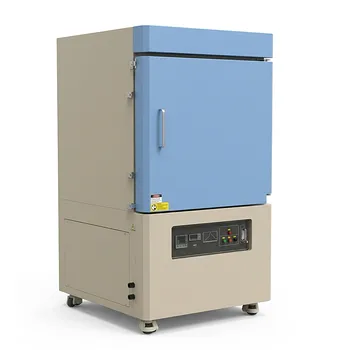
Industrial Large Box Furnace 1700C 216L High Temp Muffle Sintering System
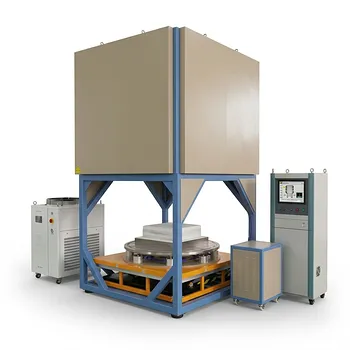
Bottom Loaded Inert Gas Atmosphere Box Furnace 1700C 1300C 216L Large Capacity Industrial Thermal Processing System
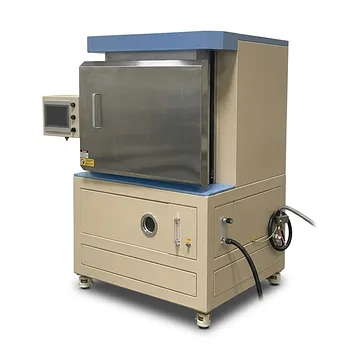
1650C High Temperature Atmosphere Controlled Box Furnace with 65L Chamber for Advanced Material Sintering and Industrial Heat Treatment
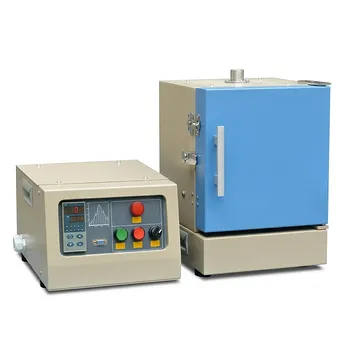
1200C Small Box Muffle Furnace with Separated Programmable Controller and 4.2L Alumina Fiber Chamber
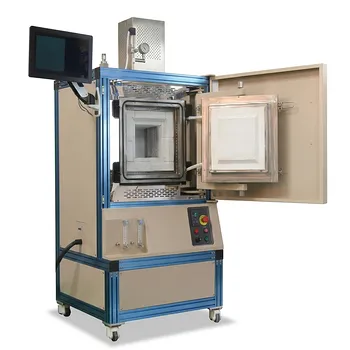
High Temperature Hydrogen Atmosphere Box Furnace 1650C Max Reducing Environment Material Synthesis System 8x8x8 Chamber
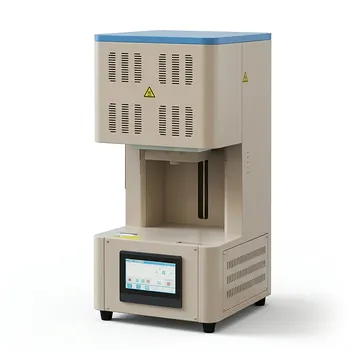
Automated 1700C High Temperature Bottom Loading Box Furnace with PC Software Control and Robotic Integration Capability
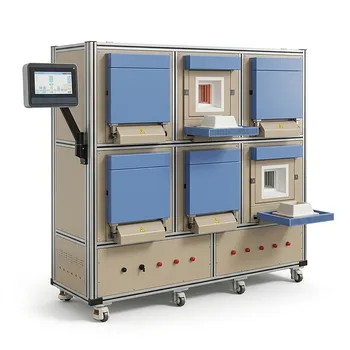
High Temperature 1700℃ Eight Chamber Box Furnace with Automatic Doors for Autonomous Material Research and High Throughput Heat Treatment
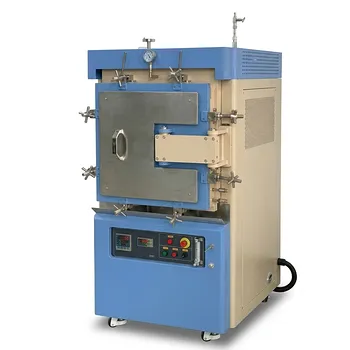
High Temperature Economic Hydrogen Gas Box Furnace 1600C Atmosphere Controlled Thermal Processing System 65L Capacity
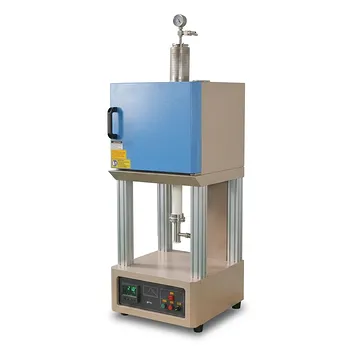
Hybrid High Temperature Tube and Box Furnace 1700C with 2 Inch Alumina Tube for Material Research
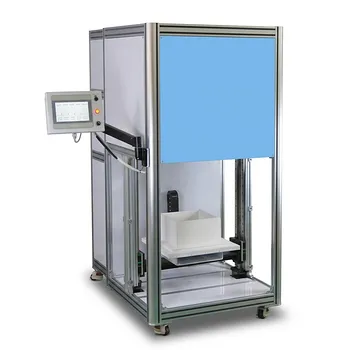
High Temperature 1600°C Three Zone Heated Bottom Loading Box Furnace with Rapid Thermal Processing Chamber 72L Volume
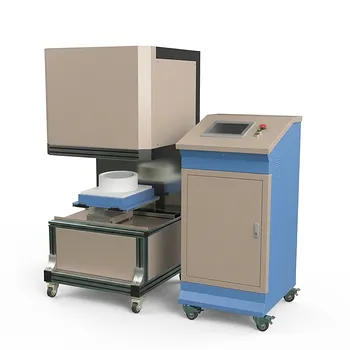
High Temperature Bottom Loading Box Furnace for Rapid Thermal Processing 1700C 40L Capacity
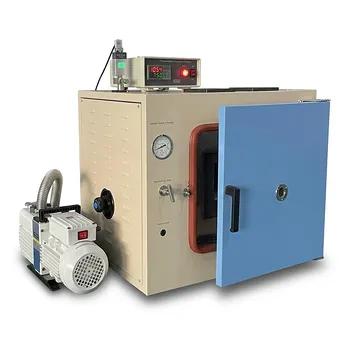
Compact High Vacuum Box Furnace 1050C Max 6.2L Ceramic Chamber Stainless Steel Shell Programmable Temperature Controller for Material Science Research
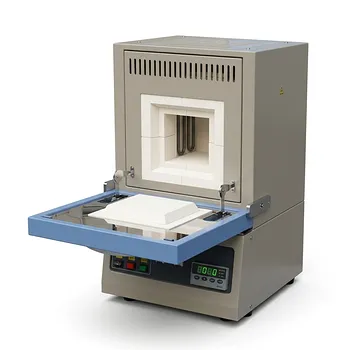
Five Sided Heating Muffle Furnace High Uniformity 1200C Lab Box Furnace 27L Alumina Fiber Chamber