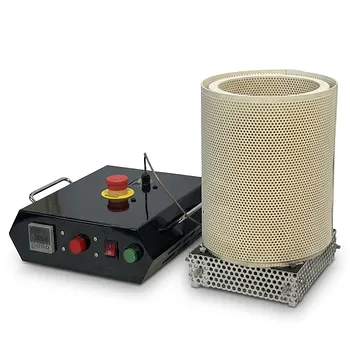
Why is a forced air drying oven or atmosphere furnace required for KCl-Co nanofiber stabilization? Ensure Integrity.
Updated 3 months ago
The stabilization of KCl-Co precursor nanofibers requires a forced air drying oven or an atmosphere furnace to establish a perfectly uniform thermal field that triggers critical chemical structural changes. These specialized environments facilitate cross-linking, cyclization, and dehydrogenation reactions within the polymer matrix (such as PVP), essentially "locking" the nanofiber structure in place. Without this controlled heating, the fibers would lose their shape, melt, or collapse during the subsequent high-temperature carbonization process.
Core Takeaway: Stabilization is a foundational "pre-treatment" that converts fragile polymer precursors into a thermally robust framework, ensuring the final carbon nanofibers retain their intended morphology and functionality at extreme temperatures.
The Necessity of Thermal Uniformity
Eliminating Temperature Gradients
A forced air drying oven or atmosphere furnace ensures that every section of the nanofiber mat experiences the exact same temperature simultaneously.
Inconsistent heating across the sample can lead to uneven stabilization, causing some fibers to remain thermoplastic while others become brittle, resulting in a fractured final product.
Inducing Key Physicochemical Transformations
The uniform heat provided by these tools is the catalyst for cross-linking and cyclization, where polymer chains bond together to form a rigid "ladder" structure.
This dehydrogenation process removes hydrogen atoms and rearranges the molecular architecture, significantly increasing the thermal stability of the composite material.
Preserving the "Nanofiber Armor"
Preventing Morphological Collapse
Before stabilization, polymer-based nanofibers are typically thermoplastic, meaning they would simply melt into a puddle at high temperatures.
The stabilization phase ensures the fibers maintain their fibrous morphology, allowing them to survive the transition into a carbonized state without merging together.
Enabling Structural Integrity for Carbonization
By creating a heat-resistant shell, stabilization allows for the successful construction of a nanofiber armor layer.
This layer is vital for housing the KCl-Co precursors and ensuring that the final material possesses the high surface area and porosity required for technical applications.
Understanding the Trade-offs and Pitfalls
The Risk of Under-Stabilization
If the stabilization temperature is too low or the thermal field is uneven, the polymer will not fully cross-link.
During the next stage of heating (carbonization), these under-stabilized sections will melt and fuse, destroying the hierarchical pore structure and reducing the material's effectiveness.
Balancing Atmosphere and Oxidation
While stabilization often occurs in an air atmosphere to promote oxidative cross-linking, excessive exposure can lead to the oxidative destruction of the organic components.
The use of an atmosphere furnace allows researchers to switch precisely between air (for stabilization) and inert gases like nitrogen or argon (for carbonization) to prevent the total combustion of the carbon skeleton.
How to Apply This to Your Process
Choosing the Right Equipment Based on Your Goal
- If your primary focus is Scalability and Cost: A forced air drying oven is generally sufficient for air-based stabilization at temperatures around 250 °C.
- If your primary focus is High-Purity Morphology: An atmosphere tube furnace is preferred to ensure a strictly controlled environment and seamless transition to inert carbonization.
- If your primary focus is Complex Chemical Doping: Use an atmosphere furnace to precisely introduce or remove specific gaseous elements during the thermal treatment cycles.
By mastering the stabilization phase through precise thermal control, you ensure the structural survival and performance of your nanofiber-based materials.
Summary Table:
| Feature | Role in Stabilization | Key Benefit |
|---|---|---|
| Thermal Uniformity | Eliminates temperature gradients | Prevents uneven stabilization and fiber fracturing |
| Chemical Reaction | Triggers cross-linking & cyclization | Builds a heat-resistant molecular "ladder" structure |
| Morphology Control | Prevents melting of polymers | Maintains the fibrous shape during high-temp carbonization |
| Atmosphere Control | Manages oxidative vs. inert environments | Prevents the total combustion of the carbon skeleton |
Elevate Your Material Research with THERMUNITS Precision
At THERMUNITS, we understand that the success of your nanofibers depends on uncompromising thermal precision. As a leading manufacturer of high-temperature laboratory equipment for material science, we provide the tools necessary to master complex processes like KCl-Co precursor stabilization.
Our comprehensive range of solutions includes:
- Atmosphere and Tube Furnaces: Perfect for controlled gas environments and precise cyclization.
- Muffle and Vacuum Furnaces: For high-purity heat treatment.
- Advanced Systems: Including CVD/PECVD, Rotary Kilns, Hot Press furnaces, and Vacuum Induction Melting (VIM) units.
Whether you are focusing on industrial R&D or advanced material synthesis, THERMUNITS equipment ensures the uniform thermal fields and atmospheric control required to prevent structural collapse and maximize material performance.
Ready to optimize your heat treatment workflow? Contact us today to discuss your specific laboratory requirements and discover how our thermal solutions can drive your innovation forward!
References
- Qinghua Li, Shaoming Huang. Efficient Polytelluride Anchoring for Ultralong-Life Potassium Storage: Combined Physical Barrier and Chemisorption in Nanogrid-in-Nanofiber. DOI: 10.1007/s40820-023-01318-9
Mentioned Products
- Roller Table Atmosphere Furnace 1500C High Temperature Battery Material Sintering System 112L Capacity
- High Temperature Vertical Atmosphere Controlled Furnace 1700C Automatic Bottom Loading 13 Liter Vacuum Thermal System
- 1650C High Temperature Atmosphere Controlled Box Furnace with 65L Chamber for Advanced Material Sintering and Industrial Heat Treatment
- 1200C Hydrogen Atmosphere Box Furnace with 5 Heated Sides and 64L Chamber
- 1200°C Atmosphere Controlled Automatic Bottom Loading Furnace with 6 Inch Quartz Tube
People Also Ask
- How does a high-temperature sintering furnace environment enhance NdFeB magnets? Achieve 98%+ density with precision.
- How does the temperature control precision of a high-temperature sintering furnace affect Na1+xLa1-xZr2O6-δ ceramics?
- How are electric heating elements designed to operate within carburizing atmospheres? Top Design Strategies Revealed
- How does a high-temperature sintering furnace contribute to the interfacial strengthening of SS316L and zirconia?
- Why is a high-temperature sintering furnace required for the preparation of Li(Nb,Ta)O3 precursors? Essential Insights

Tech Team · ThermUnits
Last updated on Jun 03, 2026
Related Products
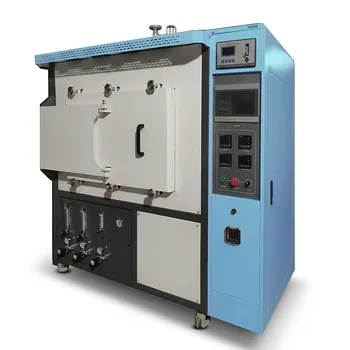
Roller Table Atmosphere Furnace 1500C High Temperature Battery Material Sintering System 112L Capacity
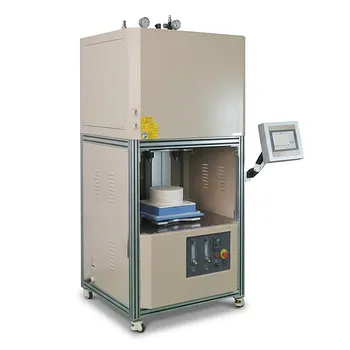
High Temperature Vertical Atmosphere Controlled Furnace 1700C Automatic Bottom Loading 13 Liter Vacuum Thermal System
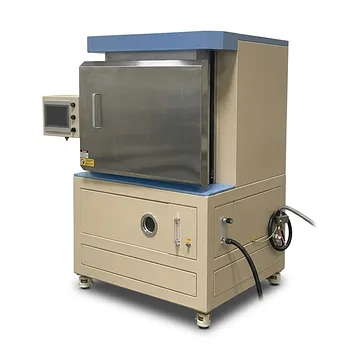
1650C High Temperature Atmosphere Controlled Box Furnace with 65L Chamber for Advanced Material Sintering and Industrial Heat Treatment
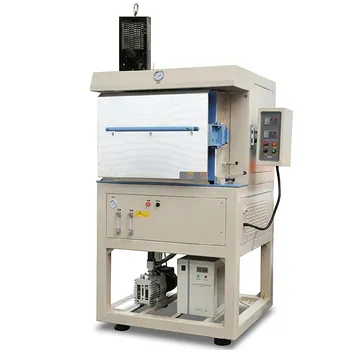
1200C Hydrogen Atmosphere Box Furnace with 5 Heated Sides and 64L Chamber
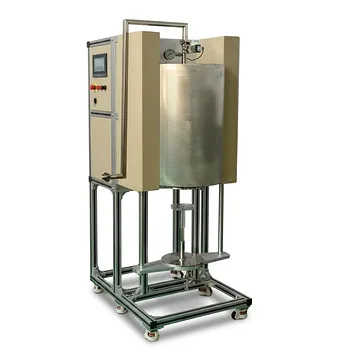
1200°C Atmosphere Controlled Automatic Bottom Loading Furnace with 6 Inch Quartz Tube
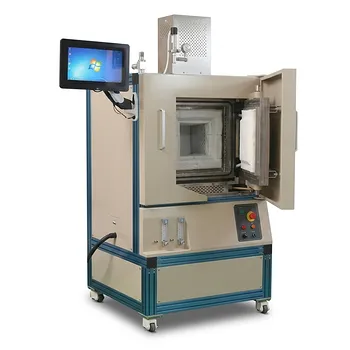
High Temperature Oxygen and Inert Atmosphere Controlled Furnace 8 Liter 1700C Sintering System for Advanced Materials RD
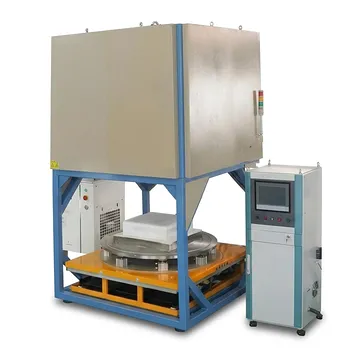
Bottom Loaded Inert Gas Atmosphere Box Furnace 1400C Maximum Temperature 125L High Capacity Laboratory Heat Treatment System
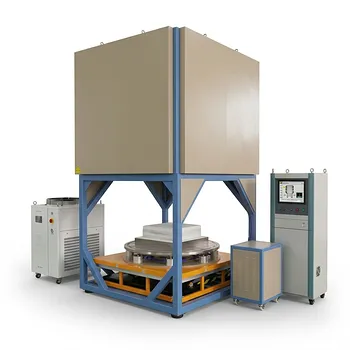
Bottom Loaded Inert Gas Atmosphere Box Furnace 1700C 1300C 216L Large Capacity Industrial Thermal Processing System
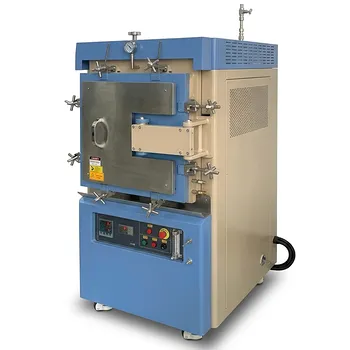
Atmosphere Controlled Muffle Furnace 1700C Maximum Temperature 80L High Capacity Vacuum Inert Gas Box Furnace
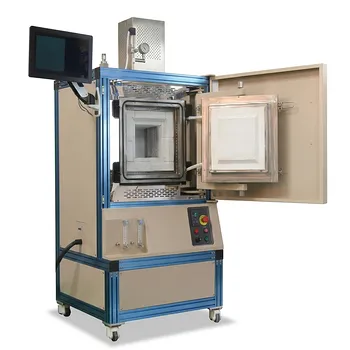
High Temperature Hydrogen Atmosphere Box Furnace 1650C Max Reducing Environment Material Synthesis System 8x8x8 Chamber
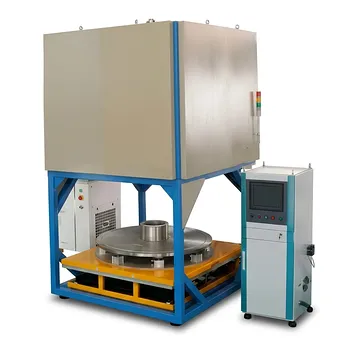
1400C Bottom Loaded Inert Gas Atmosphere Box Furnace with 125L Capacity and Precision Hydraulic Lift
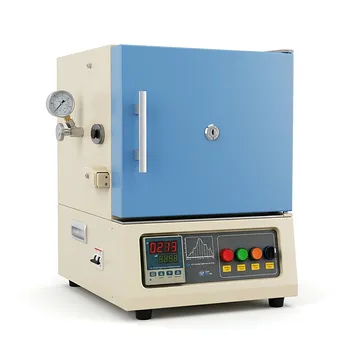
1200C Hybrid Muffle and Tube Furnace for Material Research with Dual Atmosphere Control Quartz Tubes
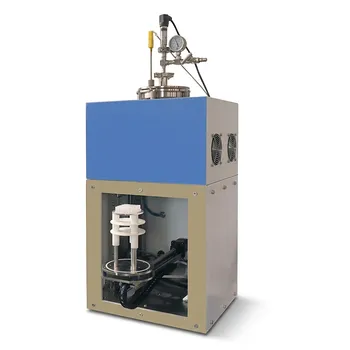
Rapid Thermal Processing RTP Atmosphere Controlled Bottom Loading Furnace 1100C High Throughput 50C per Second Heating Rate
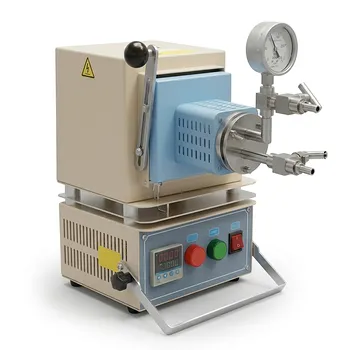
Compact Hybrid Muffle and Tube Furnace for 1000C Controlled Atmosphere Laboratory Material Sintering
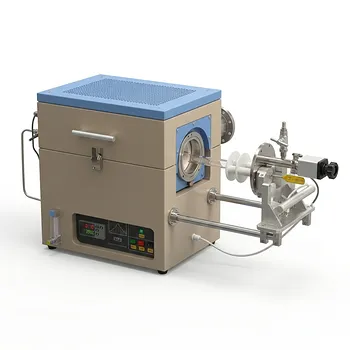
Compact Atmosphere Controlled Rapid Thermal Processing RTP Furnace with 4 Inch ID Quartz Tube 1100C
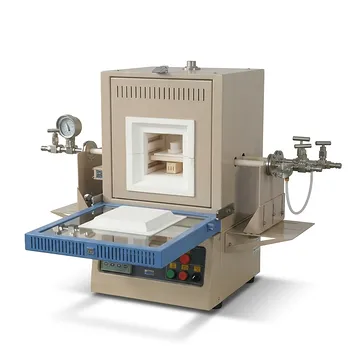
1700C Compact Hybrid Furnace with Dual Layer Box Sintering and Controlled Atmosphere Alumina Tubes

Vertical 1700C Vacuum and Atmosphere Tube Furnace with 80mm Alumina Tube
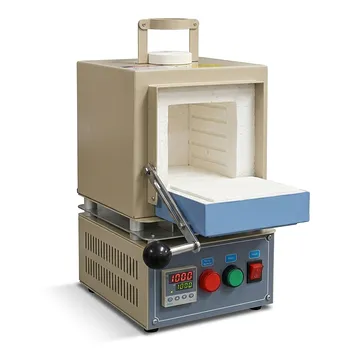
Compact 1000C Muffle Furnace with Programmable Controller and 2 Inch Top Port for Vacuum and Atmosphere Material Research
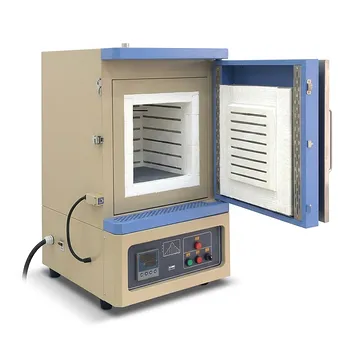
Five Side Heating Muffle Furnace High Purity Alumina Fiber 27L Chamber 1200C High Temperature Thermal Processing System for Sintering Annealing and Materials Research