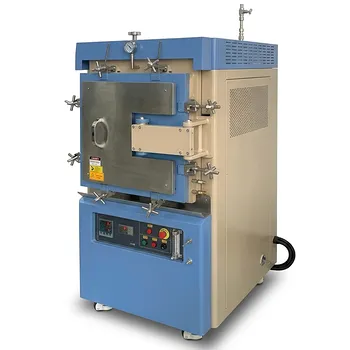
What role does a high-temperature box resistance furnace play in the synthesis of Ce–La–V/TiO2 catalysts? Key Role.
Updated 3 months ago
The high-temperature box resistance furnace is the primary thermal reactor for the calcination stage of Ce–La–V/TiO2 catalyst synthesis. By maintaining a precise environment, typically at 500 °C for 4 hours, the furnace provides the thermal energy necessary to transform inactive chemical precursors into functional metal oxides. This process is critical for establishing the material's final denitration activity and structural integrity.
The furnace acts as a "thermal architect," facilitating the decomposition of carbonates into active phases like CeO2 and V2O5 while stabilizing the crystal structure. Without this precise thermal treatment, the catalyst would remain a collection of inactive precursors rather than a high-performance chemical agent.
The Thermal Conversion of Precursors
The primary role of the furnace is to initiate and sustain the chemical transformations required to create an active catalyst.
Decomposition of Carbonates and Salts
The resistance furnace provides a stable thermal environment that triggers the thermal decomposition of metal carbonates and other precursors. This step removes volatile components and ensures that only the desired metallic elements remain on the titanium dioxide (TiO2) support.
Formation of Active Metal Oxides
During the calcination process, precursors are converted into active metal oxides, specifically CeO2 (Cerium Oxide) and V2O5 (Vanadium Pentoxide). These oxides are the functional components responsible for the catalyst's ability to reduce nitrogen oxides in industrial applications.
Removal of Residual Impurities
High-temperature treatment ensures the complete elimination of residual organic matter or ligands left over from the initial mixing stages. This "deep treatment" cleans the catalyst surface, preventing impurities from blocking active sites during the catalytic reaction.
Structural Stabilization and Microstructure Control
Beyond chemical conversion, the furnace dictates the physical arrangement of the catalyst at the atomic and microscopic levels.
Crystal Phase Stabilization
The furnace enables the stabilization of crystal phases, ensuring the catalyst maintains a specific crystalline structure throughout its operational life. Precise temperature control prevents the formation of inactive phases that could diminish the catalyst's effectiveness.
Microstructure Shaping
The thermal field within the furnace promotes the final shaping of the catalyst’s microstructure. This includes defining the porosity and surface area, which are essential for allowing reactant gases to interact with the active metal oxides.
Support Anchoring and Interaction
The energy provided by the furnace facilitates strong interactions between the active metal species (Ce, La, V) and the TiO2 support. This anchoring process is vital for preventing the active components from migrating or leaching during high-temperature industrial use.
Ensuring Performance Through Thermal Uniformity
The technical design of a box resistance furnace directly impacts the consistency of the final product.
The Role of a Stable Thermal Field
A high-quality furnace provides a stable thermal field that ensures all catalyst particles undergo phase transformation and active site construction simultaneously. This uniformity prevents "hot spots" that could lead to uneven sintering or inactive zones within the catalyst batch.
Controlled Ion Diffusion
In certain synthesis environments, the furnace provides the heat necessary for ion diffusion channels. This allows the Lanthanum (La) and Vanadium (V) to distribute evenly across the Cerium and Titanium matrix, creating a chemically homogeneous material.
Understanding the Trade-offs and Pitfalls
While essential, the use of a high-temperature furnace requires careful management of specific technical variables.
Temperature Overrun and Sintering
If the furnace exceeds the target temperature (e.g., rising significantly above 500 °C), it can cause excessive sintering. This leads to the abnormal growth of nanoparticles, which reduces the total surface area and significantly lowers catalytic activity.
Insufficient Calcination Time
Shortcutting the 4-hour calcination window may result in incomplete decomposition of precursors. Residual carbonates can act as poisons to the catalytic process, leading to poor denitration performance and structural instability.
Atmospheric Influence
The atmosphere inside the box furnace (typically air) is critical for the redox reactions required to form oxides. A lack of proper ventilation or oxygen within the furnace chamber can prevent the full oxidation of Vanadium or Cerium, resulting in a sub-optimal chemical state.
How to Optimize Furnace Use for Your Goal
Applying the right thermal parameters is essential for achieving the desired catalyst properties.
- If your primary focus is maximum denitration activity: Ensure the furnace maintains a strict 500 °C profile to optimize the formation of V2O5 active sites without collapsing the TiO2 pore structure.
- If your primary focus is long-term structural stability: Prioritize the full 4-hour calcination duration to ensure the complete stabilization of crystal phases and secure anchoring of active metals to the support.
- If your primary focus is chemical homogeneity: Utilize a furnace with high-precision temperature uniformity to ensure that Lanthanum and Cerium are distributed evenly across the entire batch.
The high-temperature box resistance furnace is the decisive tool for turning raw chemical components into a sophisticated, high-activity Ce–La–V/TiO2 catalyst.
Summary Table:
| Synthesis Aspect | Core Thermal Role | Catalyst Performance Impact |
|---|---|---|
| Calcination | Decomposition of chemical precursors at 500°C | Formation of active CeO2 and V2O5 oxides |
| Structural Control | Stabilization of crystal phases and anchoring | Enhanced long-term durability and integrity |
| Surface Treatment | Removal of residual organic impurities | Maximized active site availability and purity |
| Microstructure | Shaping porosity and promoting ion diffusion | Optimized interaction for reactant gases |
Elevate Your Material Research with THERMUNITS
THERMUNITS is a leading manufacturer of high-temperature laboratory equipment for material science and industrial R&D. We provide the precision thermal environments necessary for synthesizing high-performance catalysts like Ce–La–V/TiO2.
Our comprehensive range of thermal processing solutions includes:
- Muffle, Vacuum, and Atmosphere Furnaces
- Tube, Rotary, and Hot Press Furnaces
- CVD/PECVD Systems & Dental Furnaces
- Vacuum Induction Melting (VIM) & Electric Rotary Kilns
Whether you are optimizing denitration activity or scaling industrial R&D, our equipment offers the temperature uniformity and reliability your work demands.
Contact THERMUNITS Today to Discuss Your Heat Treatment Needs
References
- Yang Liu, Chengmin Ge. Promotion of SO<sub>2</sub> resistance of Ce–La/TiO<sub>2</sub> denitrification catalysts by V doping. DOI: 10.1039/d3ra07073e
Mentioned Products
- 1400C Bottom Loaded Inert Gas Atmosphere Box Furnace with 125L Capacity and Precision Hydraulic Lift
- High Throughput Four Channel Box Furnace 1500C Max Independent Temperature Control Material Research Sintering System
- 1250 C Compact Vertical Box Furnace for Glovebox Material Research Air Sensitive Samples
- 1200C Hydrogen Atmosphere Box Furnace with 5 Heated Sides and 64L Chamber
- Bottom Loaded Inert Gas Atmosphere Box Furnace 1400C Maximum Temperature 125L High Capacity Laboratory Heat Treatment System
People Also Ask
- How does a box atmosphere furnace contribute to the pre-oxidation of MS-SOECs? Enhance Durability & Efficiency.
- How does a programmable Box Furnace facilitate the curing of silver inks? Expert Thermal Control for Silicon Substrates
- How does a box furnace facilitate the conversion of precursors in catalyst impregnation processes? Master Calcination
- How are electric heating elements designed to operate within carburizing atmospheres? Top Design Strategies Revealed
- What types of sealing systems are employed in atmosphere furnaces to ensure atmosphere integrity? Top Sealing Solutions

Tech Team · ThermUnits
Last updated on Jun 02, 2026
Related Products
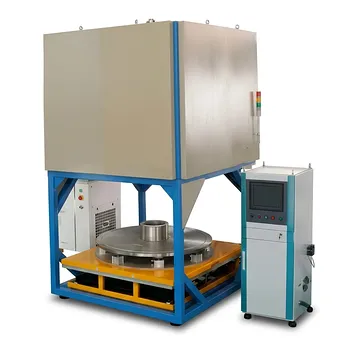
1400C Bottom Loaded Inert Gas Atmosphere Box Furnace with 125L Capacity and Precision Hydraulic Lift
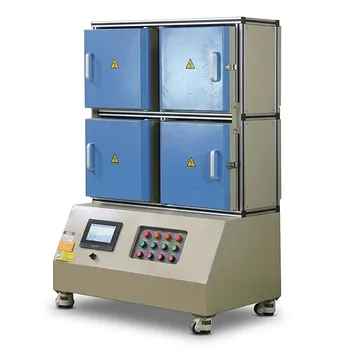
High Throughput Four Channel Box Furnace 1500C Max Independent Temperature Control Material Research Sintering System
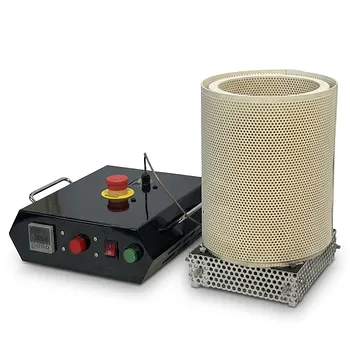
1250 C Compact Vertical Box Furnace for Glovebox Material Research Air Sensitive Samples
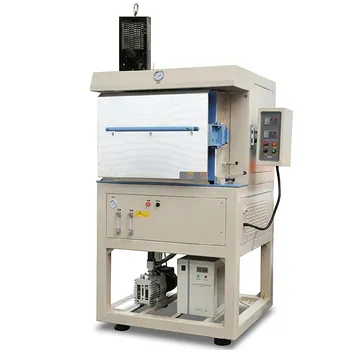
1200C Hydrogen Atmosphere Box Furnace with 5 Heated Sides and 64L Chamber
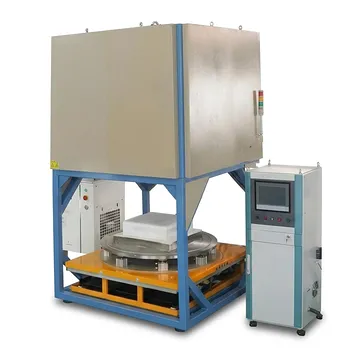
Bottom Loaded Inert Gas Atmosphere Box Furnace 1400C Maximum Temperature 125L High Capacity Laboratory Heat Treatment System
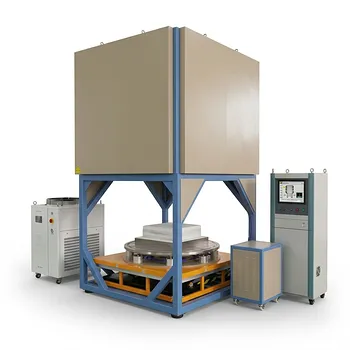
Bottom Loaded Inert Gas Atmosphere Box Furnace 1700C 1300C 216L Large Capacity Industrial Thermal Processing System
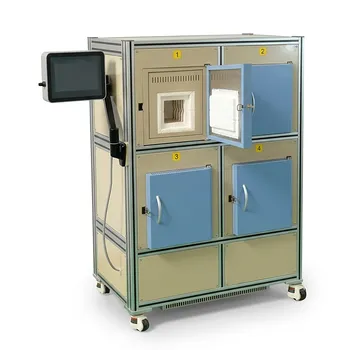
High Temperature Four Chamber Box Furnace for High Throughput Materials Research and Space Saving Thermal Processing
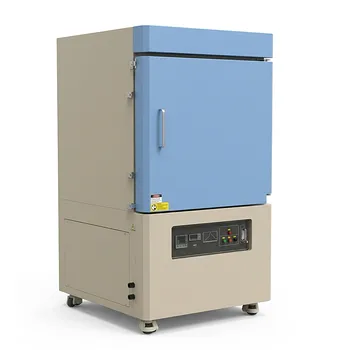
Industrial Large Box Furnace 1700C 216L High Temp Muffle Sintering System
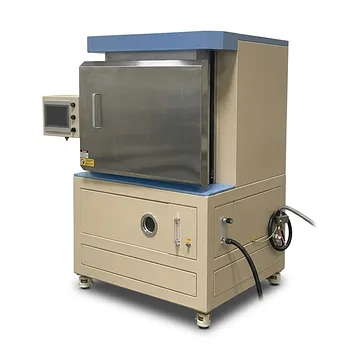
1650C High Temperature Atmosphere Controlled Box Furnace with 65L Chamber for Advanced Material Sintering and Industrial Heat Treatment
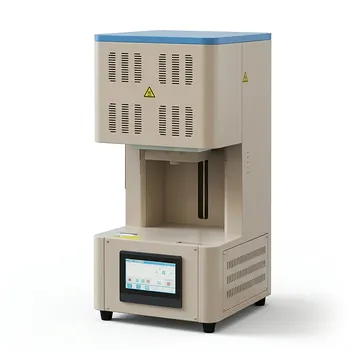
Automated 1700C High Temperature Bottom Loading Box Furnace with PC Software Control and Robotic Integration Capability
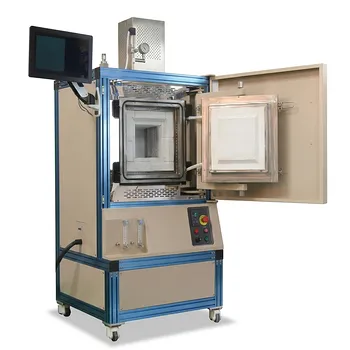
High Temperature Hydrogen Atmosphere Box Furnace 1650C Max Reducing Environment Material Synthesis System 8x8x8 Chamber
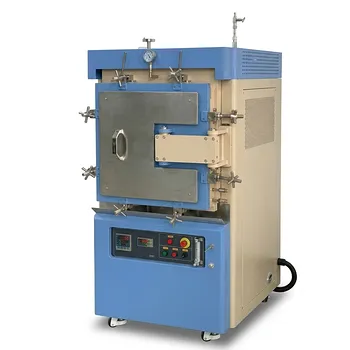
High Temperature Economic Hydrogen Gas Box Furnace 1600C Atmosphere Controlled Thermal Processing System 65L Capacity
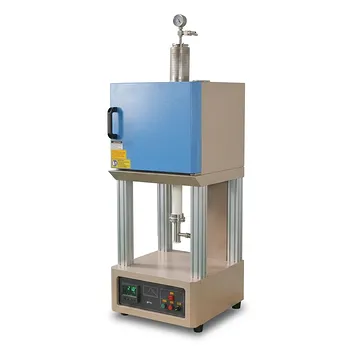
Hybrid High Temperature Tube and Box Furnace 1700C with 2 Inch Alumina Tube for Material Research
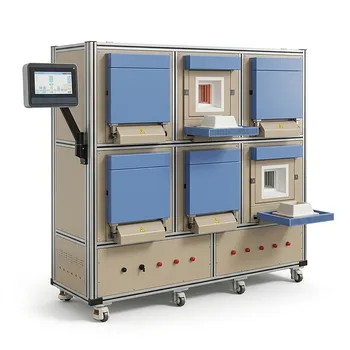
High Temperature 1700℃ Eight Chamber Box Furnace with Automatic Doors for Autonomous Material Research and High Throughput Heat Treatment
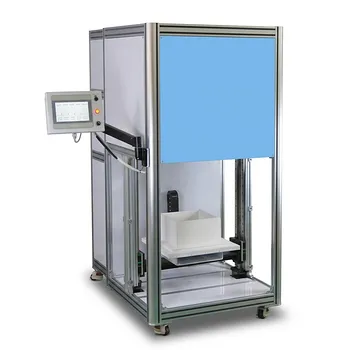
High Temperature 1600°C Three Zone Heated Bottom Loading Box Furnace with Rapid Thermal Processing Chamber 72L Volume
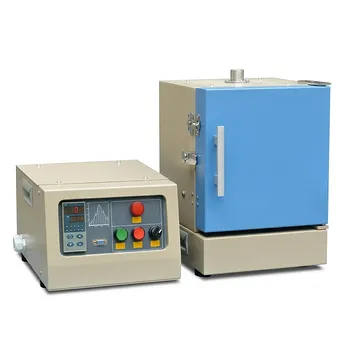
1200C Small Box Muffle Furnace with Separated Programmable Controller and 4.2L Alumina Fiber Chamber
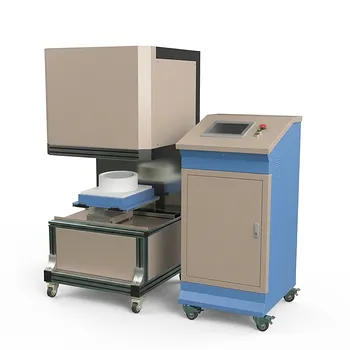
High Temperature Bottom Loading Box Furnace for Rapid Thermal Processing 1700C 40L Capacity
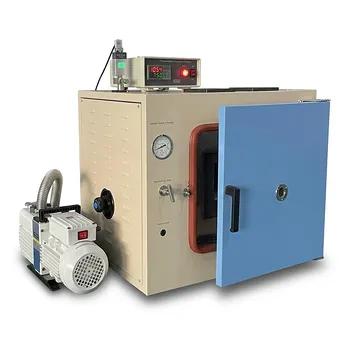
Compact High Vacuum Box Furnace 1050C Max 6.2L Ceramic Chamber Stainless Steel Shell Programmable Temperature Controller for Material Science Research
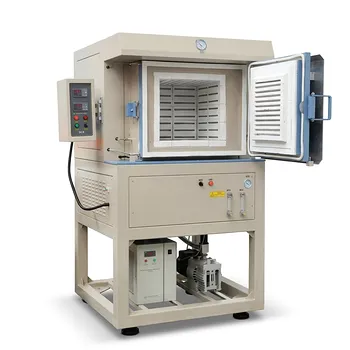
1200°C Five Side Heating Atmosphere Controlled Muffle Furnace 64 Liter High Uniformity Box Furnace for Material Synthesis