What role does a laboratory hot press play in the integration of magnetic composite layers? Achieve Precision Fusion
Updated 5 months ago
A laboratory hot press acts as the critical integration catalyst, using simultaneous heat and pressure to transform separate materials into a unified, high-performance composite. By applying specific thermal energy (120°C) and mechanical load (10 MPa), it induces physical infiltration and thermal fusion of polymer substrates like TPU, creating a permanent bond between magnetic layers, conductive grids, and carbon nanotube films.
The laboratory hot press is essential for eliminating interlayer air and facilitating molecular-level fusion at the polymer interface. This results in a dense, mechanically stable structure that ensures the device maintains its electrical and magnetic functionality even after thousands of mechanical deformation cycles.
The Mechanics of Interfacial Bonding
Thermal Fusion of Polymer Substrates
The hot press provides the necessary thermal energy to reach the softening or melting point of polymer substrates, such as Thermoplastic Polyurethane (TPU). At approximately 120°C, the polymer chains gain enough mobility to interdiffuse across the interfaces of the magnetic composite and the carbon nanotube film.
Physical Infiltration of Nanomaterials
The application of 10 MPa of pressure forces the softened polymer matrix to flow into the microscopic voids of the conductive patterned grids and double-walled carbon nanotube (DWCNT) films. This "mechanical interlocking" ensures that the functional nanomaterials are not just sitting on the surface but are embedded within the composite structure.
Elimination of Interlayer Defects
A primary role of the hot press is the total removal of trapped air and internal pores between heterogeneous layers. By consolidating the stack under high pressure, the machine ensures a dense, void-free architecture, which is vital for maintaining consistent conductivity and magnetic response across the entire film.
Enhancing Device Durability and Performance
Mechanical Resilience Under Stress
The integration achieved through hot pressing significantly improves the mechanical stability of the multi-layer system. This structural unity allows the composite to undergo extreme deformation, such as 5000 bending cycles, without experiencing delamination or loss of contact between the conductive and magnetic components.
Optimization of Structural Density
Beyond simple bonding, the hot press optimizes the crystalline regions and density of the materials involved. Similar to its role in piezoelectric or solid-state electrolyte fabrication, the process ensures that the carbon nanotube network remains dense and physically continuous, which is essential for stable electron transport.
Uniformity and Thickness Control
The precision of a laboratory hot press allows researchers to achieve a uniform thickness across the entire composite area. This exact control is critical for applications like electromagnetic interference (EMI) shielding or sensing, where the specific thickness of the magnetic or conductive layer directly dictates performance.
Understanding the Trade-offs
Thermal Sensitivity of Functional Layers
While heat is required for fusion, excessive temperatures can degrade the magnetic properties or oxidize the conductive grids. It is a delicate balance to reach the polymer flow point without compromising the delicate electronic characteristics of the carbon nanotube films.
Pressure Distribution Risks
Uneven pressure during the pressing cycle can lead to "thin spots" or structural micro-cracks in the conductive grid. If the pressure is too high, it may cause the molten polymer to squeeze out of the sides, altering the intended material ratios and thinning the functional layers beyond their design limits.
Material Compatibility
Hot pressing is highly effective for thermoplastics like TPU or HDPE, but it is less effective for materials that do not exhibit a semi-molten state. If the layers have vastly different thermal expansion coefficients, internal stresses can develop during the cooling phase, potentially leading to warping.
How to Apply This to Your Project
Making the Right Choice for Your Goal
To achieve the best results when integrating multi-layered functional films, consider your primary objective:
- If your primary focus is mechanical longevity: Prioritize the thermal fusion parameters (120°C) to ensure the polymer chains fully interlock, preventing delamination during bending.
- If your primary focus is electrical conductivity: Focus on the pressure settings to ensure the carbon nanotube films are pressed into a dense, continuous network without internal voids.
- If your primary focus is precision thickness: Utilize a high-precision press with thickness-limiting shims to ensure the final composite meets exact micrometric specifications.
By mastering the simultaneous application of heat and pressure, you transition from a simple stack of materials to a robust, integrated functional device.
Summary Table:
| Integration Factor | Mechanism | Key Benefit |
|---|---|---|
| Thermal Energy (120°C) | Polymer chain interdiffusion (TPU) | Permanent molecular-level bonding |
| Mechanical Load (10 MPa) | Physical infiltration of nanomaterials | Mechanical interlocking & stability |
| High Pressure Consolidation | Elimination of interlayer air/pores | Dense, void-free architecture |
| Precision Control | Uniform thickness management | Consistent electrical/magnetic response |
Elevate Your Material Research with THERMUNITS
Are you looking to achieve flawless integration in your composite materials? THERMUNITS is a leading manufacturer of high-temperature laboratory equipment specifically designed for material science and industrial R&D. We provide the precision tools necessary to transform separate functional layers into high-performance devices.
Our comprehensive range of thermal processing solutions includes:
- Hot Press Furnaces for advanced composite integration.
- CVD/PECVD Systems for high-quality carbon nanotube and film growth.
- Muffle, Vacuum, Atmosphere, and Tube Furnaces for versatile heat treatments.
- Specialized Equipment: Rotary kilns, Vacuum Induction Melting (VIM) furnaces, and Dental furnaces.
Whether you are working on EMI shielding, sensing technologies, or advanced structural materials, THERMUNITS delivers the reliability and control your lab demands.
Ready to optimize your thermal processing? Contact our technical experts today to find the perfect solution for your research goals!
References
- Byeongjin Park, Sang‐bok Lee. Absorption‐Dominant Electromagnetic Interference (EMI) Shielding across Multiple mmWave Bands Using Conductive Patterned Magnetic Composite and Double‐Walled Carbon Nanotube Film. DOI: 10.1002/adfm.202406197
Mentioned Products
- High Temperature Vacuum Lamination Hot Press Furnace Machine for Semiconductor Wafer Bonding and Advanced Composite Thermal Processing
- Industrial Vacuum Hot Press Furnace Machine and High Temperature Heated Vacuum Press for Advanced Material Sintering
- Industrial High Temperature Vacuum Hot Press Furnace and Heated Vacuum Press Machine for Material Science Sintering
- High Pressure 600T Vacuum Induction Hot Press Furnace for Advanced Material Heat Treatment and Sintering
- 2500C High Vacuum Ultrafast Heating Pellet Press with Automated 8 Sample Loading System
People Also Ask
- What types of heating systems and insulation are used in Vacuum Hot Press Furnaces? Optimize Your Thermal Processing
- What is a Vacuum Hot Press Furnace and what are its primary industrial applications? Achieve Maximum Material Density
- What are the structural features of the furnace body and chamber in a Vacuum Hot Press Furnace? Master Material Density
- Why is graphite the preferred material for dies and heating elements in Vacuum Hot Press Furnaces? High-Temp Solutions
- What are the primary operational components and mechanisms of a vacuum hot press furnace? A Technical Breakdown

Tech Team · ThermUnits
Last updated on Apr 14, 2026
Related Products
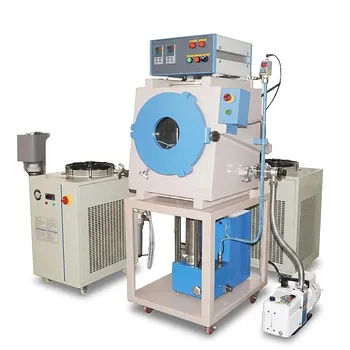
High Temperature Vacuum Lamination Hot Press Furnace Machine for Semiconductor Wafer Bonding and Advanced Composite Thermal Processing
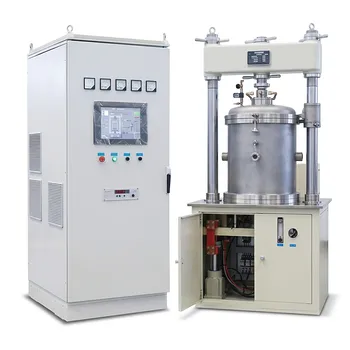
Industrial Vacuum Hot Press Furnace Machine and High Temperature Heated Vacuum Press for Advanced Material Sintering
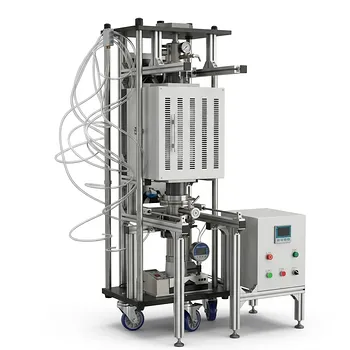
Industrial High Temperature Vacuum Hot Press Furnace and Heated Vacuum Press Machine for Material Science Sintering
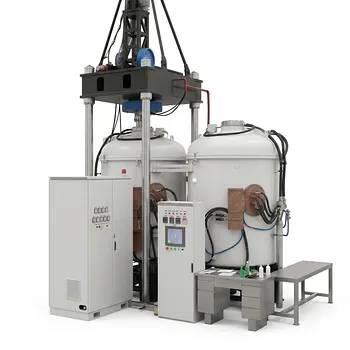
High Pressure 600T Vacuum Induction Hot Press Furnace for Advanced Material Heat Treatment and Sintering
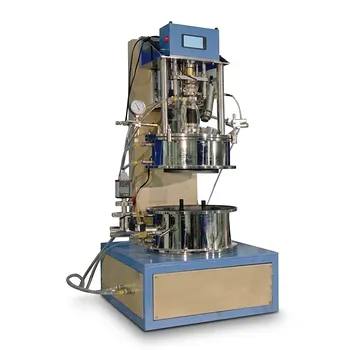
2500C High Vacuum Ultrafast Heating Pellet Press with Automated 8 Sample Loading System
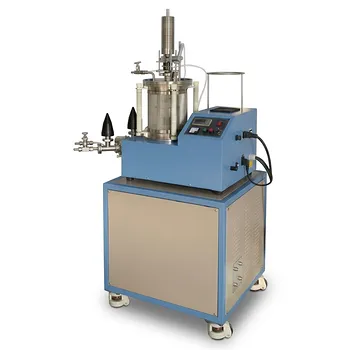
Ultrafast Thermal Pressing Furnace 2900C Max Temperature 200K per Second Heating Rate Vacuum Atmosphere Rapid Processing System
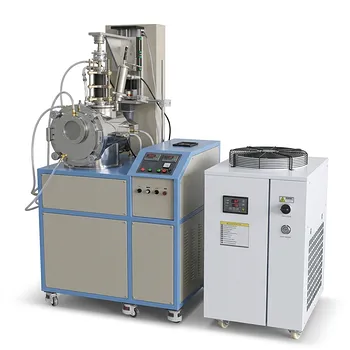
High Temperature Ultrafast Heating Pressing Furnace 2900C Max 100kgf Rapid Thermal Processing System
Three Temperature Zone Fast Heating Furnace 1500C Laboratory High Precision Thermal Processing System
High Temperature Mini Induction Heating Furnace 1600C Laboratory Material Melting System
High Temperature Muffle Furnace with Dual Controllers and 36L Large Chamber 1700C Max
High Temperature Benchtop Muffle Furnace 1500C with 3.6L Chamber and Quartz Observation Window
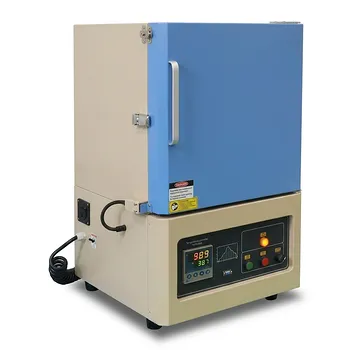
1200°C High Temperature Muffle Furnace 19L Chamber with 50 Segment Programmable Controller
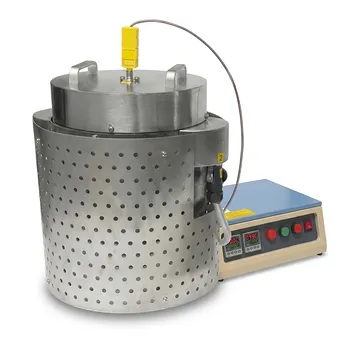
Vertical Crucible Furnace 1000C High Temperature Laboratory Equipment 4.7 Inch Diameter Chamber SS316 Anti Corrosive Enclosure
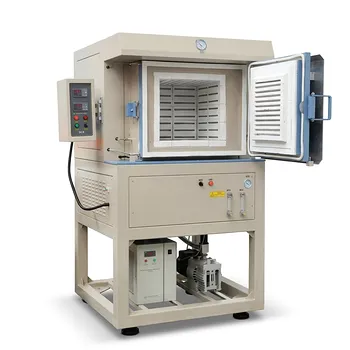
1200°C Five Side Heating Atmosphere Controlled Muffle Furnace 64 Liter High Uniformity Box Furnace for Material Synthesis
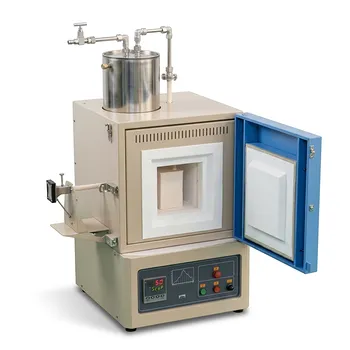
High Temperature Bench Top Muffle Furnace 1700C with Integrated Evaporating Particle Collection and 8x8x8 Alumina Fiber Chamber
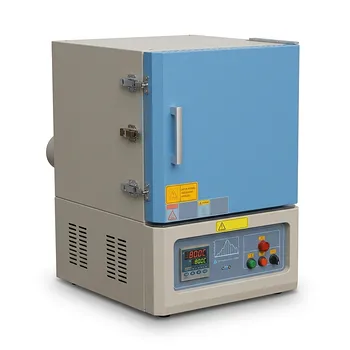
1800C Bench Top Muffle Furnace 18 Liters with Kanthal Super 1900 Heating Elements for High Purity Ceramic Sintering and Material Research
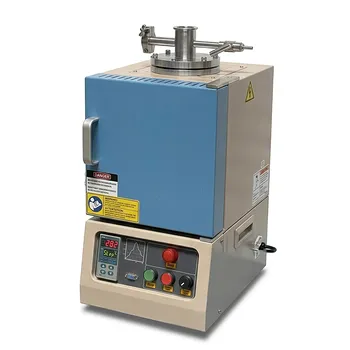
High Temperature Hybrid Muffle and Tube Furnace with Vacuum Capability and PID Control
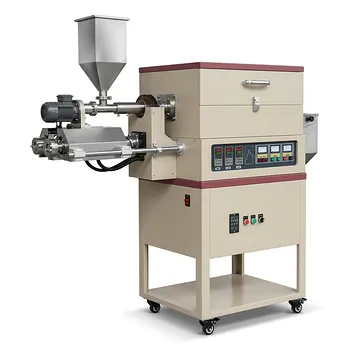
Laboratory Tilting Rotary Tubular Furnaces for Material Science and Industrial Heat Treatment
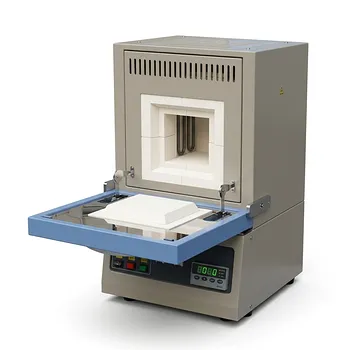
Five Sided Heating Muffle Furnace High Uniformity 1200C Lab Box Furnace 27L Alumina Fiber Chamber