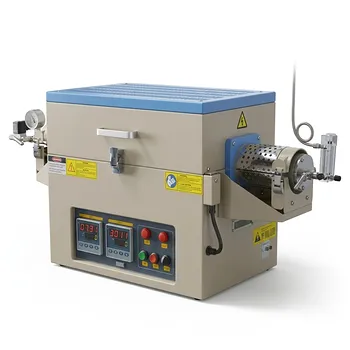
How do sealed furnaces simulate RR1000 hot corrosion? Precise Gas Control for Turbine Material R&D
Updated 3 months ago
A sealed atmosphere furnace with gas mixing capabilities is the critical engine for recreating the chemically aggressive environments found in gas turbines. By precisely blending air with specific concentrations of sulfur dioxide (SO2), typically around 300 ppm, this equipment allows researchers to simulate the Type II low-temperature hot corrosion (LTHC) mechanisms that degrade RR1000 alloys. It ensures that the interaction between the alloy, a surface salt coating, and the surrounding gas phase is stable, reproducible, and representative of actual turbine operating conditions.
The core role of a sealed atmosphere furnace is to establish a high-fidelity "chemical potential field" where temperature and gas composition are held constant. This stability is essential for isolating the specific mechanisms of molten salt-induced corrosion and selective oxidation in turbine disk alloys.
Recreating the Corrosive Micro-Environment
Precision Gas Proportions
The furnace uses mass flow controllers to deliver a precise mixture of dry air (79% N2, 21% O2) and SO2. This accuracy is vital because even minor fluctuations in SO2 concentration can significantly alter the rate of sulfate formation and the subsequent corrosion kinetics.
Synergy with Molten Salts
In RR1000 testing, the gas atmosphere does not act alone; it reacts with molten salt coatings pre-applied to the specimen. The sealed environment prevents the loss of volatile corrosive species, ensuring the chemical reaction between the gas and the salt remains consistent throughout the test duration.
Controlling Oxygen Partial Pressure
A sealed system allows for a constant oxygen partial pressure at the sample surface. This stability is necessary to analyze how alloying elements like manganese and aluminum undergo selective oxidation, which determines the protective or non-protective nature of the resulting oxide scale.
Engineering a Uniform Reaction Zone
Achieving a Stable Flow Field
Vertical furnace configurations often introduce gases from the bottom, allowing them to flow upward past samples suspended in alumina crucibles. This design ensures that the corrosive gas is pre-heated and reaches the sample at a uniform velocity and concentration.
Thermal Uniformity and Alumina Integrity
High-purity alumina reaction tubes are used to provide a chemically inert environment that can withstand high temperatures. This setup places the RR1000 samples within a "uniform thermal zone," preventing temperature gradients from skewing the corrosion data.
Simulating Operational Cycles
Advanced sealed furnaces can be programmed for periodic heating and cooling cycles. This capability is essential for studying the effects of thermal stress on oxide scale spallation, which is a primary failure mode for RR1000 alloys in real-world aero-engines.
Understanding the Trade-offs and Limitations
Laboratory vs. Real-World Complexity
While sealed furnaces provide excellent control, they are simplified models of a turbine. They often lack the high-pressure environments and high-velocity gas flows (gas speeds reaching Mach levels) found in actual engine hot sections.
The Challenge of SO2 Sequestration
Sulfur dioxide is highly reactive and can sometimes be "scrubbed" or absorbed by the furnace internals if the materials are not chosen correctly. This can lead to a lower effective SO2 concentration at the sample surface than what was initially mixed at the source.
Kinetic Modeling Constraints
Static or low-flow laboratory tests measure oxidation kinetics—such as weight gain per unit area—under ideal conditions. These results may underestimate the material loss experienced under the erosive conditions of high-speed turbine exhaust.
How to Apply These Findings to Your Research
Selecting the right furnace parameters depends entirely on the specific degradation mechanism you intend to investigate.
- If your primary focus is Type II LTHC Mechanism Study: Use a stable mixture of 300 ppm SO2 in air at lower turbine temperatures to observe the synergetic effect of salt and gas.
- If your primary focus is Oxide Scale Adhesion: Prioritize a furnace with programmable thermal cycling to measure how thermal expansion mismatches lead to scale spallation.
- If your primary focus is Alloy Development (Selective Oxidation): Ensure the gas mixing system can maintain a very high degree of oxygen partial pressure stability to track the movement of Al and Mn to the surface.
By meticulously controlling the chemical and thermal variables within a sealed atmosphere, you can transform a laboratory furnace into a definitive diagnostic tool for predicting the lifespan of RR1000 turbine components.
Summary Table:
| Feature | Role in Hot Corrosion Simulation | Research Value for RR1000 |
|---|---|---|
| Gas Mixing (MFC) | Precise SO2/Air blending (e.g., 300 ppm) | Reproduces Type II LTHC mechanisms |
| Sealed Design | Maintains constant oxygen partial pressure | Ensures stable selective oxidation analysis |
| Alumina Reaction Tubes | Chemically inert high-temperature zone | Prevents contamination & ensures thermal uniformity |
| Thermal Cycling | Programmed heating and cooling cycles | Measures oxide scale spallation & thermal stress |
Elevate Your Material R&D with THERMUNITS
As a global leader in high-temperature laboratory equipment, THERMUNITS empowers researchers to push the boundaries of material science. Our specialized Atmosphere, Tube, and Vacuum furnaces are engineered to deliver the precise gas control and thermal uniformity required for simulating complex environments like gas turbine hot corrosion in RR1000 alloys.
Beyond alloy testing, we offer a comprehensive suite of thermal processing solutions:
- Muffle, Rotary, and Hot Press Furnaces
- CVD/PECVD Systems & Dental Furnaces
- Vacuum Induction Melting (VIM) & Electric Rotary Kilns
- High-Performance Thermal Elements
Ready to optimize your heat treatment processes? Contact our technical experts today to find the perfect solution for your laboratory or industrial R&D needs.
References
- Simon Gray, M.P. Taylor. Comparison of Performance of NiCr2O4 and Cr2O3 Formed on the Ni-Based Superalloy RR1000 Under Corrosive Conditions. DOI: 10.1007/s11085-024-10256-9
Mentioned Products
- High Temperature Economic Hydrogen Gas Box Furnace 1600C Atmosphere Controlled Thermal Processing System 65L Capacity
- 1400C Bottom Loaded Inert Gas Atmosphere Box Furnace with 125L Capacity and Precision Hydraulic Lift
- Bottom Loaded Inert Gas Atmosphere Box Furnace 1700C 1300C 216L Large Capacity Industrial Thermal Processing System
- Bottom Loaded Inert Gas Atmosphere Box Furnace 1400C Maximum Temperature 125L High Capacity Laboratory Heat Treatment System
- Atmosphere Controlled Muffle Furnace 1700C Maximum Temperature 80L High Capacity Vacuum Inert Gas Box Furnace
People Also Ask
- What is the role of a high-temperature box furnace in the solid-state synthesis of Europium-doped M3MgSi2O8 phosphors?
- What is the role of a high-temperature box furnace in Na3MnZr(PO4)3 synthesis? Engineering High-Performance NASICON.
- What role does an industrial-grade high-temperature furnace play in C2F sintering? Achieve Pure Phase and High Strength
- How does a high-temp box furnace aid rare-earth oxysulfide phosphor synthesis? Enhance Purity & Luminescence
- Why is a high-temperature box furnace required for 1250°C ferrite calcination? Ensure Precise Phase Transformation.

Tech Team · ThermUnits
Last updated on Jun 02, 2026
Related Products
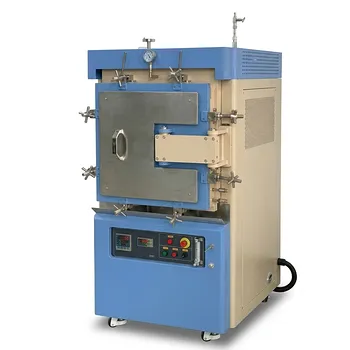
High Temperature Economic Hydrogen Gas Box Furnace 1600C Atmosphere Controlled Thermal Processing System 65L Capacity
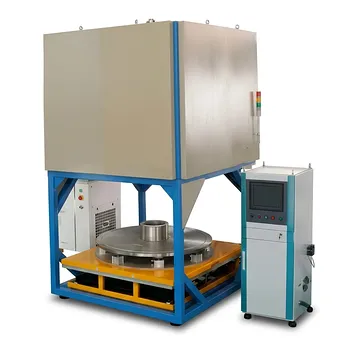
1400C Bottom Loaded Inert Gas Atmosphere Box Furnace with 125L Capacity and Precision Hydraulic Lift
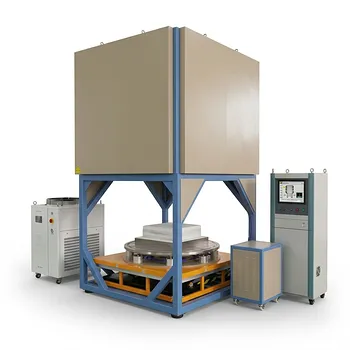
Bottom Loaded Inert Gas Atmosphere Box Furnace 1700C 1300C 216L Large Capacity Industrial Thermal Processing System
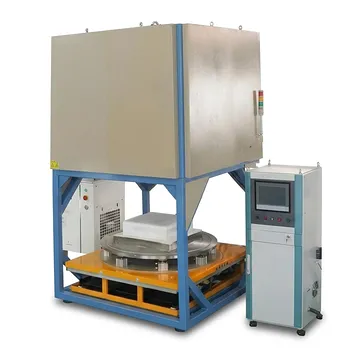
Bottom Loaded Inert Gas Atmosphere Box Furnace 1400C Maximum Temperature 125L High Capacity Laboratory Heat Treatment System
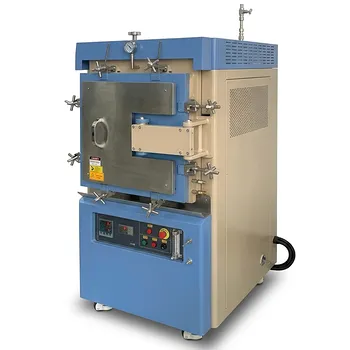
Atmosphere Controlled Muffle Furnace 1700C Maximum Temperature 80L High Capacity Vacuum Inert Gas Box Furnace
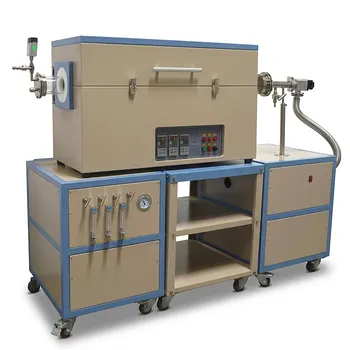
Three Zone Quartz Tube Furnace with 3 Channel Gas Mixer Vacuum Pump and Anti Corrosive Vacuum Gauge
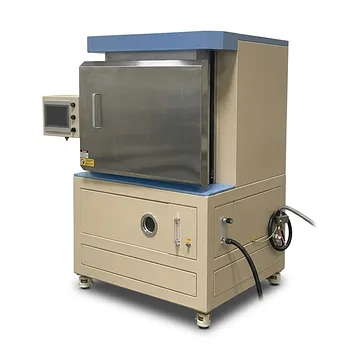
1650C High Temperature Atmosphere Controlled Box Furnace with 65L Chamber for Advanced Material Sintering and Industrial Heat Treatment
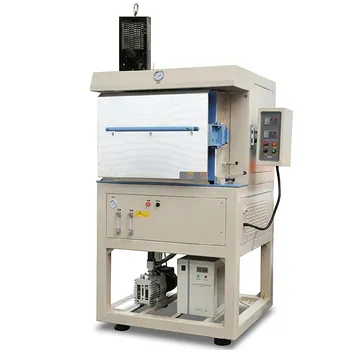
1200C Hydrogen Atmosphere Box Furnace with 5 Heated Sides and 64L Chamber
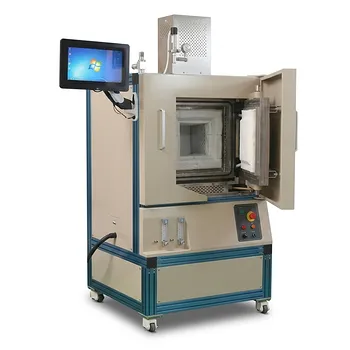
High Temperature Oxygen and Inert Atmosphere Controlled Furnace 8 Liter 1700C Sintering System for Advanced Materials RD
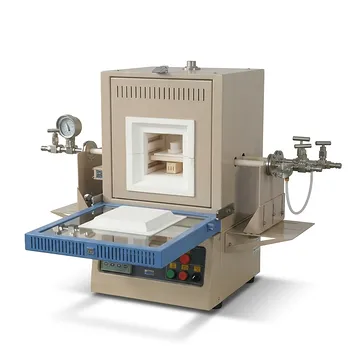
1700C Compact Hybrid Furnace with Dual Layer Box Sintering and Controlled Atmosphere Alumina Tubes

Compact Vertical Split Quartz Tube Furnace with Stainless Steel Vacuum Flanges for Rapid Thermal Quenching and Controlled Atmosphere Material Processing
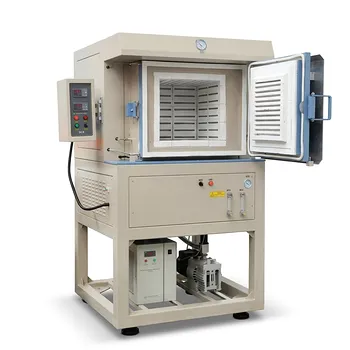
1200°C Five Side Heating Atmosphere Controlled Muffle Furnace 64 Liter High Uniformity Box Furnace for Material Synthesis
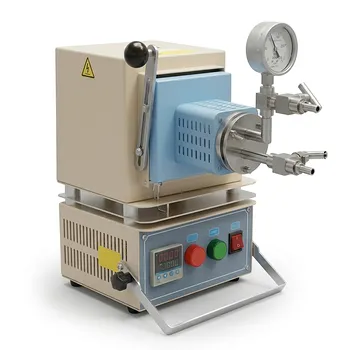
Compact Hybrid Muffle and Tube Furnace for 1000C Controlled Atmosphere Laboratory Material Sintering
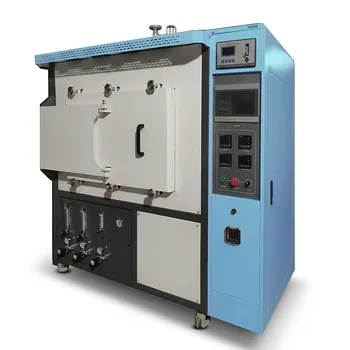
Roller Table Atmosphere Furnace 1500C High Temperature Battery Material Sintering System 112L Capacity
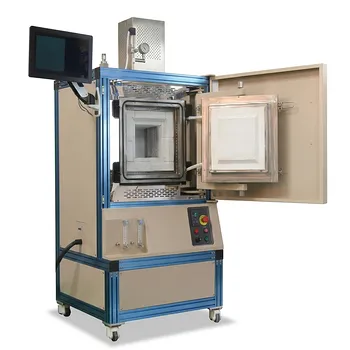
High Temperature Hydrogen Atmosphere Box Furnace 1650C Max Reducing Environment Material Synthesis System 8x8x8 Chamber
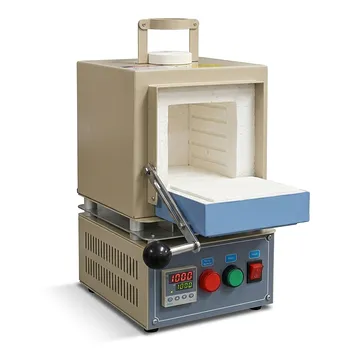
Compact 1000C Muffle Furnace with Programmable Controller and 2 Inch Top Port for Vacuum and Atmosphere Material Research
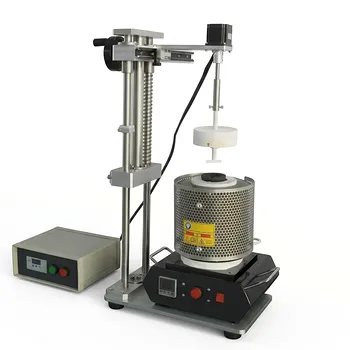
1100C Crucible Melting Furnace with Stirring Function for Glovebox and Air Sensitive Alloy Research
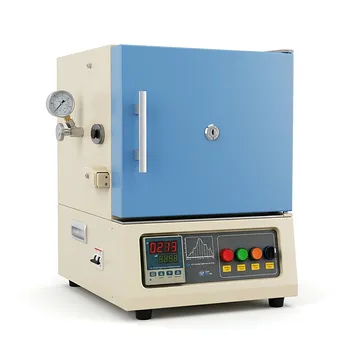
1200C Hybrid Muffle and Tube Furnace for Material Research with Dual Atmosphere Control Quartz Tubes

1700C Hydrogen Gas Tube Furnace with 60mm Alumina Process Tube and Integrated Hydrogen Safety Detector