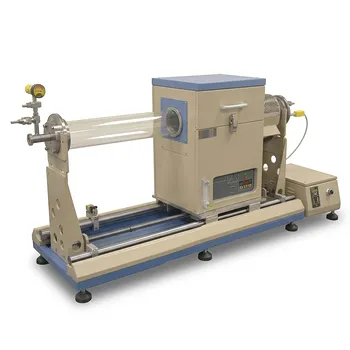
What role does a tube furnace play in the pyrolysis preparation of modified rapeseed straw biochar? Mastering Synthesis
Updated 3 months ago
The tube furnace is the fundamental reaction vessel that provides the controlled thermal and atmospheric conditions necessary to transform organic rapeseed straw into functional biochar. By maintaining a high-temperature environment (typically 800°C) under a nitrogen-protected atmosphere, the furnace prevents biomass combustion and instead facilitates oxygen-limited pyrolysis. This process ensures the complete carbonization of the straw while enabling deep chemical reactions between the biomass and modifiers like potassium bicarbonate and urea.
Core Takeaway: A tube furnace serves as a precision-controlled reactor that enables anaerobic thermal degradation and chemical activation. It is the essential tool for turning raw agricultural waste into a high-surface-area, 3D coral-like carbon skeleton with specific environmental-remediation properties.
Creating a Controlled Atmospheric Environment
Prevention of Direct Combustion
In the presence of oxygen, rapeseed straw would simply burn into ash at high temperatures. The tube furnace allows for the introduction of high-purity nitrogen (N2), which displaces oxygen and creates an anaerobic or oxygen-limited environment. This shift from combustion to pyrolysis is what allows the carbon elements to reorganize into a stable biochar framework rather than being lost as carbon dioxide.
Facilitating Volatile Removal
As the temperature rises within the furnace tube, moisture and volatile organic compounds are driven out of the biomass. The constant flow of inert gas ensures these byproducts are swept away, preventing unwanted secondary reactions. This "cleaning" of the material is critical for opening up the initial pore structure of the rapeseed straw.
Precision Thermal Regulation
Managing Heating Rates and Residence Time
The tube furnace allows researchers to set specific heating rates (e.g., 10°C/min) to ensure the biomass heats uniformly. Controlled heating prevents the outer layers of the straw from charring too quickly, which could trap gases inside and ruin the structural integrity of the biochar. By maintaining a constant residence time at the peak temperature, the furnace ensures the thermochemical degradation of hemicellulose, cellulose, and lignin is complete.
Achieving High-Temperature Carbonization
To reach the stage of "complete carbonization," temperatures often need to hit 800°C. The tube furnace provides the thermal stability required to sustain these extreme temperatures for hours. At these levels, the organic precursors are fully converted into stable graphitic or amorphous carbon frameworks.
Enabling Chemical Activation and Modification
Deep Reaction with Activators
Modified biochar requires the presence of activators like potassium bicarbonate (KHCO3). The tube furnace provides the high-energy environment necessary for these activators to chemically etch the carbon surface. This etching process is what creates the mesoporous structures and high specific surface area required for advanced filtration or adsorption tasks.
Nitrogen Doping and Structural Synthesis
When nitrogen sources like urea are added to the rapeseed straw, the furnace facilitates a complex reaction known as doping. The heat allows nitrogen atoms to integrate into the carbon skeleton. This results in the specialized three-dimensional coral-like carbon skeleton mentioned in primary research, which offers superior performance over standard biochar.
Understanding the Trade-offs
Heating Uniformity vs. Sample Size
In a horizontal tube furnace, temperature gradients can occur if the sample boat is too long or placed off-center. This can lead to inconsistent carbonization, where the biochar in the center of the boat has different properties than the biochar at the edges.
Energy Consumption and Throughput
Tube furnaces are precision laboratory instruments but are often limited in throughput. Achieving a high temperature like 800°C and maintaining it for several hours requires significant energy. For large-scale production, the batch-processing nature of a standard tube furnace may be less efficient than continuous-feed industrial kilns.
How to Apply This to Your Project
Recommendations Based on Your Research Goals
- If your primary focus is maximizing surface area: Use the furnace to precisely control the activation phase at 800°C with potassium bicarbonate to maximize pore development.
- If your primary focus is structural integrity: Prioritize a slower heating rate (e.g., 5°C/min) to allow for the gradual release of volatiles without fracturing the carbon skeleton.
- If your primary focus is nutrient or chemical doping: Ensure the nitrogen atmosphere is strictly maintained throughout the entire cooling phase to prevent the oxidation of newly formed functional groups.
The tube furnace is the decisive factor in biochar quality, turning raw straw into a sophisticated technical material through the mastery of heat and atmosphere.
Summary Table:
| Feature | Function in Pyrolysis | Research Benefit |
|---|---|---|
| Atmosphere Control | Provides nitrogen-protected environment | Prevents combustion; enables anaerobic carbonization |
| Thermal Precision | Uniform heating (e.g., 800°C) | Ensures structural integrity and complete carbonization |
| Chemical Activation | Facilitates reactions with KHCO3/Urea | Creates 3D coral-like skeletons and high surface area |
| Volatile Management | Constant inert gas flow | Opens initial pore structures by sweeping away byproducts |
Elevate Your Material Research with THERMUNITS
As a leading manufacturer of high-temperature laboratory equipment, THERMUNITS provides the precision thermal environments essential for advanced material science and industrial R&D. Our expert-engineered Tube Furnaces are the industry standard for biochar synthesis, offering the atmospheric control and thermal stability required for complex pyrolysis and nitrogen doping.
Beyond biochar, we offer a comprehensive range of thermal processing solutions tailored for your lab's needs:
- Furnaces: Muffle, Vacuum, Atmosphere, Tube, Rotary, and Hot Press models.
- Advanced Systems: CVD/PECVD systems, Dental Furnaces, and Vacuum Induction Melting (VIM) furnaces.
- Industrial Scale: Electric rotary kilns and high-quality Thermal Elements.
Ready to optimize your heat treatment results? Contact THERMUNITS today to find the perfect solution for your research!
References
- Zhipeng Zhang, Yiyang Chen. Synthesis and Characterization of Potassium Bicarbonate and Urea-Modified Biochar from Rape Straw: Application in the Removal of Tetracycline from Aqueous Solution. DOI: 10.3390/w16172522
Mentioned Products
- High Temperature 1700C Vertical Tube Furnace for Powder Spherification and Material Sintering
- High Temperature Tube Furnace 1500C with Sliding Flanges and 50mm OD for Rapid Thermal Processing Fast Heating and Cooling
- 1200C Sliding Tube Furnace for Rapid Thermal Processing and CVD Graphene Growth with 100mm OD Capacity
- Electric Rotary Kiln Small Rotary Furnace Biomass Pyrolysis Plant
- Compact Hybrid Muffle and Tube Furnace for 1000C Controlled Atmosphere Laboratory Material Sintering
People Also Ask
- What role does a high-temperature vertical tube furnace play in simulating high-carbon ferromanganese slag formation?
- What functions does a vertical high-temperature tube furnace perform? Master Industrial Sintering & R&D Simulation
- What is the primary function of a high-temperature tube furnace in Cu1-N-C synthesis? Precision Thermal Control.
- High-Temp Tube Furnace Role in Converting Microbial Proteins to Iron Single-Atom Sites: Expert Synthesis Guide
- What impact does the heating rate of a tube furnace have on biochar microstructure? Optimize Your Material R&D.

Tech Team · ThermUnits
Last updated on Jun 03, 2026
Related Products

High Temperature 1700C Vertical Tube Furnace for Powder Spherification and Material Sintering

High Temperature Tube Furnace 1500C with Sliding Flanges and 50mm OD for Rapid Thermal Processing Fast Heating and Cooling
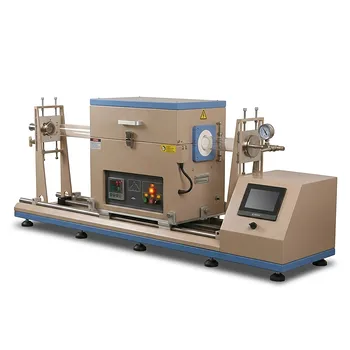
1200C Sliding Tube Furnace for Rapid Thermal Processing and CVD Graphene Growth with 100mm OD Capacity
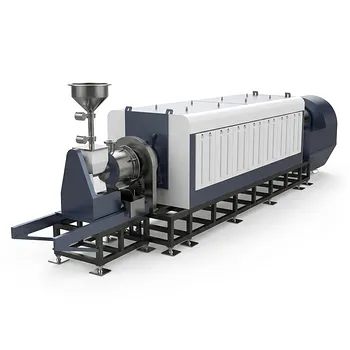
Electric Rotary Kiln Small Rotary Furnace Biomass Pyrolysis Plant
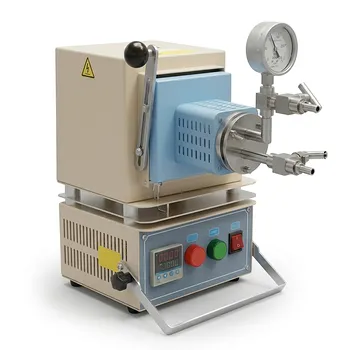
Compact Hybrid Muffle and Tube Furnace for 1000C Controlled Atmosphere Laboratory Material Sintering
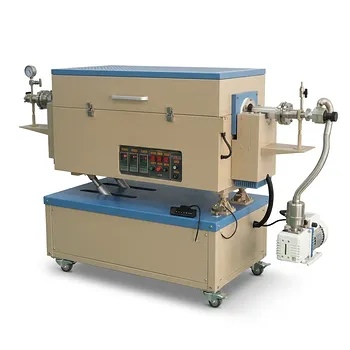
Three Zone Rotary Tube Furnace for High Temperature Powder Processing and Material Research

Compact High Temperature 1600C Tube Furnace with 50mm Alumina Tube and Vacuum Flanges for Material Sintering
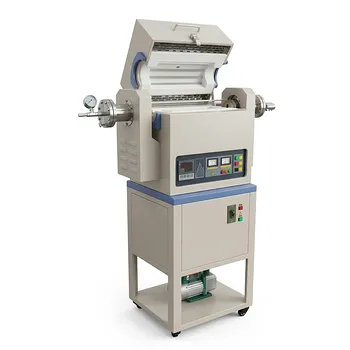
High Temperature Rotary Tilt Tubular Furnaces for Advanced Powder Sintering and Material Processing
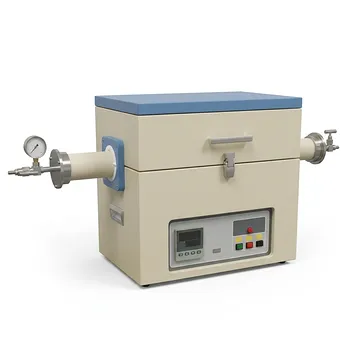
1250C Split Tube Furnace with 3 Inch Mullite Tube and Vacuum Sealing Flanges for Precision Thermal Processing
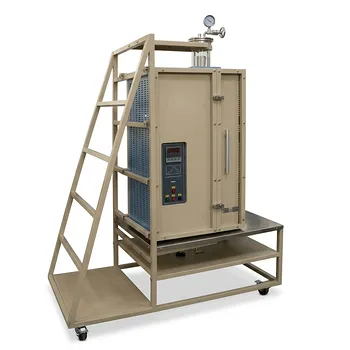
Split Vertical Tube Furnace with 1200C Quartz Tube and Stainless Steel Vacuum Flanges for Rapid Thermal Processing
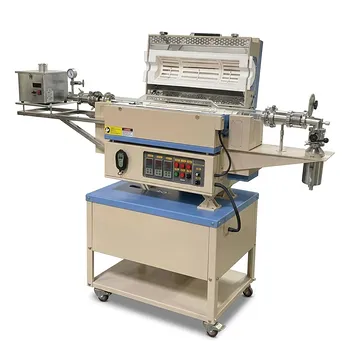
5 Inch Rotary Tube Furnace with Automatic Feeding and Receiving System 1200C Three Zone CVD Powder Processing
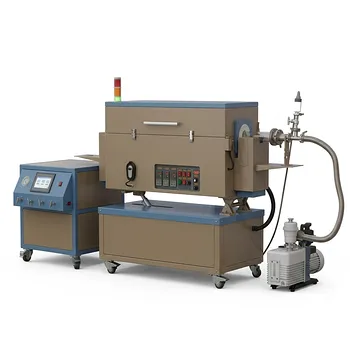
5 Inch Three Zone Rotary Tube Furnace with Integrated Gas Delivery System and 1200C Capability for Advanced Material CVD Processing
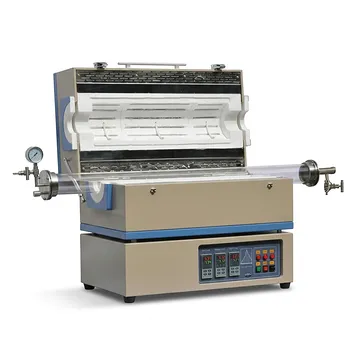
24 Inch Three Zone Split Tube Furnace with Optional Quartz Tube and Vacuum Flange System for High Temperature Material Synthesis

Vertical 1700C Vacuum and Atmosphere Tube Furnace with 80mm Alumina Tube
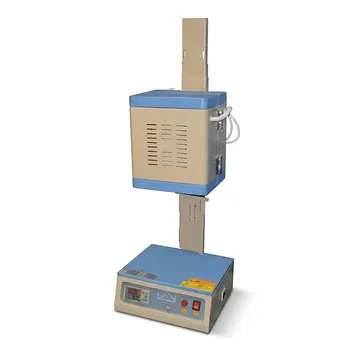
High Temperature Vertical Split Tube Furnace with PID Temperature Controller for 1 and 2 Inch Processing Tubes

Compact Vertical Split Quartz Tube Furnace with Stainless Steel Vacuum Flanges for Rapid Thermal Quenching and Controlled Atmosphere Material Processing
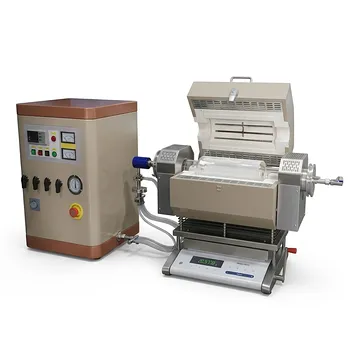
Mini Rotary Tubular Furnaces for Precision Powder Heat Treatment and Thermogravimetric Analysis
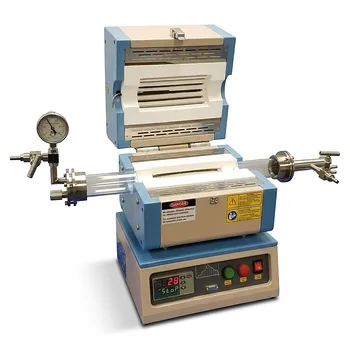
Compact Split Tube Furnace with Integrated Vacuum System and Precision Temperature Calibrator
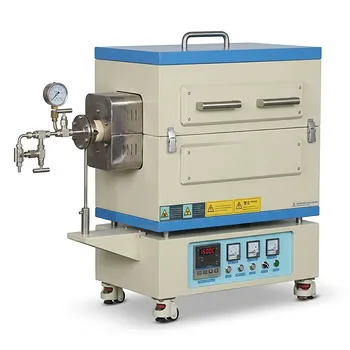
High Temperature Split Tube Furnace 1500C for Material Research Vacuum and Atmosphere Thermal Processing