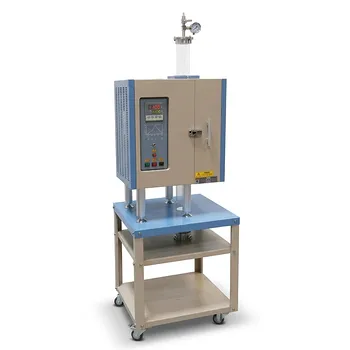
What role does a high-temperature vertical tube furnace play in simulating high-carbon ferromanganese slag formation?
Updated 3 months ago
A high-temperature vertical tube furnace acts as a controlled micro-reactor that replicates the extreme thermal and chemical conditions of an industrial smelting environment. By providing a stable thermal field between 1200°C and 1250°C and a strictly regulated atmosphere of argon and carbon monoxide, it allows researchers to isolate and study the reduction of ore and the resulting evolution of the slag phase.
Core Takeaway: The vertical tube furnace is essential for simulating high-carbon ferromanganese slag formation because it enables the precise control of the reducing atmosphere and the "freezing" of high-temperature chemical states through rapid quenching for detailed analysis.
Precise Atmospheric Control for Ore Reduction
Simulating the Reducing Environment
To accurately simulate high-carbon ferromanganese production, the furnace must replicate the gas-solid and gas-liquid reactions found in industrial furnaces. The equipment allows for the introduction of carbon monoxide (CO) and argon (Ar), creating the specific reducing conditions required to transform ore into slag and metal.
Managing Phase Evolution
As the temperature rises, the mineralogical structure of the manganese ore changes. The furnace provides the necessary isothermal environment to observe how different gas ratios and temperatures impact the slag phase evolution, ensuring the laboratory results mirror industrial thermodynamic realities.
The Strategic Advantage of Vertical Configuration
Facilitating Drop Quenching Techniques
The primary benefit of a vertical orientation is the ability to perform drop quenching. Samples can be suspended in the hot zone and then released instantly into a cooling medium at the bottom of the tube.
Freezing High-Temperature Equilibrium
Quenching is critical because it "freezes" the phase equilibrium state that exists at 1250°C or higher. This prevents the sample from undergoing further chemical changes during a slow cooling process, allowing for an accurate microstructural analysis of the slag as it existed in its molten or semi-molten state.
Stable Sample Positioning
The vertical design allows for the stable placement of high-purity alumina crucibles or the hanging of samples directly in the center of the thermal field. This ensures uniform heating and prevents contact with the furnace walls, which could contaminate the high-carbon ferromanganese chemistry.
Understanding the Trade-offs and Limitations
Material Temperature Constraints
While alumina tubes are highly resistant to chemical attack, they have specific thermal shock limits. Heating or cooling the furnace too rapidly can lead to tube failure, which necessitates slow ramp-up times that may not perfectly mimic the rapid heating some ores experience in industrial flash smelting.
Atmosphere Integrity Risks
Maintaining a strict Ar-CO atmosphere requires perfect seals at both ends of the vertical tube. Any oxygen ingress can lead to the re-oxidation of the manganese, skewing the data and failing to simulate the "high-carbon" (highly reducing) environment accurately.
Scale and Kinetic Discrepancies
Laboratory furnaces operate on a small scale, which optimizes for thermodynamic equilibrium rather than industrial kinetics. The high surface-area-to-volume ratio in a tube furnace may result in faster reaction rates than those seen in a massive industrial submerged arc furnace.
How to Apply This to Your Research Goal
Making the Right Choice for Your Project
The utility of a vertical tube furnace depends on the specific parameters of your ferromanganese study.
- If your primary focus is phase equilibrium studies: Prioritize a furnace with a high-precision movable base and quenching attachment to ensure you capture the exact state of the slag at peak temperature.
- If your primary focus is gas-solid reduction kinetics: Focus on the furnace’s gas mixing capabilities, ensuring you can precisely meter the ratio of CO to Ar to simulate different zones of the industrial furnace.
- If your primary focus is slag-refractory interaction: Use a vertical setup to ensure the slag remains centered in the crucible, minimizing "wall effects" that can interfere with your observations of how the slag attacks the lining.
By utilizing the vertical tube furnace's unique ability to control both the chemical atmosphere and the cooling rate, you can gain a definitive understanding of the complex transition from manganese ore to high-carbon slag.
Summary Table:
| Feature | Role in Slag Simulation | Research Benefit |
|---|---|---|
| Ar-CO Atmosphere | Replicates industrial reducing conditions | Accurate ore-to-metal transformation studies |
| Vertical Config | Enables rapid drop quenching | 'Freezes' high-temp phases for microstructural analysis |
| Isothermal Zone | Provides stable heating (1200°C-1250°C) | Ensures uniform slag phase evolution |
| Sample Isolation | Uses high-purity alumina crucibles | Prevents contamination and ensures chemical integrity |
Optimize Your Metallurgical Research with THERMUNITS
Achieving precise industrial simulation requires high-performance thermal equipment. THERMUNITS is a leading manufacturer of high-temperature laboratory solutions for material science and industrial R&D. Our specialized Vertical Tube Furnaces are engineered for superior atmospheric integrity and rapid quenching, making them ideal for studying ferromanganese reduction and slag phase evolution.
From Muffle, Vacuum, and Atmosphere furnaces to Rotary Kilns, CVD/PECVD systems, and Vacuum Induction Melting (VIM) furnaces, we offer a comprehensive range of heat treatment equipment tailored to your specific research goals.
Ready to enhance your lab's thermal processing capabilities?
Contact THERMUNITS Today to discuss your project requirements with our technical experts and discover how our advanced solutions can drive your R&D success.
References
- Slag System with Alumina Addition Between 1200o c And 1250o c During High Carbon Ferromanganese Production. DOI: 10.17758/iicbe6.c1124183
Mentioned Products
- High Temperature 1700C Vertical Tube Furnace for Powder Spherification and Material Sintering
- High Temperature 1700C Vertical Split Tube Furnace for Material Quenching and Single Crystal Growth
- High Temperature 1100C Compact Top Loading Vertical Vacuum Tube Furnace for High Vacuum Noble Metal Melting and Material Research
- Vertical Openable Tube Furnace 0-1700c High Temperature Laboratory System for CVD and Vacuum Heat Treatment
- High Temperature Vertical Split Tube Furnace with PID Temperature Controller for 1 and 2 Inch Processing Tubes
People Also Ask
- What functions does a vertical high-temperature tube furnace perform? Master Industrial Sintering & R&D Simulation
- What is the primary function of a high-temperature tube furnace in Cu1-N-C synthesis? Precision Thermal Control.
- High-Temp Tube Furnace Role in Converting Microbial Proteins to Iron Single-Atom Sites: Expert Synthesis Guide
- What impact does the heating rate of a tube furnace have on biochar microstructure? Optimize Your Material R&D.
- What is the function of a high-temperature tube furnace in the synthesis of graphene oxide? Mastering LPCVD Processes

Tech Team · ThermUnits
Last updated on Jun 02, 2026
Related Products

High Temperature 1700C Vertical Tube Furnace for Powder Spherification and Material Sintering
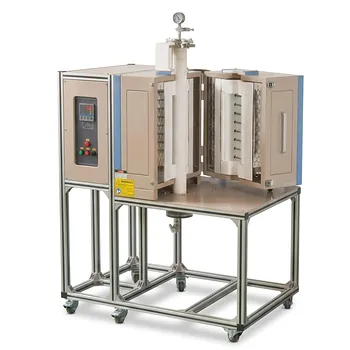
High Temperature 1700C Vertical Split Tube Furnace for Material Quenching and Single Crystal Growth
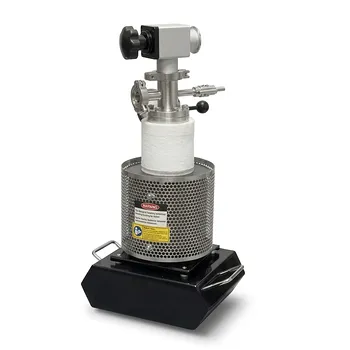
High Temperature 1100C Compact Top Loading Vertical Vacuum Tube Furnace for High Vacuum Noble Metal Melting and Material Research
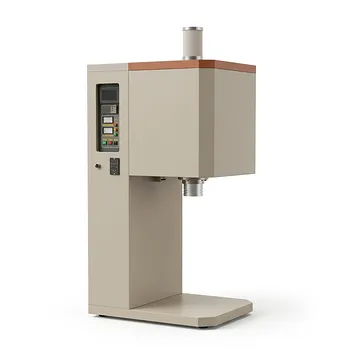
Vertical Openable Tube Furnace 0-1700c High Temperature Laboratory System for CVD and Vacuum Heat Treatment
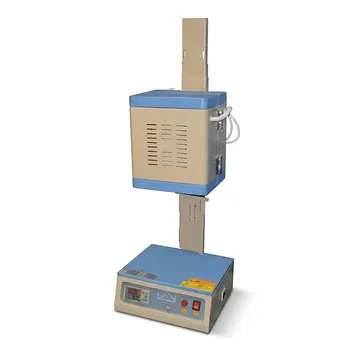
High Temperature Vertical Split Tube Furnace with PID Temperature Controller for 1 and 2 Inch Processing Tubes
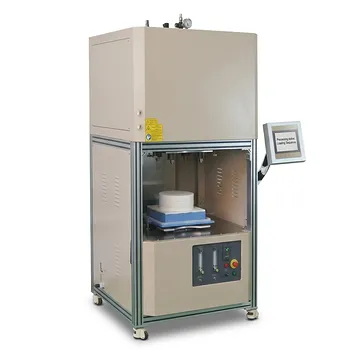
High Temperature Vertical Atmosphere Controlled Furnace with Automatic Bottom Loading and 1700°C Capacity for Advanced Material Research
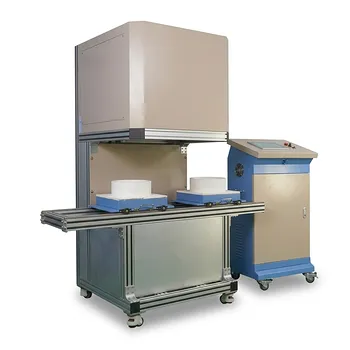
High Temperature Bottom Loading Vertical Furnace 1700C Dual Stage Sample Processing System 18L Large Capacity Thermal Treatment Equipment
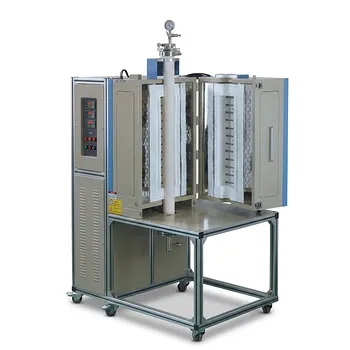
Three Zone Heating Split Vertical Tube Furnace 1700 High Temperature Vacuum Atmosphere Thermal Process System

Vertical 1700C Vacuum and Atmosphere Tube Furnace with 80mm Alumina Tube
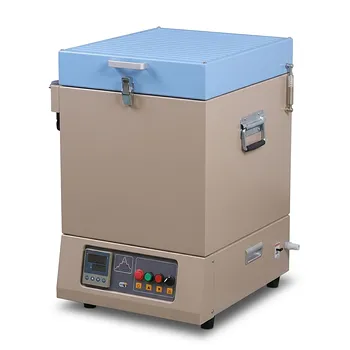
High Temperature Vertical Crucible Furnace with 22L Heating Chamber and 1200C Maximum Temperature
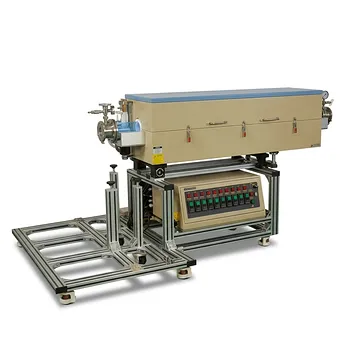
Ten Zone Multi Orientation Laboratory Tube Furnace for 1200C High Temperature Gradient Thermal Processing
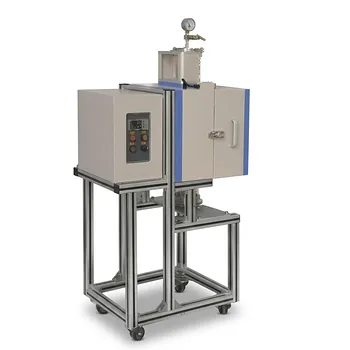
1200°C 5 Inch Vertical Quartz Tube Furnace with Stainless Steel Vacuum Flanges
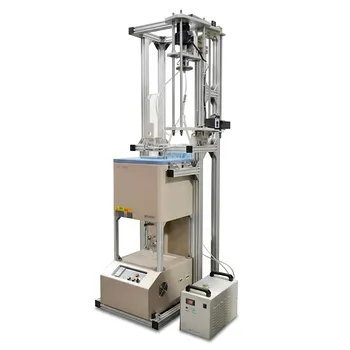
500C Vacuum Vertical Tube Furnace 84mm OD Sample Rotation Lifting System

High Temperature 1700C Tube Furnace with High Vacuum Turbomolecular Pump System and Multi Channel Mass Flow Controller Gas Mixer

High Temperature Tube Furnace 1500C with Sliding Flanges and 50mm OD for Rapid Thermal Processing Fast Heating and Cooling
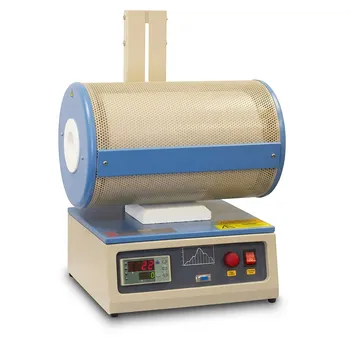
Multi Position Tube Furnace 1100C for Laboratory Material Research and Advanced Industrial Thermal Processing

High Temperature 1700C Benchtop Tube Furnace with 5 Inch Heating Zone High Purity Alumina Tube and Vacuum Sealing Flanges
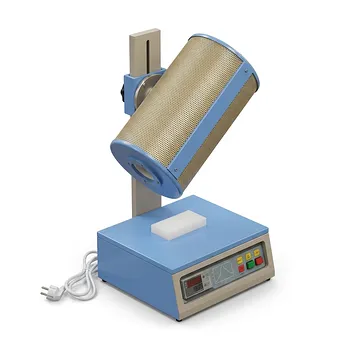
1100°C Vertical Laboratory Furnace for DIY Tubular Reactors with PID Temperature Controller

High Temperature 1700C Six Zone Split Tube Furnace with Alumina Tube and Water Cooled Flanges