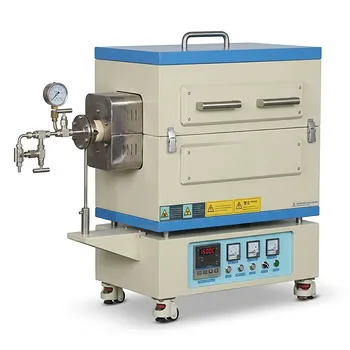
What functions does a vertical high-temperature tube furnace perform? Master Industrial Sintering & R&D Simulation
Updated 3 months ago
Vertical high-temperature tube furnaces serve as the primary reactor for replicating the complex thermodynamic and chemical conditions of industrial sintering within a laboratory setting. These furnaces enable researchers to precisely control heating rates, reach target sintering temperatures (typically up to 1350°C for iron ore and higher for specialized ceramics), and introduce specific gas mixtures like Ar-CO2-CO to simulate industrial reducing atmospheres.
A vertical high-temperature tube furnace acts as a controlled micro-environment that bridges the gap between lab-scale material science and industrial-scale production. By providing a stable thermal field and a sealed gas path, it allows for the accurate simulation of the physical and chemical transformations that occur within industrial sinter machines or steelmaking converters.
Precision Thermal Management
A vertical tube furnace is more than a simple heater; it is a sophisticated thermal controller used to recreate industrial heating profiles.
Precise Control of Heating Curves
The furnace allows for the programming of specific heating rates (e.g., 5 K/min) and residence times. This precision ensures that raw materials complete the necessary solid-phase reactions and melt consolidation required for industrial-grade sinter.
Stable High-Temperature Soaking
To simulate industrial conditions, the furnace maintains a stable thermal field for extended soaking times, sometimes ranging from 2 to 24 hours. This stability is critical for promoting grain growth, densification, and the elimination of internal stresses in materials like ceramic targets or slag.
Uniform Radial Heating
The cylindrical geometry of the tube furnace provides highly uniform radial heating. This ensures that the sample is heated evenly from all sides, isolating it from external contaminants and preventing non-uniform reactions that could skew research data.
Advanced Atmospheric Simulation
The ability to manipulate the environment surrounding the sample is what makes the tube furnace indispensable for sintering research.
Introduction of Mixed Reducing Gases
Researchers utilize the furnace to introduce complex gas combinations, such as Ar-CO2-CO, to replicate the reducing atmospheres found inside an industrial sinter machine. This is essential for evaluating how low-carbon processes affect the final microstructure and reduction performance of the sinter.
Controlled Airflow and Velocity
The equipment provides a controlled airflow field with constant air velocity. This replicates the physical movement of gases through a sinter bed, allowing for the study of physical and chemical reactions as they would occur in a real-world production environment.
Flue Gas Transport and Analysis
The sealed design of the furnace allows it to act as a gas path hub. Sintering flue gases can be captured and transported to downstream detection systems to accurately analyze emissions and combustion components generated during the reaction.
Material Transformation and Reaction Mechanics
The furnace provides the energy and environment necessary to drive fundamental changes in the material's physical state.
Melt Consolidation and Densification
High-temperature environments (often ranging from 1100°C to 1650°C) drive the formation of the liquid phase to assist in material densification. This process is vital for creating high-density, high-purity materials like ZMA composites or ceramic targets.
Phase Stabilization and Chemical Synthesis
The furnace environment facilitates internal chemical reactions, such as the stabilization of the zirconia phase or the formation of mullite. By replicating the extreme thermal fields of industrial converters, researchers can investigate the dissolution kinetics of pellets and optimize metallurgical processes.
Understanding the Trade-offs
While highly effective, using a tube furnace for industrial simulation involves specific challenges that researchers must manage.
Scaling and Gradient Limitations
Laboratory-scale tube furnaces may struggle to replicate the exact vertical pressure gradients found in a multi-meter deep industrial sinter bed. While the temperature and gas composition are accurate, the physical load on the material is often lower than in a full-scale plant.
Gas Flow and Reaction Uniformity
Maintaining constant air velocity across a sample can be difficult if the sample geometry significantly disrupts the tube's internal cross-section. Poor gas distribution can lead to localized "cold spots" or uneven reduction, potentially yielding inconsistent data.
How to Apply This to Your Project
To maximize the value of a vertical high-temperature tube furnace, align your furnace parameters with your specific research objective.
- If your primary focus is Low-Carbon Sintering: Prioritize a furnace with an integrated gas mixing station capable of precise Ar-CO2-CO ratios to accurately model the reducing atmosphere.
- If your primary focus is Material Densification: Focus on a furnace capable of high-duration soaking (18+ hours) and precision programmed cooling rates to manage internal stresses and promote grain growth.
- If your primary focus is Emission Analysis: Ensure the furnace has a fully sealed reaction space and a direct gas outlet to downstream mass spectrometers or gas analyzers to prevent flue gas dilution.
By carefully controlling the intersection of temperature, atmosphere, and time, the vertical tube furnace provides the definitive data required to optimize industrial metallurgical and material processes.
Summary Table:
| Function Category | Key Capabilities | Research Benefits |
|---|---|---|
| Thermal Management | Programmable heating curves & stable soaking | Accurate grain growth, densification, and stress elimination |
| Atmospheric Control | Ar-CO2-CO gas mixing & airflow velocity | Replicates industrial reducing environments and sinter bed physics |
| Material Synthesis | 1100°C–1650°C heating & melt consolidation | High-purity material development and zirconia phase stabilization |
| Reaction Analysis | Sealed gas paths & flue gas transport | Precise analysis of emissions and combustion components |
Elevate Your R&D Precision with THERMUNITS
As a leading manufacturer of high-temperature laboratory equipment, THERMUNITS provides the critical tools needed for advanced material science and industrial R&D. Our expert-engineered solutions—including Tube, Muffle, Vacuum, Atmosphere, Rotary, and Hot Press furnaces, CVD/PECVD systems, Dental Furnaces, VIM furnaces, and high-quality Thermal Elements—are designed to bridge the gap between laboratory research and industrial-scale production.
Don't compromise on your data. Contact us today to discuss how our customizable thermal processing solutions can optimize your sintering processes and material development projects.
References
- Leonardo Tomas da Rocha, Sung‐Mo Jung. Development of a Low-carbon Sintering Process Technology and Its Application to a Pilot-scale Sintering Testing. DOI: 10.2355/isijinternational.isijint-2024-239
Mentioned Products
- High Temperature 1700C Vertical Tube Furnace for Powder Spherification and Material Sintering
- High Temperature 1700C Vertical Split Tube Furnace for Material Quenching and Single Crystal Growth
- High Temperature 1100C Compact Top Loading Vertical Vacuum Tube Furnace for High Vacuum Noble Metal Melting and Material Research
- Vertical Openable Tube Furnace 0-1700c High Temperature Laboratory System for CVD and Vacuum Heat Treatment
- High Temperature Vertical Split Tube Furnace with PID Temperature Controller for 1 and 2 Inch Processing Tubes
People Also Ask
- What role does a high-temperature vertical tube furnace play in simulating high-carbon ferromanganese slag formation?
- What is the primary function of a high-temperature tube furnace in Cu1-N-C synthesis? Precision Thermal Control.
- High-Temp Tube Furnace Role in Converting Microbial Proteins to Iron Single-Atom Sites: Expert Synthesis Guide
- What impact does the heating rate of a tube furnace have on biochar microstructure? Optimize Your Material R&D.
- What is the function of a high-temperature tube furnace in the synthesis of graphene oxide? Mastering LPCVD Processes

Tech Team · ThermUnits
Last updated on Jun 02, 2026
Related Products

High Temperature 1700C Vertical Tube Furnace for Powder Spherification and Material Sintering
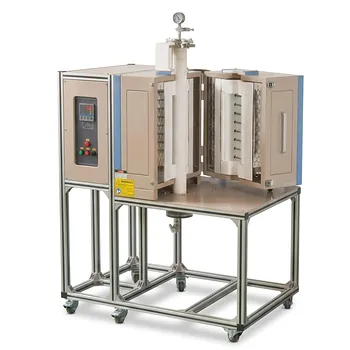
High Temperature 1700C Vertical Split Tube Furnace for Material Quenching and Single Crystal Growth
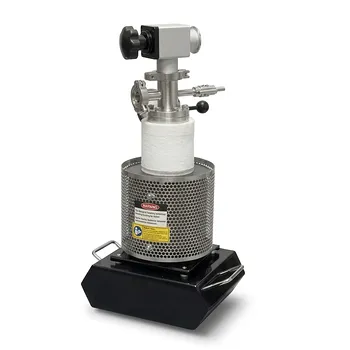
High Temperature 1100C Compact Top Loading Vertical Vacuum Tube Furnace for High Vacuum Noble Metal Melting and Material Research
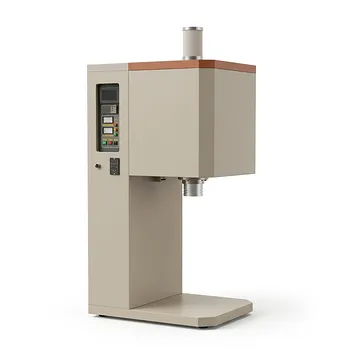
Vertical Openable Tube Furnace 0-1700c High Temperature Laboratory System for CVD and Vacuum Heat Treatment
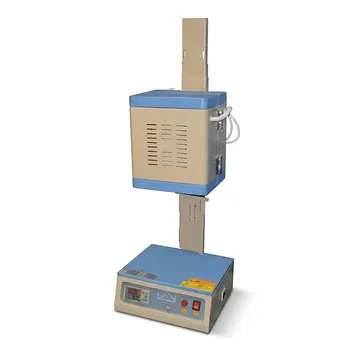
High Temperature Vertical Split Tube Furnace with PID Temperature Controller for 1 and 2 Inch Processing Tubes
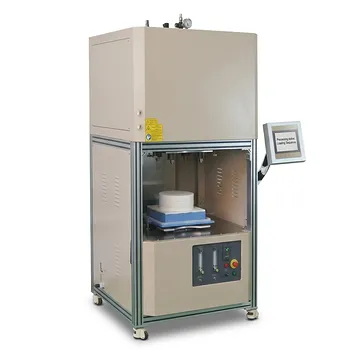
High Temperature Vertical Atmosphere Controlled Furnace with Automatic Bottom Loading and 1700°C Capacity for Advanced Material Research
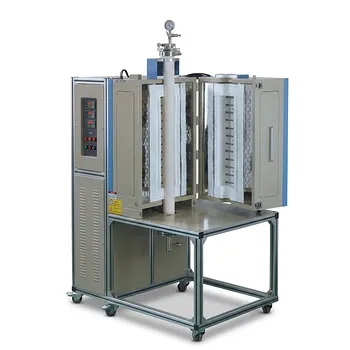
Three Zone Heating Split Vertical Tube Furnace 1700 High Temperature Vacuum Atmosphere Thermal Process System
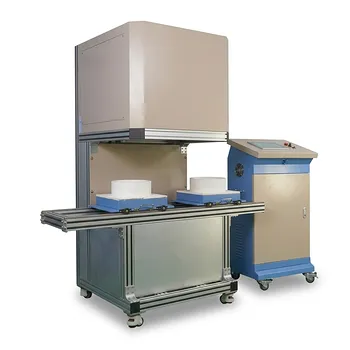
High Temperature Bottom Loading Vertical Furnace 1700C Dual Stage Sample Processing System 18L Large Capacity Thermal Treatment Equipment

Vertical 1700C Vacuum and Atmosphere Tube Furnace with 80mm Alumina Tube
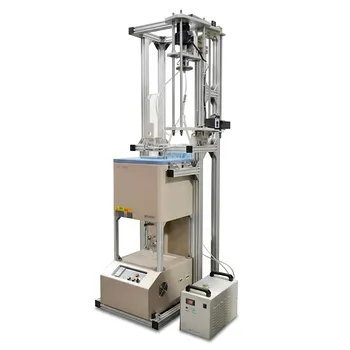
500C Vacuum Vertical Tube Furnace 84mm OD Sample Rotation Lifting System
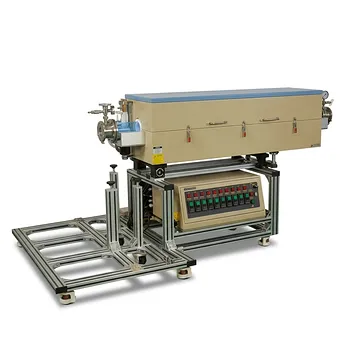
Ten Zone Multi Orientation Laboratory Tube Furnace for 1200C High Temperature Gradient Thermal Processing
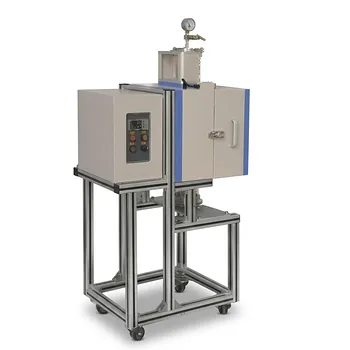
1200°C 5 Inch Vertical Quartz Tube Furnace with Stainless Steel Vacuum Flanges
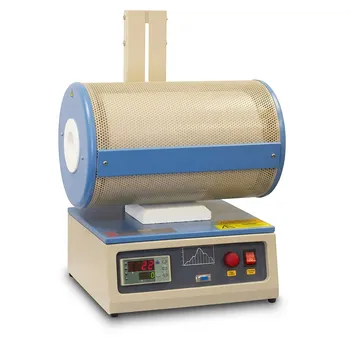
Multi Position Tube Furnace 1100C for Laboratory Material Research and Advanced Industrial Thermal Processing
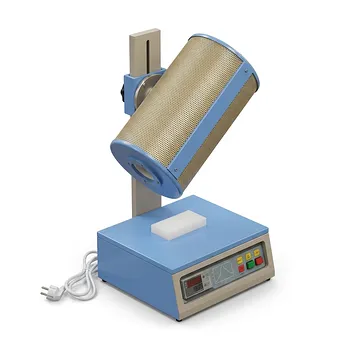
1100°C Vertical Laboratory Furnace for DIY Tubular Reactors with PID Temperature Controller
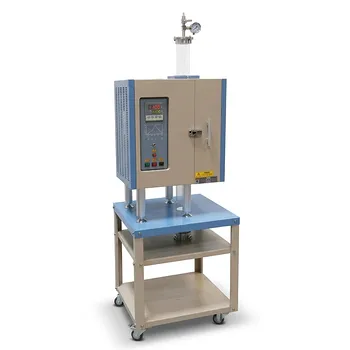
1100°C Split Vertical Tube Furnace with 80mm Quartz Tube and Stainless Steel Vacuum Flanges
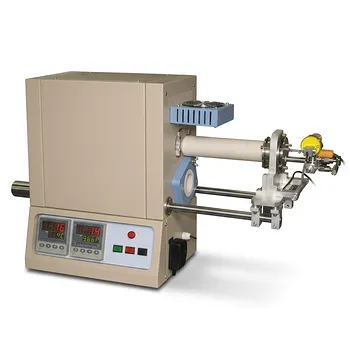
High Temperature Tube Furnace 1500C with Sliding Flanges and 50mm OD for Rapid Thermal Processing Fast Heating and Cooling

High Temperature 1700C Tube Furnace with High Vacuum Turbomolecular Pump System and Multi Channel Mass Flow Controller Gas Mixer
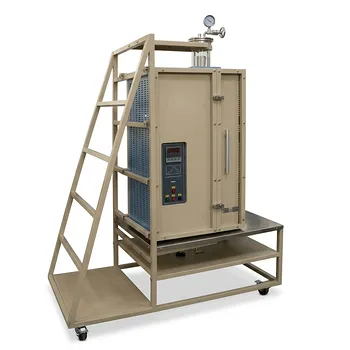
Split Vertical Tube Furnace with 1200C Quartz Tube and Stainless Steel Vacuum Flanges for Rapid Thermal Processing

High Temperature 1700C Benchtop Tube Furnace with 5 Inch Heating Zone High Purity Alumina Tube and Vacuum Sealing Flanges