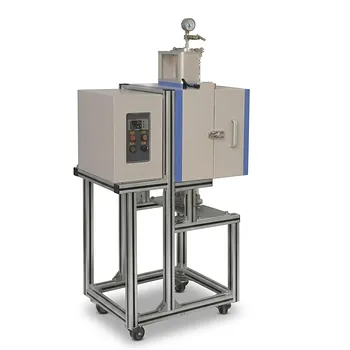
What role does a tube furnace play in magnesium-biochar synthesis? Master Precision Carbonization & Catalytic Activation
Updated 6 months ago
The tube furnace with an inert gas supply serves as a high-precision thermal reactor that facilitates the transformation of biomass into a functional catalytic support. It provides the oxygen-free environment required to pyrolyze magnesium-loaded biomass into biochar without burning it, while simultaneously converting magnesium precursors into active magnesium oxide (MgO) crystals.
This controlled thermal treatment is the bridge between raw materials and a high-performance catalyst, ensuring the carbon skeleton remains intact while engineering the specific chemical bonds and alkalinity necessary for catalytic activity.
Preventing Material Loss Through Atmosphere Control
Eliminating Oxygen to Protect the Carbon Skeleton
At temperatures such as 650°C, biomass will spontaneously combust if oxygen is present. The primary role of the inert gas supply (typically high-purity nitrogen or argon) is to displace oxygen, allowing the material to undergo pyrolysis rather than combustion.
This ensures that the biomass is converted into a stable carbon skeleton instead of being lost as ash. This preservation is critical for maintaining the structural integrity and mass of the biochar support.
Creating High Porosity and Surface Area
The tube furnace environment facilitates the removal of volatile organic compounds through dehydration and decarboxylation. As these gases are released and swept away by the inert gas flow, a highly developed pore structure is left behind.
This porosity is essential for the final catalyst, as it provides a high surface area for the loading and dispersion of magnesium species, which are the primary active sites for chemical reactions.
Catalytic Activation and Chemical Bonding
Thermal Conversion of Magnesium Precursors
The synthesis of these catalysts often begins by loading biomass with a precursor like magnesium chloride. The tube furnace provides the precise thermal energy required to calcine these precursors into active MgO crystals.
Without this high-temperature stage, the magnesium would remain in a salt or ionic form that lacks the necessary alkalinity and catalytic properties required for applications like phosphate adsorption or chemical synthesis.
Establishing Mg-O-C Chemical Bonds
The regulated environment of the tube furnace is critical for forming stable Mg-O-C chemical bonds. These bonds link the magnesium active sites directly to the carbon framework, preventing the active components from leaching out during use.
Precise temperature control allows researchers to tune the alkalinity of these sites. By adjusting the heat within the furnace, the strength and distribution of the basic sites on the catalyst surface can be optimized for specific chemical goals.
Understanding the Trade-offs and Constraints
The Risk of Over-Heating and Sintering
While high temperatures are necessary for activation, excessive heat can lead to sintering, where the magnesium particles clump together and reduce the effective surface area. Additionally, extreme temperatures can cause the carbon framework to collapse, shrinking the pores and reducing the catalyst's efficiency.
Gas Purity and Flow Rate Sensitivity
The effectiveness of the inert atmosphere depends heavily on gas purity. Even trace amounts of oxygen can cause partial oxidation of the biochar, thinning the carbon walls and weakening the catalyst. Furthermore, the flow rate must be sufficient to remove byproduct gases but not so high that it creates thermal gradients within the furnace tube.
Optimizing the Synthesis for Your Objectives
How to Apply This to Your Project
To achieve the best results in synthesizing magnesium-biochar catalysts, the furnace parameters must be aligned with your specific performance targets.
- If your primary focus is maximizing catalytic activity: Use a precise temperature (typically around 650°C) to ensure the complete conversion of precursors into MgO and the formation of strong Mg-O-C bonds.
- If your primary focus is structural stability: Ensure a high-purity inert gas flow and a constant heating rate to prevent the oxidation of the carbon framework and maintain a stable biochar skeleton.
- If your primary focus is high adsorption capacity: Optimize the holding time and gas flow to facilitate the maximum removal of volatiles, thereby creating a highly porous structure with a high density of surface functional groups.
By precisely balancing thermal energy and atmosphere regulation, the tube furnace transforms simple biomass into a sophisticated, chemically active platform for industrial and environmental applications.
Summary Table:
| Process Component | Role in Synthesis | Outcome for Catalyst |
|---|---|---|
| Inert Gas Flow | Displaces oxygen to enable pyrolysis | Prevents combustion; preserves the carbon skeleton |
| Thermal Reactor | Provides precise calcination energy | Converts magnesium precursors into active MgO crystals |
| Volatile Removal | Sweeps away dehydration/decarboxylation byproducts | Develops high porosity and large surface area |
| Atmosphere Control | Facilitates stable chemical bonding | Establishes Mg-O-C bonds and tunes alkalinity |
Transform Your Material Research with THERMUNITS Precision
Are you looking to optimize the synthesis of advanced catalysts or biochar materials? THERMUNITS is a leading manufacturer of high-temperature laboratory equipment, providing the precision and reliability required for complex material science and industrial R&D. Our high-performance Tube Furnaces, Atmosphere Furnaces, and Vacuum Systems ensure the exact oxygen-free environments and thermal stability needed to engineer superior magnesium-biochar catalysts.
From CVD/PECVD systems to vacuum induction melting and rotary kilns, we empower researchers with cutting-edge heat treatment solutions tailored to specific project needs. Contact our experts today to find the perfect thermal processing solution for your laboratory!
References
- Xiheng Kang, Zhanying Zhang. Effect of oxygen content of biochar on glucose isomerization in carbon-based Mg catalysts: achieving excellent catalytic efficiency and stability. DOI: 10.1007/s42114-024-01148-2
Mentioned Products
- 5 Inch Three Zone Rotary Tube Furnace with Integrated Gas Delivery System and 1200C Capability for Advanced Material CVD Processing
- 1400C Bottom Loaded Inert Gas Atmosphere Box Furnace with 125L Capacity and Precision Hydraulic Lift
- Bottom Loaded Inert Gas Atmosphere Box Furnace 1700C 1300C 216L Large Capacity Industrial Thermal Processing System
- Atmosphere Controlled Muffle Furnace 1700C Maximum Temperature 80L High Capacity Vacuum Inert Gas Box Furnace
- 1100C Dual Zone Hydrogen Gas Tube Furnace with Quartz Tube and Integrated H2 Leak Detection System
People Also Ask
- What is the primary function of a three-zone tube furnace in the synthesis process of corn-derived carbon nanotubes?
- Why Use a Three-Zone vs. Single-Zone Furnace for Fe-Ni-Cu Diffusion? Key Benefits for Lab Accuracy
- What role does an industrial-grade three-zone tube furnace play in VOx@VACNT synthesis? Precision Phase-State Control
- What advantages does a three-zone tube furnace offer for nanoparticle synthesis? Unlock Superior Thermal Precision.
- What critical role does a three-zone tube furnace play in sulfur chemical looping? Unlock Multi-Stage Reaction Control

Tech Team · ThermUnits
Last updated on Apr 14, 2026
Related Products
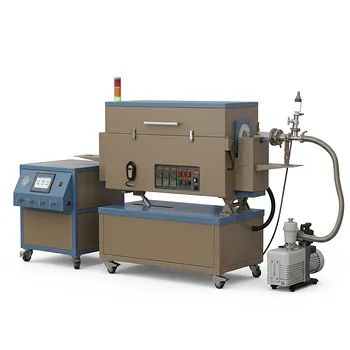
5 Inch Three Zone Rotary Tube Furnace with Integrated Gas Delivery System and 1200C Capability for Advanced Material CVD Processing
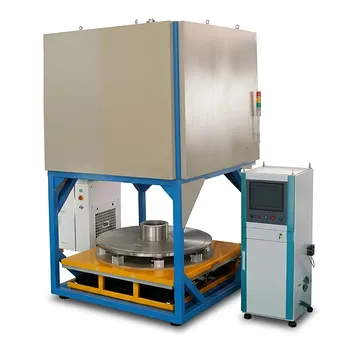
1400C Bottom Loaded Inert Gas Atmosphere Box Furnace with 125L Capacity and Precision Hydraulic Lift
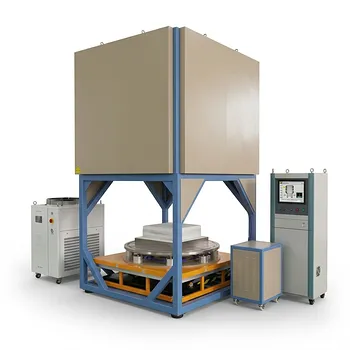
Bottom Loaded Inert Gas Atmosphere Box Furnace 1700C 1300C 216L Large Capacity Industrial Thermal Processing System
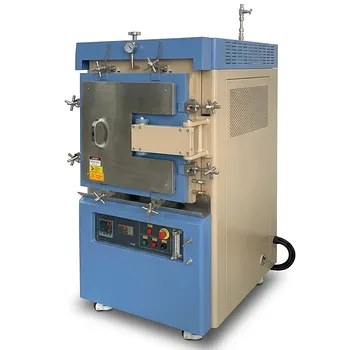
Atmosphere Controlled Muffle Furnace 1700C Maximum Temperature 80L High Capacity Vacuum Inert Gas Box Furnace
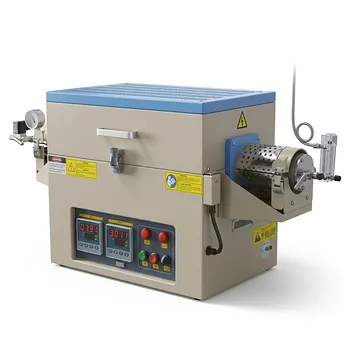
1100C Dual Zone Hydrogen Gas Tube Furnace with Quartz Tube and Integrated H2 Leak Detection System
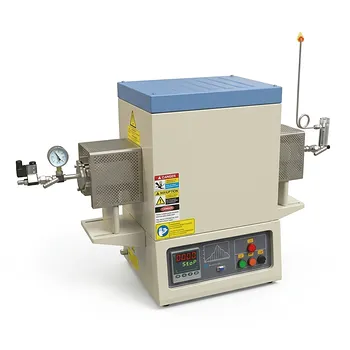
1700C Hydrogen Gas Tube Furnace with 60mm Alumina Process Tube and Integrated Hydrogen Safety Detector
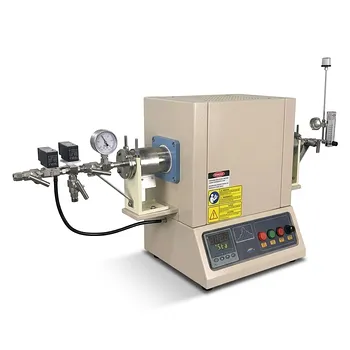
1500C Compact Hydrogen Gas Tube Furnace with 2 Inch Alumina Tube and Hydrogen Detector
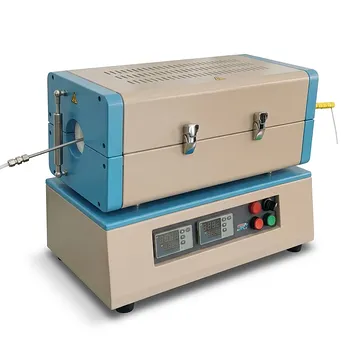
Gas Pre-Heating Tube Furnace for High Temperature Pyrolysis Reactors and Material Science Research
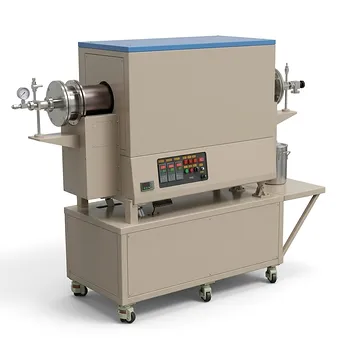
900°C Max Rotary Tube Furnace with 8 Inch 310S Alloy Tube and Optional Multi Zone Heating for Industrial Material Calcination
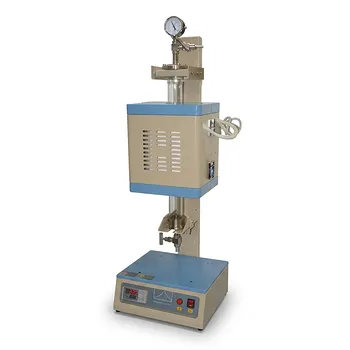
Compact Vertical Split Quartz Tube Furnace with Stainless Steel Vacuum Flanges for Rapid Thermal Quenching and Controlled Atmosphere Material Processing
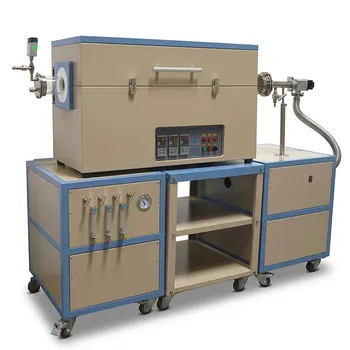
Three Zone Quartz Tube Furnace with 3 Channel Gas Mixer Vacuum Pump and Anti Corrosive Vacuum Gauge
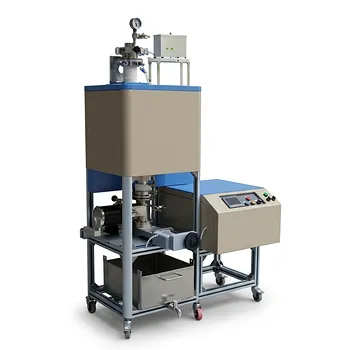
High Temperature 1700C Vertical Tube Furnace for Powder Spherification and Material Sintering
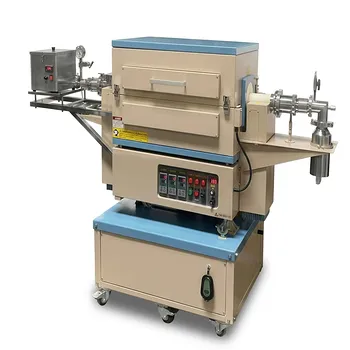
1500C 3-Zone Rotary Tube Furnace 60mm with Automatic Powder Feeding and Receiving System for Continuous Material Synthesis
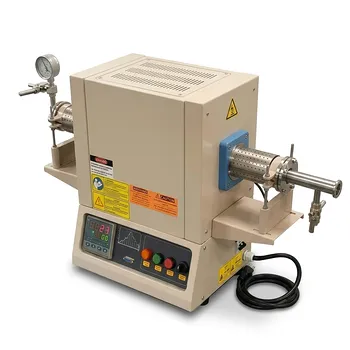
Compact High Temperature 1600C Tube Furnace with 50mm Alumina Tube and Vacuum Flanges for Material Sintering
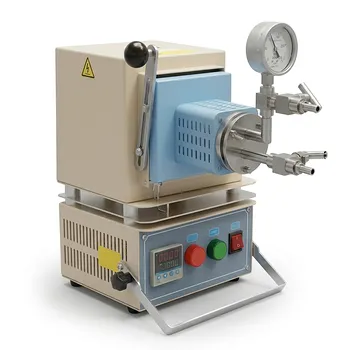
Compact Hybrid Muffle and Tube Furnace for 1000C Controlled Atmosphere Laboratory Material Sintering
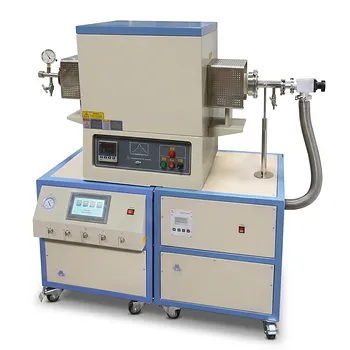
High Temperature 1700C Tube Furnace with High Vacuum Turbomolecular Pump System and Multi Channel Mass Flow Controller Gas Mixer
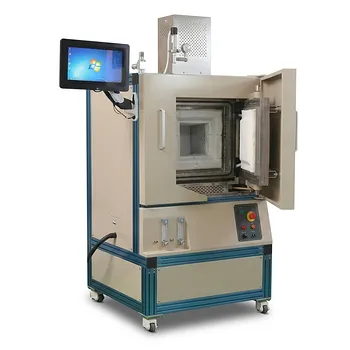
High Temperature Oxygen and Inert Atmosphere Controlled Furnace 8 Liter 1700C Sintering System for Advanced Materials RD
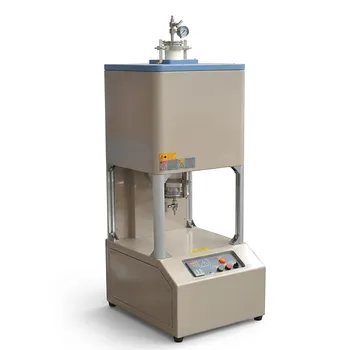
Vertical 1700C Vacuum and Atmosphere Tube Furnace with 80mm Alumina Tube
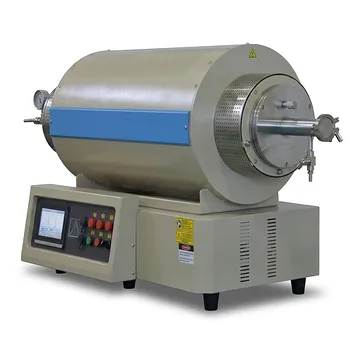
1200C Max Three Zone Tube Furnace 6 Inch OD Max with Tube and Flange