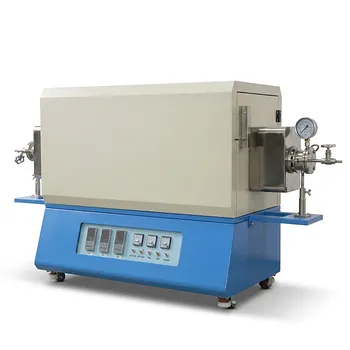
What critical role does a three-zone tube furnace play in sulfur chemical looping? Unlock Multi-Stage Reaction Control
Updated 6 months ago
In sulfur chemical looping combustion (S-CLC), a three-zone tube furnace serves as a multi-stage thermal reactor that decouples sequential chemical processes. It provides the necessary infrastructure to manage sulfur vaporization, primary oxygen carrier reactions, and deep reduction simultaneously within a single continuous flow. This spatial separation is vital for isolating and analyzing the reaction mechanisms of different metal oxides under specific, localized thermodynamic conditions.
The three-zone tube furnace is the critical enabler for sulfur chemical looping because it transforms a linear flow path into a sequence of independently controlled thermodynamic environments. This allows researchers to manage the phase change of sulfur precursors while simultaneously driving complex redox reactions in solid oxygen carriers.
Decoupling the Chemical Reaction Chain
Zone 1: Precise Vaporization of Elemental Sulfur
The first zone is dedicated to the controlled phase transition of elemental sulfur into a gaseous state. By maintaining a specific temperature in this initial stage, researchers ensure a stable and predictable precursor vapor pressure. This stability is essential for maintaining a consistent stoichiometric ratio as the sulfur gas moves into subsequent reaction stages.
Zone 2: Primary Reaction of Oxygen Carriers
In the second zone, the sulfur vapor interacts with iron-based oxygen carriers to initiate the primary combustion or looping reactions. This zone is typically set to a temperature that favors the intended redox kinetics, allowing for the study of how metal oxides respond to sulfur exposure in a controlled environment.
Zone 3: High-Temperature Deep Reduction
The final zone provides the thermal energy required for the deep reduction of composite oxygen carriers. Because these materials often require significantly higher temperatures to complete their chemical transformation, the third zone operates independently to ensure full conversion. This ensures that the final products achieve the intended phase purity and crystal structure.
Establishing Essential Thermodynamic Gradients
Simulating Real-World Combustion Environments
Multi-zone furnaces allow for the creation of a refined temperature gradient that mimics the progression of gases through an industrial reactor. By adjusting the heating curves, the furnace can simulate the preheating of fuel and oxidants, such as hydrogen or carbon monoxide, to specific inlet temperatures. This ensures the gas mixture reaches a stable thermodynamic state before it reaches the active reaction zones.
Investigating Reaction Mechanisms
The ability to set different temperatures across the reaction tube allows for the investigation of varying thermodynamic conditions on a single sample or flow. This is critical for identifying the exact temperature at which specific metal oxides begin to degrade or undergo phase changes. It provides a granular look at the reaction kinetics that a single-zone furnace cannot achieve.
Optimizing Material Synthesis and Porosity
Beyond the reaction itself, the furnace manages the pre-treatment of catalysts and desulfurizers. Precise control induces the partial decomposition of components like zinc carbonate, which creates high-activity pores within the material. This ensures that the sulfidation reaction remains within a thermodynamically favorable range throughout the experiment.
Understanding the Trade-offs and Challenges
Thermal Interference Between Zones
While the zones are "independent," physical proximity leads to thermal leaching, where heat from a high-temperature zone drifts into a lower-temperature zone. This can blur the boundaries of the reaction stages if the furnace is not properly calibrated or if the flow rate is too slow to maintain the gradient.
Increased System Complexity
Managing three sets of PID controllers and thermocouples increases the risk of experimental error. A failure in one zone’s heating element or sensor can compromise the entire gradient, leading to incomplete sulfur vaporization or unintended side reactions in the oxygen carrier bed.
Gas Velocity and Residence Time
The speed at which the carrier gas moves through the tube must be carefully balanced with the length of each zone. If the gas moves too quickly, it may not reach thermal equilibrium in a specific zone; if it moves too slowly, the sharp gradients required for distinct chemical steps may flatten out.
How to Apply This to Your Research Project
Recommendations Based on Experimental Goals
- If your primary focus is investigating reaction kinetics: Utilize the independent zones to establish a steep temperature gradient, allowing you to observe exactly where phase transitions occur.
- If your primary focus is maximizing material throughput: Configure the furnace to create a longer, uniform isothermal zone across all three sections to ensure consistent treatment of large sample batches.
- If your primary focus is precursor stability: Use the first zone exclusively for low-temperature vaporization to prevent the premature decomposition of sensitive sulfur compounds before they reach the primary reactor.
- If your primary focus is synthesizing high-purity carriers: Focus on the third zone's high-temperature capabilities to ensure complete solid-phase chemical reactions and the formation of stable crystal structures.
The three-zone tube furnace is not merely a heater, but a sophisticated tool for spatial and temporal control over the complex chemical landscape of sulfur combustion.
Summary Table:
| Stage/Zone | Primary Function | Key Experimental Benefit |
|---|---|---|
| Zone 1 | Controlled Sulfur Vaporization | Maintains stable, predictable precursor vapor pressure. |
| Zone 2 | Oxygen Carrier Interaction | Isolates primary redox kinetics and sulfur exposure effects. |
| Zone 3 | High-Temp Deep Reduction | Ensures full conversion and high phase purity of materials. |
| Overall | Thermodynamic Gradients | Simulates industrial environments and optimizes pore structures. |
Elevate Your S-CLC Research with THERMUNITS Precision
Advanced sulfur chemical looping combustion (S-CLC) requires the extreme thermal control and spatial separation that only a high-performance multi-zone system can provide. THERMUNITS is a leading manufacturer of high-temperature laboratory equipment, specializing in the thermal processing solutions essential for material science and industrial R&D.
Our comprehensive range of equipment includes:
- Tube, Rotary, and Muffle Furnaces for precise thermal gradients.
- Vacuum & Atmosphere Furnaces for controlled reaction environments.
- CVD/PECVD Systems and Vacuum Induction Melting (VIM) for advanced material synthesis.
- Hot Press & Dental Furnaces for specialized material densification.
Whether you are studying oxygen carrier kinetics or scaling desulfurization processes, our engineering expertise ensures your lab achieves superior heat treatment results.
Contact THERMUNITS today to discuss your research requirements
References
- Lihuai Peng, Min Zheng. Optimizing S Chemical Looping Combustion with Cu-Fe Combined Oxygen Carriers: Performance and Mechanistic Insights. DOI: 10.3390/en17205018
Mentioned Products
- Three Zone Tube Furnace with 24 Inch Heating Length and Hinged Flange Quartz Tube System
- Three Zone Hydrogen Gas Tube Furnace with 82mm Superalloy Tube and Dual Hydrogen Detectors 1200C High Temperature Material Processing System
- 1100°C Three Zone Tube Furnace with 8.5 to 11 Inch OD Quartz Tube and Vacuum Flanges for Large Wafer Processing
- Three Zone Tube Furnace with 11 Inch or 15 Inch Quartz Tube and Hinged Flanges for Vacuum Atmosphere Heat Treatment
- High Temperature 1700C Three Zone Tube Furnace with Alumina Tube 50mm 60mm 80mm OD for Material Research and Industrial Heat Treatment
People Also Ask
- What is the primary function of a three-zone tube furnace in the synthesis process of corn-derived carbon nanotubes?
- What role does an industrial-grade three-zone tube furnace play in VOx@VACNT synthesis? Precision Phase-State Control
- What advantages does a three-zone tube furnace offer for nanoparticle synthesis? Unlock Superior Thermal Precision.
- Why Use a Three-Zone vs. Single-Zone Furnace for Fe-Ni-Cu Diffusion? Key Benefits for Lab Accuracy
- What role does a 3-zone tube furnace play in CCO ceramic conductivity testing? Ensure Isothermal Precision.

Tech Team · ThermUnits
Last updated on Apr 14, 2026
Related Products
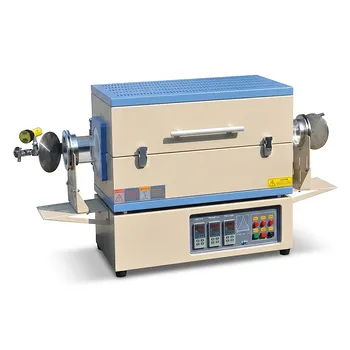
Three Zone Tube Furnace with 24 Inch Heating Length and Hinged Flange Quartz Tube System
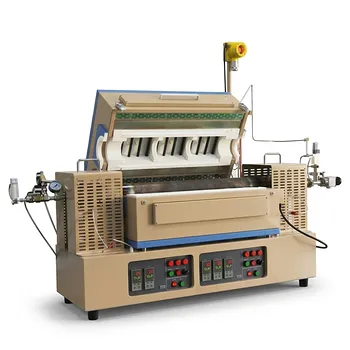
Three Zone Hydrogen Gas Tube Furnace with 82mm Superalloy Tube and Dual Hydrogen Detectors 1200C High Temperature Material Processing System
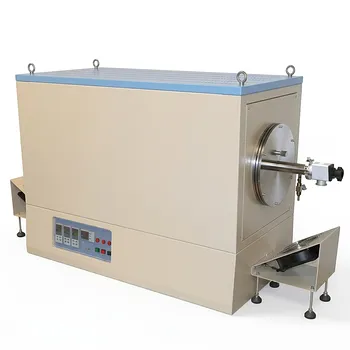
1100°C Three Zone Tube Furnace with 8.5 to 11 Inch OD Quartz Tube and Vacuum Flanges for Large Wafer Processing
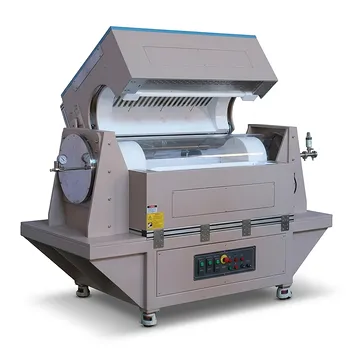
Three Zone Tube Furnace with 11 Inch or 15 Inch Quartz Tube and Hinged Flanges for Vacuum Atmosphere Heat Treatment
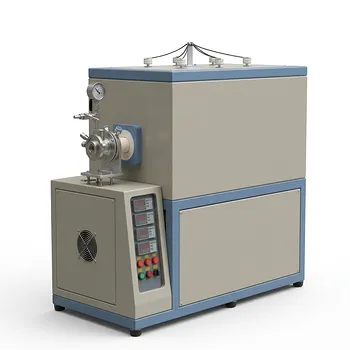
High Temperature 1700C Three Zone Tube Furnace with Alumina Tube 50mm 60mm 80mm OD for Material Research and Industrial Heat Treatment
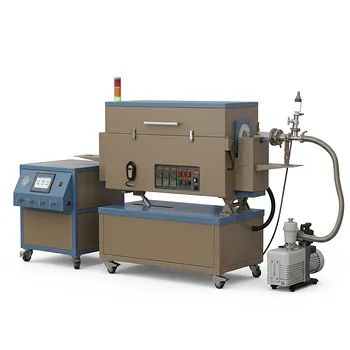
5 Inch Three Zone Rotary Tube Furnace with Integrated Gas Delivery System and 1200C Capability for Advanced Material CVD Processing
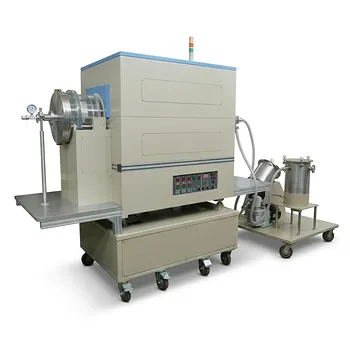
Three Zone Rotary Tube Furnace with Automatic Powder Feeding for Large Scale CVD Coating 1100C
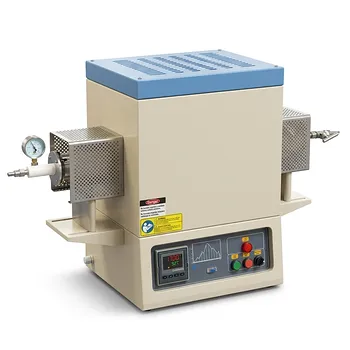
High Temperature Three Zone Tube Furnace 1700C with Alumina Tube and Water Cooled Flanges
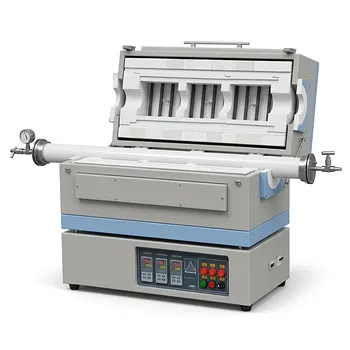
High Temperature 1500C Three Zone Split Tube Furnace with 80mm Alumina Tube and Vacuum Flange
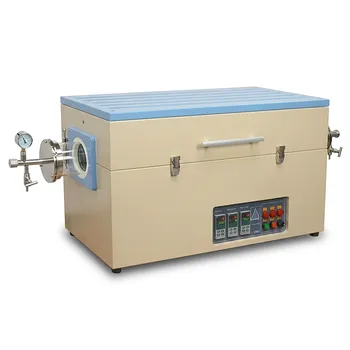
Three Zone Split Tube Furnace 36 Inch Heating Length High Temperature 1200C Material Research Furnace with Vacuum Flanges
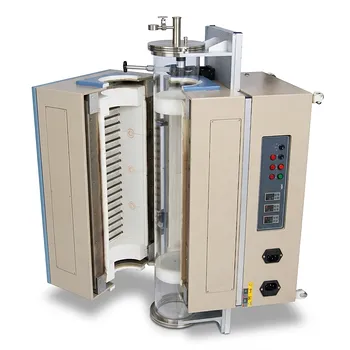
Large Vertical Three Zone Tube Furnace with 8 Inch or 11 Inch Quartz Tube and High Vacuum Flanges 1200C
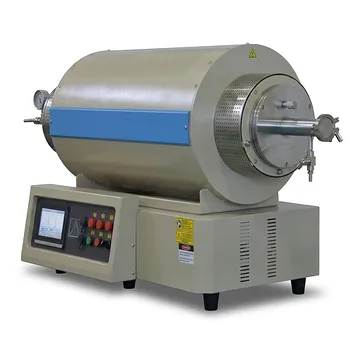
1200C Max Three Zone Tube Furnace 6 Inch OD Max with Tube and Flange
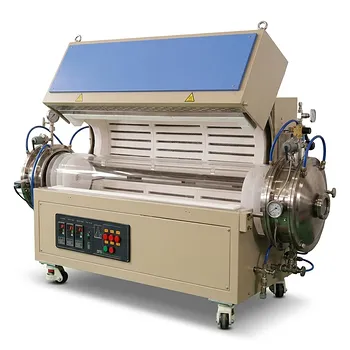
High Temperature Three Zone Split Tube Furnace 1200C Max 35.4 Inch Heating Length 8 Inch ID Tube
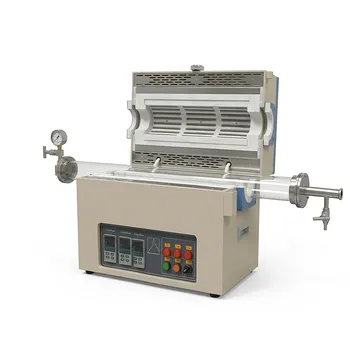
1200°C Three Zone Split Tube Furnace with 18 Inch Heating Length and Vacuum Flanges
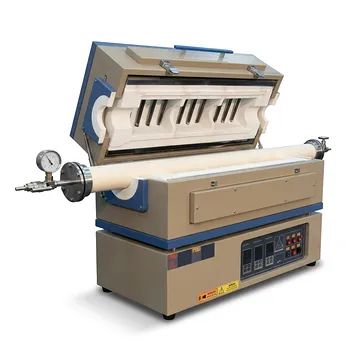
1600C Three Zone Split Tube Furnace with Alumina Tube and Vacuum Flange
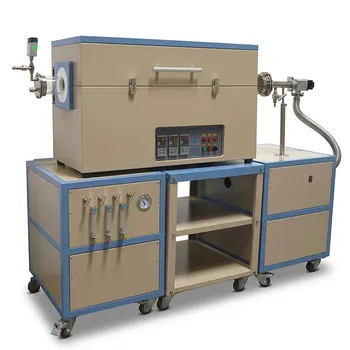
Three Zone Quartz Tube Furnace with 3 Channel Gas Mixer Vacuum Pump and Anti Corrosive Vacuum Gauge
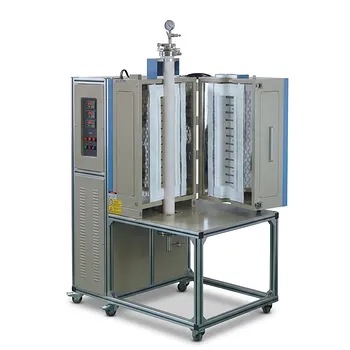
Three Zone Heating Split Vertical Tube Furnace 1700 High Temperature Vacuum Atmosphere Thermal Process System
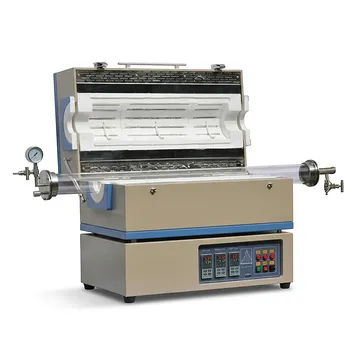
24 Inch Three Zone Split Tube Furnace with Optional Quartz Tube and Vacuum Flange System for High Temperature Material Synthesis
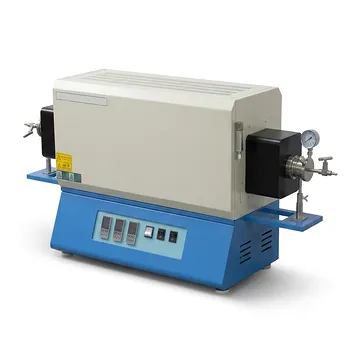
High Temperature Three Temperature Zone Tube Furnace for Advanced Material Science Sintering and Chemical Vapor Deposition Applications