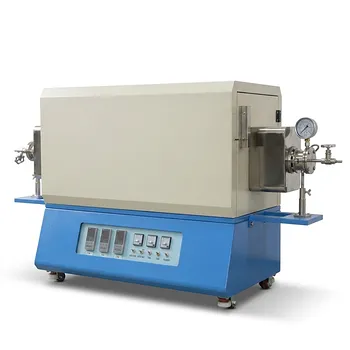
What role does an industrial-grade three-zone tube furnace play in VOx@VACNT synthesis? Precision Phase-State Control
Updated 3 months ago
The industrial-grade three-zone tube furnace is the critical hardware enabler for "phase-selective" synthesis. It allows researchers to dictate the exact oxidation state of vanadium—switching between phases like VO2 and V2O5—by providing independent, high-precision thermal zones. This equipment manages the transition from growing the carbon nanotube scaffold to the precise deposition of the metal oxide layer within a single, controlled environment.
An industrial-grade three-zone tube furnace provides the necessary thermal gradients and atmospheric stability to decouple precursor evaporation from substrate deposition. By precisely controlling temperatures across separate zones, it enables the selective synthesis of specific vanadium oxide phases onto vertically aligned carbon nanotubes.
Managing Phase States via Independent Thermal Zones
Precise Control of Vanadium Oxidation
The primary role of the three-zone furnace is to manage the phase state of vanadium oxides (VOx) through minute temperature adjustments. In the deposition zone, a setting of 550°C typically yields a monoclinic VO2 phase, whereas increasing the temperature to 600°C shifts the deposition to V2O5. This level of selectivity is only possible when the thermal field is stable and isolated from the precursor source temperature.
Multi-Zone Switching Capabilities
By utilizing three distinct heating zones, the furnace allows for the synthesis of complex nanocomposites without removing the sample from the equipment. This "in-situ" capability ensures that the interface between the VOx and the carbon nanotubes remains uncontaminated. It provides a seamless transition between different chemical vapor deposition (CVD) stages or annealing steps.
Uniformity in Industrial Applications
Industrial-grade furnaces offer a superior thermal field distribution compared to standard laboratory models. This uniformity ensures that the conductive network of the hybrid material remains consistent across the entire substrate. For large-scale synthesis, this prevents "hot spots" that could lead to non-uniform crystal structures or structural defects in the nanotubes.
Facilitating the Growth of VACNT Scaffolds
Creating the Vertically Aligned Framework
Before VOx deposition, the furnace provides the high-temperature environment (approximately 700°C) required for the growth of Vertically Aligned Carbon Nanotubes (VACNTs). Using a mixture of gases like Argon, Hydrogen, and Acetylene, the furnace facilitates the thermal decomposition of the carbon source. The stability of the furnace ensures that these nanotubes grow directionally, creating a high-surface-area scaffold for the vanadium oxide.
Catalyst Nucleation and Atmosphere Control
The furnace plays a vital role in preparing the catalyst layer under a reducing atmosphere (often H2). This stage is sensitive; the industrial furnace’s precise flow control and airtight seals prevent unwanted oxidation of the catalyst. This ensures that the subsequent growth of the nanotubes is dense and vertically oriented, which is essential for the hybrid's eventual performance.
Managing Precursor Decomposition
For hybrid materials using organic precursors like Vanadium Phthalocyanine (VOPC), the furnace provides the thermal energy needed for complete carbonization. At temperatures around 750°C, the furnace ensures that the precursor decomposes fully. This allows vanadium atoms to integrate with the carbon or nitrogen matrix, resulting in a uniform embedding of nanoparticles.
Understanding the Trade-offs and Challenges
Thermal Lag and Gradient Overlap
While three zones offer independence, thermal energy naturally bleeds between adjacent zones. Users must carefully calibrate the "buffer" space between zones to ensure that a 600°C deposition zone does not unintentionally overheat a 400°C precursor zone. Failing to manage this overlap can result in uncontrolled precursor evaporation rates and inconsistent coating thickness.
Atmosphere Sensitivity and Leaks
Maintaining the low-valence state of vanadium (such as V2O3) requires a strictly inert or reducing atmosphere. Even minor oxygen leaks in an industrial-scale furnace can cause low-valence oxides to oxidize back to higher-valence states at high temperatures. Ensuring vacuum integrity and gas purity is a constant operational overhead when working with VOx hybrids.
How to Apply This to Your Project
Making the Right Choice for Your Goal
- If your primary focus is phase purity of VO2: Maintain the deposition zone strictly at 550°C and ensure a stable flow of carrier gas to prevent local temperature fluctuations.
- If your primary focus is maximum surface area: Prioritize the 700°C CVD growth stage for the VACNTs, ensuring the reducing atmosphere is perfectly maintained for catalyst nucleation.
- If your primary focus is multi-layer hybrid structures: Utilize the three-zone independence to create a temperature gradient that allows for simultaneous precursor sublimation and controlled substrate deposition.
The industrial-grade three-zone tube furnace is not merely a heater, but a precision instrument that transforms chemical precursors into architecturally complex and phase-pure hybrid nanomaterials.
Summary Table:
| Feature | Role in VOx@VACNT Synthesis | Key Operational Parameter |
|---|---|---|
| Phase Selection | Dictates exact vanadium oxidation states | 550°C for VO2 Phase; 600°C for V2O5 |
| Scaffold Growth | Enables directional growth of VACNTs | ~700°C with Ar/H2/Acetylene gases |
| In-Situ Synthesis | Prevents interface contamination during coating | Seamless multi-zone CVD transition |
| Thermal Uniformity | Ensures consistent conductive networks | High-precision industrial thermal field |
| Atmosphere Control | Protects catalyst and maintains low-valence VOx | Airtight seals and precise gas flow |
Elevate Your Material Research with THERMUNITS
Precision thermal processing is the backbone of advanced material science. THERMUNITS is a leading manufacturer of high-performance laboratory and industrial equipment, specializing in solutions that demand rigorous control. Whether you are synthesizing VOx@VACNT hybrids or developing next-generation nanotubes, our systems provide the stability and precision you need.
Our comprehensive range includes:
- Advanced Furnaces: Tube (Single/Multi-zone), Muffle, Vacuum, Atmosphere, Rotary, and Hot Press Furnaces.
- R&D Systems: CVD/PECVD systems, Vacuum Induction Melting (VIM) furnaces, and Dental furnaces.
- Components: High-quality electric rotary kilns and specialized thermal elements.
Ready to optimize your heat treatment process? Contact our engineering team today to discuss how THERMUNITS can provide a tailored thermal solution for your laboratory or industrial R&D requirements.
References
- Inga Dönges, Jörg J. Schneider. Selective Synthesis of 3D Aligned VO<sub>2</sub> and V<sub>2</sub>O<sub>5</sub> Carbon Nanotube Hybrid Materials by Chemical Vapor Deposition. DOI: 10.1002/chem.202402024
Mentioned Products
- Three Zone Tube Furnace with 24 Inch Heating Length and Hinged Flange Quartz Tube System
- Three Zone Hydrogen Gas Tube Furnace with 82mm Superalloy Tube and Dual Hydrogen Detectors 1200C High Temperature Material Processing System
- 1100°C Three Zone Tube Furnace with 8.5 to 11 Inch OD Quartz Tube and Vacuum Flanges for Large Wafer Processing
- Three Zone Tube Furnace with 11 Inch or 15 Inch Quartz Tube and Hinged Flanges for Vacuum Atmosphere Heat Treatment
- High Temperature 1700C Three Zone Tube Furnace with Alumina Tube 50mm 60mm 80mm OD for Material Research and Industrial Heat Treatment
People Also Ask
- What is the primary function of a three-zone tube furnace in the synthesis process of corn-derived carbon nanotubes?
- Why Use a Three-Zone vs. Single-Zone Furnace for Fe-Ni-Cu Diffusion? Key Benefits for Lab Accuracy
- What advantages does a three-zone tube furnace offer for nanoparticle synthesis? Unlock Superior Thermal Precision.
- What role does a 3-zone tube furnace play in CCO ceramic conductivity testing? Ensure Isothermal Precision.
- What are the technical advantages of using a three-zone tube furnace for MoS2 CVD growth? Achieve Precision Control

Tech Team · ThermUnits
Last updated on Jun 03, 2026
Related Products
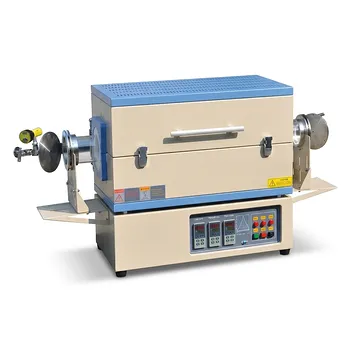
Three Zone Tube Furnace with 24 Inch Heating Length and Hinged Flange Quartz Tube System
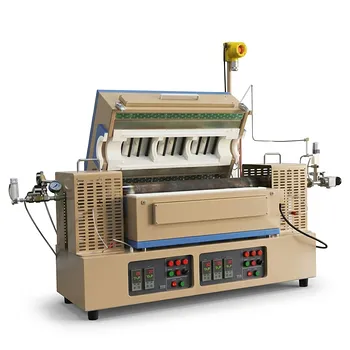
Three Zone Hydrogen Gas Tube Furnace with 82mm Superalloy Tube and Dual Hydrogen Detectors 1200C High Temperature Material Processing System
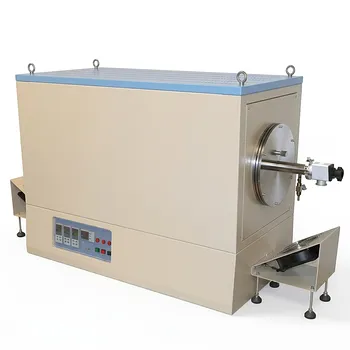
1100°C Three Zone Tube Furnace with 8.5 to 11 Inch OD Quartz Tube and Vacuum Flanges for Large Wafer Processing

Three Zone Tube Furnace with 11 Inch or 15 Inch Quartz Tube and Hinged Flanges for Vacuum Atmosphere Heat Treatment
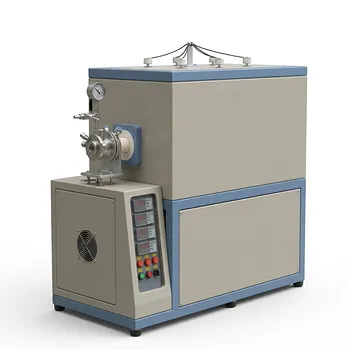
High Temperature 1700C Three Zone Tube Furnace with Alumina Tube 50mm 60mm 80mm OD for Material Research and Industrial Heat Treatment
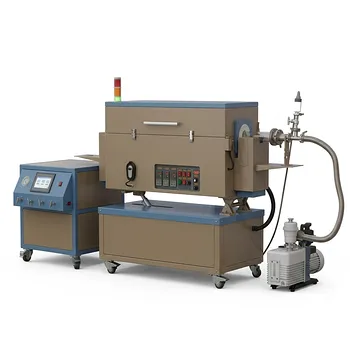
5 Inch Three Zone Rotary Tube Furnace with Integrated Gas Delivery System and 1200C Capability for Advanced Material CVD Processing
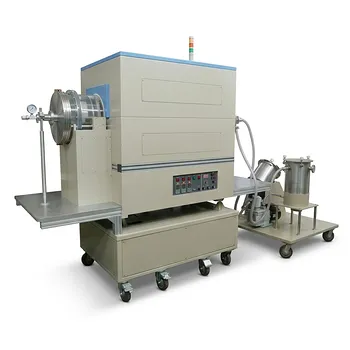
Three Zone Rotary Tube Furnace with Automatic Powder Feeding for Large Scale CVD Coating 1100C
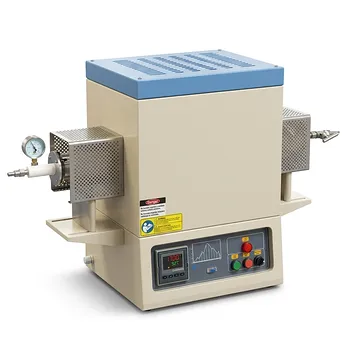
High Temperature Three Zone Tube Furnace 1700C with Alumina Tube and Water Cooled Flanges
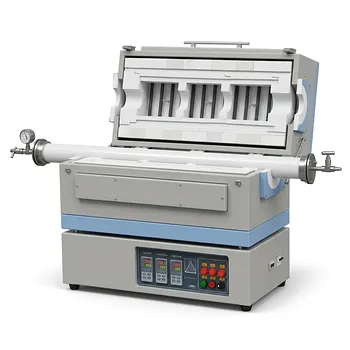
High Temperature 1500C Three Zone Split Tube Furnace with 80mm Alumina Tube and Vacuum Flange
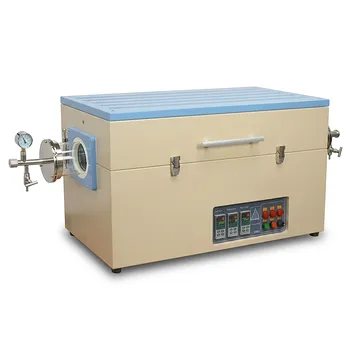
Three Zone Split Tube Furnace 36 Inch Heating Length High Temperature 1200C Material Research Furnace with Vacuum Flanges
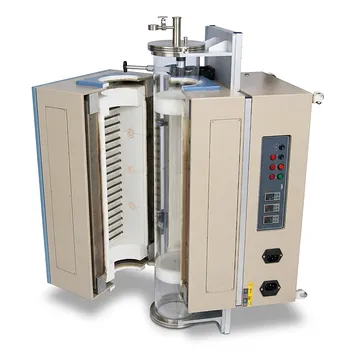
Large Vertical Three Zone Tube Furnace with 8 Inch or 11 Inch Quartz Tube and High Vacuum Flanges 1200C
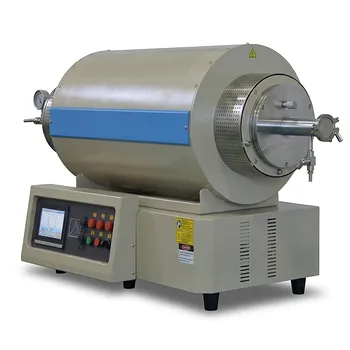
1200C Max Three Zone Tube Furnace 6 Inch OD Max with Tube and Flange
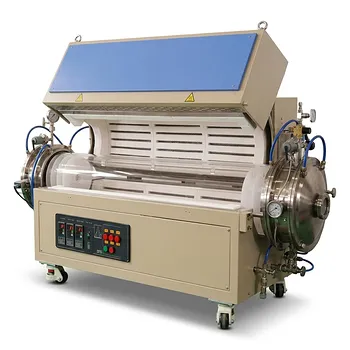
High Temperature Three Zone Split Tube Furnace 1200C Max 35.4 Inch Heating Length 8 Inch ID Tube
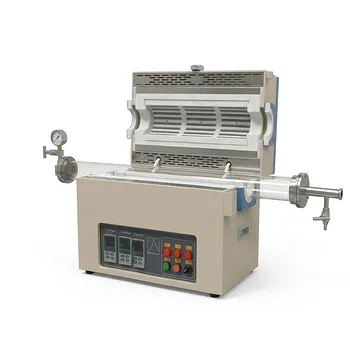
1200°C Three Zone Split Tube Furnace with 18 Inch Heating Length and Vacuum Flanges
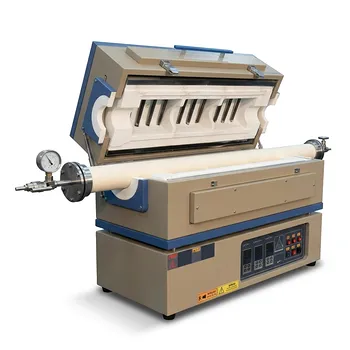
1600C Three Zone Split Tube Furnace with Alumina Tube and Vacuum Flange
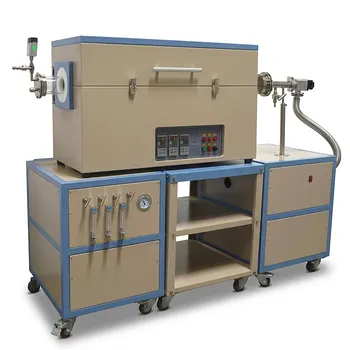
Three Zone Quartz Tube Furnace with 3 Channel Gas Mixer Vacuum Pump and Anti Corrosive Vacuum Gauge
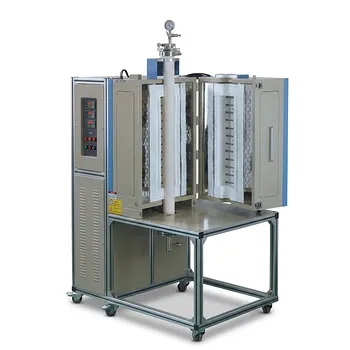
Three Zone Heating Split Vertical Tube Furnace 1700 High Temperature Vacuum Atmosphere Thermal Process System
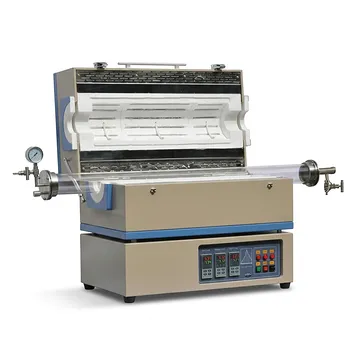
24 Inch Three Zone Split Tube Furnace with Optional Quartz Tube and Vacuum Flange System for High Temperature Material Synthesis
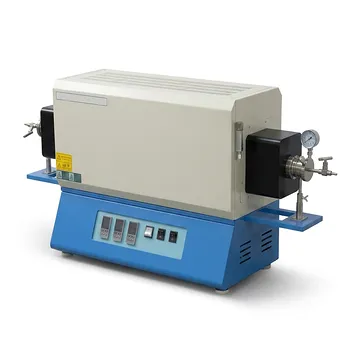
High Temperature Three Temperature Zone Tube Furnace for Advanced Material Science Sintering and Chemical Vapor Deposition Applications