What role does pilot-scale sintering test equipment play in validating laboratory-scale sintering technologies? Expert Guide
Updated 3 months ago
Pilot-scale sintering equipment acts as the essential bridge between theoretical laboratory findings and full-scale industrial deployment. It validates laboratory-scale technologies by providing a larger loading capacity—approximately 1.3 kg—allowing researchers to simulate complex industrial phenomena like suction cooling and hearth layer protection. This intermediate step ensures that low-carbon sintering techniques remain viable when moved from the benchtop to the production floor.
The central role of pilot-scale equipment is to provide a realistic simulation environment that laboratory-scale setups cannot replicate. By enabling the testing of standardized quality metrics like the Tumble Index and Reduction Index on larger batches, it serves as the definitive proof-of-concept for industrial viability.
Simulating Industrial-Level Dynamics
Replicating Layer Combustion
High-temperature combustion behaves differently as batch size increases and material beds deepen. Pilot-scale equipment allows for the observation of oxygen distribution and flame front speed in a way that closely mimics a moving sinter strand.
Evaluating Hearth Layer Protection
In industrial settings, a hearth layer is used to protect the grate from excessive heat and chemical attack. Pilot tests allow engineers to verify how new technologies or raw material mixes interact with this protective layer under operational heat loads.
Optimizing Suction Cooling
Cooling rates significantly impact the final mineralogy and strength of the sinter. Using pilot-scale equipment allows for the testing of suction cooling parameters that simulate the airflow conditions found at the end of an industrial sintering machine.
Quantifying Material Quality and Feasibility
Testing the Tumble Index (TI)
Physical strength is a non-negotiable metric for material destined for a blast furnace. A 1.3 kg batch provides enough volume to perform standardized physical strength tests that are statistically unreliable at smaller, laboratory scales.
Measuring the Reduction Index (RI)
Chemical reactivity depends on the specific pore structure formed during the sintering process. Pilot batches allow for representative sampling to ensure that new, low-carbon technologies do not inadvertently compromise the sinter's ability to be reduced in the furnace.
Validating Low-Carbon Technologies
Transitioning to low-carbon fuels often changes the heat balance of the sintering bed. The pilot scale is the first environment where the feasibility of these green technologies can be comprehensively validated against traditional performance benchmarks.
Understanding the Trade-offs
Resource Intensity vs. Statistical Accuracy
While pilot-scale tests provide much higher accuracy than lab experiments, they require significantly more raw materials and preparation time. However, this investment is a necessary risk-mitigation strategy to avoid the catastrophic costs of a failed trial at the industrial plant level.
Boundary Effects and Scaling Limitations
Even at a 1.3 kg scale, "wall effects" (where the container edges influence heat transfer) can still exist. While it is a massive improvement over micro-scale labs, engineers must still apply scaling factors when translating pilot results to a multi-ton industrial strand.
Applying Pilot Results to Your Objectives
How to Apply This to Your Project
Transitioning from the lab to the plant requires a disciplined approach to scaling and validation. Use the following guidelines to determine your next steps:
- If your primary focus is Low-Carbon Technology Validation: Use pilot equipment specifically to measure how alternative fuels or additives affect the Tumble Index before committing to a costly plant trial.
- If your primary focus is Process Optimization: Leverage the suction cooling and hearth layer simulation features to fine-tune energy consumption patterns without risking industrial equipment.
- If your primary focus is Risk Management: Treat the pilot phase as the final "go/no-go" gate for laboratory discoveries to prevent expensive interruptions in industrial output.
The transition from theoretical research to heavy industry depends entirely on the rigorous, measurable validation that only pilot-scale sintering equipment can provide.
Summary Table:
| Feature/Metric | Laboratory Scale | Pilot Scale (Validation) | Industrial Impact |
|---|---|---|---|
| Batch Capacity | Small (Grams) | ~1.3 kg | Multi-ton Production |
| Key Metrics | Chemical Analysis | Tumble Index (TI) & Reduction Index (RI) | Operational Productivity |
| Dynamics | Theoretical Heat | Simulated Suction Cooling & Hearth Layer | Moving Sinter Strand |
| Risk Level | Foundational | Critical Risk Mitigation | High-Stake Execution |
| Primary Goal | Proof of Concept | Scaling Feasibility & Quality Verification | Industrial Output |
Scale Your R&D Success with THERMUNTIS
Transitioning from laboratory innovation to industrial-scale production requires precision and reliable thermal performance. THERMUNITS is a leading manufacturer of high-temperature laboratory equipment for material science and industrial R&D. We empower researchers to bridge the gap between benchtop results and full-scale deployment with our comprehensive range of thermal processing solutions.
Our expertise covers:
- Laboratory Essentials: Muffle, Tube, and Dental Furnaces.
- Advanced Research: Vacuum, Atmosphere, CVD/PECVD systems, and Rotary Kilns.
- Specialized Industrial Solutions: Rotary, Hot Press, and Vacuum Induction Melting (VIM) furnaces.
Whether you are validating low-carbon sintering techniques or optimizing material mineralogy, we have the specialized heat treatment equipment to ensure your project's viability.
Ready to optimize your process? Contact us today to discuss your thermal equipment needs!
References
- Leonardo Tomas da Rocha, Sung‐Mo Jung. Development of a Low-carbon Sintering Process Technology and Its Application to a Pilot-scale Sintering Testing. DOI: 10.2355/isijinternational.isijint-2024-239
Mentioned Products
- Compact Crucible Melting Furnace 1100C Programmable Temperature Controller Metal Sintering Equipment
- 1750C Compact Muffle Furnace 1.7L Ultra High Temperature Laboratory Sintering System for Advanced Ceramics and Material Science Research
- Compact Hybrid Muffle and Tube Furnace for 1000C Controlled Atmosphere Laboratory Material Sintering
- Compact Spark Plasma Sintering SPS Furnace 1200 C Max 100 MPa Pressure High Speed Sintering System for Material Research
- High Temperature Horizontal Electrical Assisted Sintering Furnace with 3KW Programmable Power Source for Advanced Ceramic Materials
People Also Ask
- Why are internal getters such as Titanium used during the synthesis of oxygen-sensitive materials in a melting furnace?
- How should the choice between a Quartz crucible and an Alumina crucible be made for La2O2S? Optimize Material Purity
- What is the function of a programmable high-temperature Laboratory Furnace in evaluating the fire resistance of concrete?
- Why is a laboratory sintering furnace reaching 950°C required for Ho2YSbO7? Ensure Pure Pyrochlore Phase Purity
- What operational efficiencies do programmable dental furnaces provide to high-volume laboratories? Maximize Scalability

Tech Team · ThermUnits
Last updated on Jun 02, 2026
Related Products
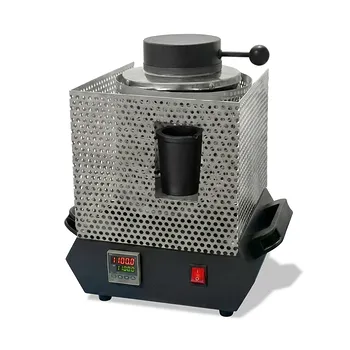
Compact Crucible Melting Furnace 1100C Programmable Temperature Controller Metal Sintering Equipment
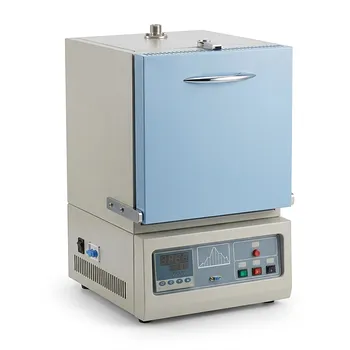
1750C Compact Muffle Furnace 1.7L Ultra High Temperature Laboratory Sintering System for Advanced Ceramics and Material Science Research
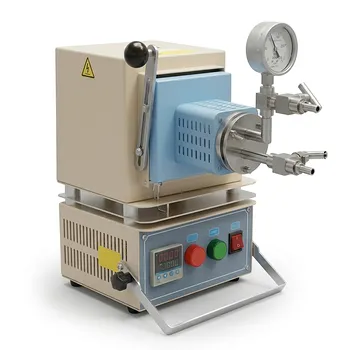
Compact Hybrid Muffle and Tube Furnace for 1000C Controlled Atmosphere Laboratory Material Sintering
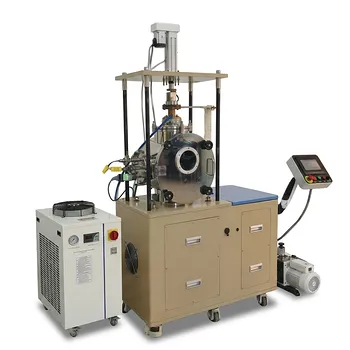
Compact Spark Plasma Sintering SPS Furnace 1200 C Max 100 MPa Pressure High Speed Sintering System for Material Research
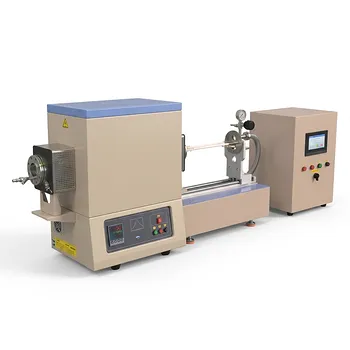
High Temperature Horizontal Electrical Assisted Sintering Furnace with 3KW Programmable Power Source for Advanced Ceramic Materials
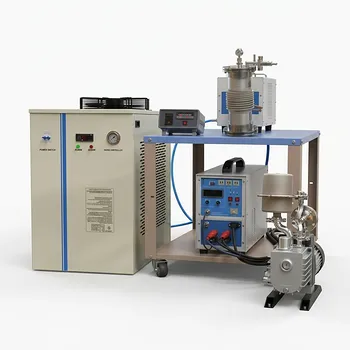
Induction Heating System with Temperature Control for High Temperature Vacuum Sintering and Melting
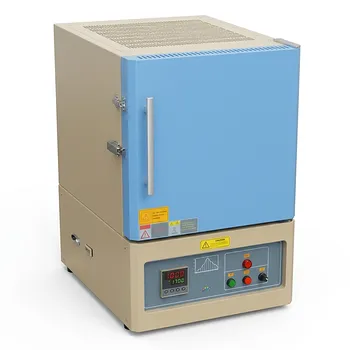
Large Bench Top 1700C High Temperature Muffle Furnace with 19L Chamber for Advanced Material Sintering and Annealing
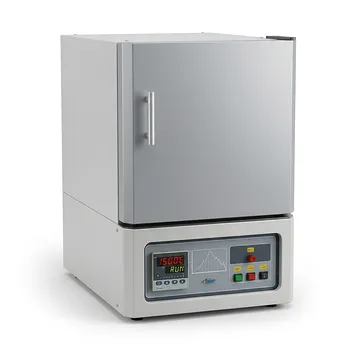
High Temperature 1500C Benchtop Muffle Furnace 3.6L Alumina Fiber Chamber Programmable Controller Sintering Annealing Carbonization Thermal Processing System
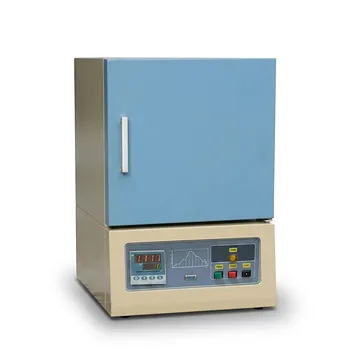
Ultra High Temperature Bench Top Muffle Furnace 1750C Sintering System with Kanthal Super Heating Elements and Precision Digital Control
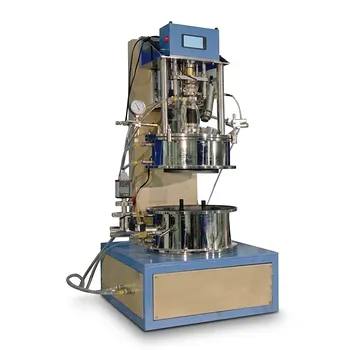
2500C High Vacuum Ultrafast Heating Pellet Press with Automated 8 Sample Loading System
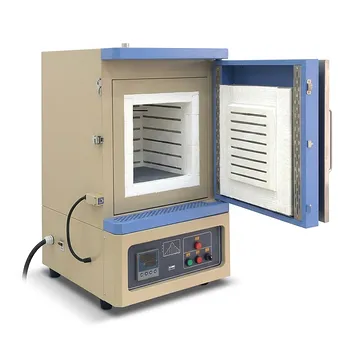
Five Side Heating Muffle Furnace High Purity Alumina Fiber 27L Chamber 1200C High Temperature Thermal Processing System for Sintering Annealing and Materials Research

High Temperature 1700C Vertical Tube Furnace for Powder Spherification and Material Sintering
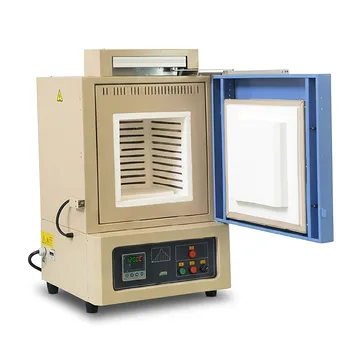
1200C High Temperature Muffle Furnace with Motorized Door and Automated PC Control for Industrial Sintering and Material Processing 27 Liter
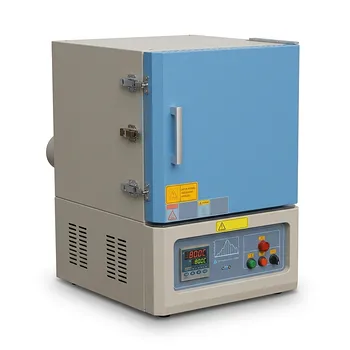
1800C Bench Top Muffle Furnace 18 Liters with Kanthal Super 1900 Heating Elements for High Purity Ceramic Sintering and Material Research
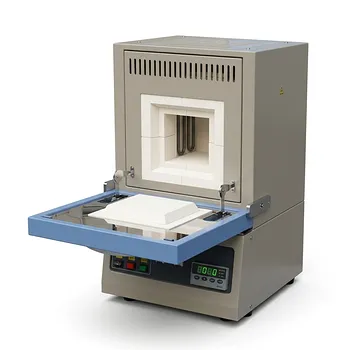
Five Sided Heating Muffle Furnace High Uniformity 1200C Lab Box Furnace 27L Alumina Fiber Chamber
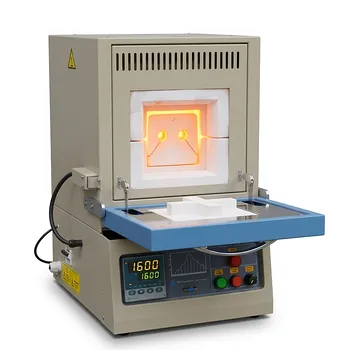
High Temperature Compact Muffle Furnace 1700 C with 30 Segment Programmable Controller and 1.7L Cubic Chamber
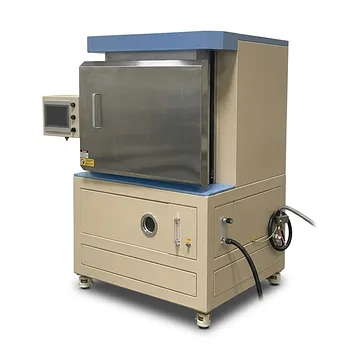
1650C High Temperature Atmosphere Controlled Box Furnace with 65L Chamber for Advanced Material Sintering and Industrial Heat Treatment
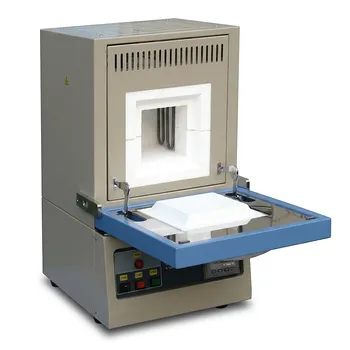
High Temperature 1800C Compact Muffle Furnace with Kanthal Super 1900 Heating Elements and 1.7L Alumina Chamber
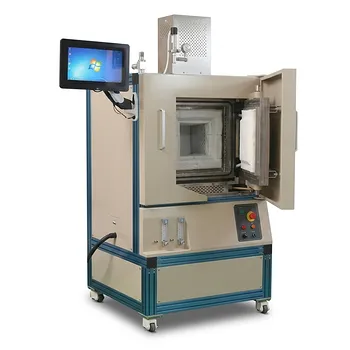
High Temperature Oxygen and Inert Atmosphere Controlled Furnace 8 Liter 1700C Sintering System for Advanced Materials RD