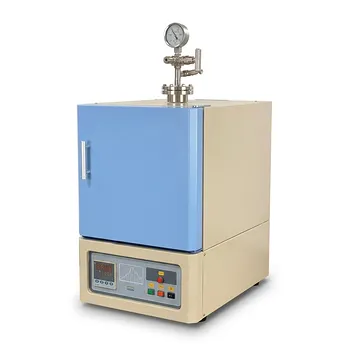
What role does the high-temperature box resistance furnace play during the heat treatment stage of NiO-YSZ support layers?
Updated 3 months ago
The high-temperature box resistance furnace serves as the foundational thermal processing environment for the multi-stage transformation of NiO-YSZ support layers. It facilitates the sequential removal of organic binders and the initial pre-sintering of the ceramic matrix at approximately 900 °C. By providing a highly controllable thermal field, the furnace ensures the development of initial structural strength while preventing physical defects like micro-cracking during the volatilization of additives.
Core Takeaway: The high-temperature box resistance furnace is essential for transitioning press-molded NiO-YSZ from a fragile "green" state to a stable ceramic skeleton. It achieves this by balancing the removal of organic pore-formers with precise thermal energy input to drive pre-sintering and phase stability.
Facilitating Controlled Decomposition of Volatiles
Organic Binder and Solvent Burn-off
The furnace is used in the early stages of heat treatment to eliminate organic pore-forming agents and residual solvents. These materials are critical for shaping the NiO-YSZ layer during molding but must be completely removed to create the required porosity.
Prevention of Micro-cracking
A critical role of the furnace is the precise regulation of heating rates during the volatilization phase. If the temperature rises too quickly, the rapid escape of organic gases can create internal pressure, leading to micro-cracks that compromise the support layer's integrity.
Removal of Impurities
Similar to the calcination of oxide raw materials, the furnace environment effectively removes crystal water and volatile impurities. This ensures that the chemical composition of the NiO-YSZ remains accurate and prevents samples from bursting during subsequent high-temperature steps.
Establishing Structural Integrity and Phase Stability
The Pre-sintering Stage
At temperatures near 900 °C, the furnace provides the stable thermal energy required for pre-sintering. This process allows the ceramic particles to begin bonding, establishing the initial strength of the ceramic skeleton without reaching full densification.
Phase Stabilization and Oxygen Diffusion
The furnace maintains an oxidative atmosphere that is vital for the Yttria-Stabilized Zirconia (YSZ) component. The thermal energy activates oxygen atom diffusion, which fills oxygen vacancies and ensures the material remains in a stable tetragonal or cubic phase rather than reverting to an unstable monoclinic state.
Homogenization of the Microstructure
By maintaining specific temperatures for set durations, the furnace helps eliminate compositional segregation. This leads to a more uniform distribution of the nickel oxide and zirconia phases, which is essential for the electrical and mechanical performance of the support layer.
Understanding the Trade-offs
Thermal Gradients in Box Designs
While box resistance furnaces offer a large internal volume for batch processing, they can suffer from temperature gradients between the heating elements and the center of the chamber. This requires careful placement of samples to ensure uniform pre-sintering across all NiO-YSZ layers.
Atmosphere Limitations
Standard box furnaces typically operate in an air atmosphere, which is ideal for oxidative repair and binder removal. However, if a specific reduction step is needed for the NiO component, a standard box furnace may require specialized sealing or a switch to a tube furnace to manage inert or reducing gases effectively.
Cooling Rate Sensitivity
The transition from 900 °C back to room temperature must be managed carefully within the furnace. Rapid cooling can induce thermal shock, potentially cracking the newly formed ceramic skeleton before it reaches its full mechanical potential.
How to Apply This to Your Project
The effectiveness of your NiO-YSZ support layer depends heavily on how you program your furnace cycles.
- If your primary focus is maximizing porosity: Use a very slow heating ramp during the lower temperature stages (200 °C to 500 °C) to ensure organic pore-formers escape without damaging the ceramic matrix.
- If your primary focus is mechanical handling strength: Ensure the furnace maintains a soak time of several hours at 900 °C to allow the ceramic skeleton to develop sufficient pre-sintering bonds.
- If your primary focus is phase purity: Utilize the furnace's ability to maintain an oxygen-rich environment at 1000 °C to repair any oxygen vacancies in the YSZ lattice and ensure structural stability.
By mastering the thermal field of the box resistance furnace, you ensure the structural and chemical readiness of NiO-YSZ layers for final sintering and application.
Summary Table:
| Heat Treatment Stage | Temperature/Condition | Primary Function & Role |
|---|---|---|
| Binder Burn-off | 200°C - 500°C | Removes organic pore-formers; prevents micro-cracking through controlled ramping. |
| Pre-sintering | ~900°C | Facilitates initial particle bonding to establish the ceramic skeleton's structural strength. |
| Phase Stability | Oxidative Atmosphere | Enables oxygen diffusion to stabilize YSZ in tetragonal/cubic phases. |
| Homogenization | Constant Holding Temp | Eliminates compositional segregation for uniform nickel oxide and zirconia distribution. |
| Cooling Phase | Controlled Slow Ramp | Prevents thermal shock and protects the integrity of the fragile ceramic matrix. |
Elevate Your Material Research with THERMUNITS Precision Thermal Solutions
As a leading manufacturer of high-temperature laboratory equipment for material science and industrial R&D, THERMUNITS provides the precise thermal control necessary for critical processes like NiO-YSZ heat treatment. We help you achieve superior phase stability, structural integrity, and uniform microstructures while preventing costly physical defects.
Our comprehensive range of high-performance solutions includes:
- Furnaces: Muffle, Vacuum, Atmosphere, Tube, Rotary, and Hot Press furnaces.
- Advanced Systems: CVD/PECVD systems, Vacuum Induction Melting (VIM) furnaces, and Electric Rotary Kilns.
- Specialized Equipment: Dental Furnaces, Thermal Elements, and custom laboratory heat treatment solutions.
Ready to optimize your thermal processing workflow? Contact THERMUNITS today to find the perfect furnace for your project!
References
- Inyoung Jang, G. H. Kelsall. Structural Effects of 3D Inkjet‐Printed Ni(O)‐YSZ Pillared Electrodes on Performances of Solid Oxide Electrochemical Reactors. DOI: 10.1002/smll.202306653
Mentioned Products
- 1650C High Temperature Atmosphere Controlled Box Furnace with 65L Chamber for Advanced Material Sintering and Industrial Heat Treatment
- High Temperature 1700℃ Eight Chamber Box Furnace with Automatic Doors for Autonomous Material Research and High Throughput Heat Treatment
- 1700C Box Furnace with Sliding Platform for Rapid Heating and Cooling High Temperature Thermal Processing System
- High Temperature Four Chamber Box Furnace for High Throughput Materials Research and Space Saving Thermal Processing
- Hybrid High Temperature Tube and Box Furnace 1700C with 2 Inch Alumina Tube for Material Research
People Also Ask
- What role does atmosphere control play in technical ceramics and glass? Master Material Purity and Precision
- What role does a high-temperature atmosphere furnace play in the direct electrochemical reduction of CO2? - Key Insights
- What is the role of a high-temperature box furnace in the solid-state synthesis of Europium-doped M3MgSi2O8 phosphors?
- What is the role of a high-temperature box furnace in Na3MnZr(PO4)3 synthesis? Engineering High-Performance NASICON.
- What is the role of a high-temperature atmosphere furnace in Co/Co0.85Se@NC synthesis? Optimize Catalyst Performance

Tech Team · ThermUnits
Last updated on Jun 03, 2026
Related Products
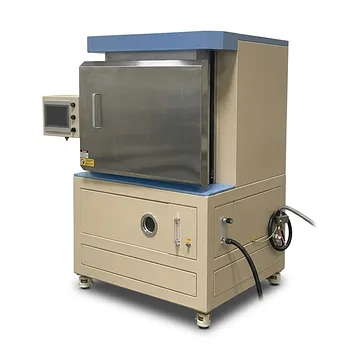
1650C High Temperature Atmosphere Controlled Box Furnace with 65L Chamber for Advanced Material Sintering and Industrial Heat Treatment
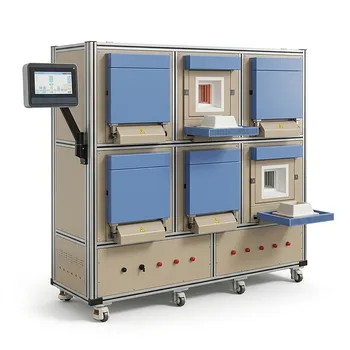
High Temperature 1700℃ Eight Chamber Box Furnace with Automatic Doors for Autonomous Material Research and High Throughput Heat Treatment
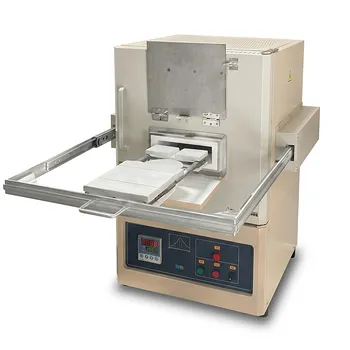
1700C Box Furnace with Sliding Platform for Rapid Heating and Cooling High Temperature Thermal Processing System
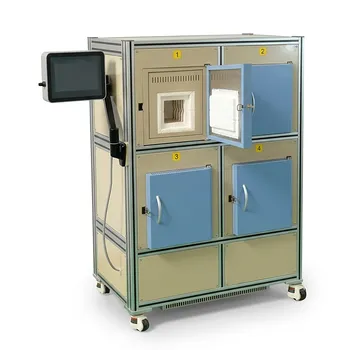
High Temperature Four Chamber Box Furnace for High Throughput Materials Research and Space Saving Thermal Processing
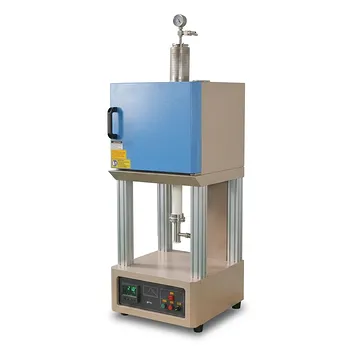
Hybrid High Temperature Tube and Box Furnace 1700C with 2 Inch Alumina Tube for Material Research
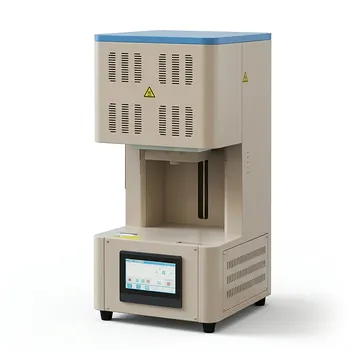
Automated 1700C High Temperature Bottom Loading Box Furnace with PC Software Control and Robotic Integration Capability
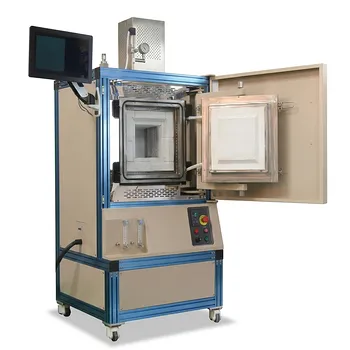
High Temperature Hydrogen Atmosphere Box Furnace 1650C Max Reducing Environment Material Synthesis System 8x8x8 Chamber
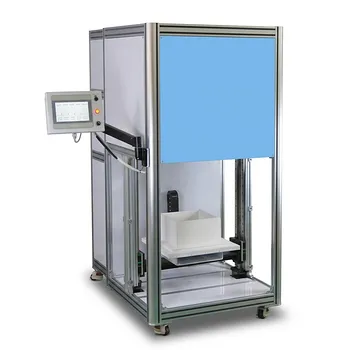
High Temperature 1600°C Three Zone Heated Bottom Loading Box Furnace with Rapid Thermal Processing Chamber 72L Volume
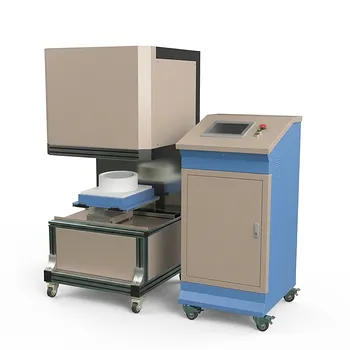
High Temperature Bottom Loading Box Furnace for Rapid Thermal Processing 1700C 40L Capacity
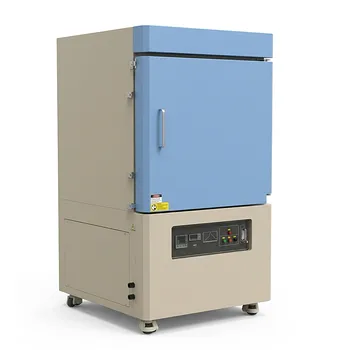
Industrial Large Box Furnace 1700C 216L High Temp Muffle Sintering System
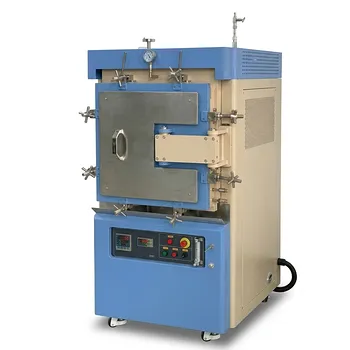
High Temperature Economic Hydrogen Gas Box Furnace 1600C Atmosphere Controlled Thermal Processing System 65L Capacity
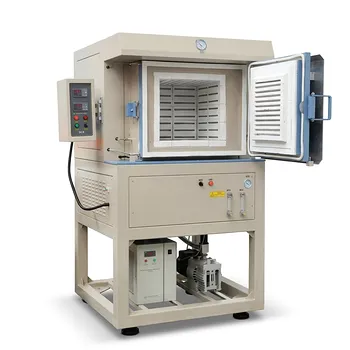
1200°C Five Side Heating Atmosphere Controlled Muffle Furnace 64 Liter High Uniformity Box Furnace for Material Synthesis
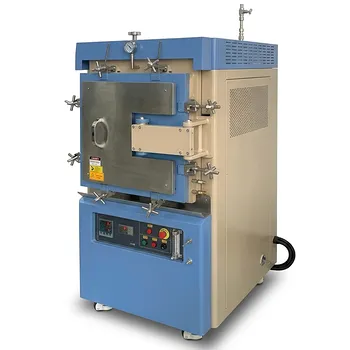
Atmosphere Controlled Muffle Furnace 1700C Maximum Temperature 80L High Capacity Vacuum Inert Gas Box Furnace
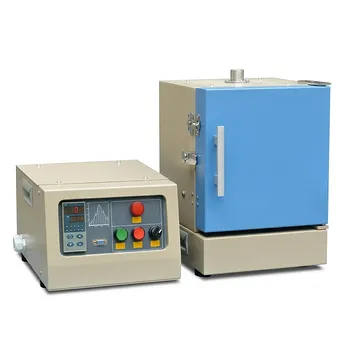
1200C Small Box Muffle Furnace with Separated Programmable Controller and 4.2L Alumina Fiber Chamber
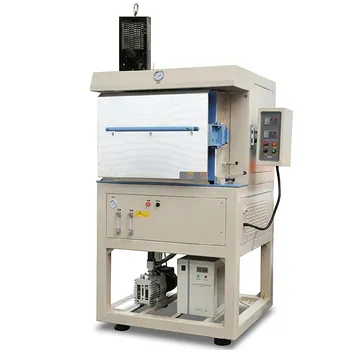
1200C Hydrogen Atmosphere Box Furnace with 5 Heated Sides and 64L Chamber
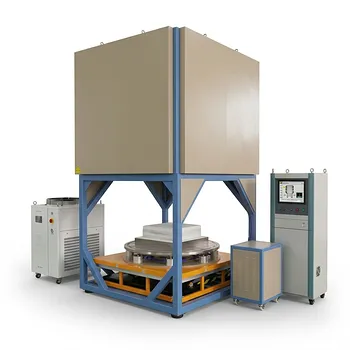
Bottom Loaded Inert Gas Atmosphere Box Furnace 1700C 1300C 216L Large Capacity Industrial Thermal Processing System
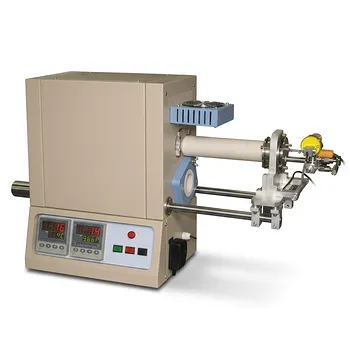
High Temperature Tube Furnace 1500C with Sliding Flanges and 50mm OD for Rapid Thermal Processing Fast Heating and Cooling
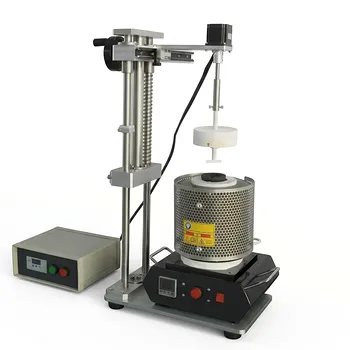
1100C Crucible Melting Furnace with Stirring Function for Glovebox and Air Sensitive Alloy Research

High Temperature 1700C Tube Furnace with High Vacuum Turbomolecular Pump System and Multi Channel Mass Flow Controller Gas Mixer