What technical role do high-purity alumina crucible boats play in zone melting? Ensure Max Purity & Thermal Stability.
Updated 3 months ago
High-purity alumina crucible boats act as chemically inert, thermally stable containment vessels that facilitate the precise purification of materials through the zone melting process. Their primary role is to provide a stable environment where a moving molten zone can effectively sweep impurities to one end of a sample without the vessel itself contaminating the melt.
High-purity alumina is the gold standard for zone melting because it combines extreme temperature resistance with chemical "laziness," ensuring that the container never becomes a source of new impurities. Its elongated boat geometry is specifically designed to support the directional solidification required to isolate and remove contaminants.
The Foundation of Chemical Inertness
Preventing Sample Contamination
In zone melting, the goal is extreme purity, making the chemical inertness of the container critical. High-purity alumina (Al2O3) prevents the leaching of crucible material into the melt, which ensures that the final sample maintains its target stoichiometric consistency.
Resistance to Aggressive Media
These crucibles are specifically valued for their ability to withstand aggressive molten salts, such as chlorides, and corrosive oxides. They resist chemical erosion even at temperatures exceeding 1700°C, ensuring that the interface between the sample and the boat remains non-reactive throughout the experiment.
Maintaining Lattice Integrity
By preventing the infiltration of foreign elements, alumina boats help avoid lattice distortions or performance deviations in the processed material. This is essential for synthesizing advanced materials like perovskites or high-purity alloys where even trace impurities can alter physical properties.
Thermal Integrity in High-Gradient Environments
Structural Stability at High Temperatures
Zone melting requires localized heating, creating significant thermal gradients along the length of the boat. High-purity alumina maintains its structural strength and refractory properties at temperatures ranging from 1100°C to over 1700°C, preventing the boat from sagging or deforming.
Thermal Shock Resistance
The process involves a moving "hot zone," which subjects the material to repeated heating and cooling cycles. Alumina's superior thermal shock resistance allows the boat to endure these temperature fluctuations without cracking, protecting the integrity of the sample.
Precise Temperature Control
The material properties of alumina provide a stable physical boundary that allows for precise control over the thermal environment. This stability is necessary to maintain a consistent molten zone size, which is a key variable in the efficiency of the purification process.
Geometric Control of the Purification Front
Elongated Design for Impurity Transport
The "boat" geometry—characterized by its long, narrow shape—is designed to facilitate the directional movement of the molten zone. This elongated path is essential for establishing a clear crystallization front, which pushes impurities toward the end of the sample as the heater progresses.
Accommodating Sample Volume
The design of these boats often features specific wall thicknesses and internal diameters to accommodate sufficient sample volumes. This ensures there is enough material for downstream analysis, such as neutron transmission measurements, while maintaining the narrow profile required for zone refining.
Volatile Component Retention
Many alumina boats can be equipped with lids to minimize the loss of volatile components. This is vital when working with complex glasses or alloys where the evaporation of a single element would ruin the chemical precision of the experiment.
Understanding the Trade-offs
Material Limitations
While alumina is highly versatile, it is not universally compatible with all melts. Some highly alkaline slags or specific metallic alloys may still react with alumina over extended periods at extreme temperatures.
Brittleness and Handling
High-purity alumina is a ceramic, meaning it is inherently brittle. While it resists thermal shock better than many materials, it is susceptible to mechanical failure if handled roughly or if the sample expansion during solidification exerts too much internal pressure.
Porosity Concerns
If the alumina is not of a sufficiently high density (low porosity), molten salts can sometimes infiltrate the walls of the crucible. This can lead to "pinning" of the sample to the boat, making it difficult to remove the purified ingot without breaking the vessel.
How to Apply This to Your Project
Selecting the Right Vessel for Your Goal
To maximize the success of your zone melting experiment, choose your crucible boat based on the specific requirements of your material.
- If your primary focus is extreme purity (99.999%+): Use the highest grade (99.9%) alumina to ensure zero leaching of trace elements into the molten zone.
- If your primary focus is high-temperature stability (above 1600°C): Prioritize boats with thick walls and high-density sintering to maintain structural integrity during long duration melts.
- If your primary focus is volatile element retention: Select a boat system that includes a matching precision-fit lid to prevent the loss of vaporized components.
- If your primary focus is directional solidification efficiency: Choose a longer, narrower boat geometry to maximize the number of "passes" the molten zone can make across the sample.
By matching the chemical and geometric properties of high-purity alumina to your specific melt chemistry, you ensure the vessel remains a silent partner in the purification process rather than a source of experimental error.
Summary Table:
| Feature | Technical Role | Key Benefit |
|---|---|---|
| Chemical Inertness | Prevents material leaching into the melt | Ensures ultra-high sample purity (99.999%+) |
| Thermal Stability | Maintains structure up to 1700°C+ | Prevents boat sagging or deformation |
| Shock Resistance | Withstands moving thermal gradients | Prevents cracking during repeated heating cycles |
| Elongated Geometry | Facilitates directional solidification | Enables efficient transport of impurities |
Elevate Your R&D with THERMUNITS High-Temperature Solutions
Precision in zone melting and material synthesis requires more than just high-quality crucibles—it demands the world-class thermal control provided by THERMUNITS. As a leading manufacturer of high-temperature laboratory equipment, we empower material scientists and industrial researchers with a comprehensive range of thermal processing solutions.
Our portfolio includes advanced Muffle, Vacuum, Atmosphere, Tube, and Rotary Furnaces, as well as specialized CVD/PECVD systems, Hot Press furnaces, Dental furnaces, and Vacuum Induction Melting (VIM) units. Whether you are refining high-purity alloys or synthesizing advanced ceramics, our equipment provides the stability and precision necessary for flawless results.
Ready to enhance your lab's efficiency and achieve superior heat treatment performance?
Contact our experts at THERMUNITS today to find the perfect solution!
References
- Alex Scrimshire, Paul A. Bingham. Benchtop Zone Refinement of Simulated Future Spent Nuclear Fuel Pyroprocessing Waste. DOI: 10.3390/ma17081781
Mentioned Products
- 1100C Crucible Melting Furnace with Stirring Function for Glovebox and Air Sensitive Alloy Research
- Automatic 10 Crucible Induction Melting and Casting System with Stirring Function and Glovebox Integration 2000C
- High Temperature Induction Melting System with Integrated Ultra High Purity Glove Box for Metallic Alloy Processing
- Three Zone Alumina Tube Furnace with Vacuum Flanges High Temperature 1700C Thermal Gradient CVD System
- Compact Crucible Melting Furnace 1100C Programmable Temperature Controller Metal Sintering Equipment
People Also Ask
- Why are internal getters such as Titanium used during the synthesis of oxygen-sensitive materials in a melting furnace?
- How should the choice between a Quartz crucible and an Alumina crucible be made for La2O2S? Optimize Material Purity
- What technical capabilities must a high-temperature furnace possess for 1100°C HEA annealing? Precision & Stability.
- Why use ceramic crucibles for coal nano-hybrid heat treatment? Ensure Purity and Thermal Stability.
- Alumina Plates in Polymer Carbonization: Ensure Flatness and Suppress Shrinkage

Tech Team · ThermUnits
Last updated on Jun 03, 2026
Related Products
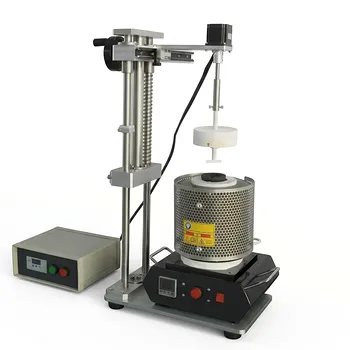
1100C Crucible Melting Furnace with Stirring Function for Glovebox and Air Sensitive Alloy Research
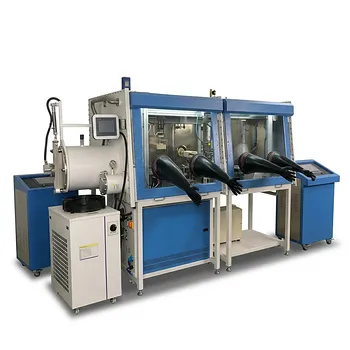
Automatic 10 Crucible Induction Melting and Casting System with Stirring Function and Glovebox Integration 2000C
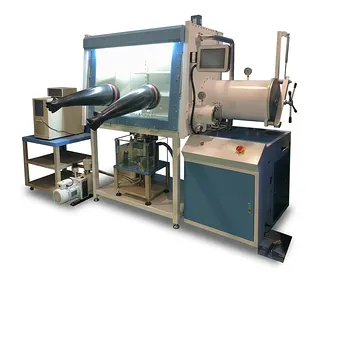
High Temperature Induction Melting System with Integrated Ultra High Purity Glove Box for Metallic Alloy Processing
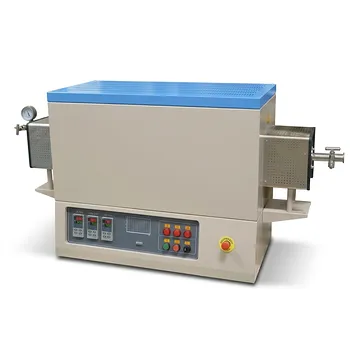
Three Zone Alumina Tube Furnace with Vacuum Flanges High Temperature 1700C Thermal Gradient CVD System
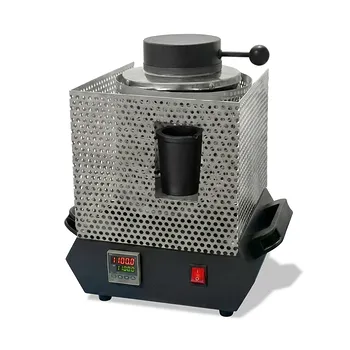
Compact Crucible Melting Furnace 1100C Programmable Temperature Controller Metal Sintering Equipment
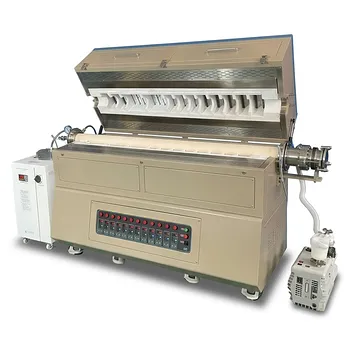
Twelve Zone 1700°C Multi Zone Split Tube Furnace with 100mm Alumina Processing Tube and Independent Temperature Gradient Control
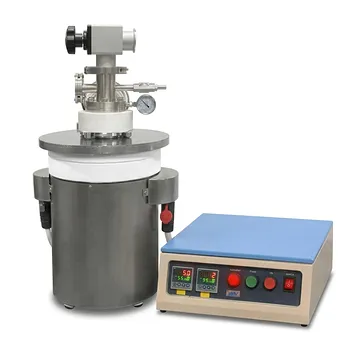
1100C High Temperature Vacuum Crucible Furnace with Quartz Chamber for Thermal Processing and Sintering
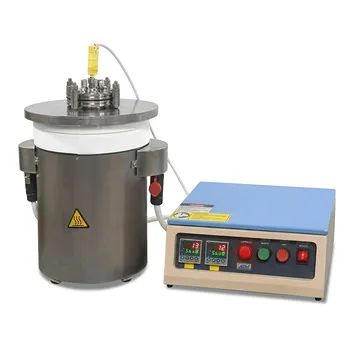
600°C Vertical Crucible Furnace with SS316 Alloy Reactor and 6 Port Vacuum Flange
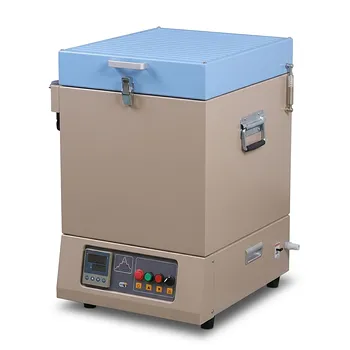
High Temperature Vertical Crucible Furnace with 22L Heating Chamber and 1200C Maximum Temperature
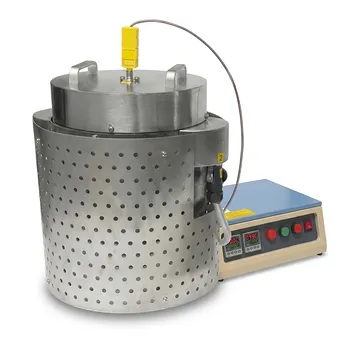
Vertical Crucible Furnace 1000C High Temperature Laboratory Equipment 4.7 Inch Diameter Chamber SS316 Anti Corrosive Enclosure
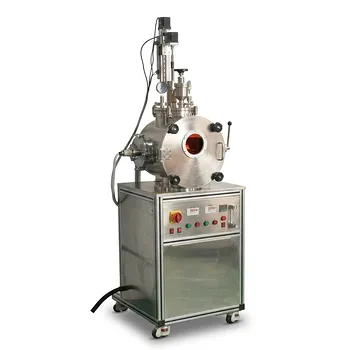
High Vacuum Melting Casting Furnace with Mechanical Stirring and Secondary Charge for Metallic Alloy Research
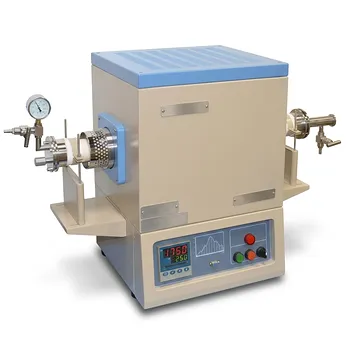
High Temperature Compact Vacuum Tube Furnace 1750C Max 60mm OD Alumina Tube