Why are alumina ceramic boats preferred for carrying samples during high-temperature pyrolysis? Ensure Lab Purity
Updated 3 months ago
Alumina ceramic boats are the industry standard for high-temperature pyrolysis. They are primarily chosen for their extreme refractoriness and exceptional chemical inertness, which prevent the vessel from reacting with samples or introducing impurities at temperatures often exceeding 1000°C. Their unique design further ensures that reaction byproducts are efficiently removed, maintaining the necessary chemical equilibrium for successful carbonization.
Alumina ceramic boats provide a stable, non-reactive environment that preserves sample purity and promotes efficient gas exchange during intense thermal processing. They are essential for researchers who require precise material yields without contamination from the container itself.
Exceptional Thermal and Mechanical Stability
Resistance to Extreme Temperatures
Alumina (Al2O3) possesses a high melting point and excellent refractoriness, allowing it to remain structurally sound at temperatures reaching 1100°C and beyond. Unlike metal containers, these ceramic boats do not soften or lose their shape during prolonged exposure to intense heat.
Thermal Shock and Structural Integrity
High-purity alumina is designed to withstand significant thermal stress without deforming or cracking. This durability ensures the safety of the experimental samples and allows the boat to be used repeatedly across multiple high-temperature cycles.
Uniform Heat Distribution
The material properties of alumina facilitate uniform heat transfer to the sample contained within. This consistency is vital for pyrolysis, as it ensures the entire precursor mixture undergoes the same thermal transformation simultaneously.
Chemical Inertness and Sample Purity
Prevention of Secondary Contamination
Alumina is chemically dormant, meaning it does not react with a wide variety of substances, including biomass, sulfides, or metal-organic framework (MOF) precursors. This inertness prevents the introduction of unwanted elements into the final product, such as biochar or titanium dioxide.
Maintaining Phase Integrity
Because the boat does not interact with the sample, it does not interfere with critical internal processes like phase transitions or the concentration of oxygen vacancies. This leads to more accurate experimental data and higher-quality derived materials.
Ease of Material Recovery
High-purity alumina prevents adhesion between the sample and the container walls. This characteristic allows researchers to achieve a complete recovery of the material after the heat treatment process, ensuring that weighing and collection are both precise and efficient.
Optimized Design for Reaction Efficiency
Facilitating Gas Exchange
The open structure and shallow trough design of alumina boats allow small gas molecules generated during pyrolysis to be efficiently removed by the carrier gas. This rapid removal of byproducts helps maintain reaction equilibrium, pushing the chemical process toward completion.
Enhancing Gas Penetration
A shallow design allows for the spreading of a thin layer of powder, which maximizes the surface area exposed to the furnace atmosphere. In environments involving hydrogen reduction, this ensures that the gas can penetrate the sample layer uniformly and thoroughly.
Understanding the Trade-offs
Thermal Shock Sensitivity
While alumina is highly resistant to heat, it can be sensitive to rapid temperature fluctuations. Cooling or heating the boat too quickly can lead to micro-fractures, so controlled ramp rates are often required to extend the life of the vessel.
Material Compatibility Limits
Although alumina is inert to most substances, it can be vulnerable to certain highly alkaline fluxes or specific acidic environments at extreme temperatures. Researchers must verify that their specific sample chemistry will not attack the alumina matrix during the reaction.
Cost and Fragility
High-purity alumina boats are more expensive than standard ceramic or glass alternatives and are brittle by nature. They require careful handling to avoid physical breakage, as they lack the impact resistance of metallic containers.
How to Apply This to Your Project
Recommendations for Vessel Selection
When selecting a boat for your high-temperature application, consider the specific needs of your sample and furnace environment.
- If your primary focus is maximum chemical purity: Use high-purity (99%+) alumina boats to ensure no trace elements interfere with your sample's phase transition or chemical composition.
- If your primary focus is gas-solid interaction: Opt for a shallow trough design to allow for thin sample layers and maximum exposure to the carrier gas.
- If your primary focus is material recovery: Choose alumina for its non-stick properties to ensure the sample can be easily and completely removed after pyrolysis.
By matching the specific grade and shape of the alumina boat to your experimental goals, you ensure both the integrity of your samples and the accuracy of your results.
Summary Table:
| Key Feature | Core Benefit | Pyrolysis Advantage |
|---|---|---|
| Extreme Refractoriness | Stable at 1100°C+ | Prevents vessel deformation or softening during intense heat. |
| Chemical Inertness | Zero sample reaction | Eliminates secondary contamination; preserves sample phase integrity. |
| Uniform Heat Transfer | Consistent thermal profile | Ensures simultaneous and complete transformation of all precursors. |
| Shallow Design | Superior gas exchange | Facilitates rapid byproduct removal and uniform carrier gas penetration. |
| Low Adhesion | High material recovery | Simplifies post-process collection and ensures precise final yield data. |
Elevate Your R&D Precision with THERMUNITS Thermal Solutions
In high-temperature research, the quality of your output is only as good as the environment it's processed in. THERMUNITS is a leading manufacturer dedicated to providing material scientists and industrial researchers with robust, high-performance thermal equipment that guarantees repeatable and pure results.
Our Comprehensive Thermal Processing Range Includes:
- Furnaces: Muffle, Vacuum, Atmosphere, Tube, Rotary, and Vacuum Induction Melting (VIM).
- Advanced Systems: CVD/PECVD, Hot Press, and Dental Furnaces.
- Specialized Equipment: Electric rotary kilns and high-purity thermal elements.
Whether you are scaling up industrial carbonization or performing delicate phase transition studies, our equipment offers the precision control and durability you need.
Maximize your laboratory efficiency and sample integrity today.
Contact THERMUNITS to Discuss Your Project
References
- B.X. Wang, Yanwei Lum. Nanocurvature-induced field effects enable control over the activity of single-atom electrocatalysts. DOI: 10.1038/s41467-024-46175-1
Mentioned Products
- High Temperature 1700C 4 Channel Tube Furnace 1 Inch Alumina Tube for Hi-Throughput Annealing
- Vertical Hybrid High Temperature Furnace 1500C Alumina Tube SOFC Fuel Cell Testing Laboratory Heat Treatment Research Equipment
- High Temperature Vertical Hybrid Furnace with Alumina Tube and SiC Heating for SOFC Coin Cell Testing and Atmosphere Processing
- Compact High Temperature 1600C Tube Furnace with 50mm Alumina Tube and Vacuum Flanges for Material Sintering
- High Temperature 1700C Tube Furnace with 4 Inch OD Alumina Tube and Vacuum Sealing Flanges
People Also Ask
- Why use a tube furnace for oxygen annealing LaCrO3/LaMnO3? Optimize Phase Transition & Magnetic Performance.
- What key role does a laboratory high-temperature tube furnace play in the production of carbon nanofibers? Guide
- How is a laboratory high-temperature tube furnace utilized to research the products of aluminothermic reduction? Advanced Metallurgical Solutions
- What critical conditions does an industrial high-temperature tube furnace provide for annealing (GaAl)2O3 thin films?
- What role does a high-temperature tube furnace play in the annealing modification of Miscanthus Biochar fillers? Boost graphitization.

Tech Team · ThermUnits
Last updated on Jun 03, 2026
Related Products
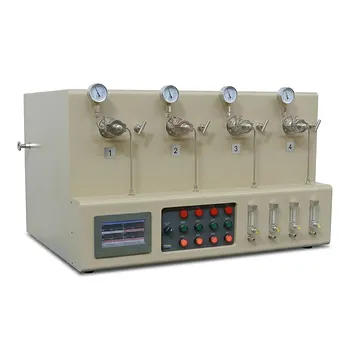
High Temperature 1700C 4 Channel Tube Furnace 1 Inch Alumina Tube for Hi-Throughput Annealing
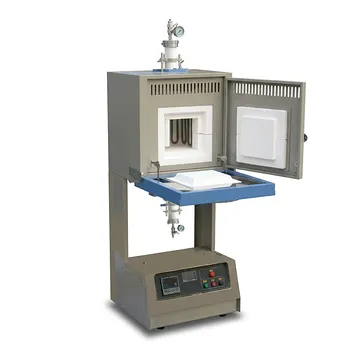
Vertical Hybrid High Temperature Furnace 1500C Alumina Tube SOFC Fuel Cell Testing Laboratory Heat Treatment Research Equipment
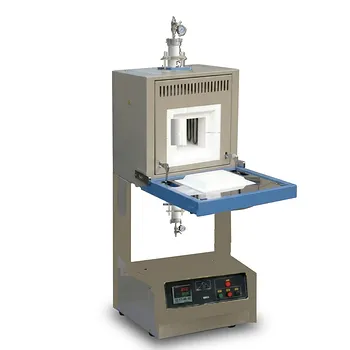
High Temperature Vertical Hybrid Furnace with Alumina Tube and SiC Heating for SOFC Coin Cell Testing and Atmosphere Processing

Compact High Temperature 1600C Tube Furnace with 50mm Alumina Tube and Vacuum Flanges for Material Sintering
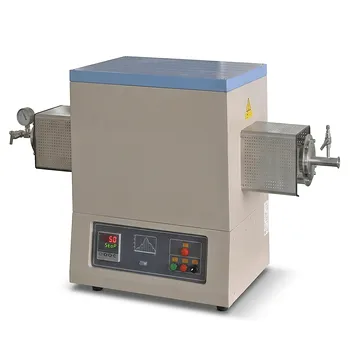
High Temperature 1700C Tube Furnace with 4 Inch OD Alumina Tube and Vacuum Sealing Flanges
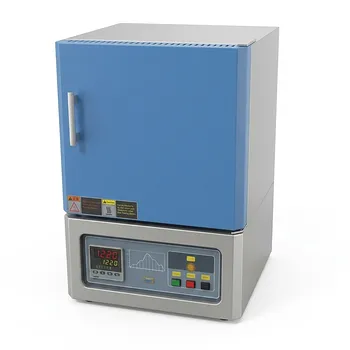
High Temperature Benchtop Muffle Furnace 1700C 10L Chamber Alumina Fiber Insulation MoSi2 Heating Elements
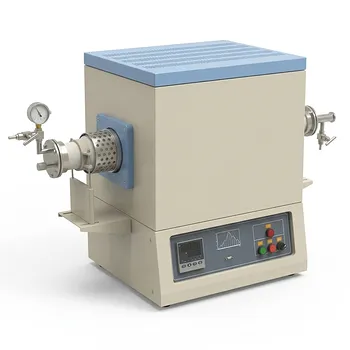
1750°C High Temperature Benchtop Vacuum Atmosphere Tube Furnace with Kanthal Super 1800 Heating Elements and 60mm Alumina Processing Tube

1800C High Temperature Compact Vacuum Tube Furnace with 60mm OD Alumina Tube and Kanthal MoSi2 Heating Elements
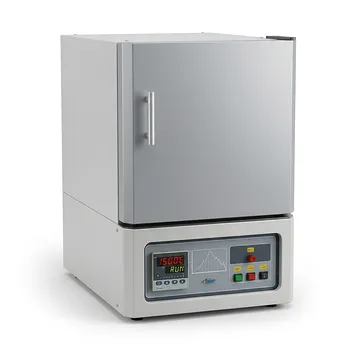
High Temperature 1500C Benchtop Muffle Furnace 3.6L Alumina Fiber Chamber Programmable Controller Sintering Annealing Carbonization Thermal Processing System
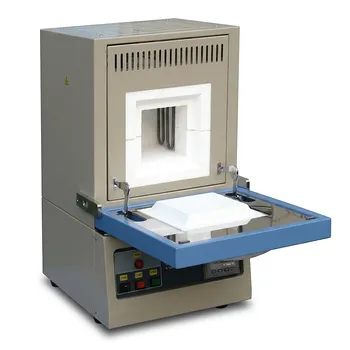
High Temperature 1800C Compact Muffle Furnace with Kanthal Super 1900 Heating Elements and 1.7L Alumina Chamber
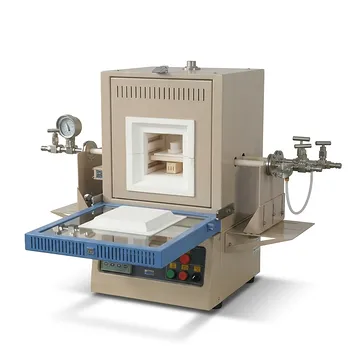
1700C Compact Hybrid Furnace with Dual Layer Box Sintering and Controlled Atmosphere Alumina Tubes
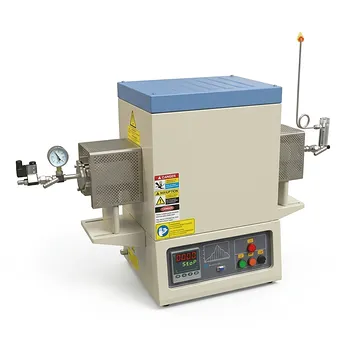
1700C Hydrogen Gas Tube Furnace with 60mm Alumina Process Tube and Integrated Hydrogen Safety Detector
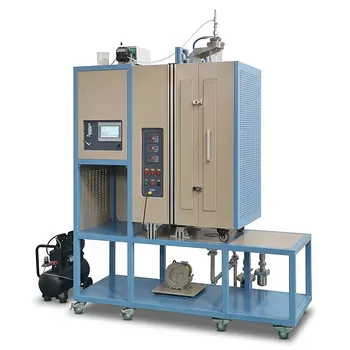
1500C Three Zone Vertical Pyrolysis Furnace for Nanoparticle Synthesis and Advanced Oxide Coating
1800C Bench Top Muffle Furnace with Kanthal Super 1900 Heating Elements and 3.6L Alumina Fiber Chamber

Vertical 1700C Vacuum and Atmosphere Tube Furnace with 80mm Alumina Tube
1750C Compact Muffle Furnace 1.7L Ultra High Temperature Laboratory Sintering System for Advanced Ceramics and Material Science Research