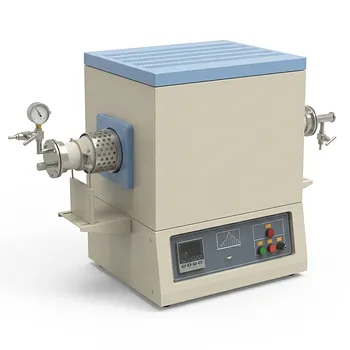
Why Pre-Anneal Substrates for YBCO? Guide to Achieving Atomically Flat Templates with Tube Furnaces
Updated 6 months ago
Pre-annealing lanthanum aluminate or strontium titanate substrates is a prerequisite for achieving high-quality YBCO thin films because it transforms a chaotic, mechanically damaged surface into an atomically flat template. This process, conducted at temperatures between 900°C and 1000°C in a controlled oxygen environment, induces surface reconstruction and eliminates residual scratches from the polishing process. By creating highly organized "step-and-terrace" structures, the furnace treatment ensures that the subsequent YBCO layer nucleates uniformly and maintains the crystalline perfection necessary for superconductivity.
Core Takeaway: Pre-annealing serves as a thermal "reset" for the substrate, replacing mechanical defects with an ordered atomic terrace structure. This optimized morphology is essential for mitigating lattice mismatch and promoting the heteroepitaxial growth required for high-performance superconducting films.
The Science of Surface Optimization
The primary goal of pre-annealing is to move beyond the limitations of mechanical polishing to reach a state of thermodynamic equilibrium on the substrate surface.
Inducing Atomically Flat Step Structures
At temperatures near 1000°C, surface atoms gain enough thermal energy to rearrange themselves into their most stable configuration. This results in the formation of atomically flat terraces separated by steps that are exactly one unit cell high.
These terraces act as a structural map for the incoming YBCO atoms. Without this order, the film would grow in a disjointed, "island-like" manner, leading to high concentrations of defects.
Eliminating Mechanical Damage and Scratches
Substrates like strontium titanate (SrTiO3) and lanthanum aluminate (LaAlO3) undergo rigorous cutting and polishing before they reach the lab. These processes leave behind micro-scratches and residual mechanical stresses that can disrupt the delicate epitaxial growth of YBCO.
High-temperature annealing effectively "heals" these surface disruptions. The thermal energy allows the material to relax, eliminating the physical artifacts of manufacturing and providing a pristine starting point for deposition.
Managing the Interface for Better Performance
The success of a superconducting film depends entirely on the quality of the interface between the substrate and the deposited material.
Mitigating Lattice Mismatch
Lattice mismatch occurs when the natural crystal spacing of the substrate doesn't perfectly align with the YBCO material. This mismatch creates strain, which can lead to dislocations and reduced critical current density in the superconductor.
An annealed surface with optimized morphology reduces the impact of this mismatch. By providing a clear, repetitive template, the substrate encourages the YBCO atoms to align more easily with the underlying crystal structure.
Promoting Uniform Nucleation
For a YBCO film to function effectively, it must be a continuous, highly oriented crystal. If nucleation is random or uneven, the film will consist of many small grains with misaligned boundaries.
The step structures formed during pre-annealing provide specific high-energy sites that guide the nucleation process. This results in a more uniform growth front, ensuring the film remains single-crystalline across its entire surface.
Understanding the Trade-offs
While pre-annealing is essential for high-end applications, it introduces specific challenges that researchers must manage.
- Contamination Risks: Using a tube furnace requires extreme cleanliness; any residual metallic or organic impurities in the tube can be driven into the substrate surface at 1000°C, potentially poisoning the YBCO film.
- Precise Atmosphere Control: The process must occur under flowing oxygen to maintain the correct stoichiometry of the substrate; an improper atmosphere can lead to oxygen vacancies that alter the substrate's electrical or structural properties.
- Time and Resource Intensive: Proper annealing can take several hours plus cooling time, adding a significant step to the fabrication pipeline that may not be necessary for low-performance, non-epitaxial applications.
How to Apply This to Your Project
The necessity of pre-annealing depends on the final requirements of your superconducting thin film and the specific substrate in use.
- If your primary focus is high critical current density (Jc): You must pre-anneal to create the atomically flat terraces required for a defect-free, highly aligned YBCO lattice.
- If your primary focus is rapid prototyping or low-precision testing: You may be able to skip pre-annealing if the lattice mismatch is low and the electronic performance of the interface is not a critical factor.
- If your primary focus is minimizing substrate cost: Consider that cheaper, non-annealed substrates may lead to higher failure rates or lower yields in the subsequent YBCO deposition process.
A high-temperature tube furnace is the indispensable tool that bridges the gap between a raw ceramic slice and a precision engineered template for superconductivity.
Summary Table:
| Key Aspect | Pre-Annealing Details | Benefit for YBCO Deposition |
|---|---|---|
| Temperature | 900°C – 1000°C | Enables surface atom rearrangement |
| Atmosphere | Flowing Oxygen ($O_2$) | Maintains chemical stoichiometry |
| Surface Morphology | Step-and-terrace structure | Ensures uniform epitaxial growth |
| Defect Removal | Healing micro-scratches | Minimizes lattice mismatch and strain |
| Nucleation | High-energy step sites | Prevents disjointed "island-like" growth |
Elevate Your Material Research with Precision Thermal Solutions
Achieving atomically flat substrate templates requires uncompromising temperature uniformity and atmosphere control. THERMUNITS is a leading manufacturer of high-performance thermal processing equipment designed specifically for material science and industrial R&D.
Our advanced Tube Furnaces and Atmosphere Furnaces provide the precise environment needed for critical pre-annealing processes, ensuring your YBCO thin films achieve maximum crystallinity and performance. Beyond annealing, we offer a comprehensive range of solutions including Muffle, Vacuum, Rotary, and Hot Press furnaces, as well as CVD/PECVD systems and vacuum induction melting furnaces (VIM).
Ready to optimize your heat treatment workflow? Contact THERMUNITS today to explore how our specialized laboratory equipment can enhance your lab's efficiency and research outcomes.
References
- Akhilesh Kumar Gupta, Dushyant Singh. Optimizing Deposition Techniques and Parameters For HIGH TC ybco thin films. DOI: 10.29070/68chhr60
Mentioned Products
- High Temperature 1500C Four Channel Tube Furnace with Alumina Tubes for High Throughput Annealing and Phase Diagram Research
- High Temperature 1700C 4 Channel Tube Furnace 1 Inch Alumina Tube for Hi-Throughput Annealing
- 1200C High Temperature 5 Inch Sliding Tube Furnace for Rapid Thermal Processing RTP and Wafer Annealing
- High Temperature 1800C Atmosphere Tube Furnace for CVD Research and Vacuum Sintering Precision Heat Treatment
- 1200C High Throughput Multi Channel Tube Furnace with 50mm Quartz Tubes for Annealing and Material Phase Diagram Research
People Also Ask
- What critical conditions does an industrial high-temperature tube furnace provide for annealing (GaAl)2O3 thin films?
- Why is a high-temperature tube furnace used for the annealing treatment of HEA NPs? Optimize Stability & Integrity
- Why is post-annealing in a high-temperature tube furnace required for LLTaO? Unlock High Perovskite Phase Purity
- How does an industrial-grade high-temperature tube furnace contribute to the annealing of Laponite clay membranes? Key Roles
- Why is a high-temperature annealing step essential for converting pyrolysis products into γ-US2? Phase Purity Guide

Tech Team · ThermUnits
Last updated on Apr 14, 2026
Related Products
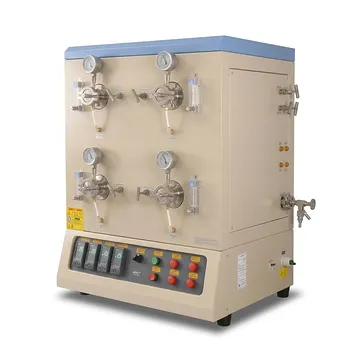
High Temperature 1500C Four Channel Tube Furnace with Alumina Tubes for High Throughput Annealing and Phase Diagram Research
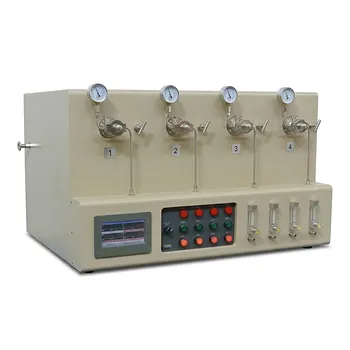
High Temperature 1700C 4 Channel Tube Furnace 1 Inch Alumina Tube for Hi-Throughput Annealing
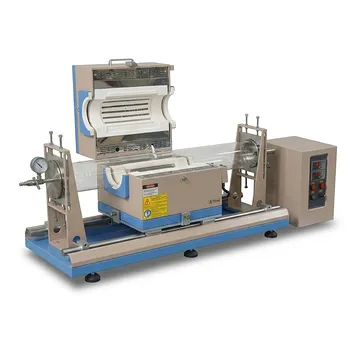
1200C High Temperature 5 Inch Sliding Tube Furnace for Rapid Thermal Processing RTP and Wafer Annealing
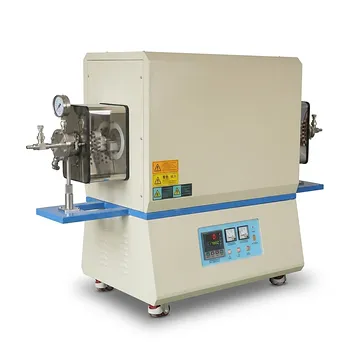
High Temperature 1800C Atmosphere Tube Furnace for CVD Research and Vacuum Sintering Precision Heat Treatment
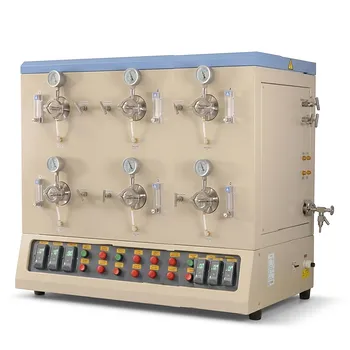
1200C High Throughput Multi Channel Tube Furnace with 50mm Quartz Tubes for Annealing and Material Phase Diagram Research
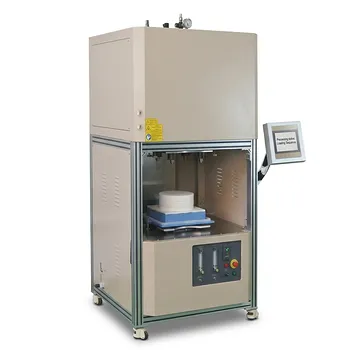
High Temperature Vertical Atmosphere Controlled Furnace with Automatic Bottom Loading and 1700°C Capacity for Advanced Material Research
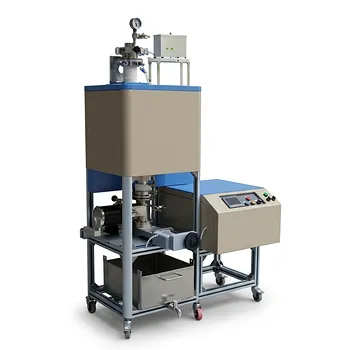
High Temperature 1700C Vertical Tube Furnace for Powder Spherification and Material Sintering
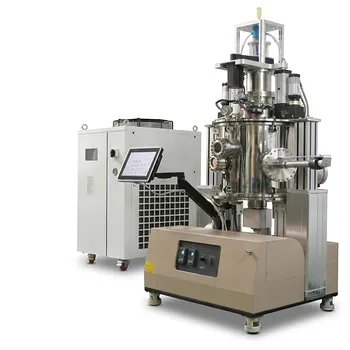
950C Rapid Thermal Processing Furnace for 12 Inch Wafer CSS Coating with Rotating Substrate Holder
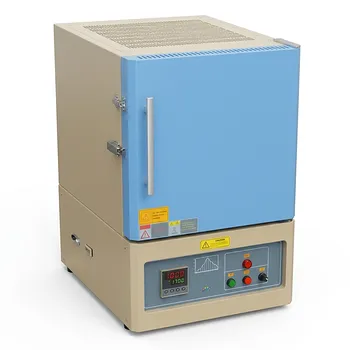
Large Bench Top 1700C High Temperature Muffle Furnace with 19L Chamber for Advanced Material Sintering and Annealing
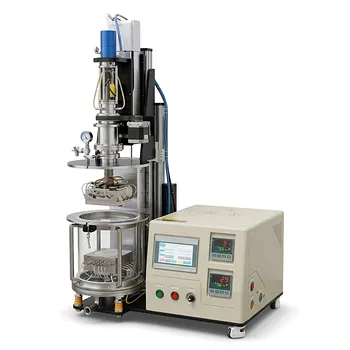
High Temperature 800C Rapid Thermal Processing Furnace with Rotating Sample Holder for Close Spaced Sublimation and Thin Film Solar Cell Research
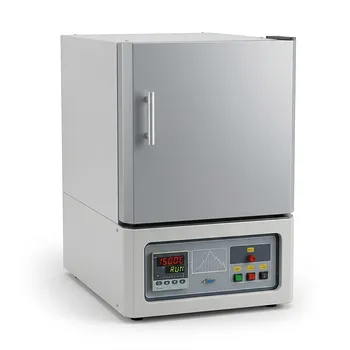
High Temperature 1500C Benchtop Muffle Furnace 3.6L Alumina Fiber Chamber Programmable Controller Sintering Annealing Carbonization Thermal Processing System
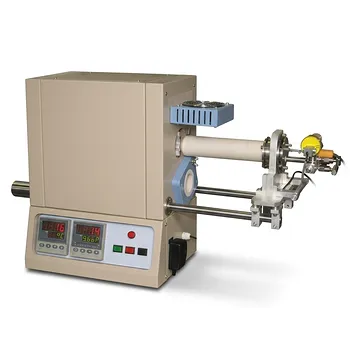
High Temperature Tube Furnace 1500C with Sliding Flanges and 50mm OD for Rapid Thermal Processing Fast Heating and Cooling
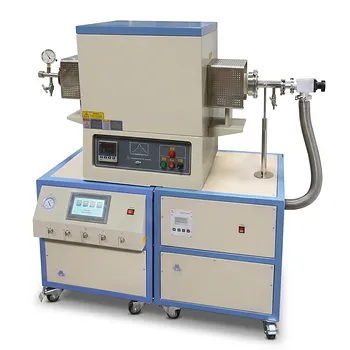
High Temperature 1700C Tube Furnace with High Vacuum Turbomolecular Pump System and Multi Channel Mass Flow Controller Gas Mixer
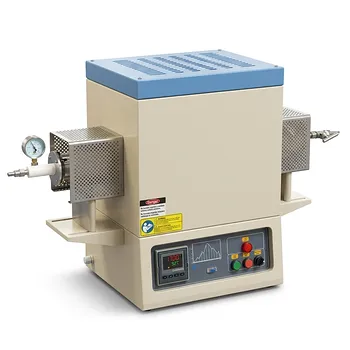
High Temperature Three Zone Tube Furnace 1700C with Alumina Tube and Water Cooled Flanges
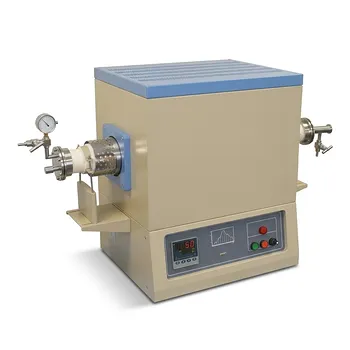
1700C High Temperature Alumina Tube Furnace with 18 Inch Heated Zone and Vacuum Sealing Flanges
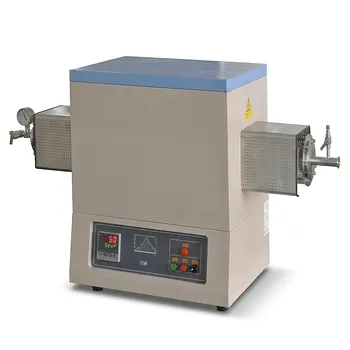
High Temperature 1700C Tube Furnace with 4 Inch OD Alumina Tube and Vacuum Sealing Flanges
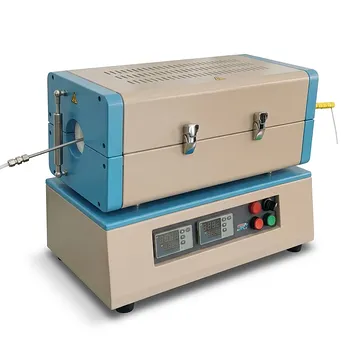
Gas Pre-Heating Tube Furnace for High Temperature Pyrolysis Reactors and Material Science Research
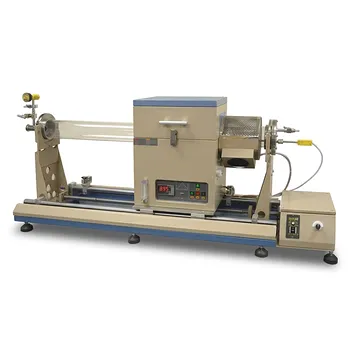
900 ºC Max Sliding RTP Tube Furnace with Rapid IR Heating and 4 Inch OD Quartz Tube
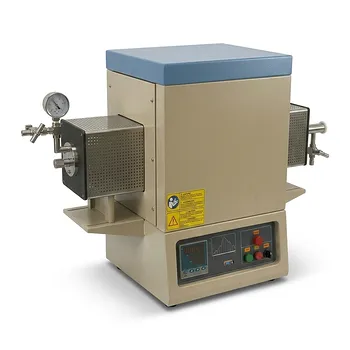
High Temperature 1700C Benchtop Tube Furnace with 5 Inch Heating Zone High Purity Alumina Tube and Vacuum Sealing Flanges