Why are high-purity alumina crucibles considered essential containers in the pack cementation chromizing process? Guide
Updated 3 months ago
High-purity alumina crucibles are the indispensable foundation of the pack cementation chromizing process. They provide the critical combination of thermal resilience and chemical inertness required to survive sustained temperatures of 1050°C. This ensures that the complex chemical reactions necessary for chromium diffusion occur in a pure, controlled environment without interference from the container itself.
High-purity alumina crucibles function as both a stable carrier and a protective physical barrier, isolating the sensitive pack chemistry from the furnace atmosphere. By preventing chemical cross-contamination and facilitating a stable micro-environment, they guarantee the integrity and purity of the resulting chromium diffusion layer.
Superior Thermal and Chemical Stability
Performance at Elevated Temperatures
The pack cementation process typically operates at temperatures reaching 1050°C. High-purity alumina possesses the refractoriness required to maintain its structural integrity during these long-term heat treatments without softening or failing.
Resistance to Chemical Attack
The "pack" consists of a complex mixture of metallic chromium powder, halide activators, and inert fillers. Alumina is chosen because it is chemically inert and does not react with these aggressive halide vapors or the metallic powders, ensuring the chemistry of the pack remains stable.
Management of the Reaction Micro-environment
Facilitating Gas-Phase Transport
Chromizing relies on gas-phase transport, where chromium halides move from the pack to the substrate surface. The alumina crucible acts as a localized chamber that keeps these essential gases concentrated around the workpiece rather than allowing them to dissipate.
Prevention of External Contamination
The crucible serves as a physical barrier between the reaction atmosphere and the external furnace environment. This isolation prevents furnace gases or external impurities from entering the system and compromising the chemical composition of the doped layer.
Ensuring Material Purity and Accuracy
Eliminating Impurity Migration
In high-precision applications, even trace elements leaching from a container can ruin a sample. Using high-purity alumina ensures that no unwanted metal ions or silica-based impurities migrate into the diffusion layer, preserving the intended properties of the alloy.
Stability for Precise Measurement
Because alumina does not exhibit significant mass fluctuations or oxidation at these temperatures, it ensures the reliability of the process. This stability is vital for researchers who must accurately measure mass gain or phase purity following the thermal treatment.
Understanding the Trade-offs
While high-purity alumina is the industry standard, it is not without its limitations. Its brittleness means it is susceptible to failure if subjected to extreme thermal shock; heating and cooling cycles must be managed carefully to prevent cracking.
Furthermore, the "high-purity" designation (typically >99%) is essential. Lower-grade alumina or ceramic crucibles often contain binders or silica that can react with halide activators, leading to container degradation and contaminated specimens.
How to Apply This to Your Process
Making the Right Choice for Your Goal
To achieve the best results in pack cementation, consider your specific operational requirements:
- If your primary focus is maximum layer purity: Use crucibles with 99.7% or higher alumina content to eliminate the risk of impurity migration.
- If your primary focus is process repeatability: Ensure the crucible is tightly sealed with a high-temperature clay or lid to maintain the integrity of the gas-phase micro-environment.
- If your primary focus is crucible longevity: Implement slow ramp rates during heating and cooling to minimize internal stresses and prevent thermal shock fractures.
By prioritizing the chemical and thermal stability of your containment system, you ensure that the complex chemistry of chromium diffusion remains predictable, pure, and effective.
Summary Table:
| Feature | Essential Role in Chromizing | Key Advantage |
|---|---|---|
| Thermal Stability | Maintains integrity at 1050°C | Prevents container failure during heat cycles |
| Chemical Inertness | Resists halide activator attack | Ensures the pack chemistry remains stable |
| Micro-environment | Facilitates gas-phase transport | Concentrates chromium halides near substrate |
| High Purity (>99%) | Eliminates impurity migration | Protects diffusion layer from contamination |
Optimize Your Material Research with THERMUNITS Precision Equipment
At THERMUNITS, we specialize in providing high-performance thermal processing solutions designed for the rigorous demands of material science and industrial R&D. Our high-purity alumina crucibles, when paired with our advanced heat treatment systems, ensure the highest levels of purity and repeatability for your pack cementation processes.
Our Comprehensive Product Range Includes:
- Laboratory Furnaces: Muffle, Vacuum, Atmosphere, Tube, and Dental Furnaces.
- Advanced Systems: CVD/PECVD systems, Vacuum Induction Melting (VIM), and Hot Press Furnaces.
- Industrial Solutions: Electric rotary kilns and Rotary furnaces.
- Consumables: Premium Thermal Elements and high-refractory labware.
Whether you are refining chromium diffusion layers or developing new alloys, THERMUNITS brings world-class thermal engineering to your laboratory. Enhance your efficiency and results today—contact our technical team for a consultation!
References
- Michael Kerbstadt, Mathias C. Galetz. Novel Chromium–Silicon Slurry Coatings for Hot Corrosion Environments. DOI: 10.1007/s11085-024-10257-8
Mentioned Products
- Compact 1100C Muffle Furnace with Programmable Temperature Control and High Purity Alumina Insulation for Material Research
- 600°C Vertical Crucible Furnace with SS316 Alloy Reactor and 6 Port Vacuum Flange
- 1100C High Temperature Vacuum Crucible Furnace with Quartz Chamber for Thermal Processing and Sintering
- High Temperature Vertical Crucible Furnace with 22L Heating Chamber and 1200C Maximum Temperature
- Vertical Crucible Furnace 1000C High Temperature Laboratory Equipment 4.7 Inch Diameter Chamber SS316 Anti Corrosive Enclosure
People Also Ask
- Why is 1100°C in situ annealing required after LZO and DTO deposition? Achieve High-Quality Thin Film Synthesis
- What are the advantages of using high-purity alumina boats in 1100 °C carbonization? Ensure Purity and Stability.
- What technical capabilities must a high-temperature furnace possess for 1100°C HEA annealing? Precision & Stability.
- Why are high-purity alumina (Al2O3) substrates selected as carriers? Optimal Stability for Vanadium Oxide Reduction
- Why are high-purity alumina crucibles preferred as sample containers in high-temperature sintering experiments? Key Facts

Tech Team · ThermUnits
Last updated on Jun 02, 2026
Related Products
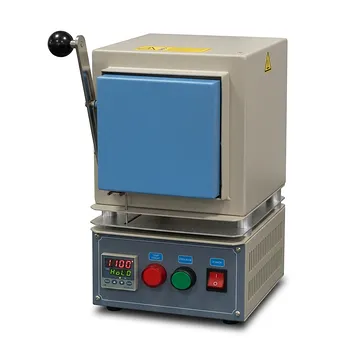
Compact 1100C Muffle Furnace with Programmable Temperature Control and High Purity Alumina Insulation for Material Research
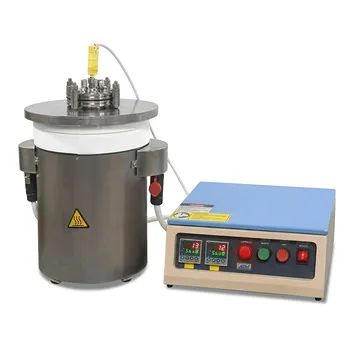
600°C Vertical Crucible Furnace with SS316 Alloy Reactor and 6 Port Vacuum Flange
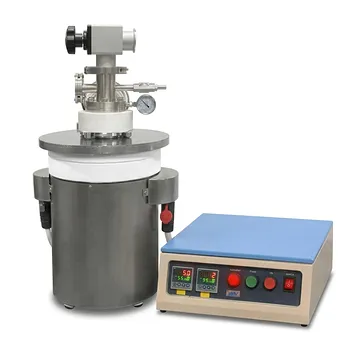
1100C High Temperature Vacuum Crucible Furnace with Quartz Chamber for Thermal Processing and Sintering
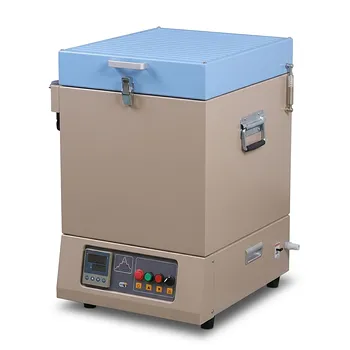
High Temperature Vertical Crucible Furnace with 22L Heating Chamber and 1200C Maximum Temperature
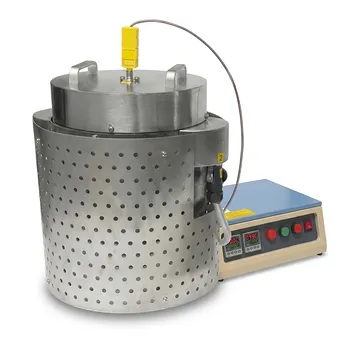
Vertical Crucible Furnace 1000C High Temperature Laboratory Equipment 4.7 Inch Diameter Chamber SS316 Anti Corrosive Enclosure
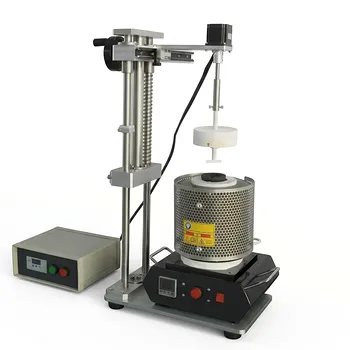
1100C Crucible Melting Furnace with Stirring Function for Glovebox and Air Sensitive Alloy Research
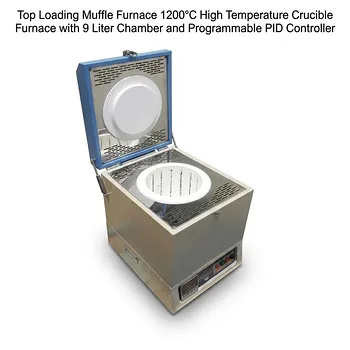
Top Loading Muffle Furnace 1200°C High Temperature Crucible Furnace with 9 Liter Chamber and Programmable PID Controller
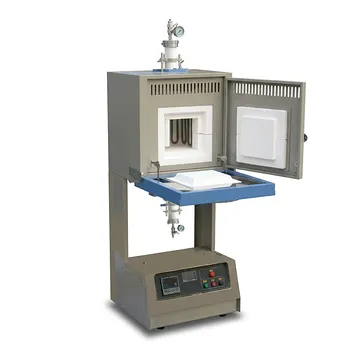
Vertical Hybrid High Temperature Furnace 1500C Alumina Tube SOFC Fuel Cell Testing Laboratory Heat Treatment Research Equipment
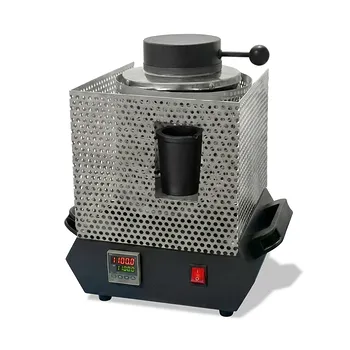
Compact Crucible Melting Furnace 1100C Programmable Temperature Controller Metal Sintering Equipment
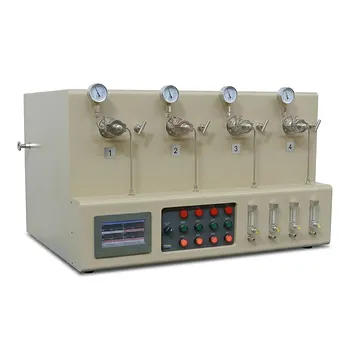
High Temperature 1700C 4 Channel Tube Furnace 1 Inch Alumina Tube for Hi-Throughput Annealing
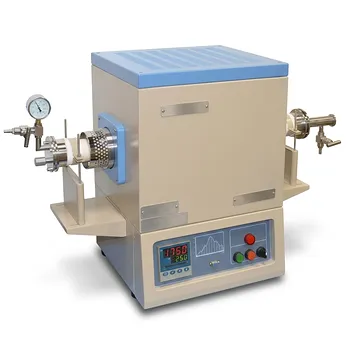
High Temperature Compact Vacuum Tube Furnace 1750C Max 60mm OD Alumina Tube
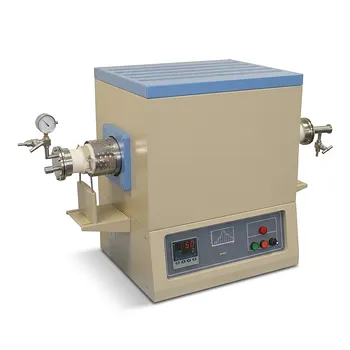
1700C High Temperature Alumina Tube Furnace with 18 Inch Heated Zone and Vacuum Sealing Flanges
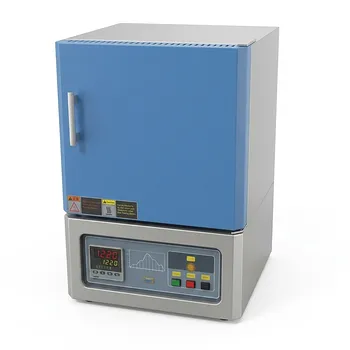
High Temperature Benchtop Muffle Furnace 1700C 10L Chamber Alumina Fiber Insulation MoSi2 Heating Elements

1800C High Temperature Compact Vacuum Tube Furnace with 60mm OD Alumina Tube and Kanthal MoSi2 Heating Elements
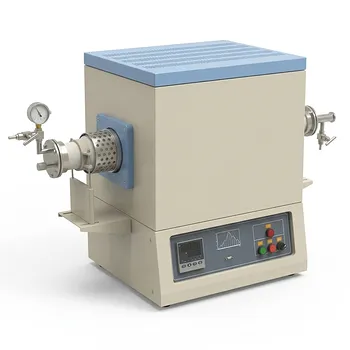
1750°C High Temperature Benchtop Vacuum Atmosphere Tube Furnace with Kanthal Super 1800 Heating Elements and 60mm Alumina Processing Tube
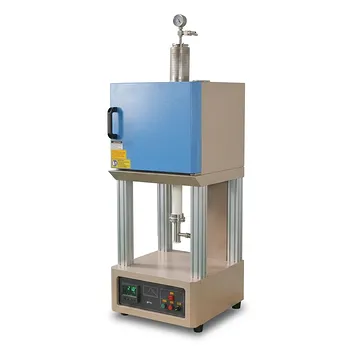
Hybrid High Temperature Tube and Box Furnace 1700C with 2 Inch Alumina Tube for Material Research
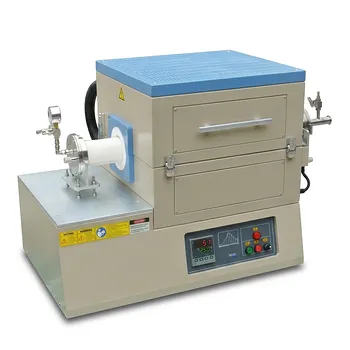
High Temperature 1700C Split Tube Furnace with Vacuum Flanges Valves and 60mm Alumina Tube
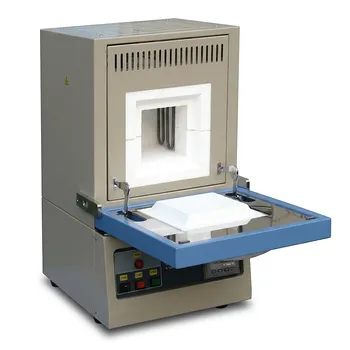
High Temperature 1800C Compact Muffle Furnace with Kanthal Super 1900 Heating Elements and 1.7L Alumina Chamber
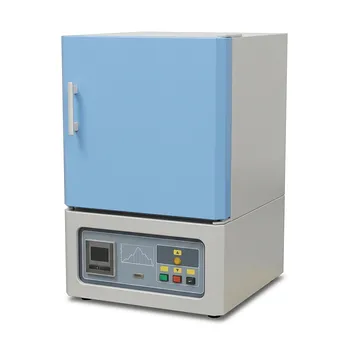
1800C Bench Top Muffle Furnace with Kanthal Super 1900 Heating Elements and 3.6L Alumina Fiber Chamber