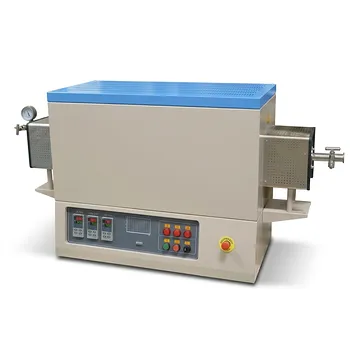
Why are high-purity alumina crucibles used in annealing after spray pyrolysis? Superior Purity & High-Temp Stability
Updated 3 months ago
The selection of high-purity alumina crucibles is driven by their superior chemical inertness and high-temperature stability. These properties ensure that during the critical annealing phase—often lasting several hours at 700 to 900 °C—the container does not react with the sample or introduce aluminum impurities. This preservation of chemical purity is essential for the optimization of crystal structures and cation ordering in advanced materials like lithium cobalt oxide.
High-purity alumina acts as a "neutral" vessel that maintains the chemical and structural integrity of a material during high-heat processing. By preventing the leaching of foreign ions and resisting chemical erosion, it ensures that the final product achieves its intended performance characteristics without contamination.
Chemical Stability at Elevated Temperatures
Prevention of Impurity Leaching
The primary advantage of high-purity alumina is its minimal impurity leaching rate. During prolonged heating, lower-grade containers might release aluminum or other metal ions into the sample, which can disrupt the delicate electrochemical balance of cathode materials or interfere with magnetic signals.
Resistance to Chemical Reactivity
Alumina remains chemically inert even when in direct contact with reactive powders like lithium cobalt oxide, molybdenum disulfide, or iron ore sinter. This lack of reactivity ensures that the material's "cation ordering"—the specific arrangement of atoms that determines performance—is optimized without being compromised by container-driven side reactions.
Durability Against Corrosive Byproducts
In many post-pyrolysis processes, materials may release corrosive gases or coexist with aggressive activators like strong alkali KOH. Alumina crucibles provide the necessary corrosion resistance to withstand these environments, protecting both the sample purity and the heating equipment's structural safety.
Structural Integrity and Thermal Performance
High-Temperature Strength
High-purity alumina maintains its structural strength and shape at temperatures exceeding 1300°C. This prevents the crucible from deforming or cracking during the long-term high-temperature operations required for phase transition studies or graphitization.
Thermal Shock Stability
These crucibles are engineered to handle the thermal stresses associated with the heating and cooling cycles of annealing. Their thermal shock stability ensures the vessel does not fail unexpectedly, which could lead to sample loss or damage to the furnace interior.
Support for Phase Composition Analysis
Because the crucible does not interact with the sample, researchers can perform accurate phase composition analysis, such as identifying Silico-Ferrite of Calcium and Aluminum (SFCA). This reliability is crucial for ensuring that the experimental results reflect the material's true properties rather than container-induced artifacts.
Understanding the Trade-offs
Thermal Gradient Sensitivity
While alumina is robust, it is susceptible to thermal shock if heated or cooled too rapidly. Professionals must manage ramp rates carefully, as the material's density makes it less forgiving of sudden temperature fluctuations compared to some specialized ceramics.
Cost vs. Purity Requirements
High-purity alumina (typically 99% or higher) is significantly more expensive than standard porcelain or quartz containers. For routine, low-temperature applications where trace contamination is not a concern, the investment in high-purity alumina may exceed the project's actual requirements.
Brittleness and Handling
Despite its high compressive strength, alumina is inherently brittle and lacks high impact resistance. Physical handling must be precise, as even minor drops or mechanical shocks can cause catastrophic fractures, potentially ruining a long-term annealing experiment.
How to Apply This to Your Project
Recommendations Based on Material Goals
- If your primary focus is electrochemical performance (e.g., Li-ion batteries): Use high-purity alumina to prevent aluminum contamination from disrupting the cation ordering and crystal evolution of your cathode materials.
- If your primary focus is magnetic or electromagnetic absorption: Select alumina to ensure that no external metal ions interfere with the detection of delicate magnetic signals or the alloy's absorption performance.
- If your primary focus is high-temperature synthesis (above 1200°C): Rely on the structural strength of alumina to prevent container deformation and ensure the chemical purity of products like graphitized carbon.
- If your primary focus is cost-effective routine testing: Consider quartz tubes or lower-purity ceramics if the annealing temperatures are below 700°C and the material is not sensitive to trace aluminum leaching.
By prioritizing container inertness, you ensure that the observed material properties are a result of your process, not your equipment.
Summary Table:
| Feature | Benefit | Typical Application |
|---|---|---|
| Chemical Inertness | Prevents impurity leaching and side reactions | Li-ion battery cathode synthesis (e.g., LiCoO2) |
| High-Temp Stability | Maintains structural shape above 1300°C | Graphitization and high-heat phase studies |
| Corrosion Resistance | Withstands aggressive activators and gases | Chemical activation and sintering of ores |
| Thermal Strength | Ensures safe long-term heat treatment | Material science R&D and industrial annealing |
Optimize Your Material Synthesis with THERMUNITS
Precise heat treatment requires more than just high-quality crucibles—it demands reliable thermal systems. THERMUNITS is a leading manufacturer of high-temperature laboratory equipment, providing the precision needed for material science and industrial R&D. Our solutions ensure your annealing and pyrolysis processes achieve the highest purity and performance standards.
Our Advanced Thermal Solutions Include:
- Laboratory Furnaces: Muffle, Vacuum, Atmosphere, Tube, and Rotary Furnaces.
- Advanced Systems: CVD/PECVD systems, Vacuum Induction Melting (VIM), and Hot Press furnaces.
- Specialized Equipment: Dental Furnaces, Electric Rotary Kilns, and Thermal Elements.
Don't let contamination or temperature fluctuations compromise your research. Contact us today to find the perfect furnace for your laboratory or industrial heat treatment needs!
References
- Manar Almazrouei, Adam Boies. Synthesis Pathway of Layered-Oxide Cathode Materials for Lithium-Ion Batteries by Spray Pyrolysis. DOI: 10.1021/acsami.4c06503
Mentioned Products
- Compact 1100C Muffle Furnace with Programmable Temperature Control and High Purity Alumina Insulation for Material Research
- 600°C Vertical Crucible Furnace with SS316 Alloy Reactor and 6 Port Vacuum Flange
- 1100C High Temperature Vacuum Crucible Furnace with Quartz Chamber for Thermal Processing and Sintering
- Vertical Crucible Furnace 1000C High Temperature Laboratory Equipment 4.7 Inch Diameter Chamber SS316 Anti Corrosive Enclosure
- High Temperature Vertical Crucible Furnace with 22L Heating Chamber and 1200C Maximum Temperature
People Also Ask
- Why is 1100°C in situ annealing required after LZO and DTO deposition? Achieve High-Quality Thin Film Synthesis
- What are the advantages of using high-purity alumina boats in 1100 °C carbonization? Ensure Purity and Stability.
- What technical capabilities must a high-temperature furnace possess for 1100°C HEA annealing? Precision & Stability.
- Why are high-purity alumina (Al2O3) substrates selected as carriers? Optimal Stability for Vanadium Oxide Reduction
- Why are high-purity alumina crucibles preferred as sample containers in high-temperature sintering experiments? Key Facts

Tech Team · ThermUnits
Last updated on Jun 02, 2026
Related Products
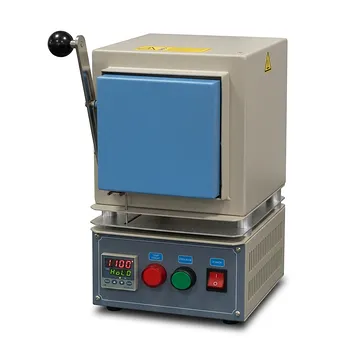
Compact 1100C Muffle Furnace with Programmable Temperature Control and High Purity Alumina Insulation for Material Research
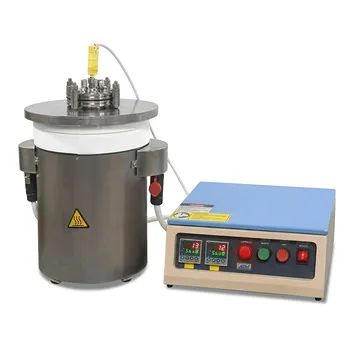
600°C Vertical Crucible Furnace with SS316 Alloy Reactor and 6 Port Vacuum Flange
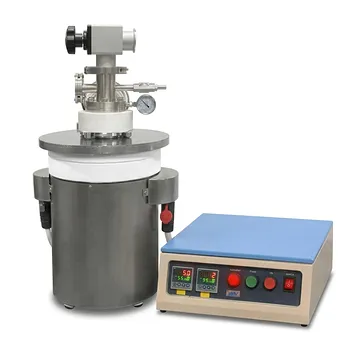
1100C High Temperature Vacuum Crucible Furnace with Quartz Chamber for Thermal Processing and Sintering
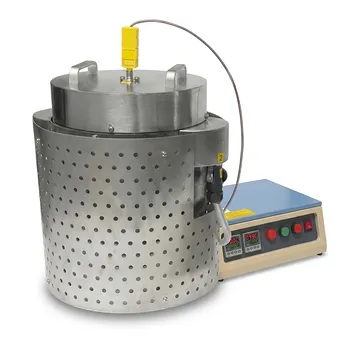
Vertical Crucible Furnace 1000C High Temperature Laboratory Equipment 4.7 Inch Diameter Chamber SS316 Anti Corrosive Enclosure
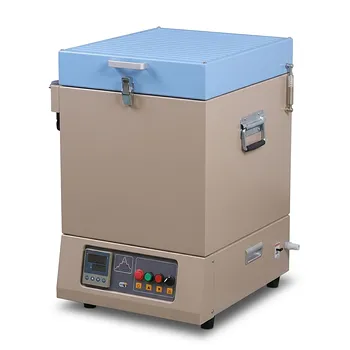
High Temperature Vertical Crucible Furnace with 22L Heating Chamber and 1200C Maximum Temperature
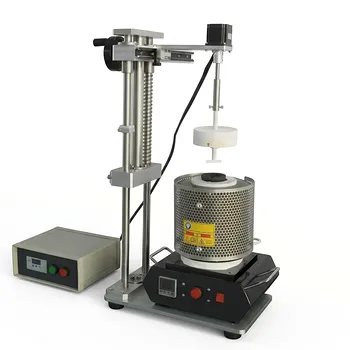
1100C Crucible Melting Furnace with Stirring Function for Glovebox and Air Sensitive Alloy Research
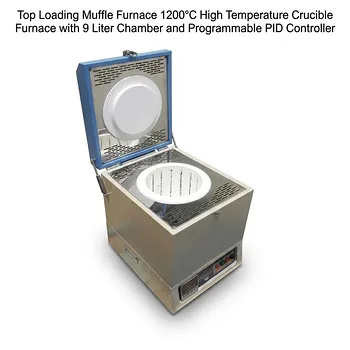
Top Loading Muffle Furnace 1200°C High Temperature Crucible Furnace with 9 Liter Chamber and Programmable PID Controller
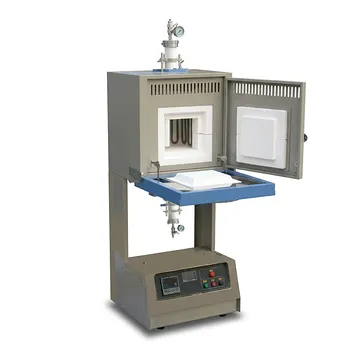
Vertical Hybrid High Temperature Furnace 1500C Alumina Tube SOFC Fuel Cell Testing Laboratory Heat Treatment Research Equipment
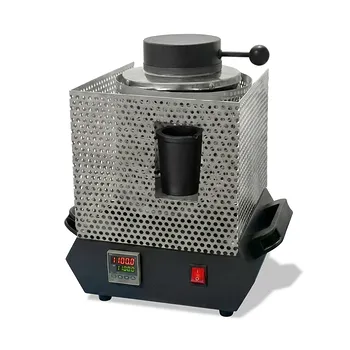
Compact Crucible Melting Furnace 1100C Programmable Temperature Controller Metal Sintering Equipment
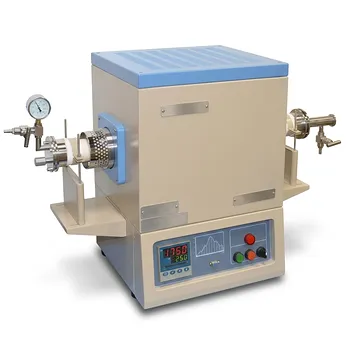
High Temperature Compact Vacuum Tube Furnace 1750C Max 60mm OD Alumina Tube
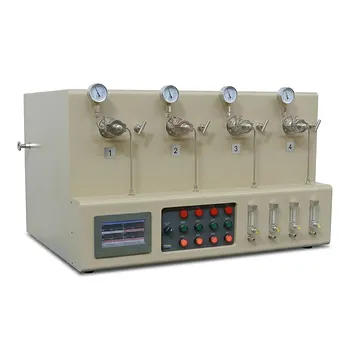
High Temperature 1700C 4 Channel Tube Furnace 1 Inch Alumina Tube for Hi-Throughput Annealing
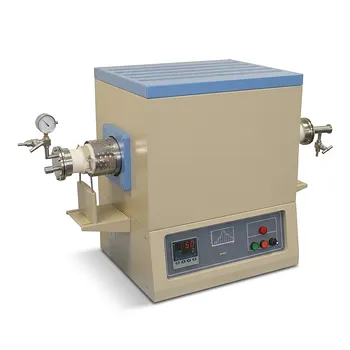
1700C High Temperature Alumina Tube Furnace with 18 Inch Heated Zone and Vacuum Sealing Flanges
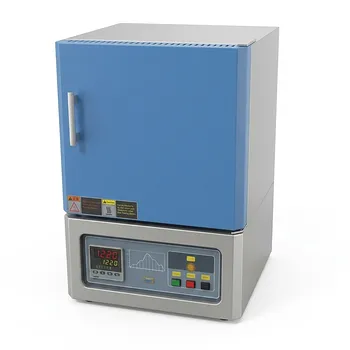
High Temperature Benchtop Muffle Furnace 1700C 10L Chamber Alumina Fiber Insulation MoSi2 Heating Elements
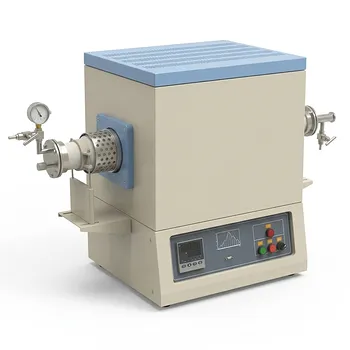
1750°C High Temperature Benchtop Vacuum Atmosphere Tube Furnace with Kanthal Super 1800 Heating Elements and 60mm Alumina Processing Tube

1800C High Temperature Compact Vacuum Tube Furnace with 60mm OD Alumina Tube and Kanthal MoSi2 Heating Elements
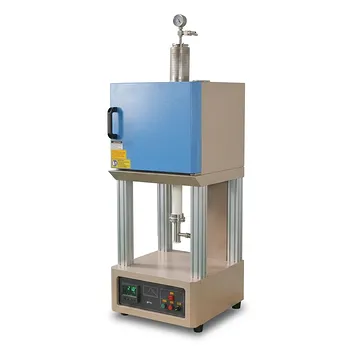
Hybrid High Temperature Tube and Box Furnace 1700C with 2 Inch Alumina Tube for Material Research
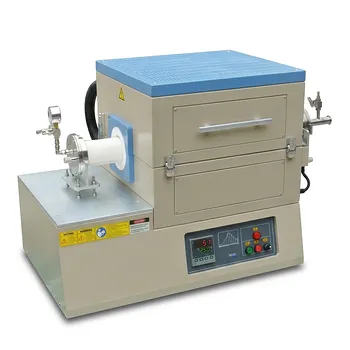
High Temperature 1700C Split Tube Furnace with Vacuum Flanges Valves and 60mm Alumina Tube
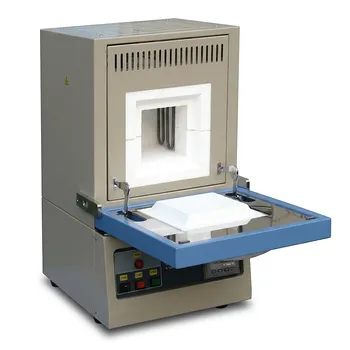
High Temperature 1800C Compact Muffle Furnace with Kanthal Super 1900 Heating Elements and 1.7L Alumina Chamber
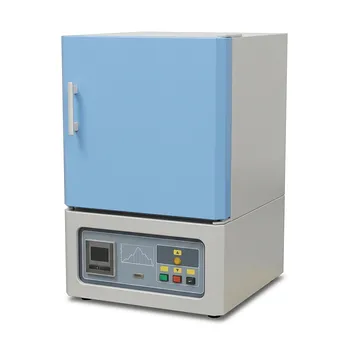
1800C Bench Top Muffle Furnace with Kanthal Super 1900 Heating Elements and 3.6L Alumina Fiber Chamber