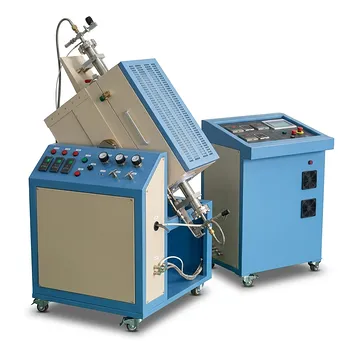
Why are high-purity graphite molds used during SiC diffusion bonding? Key Benefits for High-Precision Results.
Updated 3 months ago
High-purity graphite molds are the industry standard for Silicon Carbide (SiC) diffusion bonding because they provide a unique combination of high-temperature mechanical strength, exceptional thermal conductivity, and chemical inertness. During the hot-pressing process, these molds act as both the structural carrier and the medium for transmitting uniform axial pressure across SiC wafers. This ensures that the intense heat and pressure required for atomic diffusion are applied evenly, preventing wafer cracking and maintaining the chemical purity of the SiC.
Core Takeaway: High-purity graphite is used because it remains structurally stable and chemically non-reactive at temperatures exceeding 1000°C, allowing it to transmit the uniform pressure necessary for SiC diffusion bonding without contaminating the sample or causing thermal stress.
Mechanical Performance at Extreme Temperatures
Uniform Pressure Transmission
Diffusion bonding requires high uniaxial pressure—often in the range of 30 to 60 MPa—to bring SiC surfaces into atomic contact. High-purity graphite maintains its mechanical integrity at these levels, ensuring that the pressure is distributed uniformly across the entire surface of the wafers.
Structural Stability under Load
Unlike many materials that soften or deform at high temperatures, graphite remains rigid and strong during long-duration bonding cycles, which can last up to 20 hours. This stability is essential for maintaining the precise alignment and orientation of the SiC crystals during the bonding process.
Resistance to Thermal Shock
Graphite possesses excellent thermal shock resistance, which allows it to withstand the heating and cooling cycles of a hot press furnace without fracturing. This durability ensures the mold can be reused across multiple bonding sessions while maintaining dimensional accuracy.
Thermal Management and Stress Mitigation
Achieving a Uniform Temperature Field
The high thermal conductivity of graphite ensures that heat is distributed evenly throughout the mold and the SiC sample. This uniformity is critical in a hot press furnace to ensure that the entire interface reaches the temperature necessary for atomic diffusion simultaneously.
Preventing Wafer Cracking
Silicon Carbide is a brittle material highly susceptible to cracking under thermal stress. By ensuring a uniform thermal field, graphite molds minimize temperature gradients that would otherwise lead to localized expansion and subsequent fracture of the SiC wafers.
Role in Resistive Heating
In certain advanced setups like Spark Plasma Sintering (SPS), the graphite mold also serves as a resistive heating element. Its electrical conductivity allows it to convert electrical energy directly into thermal energy, facilitating rapid and controlled heating of the bonding interface.
Chemical Compatibility and Purity
Chemical Inertness with Silicon Carbide
At the standard diffusion bonding temperature of 1000°C, high-purity graphite does not react with Silicon Carbide. This stability ensures that the bond interface remains free of unwanted chemical phases or reactions that could compromise the strength of the joint.
Preventing Metallic Contamination
Using "high-purity" grades of graphite is essential to prevent the introduction of metallic impurities into the furnace environment. This is particularly vital for SiC applications in semiconductors or high-performance optics where even trace contaminants can degrade material properties.
Performance in Controlled Environments
Graphite is chemically stable in vacuum and inert gas environments (such as Argon) up to 2400°C. This makes it the ideal material for hot press furnaces that must operate under vacuum to prevent the oxidation of the SiC wafers during the bonding process.
Understanding the Trade-offs and Limitations
Sensitivity to Oxidation
Graphite will oxidize rapidly if exposed to oxygen at high temperatures. Consequently, these molds must be used strictly within vacuum or high-purity inert gas environments to prevent the mold from degrading and losing its structural integrity.
Potential for Material Sticking
While graphite is generally inert, there is a risk of the processed material adhering to the mold surfaces under extreme pressure. To mitigate this, technical advisors often recommend the use of boron nitride (BN) coatings or protective foils as release agents to ensure the bonded SiC can be removed safely.
Finite Component Lifespan
Despite its strength, the repetitive stress of high-pressure cycles and potential surface wear means that graphite molds are considered high-end consumables. They require regular inspection for surface degradation or deformation to ensure continued bonding precision.
How to Optimize Your Diffusion Bonding Process
To achieve the highest quality SiC bonds, your choice of graphite and process parameters should align with your specific material requirements.
- If your primary focus is semiconductor-grade purity: Utilize ultra-high purity graphite molds (99.999%) and operate exclusively in a high-vacuum environment to eliminate any risk of metallic or atmospheric contamination.
- If your primary focus is preventing wafer fracture: Prioritize molds with high thermal conductivity and implement slower heating/cooling ramps to further reduce the risk of thermal stress at the SiC interface.
- If your primary focus is mold longevity: Apply a thin, uniform layer of boron nitride coating to the contact surfaces to prevent adhesion and reduce mechanical wear during the ejection of the bonded samples.
Selecting the right grade of high-purity graphite is the foundational step in ensuring a successful, crack-free, and high-strength SiC diffusion bond.
Summary Table:
| Key Property | Benefit for SiC Diffusion Bonding |
|---|---|
| Mechanical Strength | Transmits uniform axial pressure (30-60 MPa) without deformation at 1000°C+. |
| Thermal Conductivity | Creates a uniform thermal field to prevent temperature gradients and wafer cracking. |
| Chemical Inertness | Prevents unwanted reactions with Silicon Carbide, maintaining joint integrity. |
| High Purity | Eliminates metallic contamination, crucial for semiconductor and optical applications. |
| Thermal Shock Resistance | Withstands repeated heating/cooling cycles in hot press furnaces without fracturing. |
Elevate Your Material Research with THERMUNITS
Achieving perfect Silicon Carbide (SiC) diffusion bonding requires precision equipment that handles extreme temperatures and pressures. THERMUNITS is a leading manufacturer of high-temperature laboratory equipment for material science and industrial R&D. We provide the advanced thermal processing solutions you need to ensure structural integrity and chemical purity in every sample.
Our Comprehensive Product Range Includes:
- Hot Press Furnaces (Optimized for SiC & Composite Bonding)
- Muffle, Vacuum, Atmosphere, Tube, and Rotary Furnaces
- CVD/PECVD Systems & Vacuum Induction Melting Furnaces (VIM)
- Dental Furnaces & Electric Rotary Kilns
- High-Quality Thermal Elements
Ready to optimize your lab’s efficiency with industry-leading heat treatment technology? Contact us today to discuss your custom requirements!
References
- Jianqi Xi, Izabela Szlufarska. Coupling of radiation and grain boundary corrosion in SiC. DOI: 10.1038/s41529-024-00436-y
Mentioned Products
- High Temperature Vacuum Graphitization Chamber Furnace 2800C Graphite Heating Elements Bottom Loading
- High Temperature Vacuum Lamination Hot Press Furnace Machine for Semiconductor Wafer Bonding and Advanced Composite Thermal Processing
- Ultra High Temperature 2300C Induction Heated Graphite Tube Furnace with Infrared Control
- 1800C Bench Top Muffle Furnace 18 Liters with Kanthal Super 1900 Heating Elements for High Purity Ceramic Sintering and Material Research
- Silicon Carbide SiC Thermal Heating Elements for Industrial Electric Furnaces
People Also Ask
- Why is a high-temperature graphitization furnace needed for ZrC/SiC/C ceramic aerogels? Master UHTC Synthesis at 1700°C
- What conditions does a graphitization furnace provide for pitch-based carbon? Achieve Superior Crystalline Quality
- How does a high-temp furnace enhance thermal conductivity of graphene & CNT films? Superior Material Graphitization
- Why is an ultra-high temperature graphitization furnace required for coal-based graphite? Unlock Crystalline Performance
- What core technical conditions must an ultra-high temperature graphitization furnace meet? Achieve 2800°C Peak Performance

Tech Team · ThermUnits
Last updated on Jun 03, 2026
Related Products
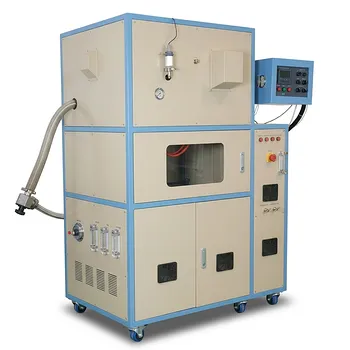
High Temperature Vacuum Graphitization Chamber Furnace 2800C Graphite Heating Elements Bottom Loading
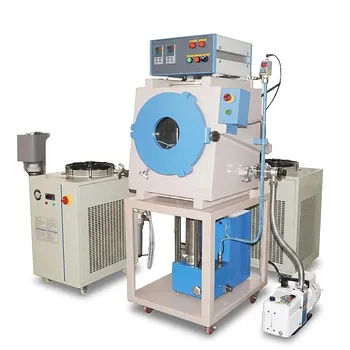
High Temperature Vacuum Lamination Hot Press Furnace Machine for Semiconductor Wafer Bonding and Advanced Composite Thermal Processing
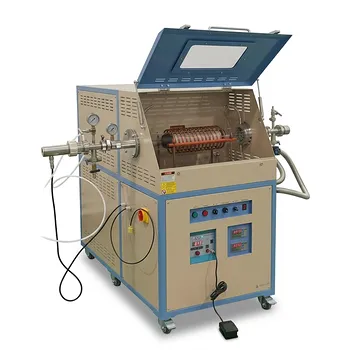
Ultra High Temperature 2300C Induction Heated Graphite Tube Furnace with Infrared Control
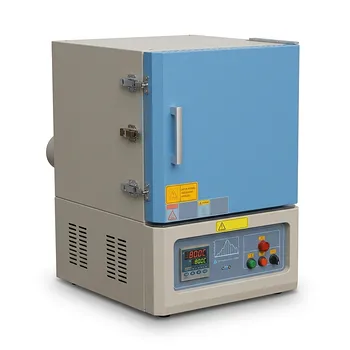
1800C Bench Top Muffle Furnace 18 Liters with Kanthal Super 1900 Heating Elements for High Purity Ceramic Sintering and Material Research
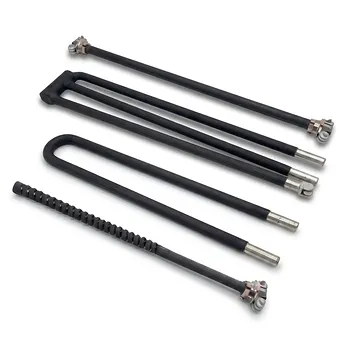
Silicon Carbide SiC Thermal Heating Elements for Industrial Electric Furnaces
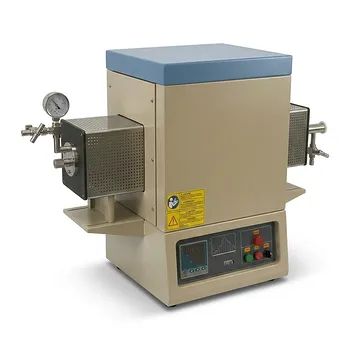
High Temperature 1700C Benchtop Tube Furnace with 5 Inch Heating Zone High Purity Alumina Tube and Vacuum Sealing Flanges
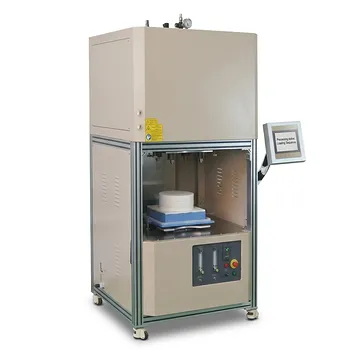
High Temperature Vertical Atmosphere Controlled Furnace with Automatic Bottom Loading and 1700°C Capacity for Advanced Material Research
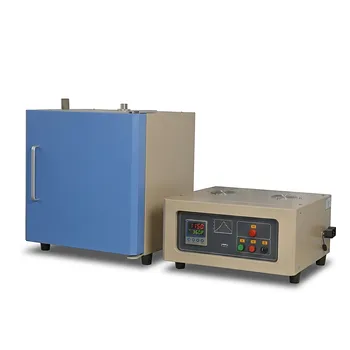
High Temperature Muffle Furnace with Alloy Chamber for Debinding and Sintering Applications
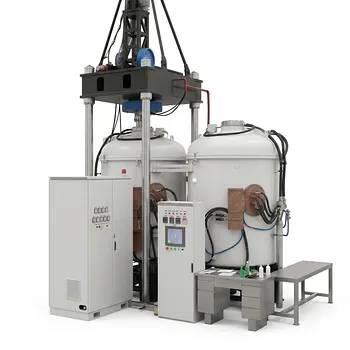
High Pressure 600T Vacuum Induction Hot Press Furnace for Advanced Material Heat Treatment and Sintering

High Temperature 1700C Vertical Tube Furnace for Powder Spherification and Material Sintering