What conditions does a graphitization furnace provide for pitch-based carbon? Achieve Superior Crystalline Quality
Updated 3 months ago
The fundamental necessity for ultra-high temperature graphitization is the provision of a stable, extreme thermal environment reaching 2500 °C within an inert atmosphere. This specific combination of conditions acts as the physical engine required to force disordered carbon atoms in pitch-based precursors to overcome energy barriers and reorganize into a long-range ordered graphite lattice.
To transform amorphous pitch into high-performance graphite, a furnace must provide a precise 2500 °C thermal field and an inert environment. This dual-condition setup enables the atomic migration and structural contraction required to achieve superior crystalline properties.
The Thermodynamic Driving Force of Extreme Heat
Overcoming Atomic Diffusion Barriers
The primary role of the furnace is to provide the thermal energy necessary to overcome atomic diffusion energy barriers. At 2500 °C, the kinetic energy of carbon atoms increases sufficiently to allow them to break away from disordered states and migrate to more energetically favorable positions.
Realizing Structural Transformation
Under these extreme temperatures, the internal geometry of the material undergoes a radical change known as graphitization. The furnace facilitates the contraction of interlayer spacing ($d_{002}$) and the significant growth of grain sizes, specifically the height ($L_c$) and width ($L_a$) of the carbon layers.
Evolution from Amorphous to Crystalline
Pitch-based materials begin as disordered, amorphous structures that lack electrical and thermal efficiency. The high-temperature environment serves as the catalyst that converts these precursors into high-quality graphite crystals characterized by perfectly stacked hexagonal layers.
The Role of the Protective Processing Environment
High-Purity Inert Atmosphere Protection
Because carbon reacts aggressively with oxygen at high temperatures, the furnace must maintain a high-purity inert atmosphere, typically using Argon or a vacuum. This condition prevents the oxidation and subsequent loss of the carbon material during the heating cycle.
Elimination of Lattice Defects
The controlled environment allows for the gradual removal of non-carbon elements and the healing of lattice defects. This purification process is critical for ensuring the final material exhibits the high conductivity and mechanical strength associated with premium graphite.
Stability of the Thermal Field
A successful transformation requires not just heat, but a constant and high-density thermal field. Precision control over the temperature prevents localized stresses that could lead to structural cracking or non-uniform crystal growth within the pitch precursor.
Understanding the Trade-offs and Technical Constraints
Energy Consumption and Operational Costs
Operating at 2500 °C requires immense electrical power and specialized heating elements, such as graphite heaters, which have a finite lifespan. The high operational cost means that graphitization is often the most expensive stage in the production of advanced carbon materials.
Material Selection for Furnace Components
The extreme heat limits the choice of structural materials for the furnace itself to high-grade refractory materials or carbon-carbon composites. Any impurity in the furnace lining can contaminate the pitch precursor, potentially degrading the performance of the final graphite product.
Cooling and Cycle Time Limitations
While the heating phase is critical, the controlled cooling phase is equally important to avoid thermal shock. This necessity for a slow, managed cooling cycle increases the total processing time, impacting the throughput and overall efficiency of the manufacturing process.
Strategic Implementation for Your Carbon Project
How to Apply This to Your Project
To achieve the best results when processing pitch-based materials, your furnace selection and parameter settings must align with your specific material goals.
- If your primary focus is Maximum Conductivity: Prioritize reaching the full 2500 °C threshold to ensure the lowest possible interlayer spacing ($d_{002}$) and maximum grain growth.
- If your primary focus is Material Purity: Ensure the furnace is capable of maintaining a high-purity Argon flow to effectively flush out volatilized impurities during the heating process.
- If your primary focus is Structural Integrity: Implement a gradual temperature ramp-up and a controlled cooling curve to minimize internal stresses and prevent micro-cracking in the graphite layers.
The successful graphitization of pitch-based carbon is entirely dependent on the furnace's ability to maintain a precise balance between extreme thermal energy and a chemically non-reactive environment.
Summary Table:
| Key Condition | Functional Role | Impact on Carbon Material |
|---|---|---|
| 2500°C Thermal Field | Overcomes atomic diffusion barriers | Reorganizes atoms into ordered graphite lattice |
| Inert Atmosphere (Ar/Vac) | Prevents high-temperature oxidation | Maintains high purity and prevents material loss |
| Stable Thermal Density | Ensures uniform heating | Minimizes internal stress and structural cracking |
| Controlled Cooling | Manages thermal contraction | Preserves structural integrity and lattice height ($L_c$) |
Elevate Your Material Research with THERMUNITS
As a leading manufacturer of high-temperature laboratory equipment, THERMUNITS provides the precision thermal solutions required for advanced material science and industrial R&D. Our specialized graphitization furnaces are designed to deliver the stable 2500°C environments and high-purity atmosphere control essential for transforming pitch-based precursors into high-performance graphite.
Whether you require Vacuum, Atmosphere, Tube, or Rotary furnaces, our comprehensive range of thermal processing equipment—including CVD/PECVD systems and Hot Press furnaces—is engineered to optimize your heat treatment outcomes.
Ready to achieve superior crystalline properties? Contact our engineering experts today to discuss your specific carbon processing needs and find the ideal high-temperature solution for your lab.
References
- Akshay Gharpure, Randy L. Vander Wal. Optimizing Aromaticity for Graphitization. DOI: 10.1021/acsomega.4c02607
Mentioned Products
- Ultra High Temperature 2300C Induction Heated Graphite Tube Furnace with Infrared Control
- High Temperature Vacuum Graphitization Chamber Furnace 2800C Graphite Heating Elements Bottom Loading
- Ultra High Temperature Bench Top Muffle Furnace 1750C Sintering System with Kanthal Super Heating Elements and Precision Digital Control
- High Temperature Ultrafast Heating Pressing Furnace 2900C Max 100kgf Rapid Thermal Processing System
- Ultra High Temperature Induction Heated Vacuum Furnace with Molten Salt Electrolysis Capability and 3000 Degree Precision Control
People Also Ask
- How does a high-temp furnace enhance thermal conductivity of graphene & CNT films? Superior Material Graphitization
- Why is an ultra-high temperature graphitization furnace required for coal-based graphite? Unlock Crystalline Performance
- What core technical conditions must an ultra-high temperature graphitization furnace meet? Achieve 2800°C Peak Performance
- Why is a high-temperature graphitization furnace needed for ZrC/SiC/C ceramic aerogels? Master UHTC Synthesis at 1700°C
- What role does an industrial high-temperature tube furnace play in spray pyrolysis? Master Layered Oxide Synthesis.

Tech Team · ThermUnits
Last updated on Jun 02, 2026
Related Products
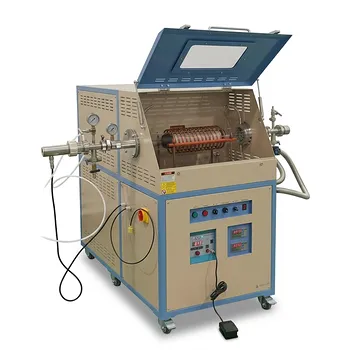
Ultra High Temperature 2300C Induction Heated Graphite Tube Furnace with Infrared Control
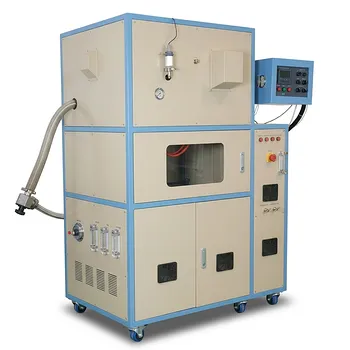
High Temperature Vacuum Graphitization Chamber Furnace 2800C Graphite Heating Elements Bottom Loading
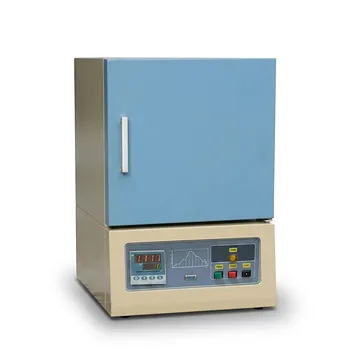
Ultra High Temperature Bench Top Muffle Furnace 1750C Sintering System with Kanthal Super Heating Elements and Precision Digital Control
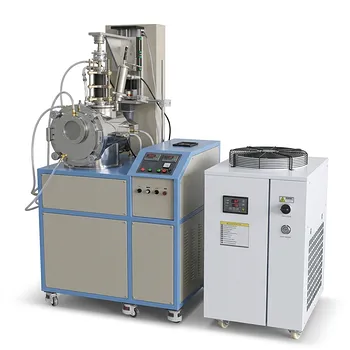
High Temperature Ultrafast Heating Pressing Furnace 2900C Max 100kgf Rapid Thermal Processing System
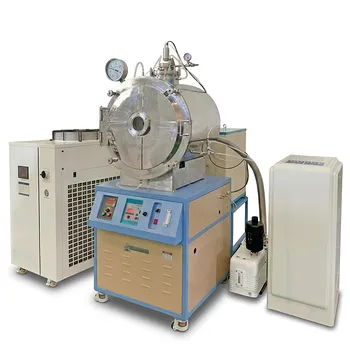
Ultra High Temperature Induction Heated Vacuum Furnace with Molten Salt Electrolysis Capability and 3000 Degree Precision Control
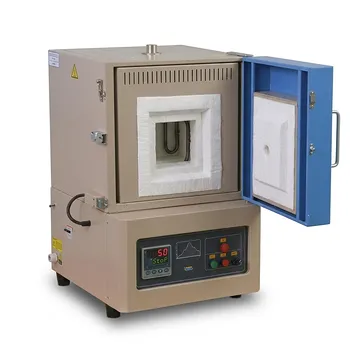
1800°C Bench Top Ultra High Temperature Muffle Furnace with Sapphire Observation Window and Top Feeding Port for Materials Research and Thermal Processing
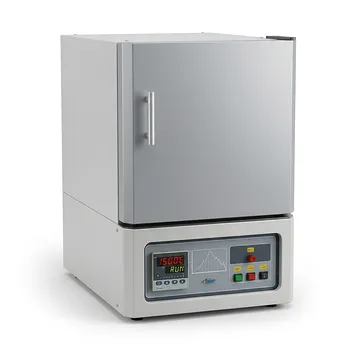
High Temperature 1500C Benchtop Muffle Furnace 3.6L Alumina Fiber Chamber Programmable Controller Sintering Annealing Carbonization Thermal Processing System
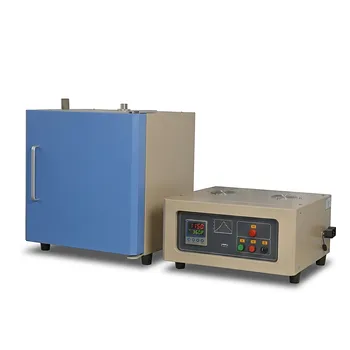
High Temperature Muffle Furnace with Alloy Chamber for Debinding and Sintering Applications

High Temperature Tube Furnace 1500C with Sliding Flanges and 50mm OD for Rapid Thermal Processing Fast Heating and Cooling
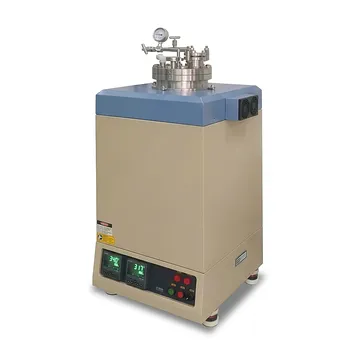
High Temperature 1000C Vacuum Furnace with 8 Inch ID Chamber for Material Sintering and Research Annealing
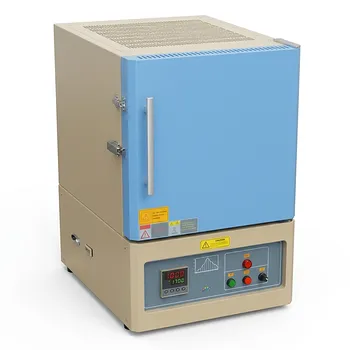
Large Bench Top 1700C High Temperature Muffle Furnace with 19L Chamber for Advanced Material Sintering and Annealing
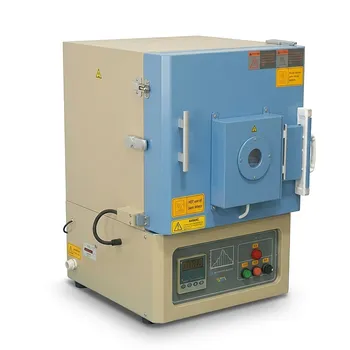
High Temperature Benchtop Muffle Furnace 1500C with 3.6L Chamber and Quartz Observation Window
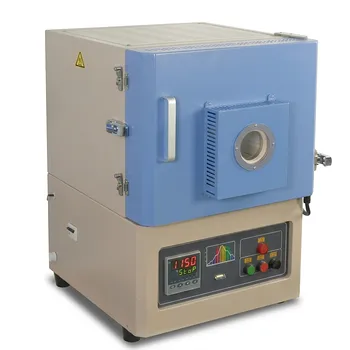
High Temperature Benchtop Muffle Furnace with Quartz Observation Window for Thermal Imaging and Material Analysis
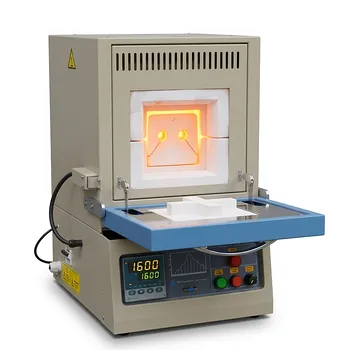
High Temperature Compact Muffle Furnace 1700 C with 30 Segment Programmable Controller and 1.7L Cubic Chamber

High Temperature 1700C Tube Furnace with High Vacuum Turbomolecular Pump System and Multi Channel Mass Flow Controller Gas Mixer
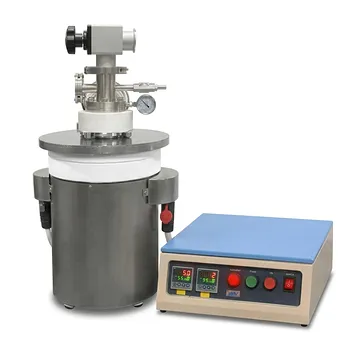
1100C High Temperature Vacuum Crucible Furnace with Quartz Chamber for Thermal Processing and Sintering
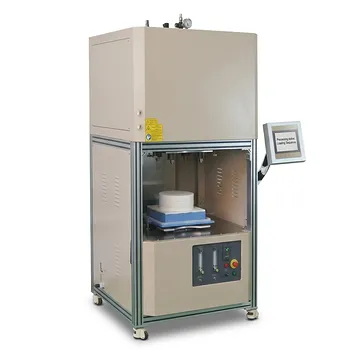
High Temperature Vertical Atmosphere Controlled Furnace with Automatic Bottom Loading and 1700°C Capacity for Advanced Material Research
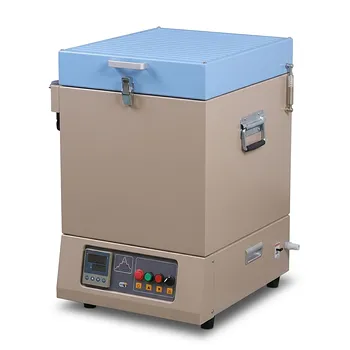
High Temperature Vertical Crucible Furnace with 22L Heating Chamber and 1200C Maximum Temperature
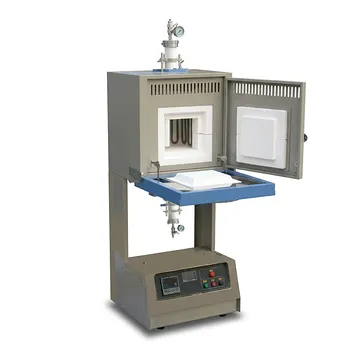
Vertical Hybrid High Temperature Furnace 1500C Alumina Tube SOFC Fuel Cell Testing Laboratory Heat Treatment Research Equipment
