What core technical conditions must an ultra-high temperature graphitization furnace meet? Achieve 2800°C Peak Performance
Updated 3 months ago
The performance of synthetic graphite is inextricably linked to the thermal and atmospheric capabilities of the graphitization furnace. To produce high-performance graphite, a furnace must sustain extreme temperatures between 2500°C and 2800°C while maintaining a strictly controlled vacuum or high-purity inert atmosphere (such as Argon). These conditions provide the necessary thermodynamic energy to overcome atomic diffusion barriers, allowing disordered carbon atoms to rearrange into a highly ordered, long-range crystalline lattice.
High-performance graphitization requires a furnace that balances extreme thermal energy with precise atmospheric integrity. By facilitating the transition from amorphous carbon to ordered crystal structures, the furnace determines the material’s final crystallinity, grain size, and electrochemical stability.
Thermal Dynamics and Lattice Rearrangement
Overcoming Atomic Diffusion Energy Barriers
At the heart of the graphitization process is the need to move carbon atoms from a state of disorder to order. The furnace must reach a minimum of 2500°C to provide the kinetic energy required for atoms to break existing bonds and migrate into more stable positions. This extreme heat serves as the primary physical driving force to eliminate lattice defects within coal-based or organic precursors.
Achieving High Degrees of Graphitization
Advanced materials often require temperatures reaching 2800°C to trigger the reorganization of complex macromolecules into ordered, layered aromatic structures. Under these extreme conditions, the interlayer spacing (d002) of the carbon layers contracts significantly. Simultaneously, the grain sizes, specifically the crystallite height (Lc) and width (La), increase to form high-quality graphite crystals.
Facilitating Material Exfoliation
High-temperature environments drive a level of structural reorganization that simplifies subsequent processing steps, such as the exfoliation of graphene. By maximizing the degree of graphitization, the furnace reduces the internal van der Waals forces that hold layers together. This result is a material that is more reactive to chemical or mechanical separation techniques.
Atmospheric Integrity and Purity Control
The Role of Inert Gas Protection
Operating at several thousand degrees Celsius requires an environment free of reactive gases to prevent the total combustion of the carbon source. The furnace must maintain a high-purity Argon atmosphere or a deep vacuum to shield the material during the heating cycle. This protection is critical for ensuring that the precursor transforms into graphite rather than oxidizing into carbon dioxide.
Preventing Oxidation and Ensuring Purity
The sealing integrity of the furnace is a non-negotiable technical condition for high-performance results. Any oxygen leakage can introduce micropore defects or unwanted functional groups that degrade the material's electrical conductivity. For specialized applications, such as catalytic graphitization, the furnace must prevent the oxidation of metal nanoparticles used to seed graphene growth.
Regulating Surface Chemistry
In certain high-performance contexts, the furnace must allow for the precise adjustment of gas compositions at specific temperature intervals. By modulating oxygen or inert gases, developers can induce specific oxygen-based functional groups on the graphite surface. This level of control is essential for optimizing the solid electrolyte interphase (SEI) film in battery applications.
Precision and Uniformity in Large-Scale Production
Thermal Field Uniformity
For a furnace to be effective, it must maintain a uniform thermal field across the entire heating zone. If temperature gradients exist, the resulting graphite will have inconsistent crystallinity, leading to performance failures in the final product. Uniformity ensures that every gram of the precursor undergoes the same degree of structural evolution.
Temperature Control Precision
The ability to maintain a stable environment—often within a few degrees of the setpoint—is vital for deep thermal polycondensation. High-precision control prevents the excessive decomposition of precursors, such as urea or lignin. This stability is what allows for the consistent production of complex structures like two-dimensional nanosheets or metal-core/graphene-shell particles.
Understanding the Technical Trade-offs
Temperature vs. Component Longevity
While increasing temperatures to 3000°C may improve graphitization, it significantly accelerates the degradation of heating elements and insulation. Maintenance costs and downtime increase exponentially as one pushes the upper limits of the furnace’s thermal range. Operators must often find the "sweet spot" where material performance meets economic viability.
Energy Consumption and Cooling Cycles
The energy required to maintain 2800°C is immense, making the process one of the most expensive stages of carbon material production. Additionally, the time required for controlled cooling to prevent thermal shock can create bottlenecks in production. Balancing rapid throughput with the physical limitations of refractory materials remains a primary challenge for engineers.
How to Apply These Conditions to Your Project
When selecting or configuring an ultra-high temperature graphitization furnace, your technical requirements should align with your specific material goals:
- If your primary focus is maximum crystallinity (d002 < 0.336 nm): Prioritize a furnace capable of sustained operation at 2800°C with exceptional thermal field uniformity.
- If your primary focus is graphene-shell structures or catalytic growth: Ensure the system offers high-purity gas delivery systems and ultra-tight seals to prevent nanoparticle oxidation.
- If your primary focus is surface modification for batteries: Look for a furnace with the ability to precisely blend gases (like oxygen and argon) during the cooling or holding phases.
- If your primary focus is expanding graphite structures: Select a furnace capable of rapid thermal shock (700°C–900°C) rather than slow, ultra-high temperature soaking.
By strictly adhering to these technical conditions, you can transform amorphous carbon precursors into high-performance graphite materials with predictable and superior physical properties.
Summary Table:
| Technical Parameter | Core Requirement | Impact on Graphite Performance |
|---|---|---|
| Temperature Range | 2500°C to 2800°C | Drives lattice rearrangement and increases crystallite size (Lc/La). |
| Atmosphere Control | Deep Vacuum / High-Purity Argon | Prevents oxidation and regulates surface chemistry/functional groups. |
| Thermal Uniformity | High Spatial Consistency | Ensures consistent crystallinity and prevents batch-wide performance failures. |
| Control Precision | Stable Thermal Field | Prevents excessive decomposition and enables uniform atomic diffusion. |
| Purity Integrity | Ultra-tight Sealing | Minimizes micropore defects and ensures high electrical conductivity. |
Elevate Your Carbon Research with THERMUNITS
Maximize the potential of your material science projects with THERMUNITS, a leading manufacturer of high-temperature laboratory equipment for industrial R&D. We specialize in providing the precise thermal environments required for the most demanding graphitization processes.
Our comprehensive range of thermal processing solutions includes:
- Furnaces: Muffle, Vacuum, Atmosphere, Tube, Rotary, and Hot Press furnaces.
- Advanced Systems: CVD/PECVD systems, Vacuum Induction Melting (VIM) furnaces, and Electric Rotary Kilns.
- Specialized Equipment: Dental Furnaces, Thermal Elements, and high-performance laboratory heat treatment tools.
Whether you are focusing on graphene exfoliation, battery SEI optimization, or high-purity synthetic graphite, our equipment delivers the 2800°C stability and atmospheric integrity your work demands.
Contact our technical experts today to discuss your furnace configuration and see how we can optimize your heat treatment results.
References
- Akshay Gharpure, Randy L. Vander Wal. Structural Characteristics and Graphitizability of Tars from Thermal versus Microwave Plasma Pyrolysis of Coals. DOI: 10.1021/acsomega.3c06666
Mentioned Products
- Ultra High Temperature 2300C Induction Heated Graphite Tube Furnace with Infrared Control
- High Temperature Vacuum Graphitization Chamber Furnace 2800C Graphite Heating Elements Bottom Loading
- High Temperature Ultrafast Heating Pressing Furnace 2900C Max 100kgf Rapid Thermal Processing System
- Ultra High Temperature Bench Top Muffle Furnace 1750C Sintering System with Kanthal Super Heating Elements and Precision Digital Control
- 1200C Sliding Tube Furnace for Rapid Thermal Processing and CVD Graphene Growth with 100mm OD Capacity
People Also Ask
- How does a high-temp furnace enhance thermal conductivity of graphene & CNT films? Superior Material Graphitization
- What conditions does a graphitization furnace provide for pitch-based carbon? Achieve Superior Crystalline Quality
- Why is an ultra-high temperature graphitization furnace required for coal-based graphite? Unlock Crystalline Performance
- Why is a high-temperature graphitization furnace needed for ZrC/SiC/C ceramic aerogels? Master UHTC Synthesis at 1700°C
- What role does an industrial high-temperature tube furnace play in spray pyrolysis? Master Layered Oxide Synthesis.

Tech Team · ThermUnits
Last updated on Jun 02, 2026
Related Products
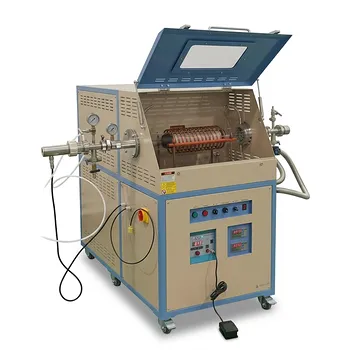
Ultra High Temperature 2300C Induction Heated Graphite Tube Furnace with Infrared Control
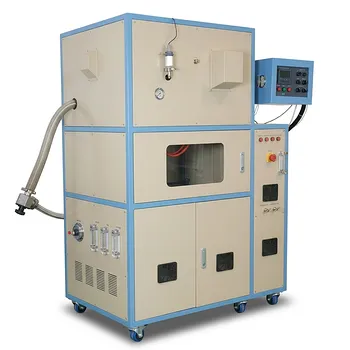
High Temperature Vacuum Graphitization Chamber Furnace 2800C Graphite Heating Elements Bottom Loading
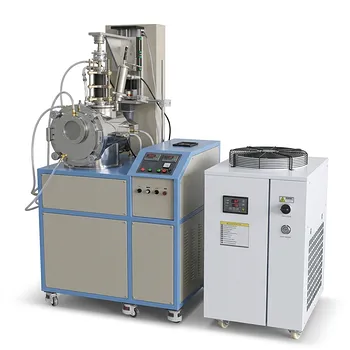
High Temperature Ultrafast Heating Pressing Furnace 2900C Max 100kgf Rapid Thermal Processing System
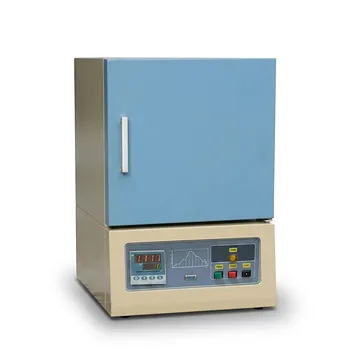
Ultra High Temperature Bench Top Muffle Furnace 1750C Sintering System with Kanthal Super Heating Elements and Precision Digital Control
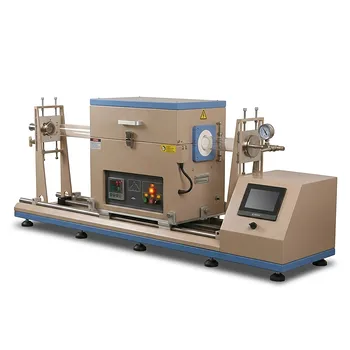
1200C Sliding Tube Furnace for Rapid Thermal Processing and CVD Graphene Growth with 100mm OD Capacity
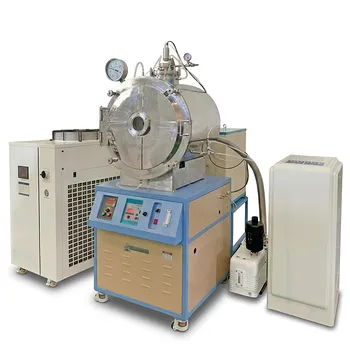
Ultra High Temperature Induction Heated Vacuum Furnace with Molten Salt Electrolysis Capability and 3000 Degree Precision Control
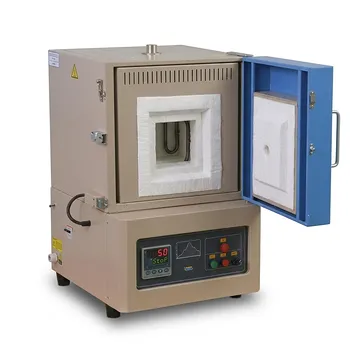
1800°C Bench Top Ultra High Temperature Muffle Furnace with Sapphire Observation Window and Top Feeding Port for Materials Research and Thermal Processing
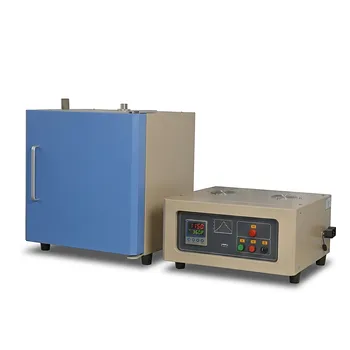
High Temperature Muffle Furnace with Alloy Chamber for Debinding and Sintering Applications
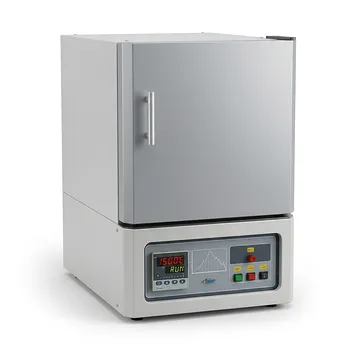
High Temperature 1500C Benchtop Muffle Furnace 3.6L Alumina Fiber Chamber Programmable Controller Sintering Annealing Carbonization Thermal Processing System

High Temperature Tube Furnace 1500C with Sliding Flanges and 50mm OD for Rapid Thermal Processing Fast Heating and Cooling
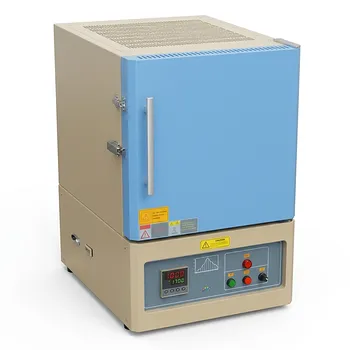
Large Bench Top 1700C High Temperature Muffle Furnace with 19L Chamber for Advanced Material Sintering and Annealing
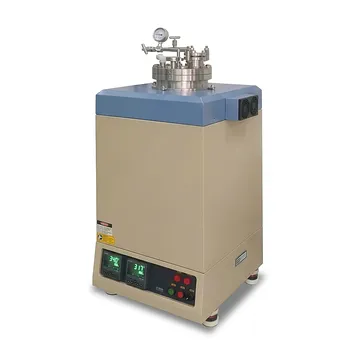
High Temperature 1000C Vacuum Furnace with 8 Inch ID Chamber for Material Sintering and Research Annealing
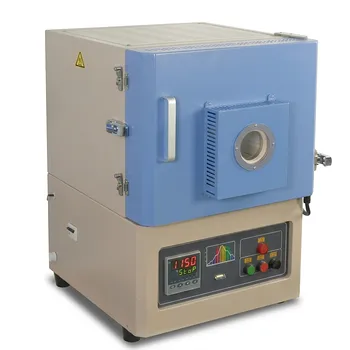
High Temperature Benchtop Muffle Furnace with Quartz Observation Window for Thermal Imaging and Material Analysis
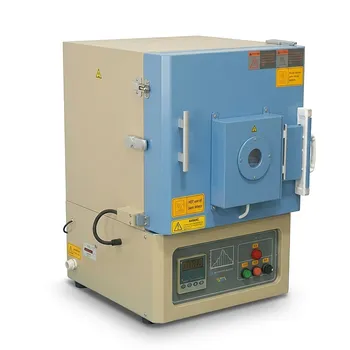
High Temperature Benchtop Muffle Furnace 1500C with 3.6L Chamber and Quartz Observation Window
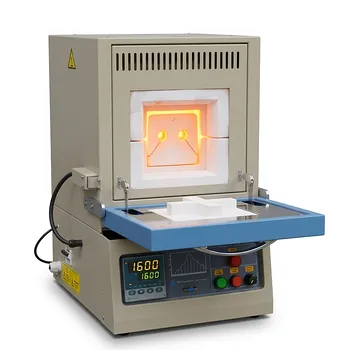
High Temperature Compact Muffle Furnace 1700 C with 30 Segment Programmable Controller and 1.7L Cubic Chamber
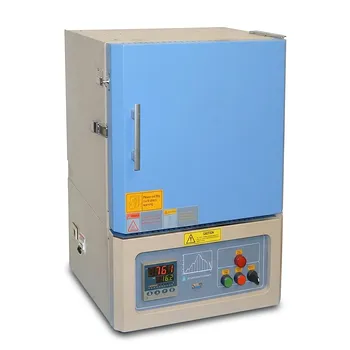
High Temperature 1700C Bench Top Muffle Furnace with Alumina Fiber Insulation and 3.6L Chamber Capacity for Precision Sintering and Heat Treatment

High Temperature 1700C Tube Furnace with High Vacuum Turbomolecular Pump System and Multi Channel Mass Flow Controller Gas Mixer
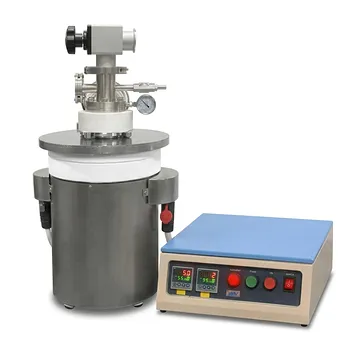
1100C High Temperature Vacuum Crucible Furnace with Quartz Chamber for Thermal Processing and Sintering
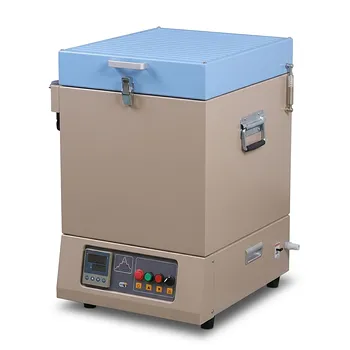
High Temperature Vertical Crucible Furnace with 22L Heating Chamber and 1200C Maximum Temperature
