Why are high-strength reaction tubes required for acidic thermal treatment in biomass carbonization? Key Safety Insights
Updated 3 months ago
High-strength reaction tubes are a critical safety and functional requirement for biomass carbonization due to the volatile combination of concentrated acids, high thermal energy, and internal pressure. These specialized vessels, typically constructed from borosilicate glass or high-strength polymers, are designed to withstand temperatures up to 180 °C and the corrosive nature of sulfuric and nitric acids within a closed, pressurized system.
The primary role of high-strength reaction tubes is to provide a stable, sealed environment that can contain the extreme physical and chemical stresses generated during microwave-assisted acidic treatment without risking structural failure or sample contamination.
Managing the Chemical Stress of Strong Acids
Resistance to Concentrated Acid Corrosion
The carbonization process often utilizes concentrated sulfuric acid followed by nitric acid oxidation. These reagents are highly aggressive and will rapidly degrade standard laboratory containers, especially when heated.
Prevention of Material Leaching
Using specialized materials like borosilicate glass ensures that the tube itself does not react with the acidic medium. This maintains the purity of the biomass sample and prevents the introduction of inorganic impurities into the resulting carbon skeleton.
The Physics of Closed-System Heating
Withstanding Internal Pressure Build-up
Because these reactions occur in a closed system, the heating of liquid acids leads to significant internal pressure. High-strength tubes are engineered to contain this pressure, preventing the vessel from bursting during the thermal treatment phase.
Thermal Stability at 180 °C
The reaction environment reaches temperatures up to 180 °C, which is sufficient to soften or deform lower-grade plastics. High-strength polymers and glass maintain their structural integrity at these elevated temperatures, ensuring the reaction environment remains consistent.
Ensuring Safety in Microwave-Assisted Synthesis
Interaction with Microwave Energy
In microwave-assisted carbonization, the reaction tube must be transparent to microwave radiation while remaining physically robust. High-strength tubes allow for rapid, uniform heating of the internal reactants while acting as a reliable barrier between the corrosive chemicals and the microwave hardware.
Maintaining a Controlled Environment
A failure in the reaction tube during a microwave cycle would release hot, concentrated acid vapors into the equipment. These specialized tubes act as the primary containment layer, protecting both the researcher and the expensive analytical instrumentation.
Understanding the Trade-offs
Material Limitations and Lifespan
While borosilicate glass offers excellent chemical resistance, it is susceptible to thermal shock if cooled too rapidly. Conversely, high-strength polymers may offer better impact resistance but often have lower maximum temperature thresholds than glass.
Cost vs. Safety Reliability
High-strength tubes represent a higher initial investment compared to standard consumables. However, using substandard materials in a high-pressure, acidic environment significantly increases the risk of experimental failure and equipment damage.
How to Apply This to Your Project
When selecting reaction vessels for biomass carbonization, your choice must align with the specific chemical and thermal profile of your experiment.
- If your primary focus is Maximum Chemical Purity: Utilize high-strength borosilicate glass tubes to ensure zero interaction between the vessel and the sulfuric/nitric acid reagents.
- If your primary focus is High-Pressure Safety: Opt for specialized high-strength polymer tubes designed specifically for closed-system microwave digestion to minimize the risk of shattering.
- If your primary focus is Scaling to Industrial Simulation: Ensure your reaction tubes are compatible with the inert nitrogen flow and precise heating rates required for standardized biochar production.
Selecting the correct high-strength vessel is the only way to ensure a safe, reproducible, and technically sound biomass carbonization process.
Summary Table:
| Requirement Category | Key Specification | Importance in Carbonization |
|---|---|---|
| Chemical Resistance | Borosilicate / High-strength polymers | Resists corrosion from sulfuric and nitric acids. |
| Thermal Stability | Up to 180 °C | Maintains structural integrity under high heat. |
| Pressure Tolerance | Closed-system rated | Prevents bursting from internal vapor build-up. |
| Purity Control | Non-leaching materials | Prevents sample contamination for pure carbon skeletons. |
| Microwave Safety | Microwave-transparent | Ensures uniform heating while protecting lab hardware. |
Elevate Your Material Research with THERMUNITS
Precise and safe biomass carbonization requires more than just high-strength tubes—it demands reliable thermal processing solutions. THERMUNITS is a leading manufacturer of high-temperature laboratory equipment dedicated to supporting material science and industrial R&D.
Whether you are scaling biochar production or conducting delicate acidic treatments, we offer a comprehensive range of equipment designed for performance and safety, including:
- Muffle, Vacuum, and Atmosphere Furnaces
- Tube and Rotary Furnaces (ideal for continuous carbonization)
- CVD/PECVD Systems and Vacuum Induction Melting (VIM) Furnaces
- Dental Furnaces and Specialized Thermal Elements
Don't compromise your research safety or sample purity. Let our experts help you select the ideal furnace or heat treatment setup for your specific application.
Contact THERMUNITS Today for a Professional Consultation
References
- Pierre Magri, Philippe Pierrat. Upgrading Biomass Wastes to Graphene Quantum Dots with White-Light-Emitting Features in the Solid State. DOI: 10.3390/app14198807
Mentioned Products
- Multi Position Tube Furnace 1100C for Laboratory Material Research and Advanced Industrial Thermal Processing
- 1200C Sliding Tube Furnace for Rapid Thermal Processing and CVD Graphene Growth with 100mm OD Capacity
- High Temperature Bottom Loading Vertical Furnace 1700C Dual Stage Sample Processing System 18L Large Capacity Thermal Treatment Equipment
- 900 ºC Max Sliding RTP Tube Furnace with Rapid IR Heating and 4 Inch OD Quartz Tube
- High Temperature Tube Furnace 1500C with Sliding Flanges and 50mm OD for Rapid Thermal Processing Fast Heating and Cooling
People Also Ask
- Why use a tube furnace for oxygen annealing LaCrO3/LaMnO3? Optimize Phase Transition & Magnetic Performance.
- What key role does a laboratory high-temperature tube furnace play in the production of carbon nanofibers? Guide
- How is a laboratory high-temperature tube furnace utilized to research the products of aluminothermic reduction? Advanced Metallurgical Solutions
- What is the role of a laboratory tube furnace in the carbonization process of porous carbon foam (PCF)? Master 3D Synthesis
- What role does a laboratory tube furnace play in the pyrolysis and carbonization of biomass? Optimize Thermal Research.

Tech Team · ThermUnits
Last updated on Jun 03, 2026
Related Products
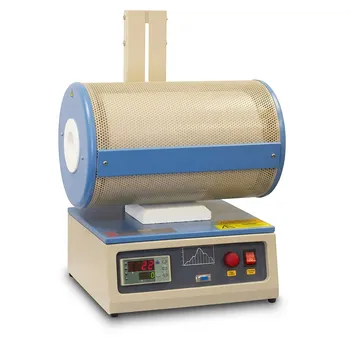
Multi Position Tube Furnace 1100C for Laboratory Material Research and Advanced Industrial Thermal Processing
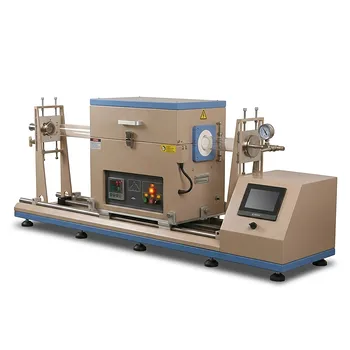
1200C Sliding Tube Furnace for Rapid Thermal Processing and CVD Graphene Growth with 100mm OD Capacity
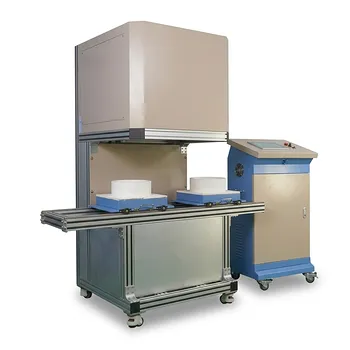
High Temperature Bottom Loading Vertical Furnace 1700C Dual Stage Sample Processing System 18L Large Capacity Thermal Treatment Equipment
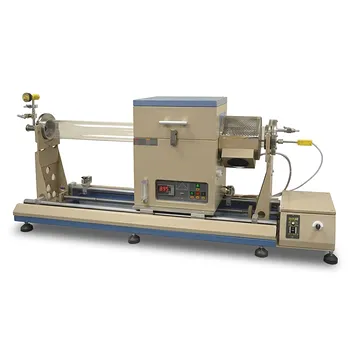
900 ºC Max Sliding RTP Tube Furnace with Rapid IR Heating and 4 Inch OD Quartz Tube

High Temperature Tube Furnace 1500C with Sliding Flanges and 50mm OD for Rapid Thermal Processing Fast Heating and Cooling
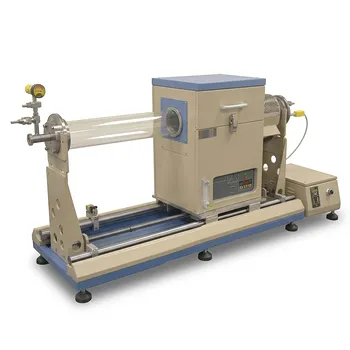
Rapid Thermal Processing Sliding Tube Furnace with 4 Inch OD Quartz Tube and 900C IR Heating

Compact Vertical Split Quartz Tube Furnace with Stainless Steel Vacuum Flanges for Rapid Thermal Quenching and Controlled Atmosphere Material Processing
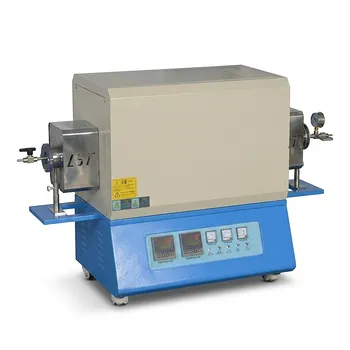
High Temperature Dual Zone Vacuum Tube Furnace for Material Research and CVD Processing
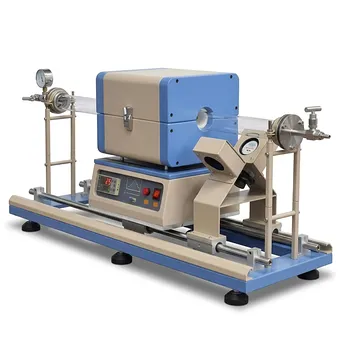
Automated Sliding Tube Furnace for Fast Heating and Cooling 2 Inch OD 1100C Max
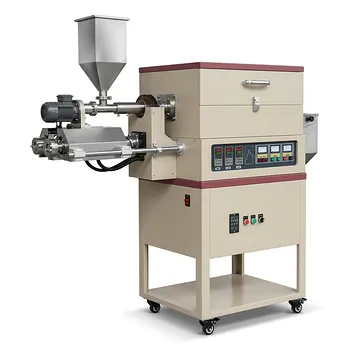
Laboratory Tilting Rotary Tubular Furnaces for Material Science and Industrial Heat Treatment
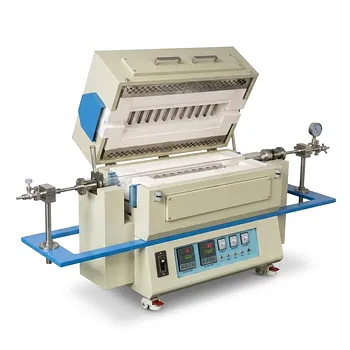
High Temperature Dual Zone Rotating Tube Furnace 1500C Silicon Carbide Heating for Advanced Material Synthesis
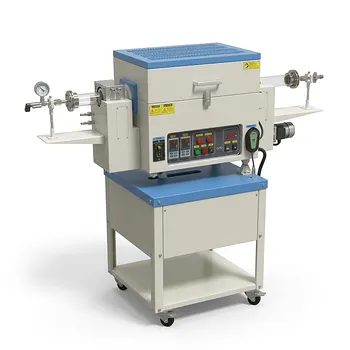
4 Inch Two Zone Rotary CVD Tube Furnace for High Temperature Battery Material Synthesis and Advanced Material Calcination
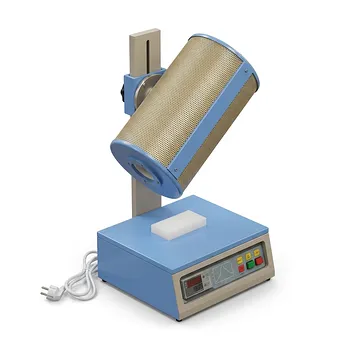
1100°C Vertical Laboratory Furnace for DIY Tubular Reactors with PID Temperature Controller
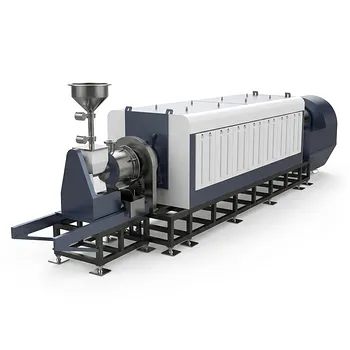
Electric Rotary Kiln Small Rotary Furnace Biomass Pyrolysis Plant
