Why are high-temperature ceramic boats used as carriers for pellets? Ensure Pure & Stable Roasting Results Up to 1200°C.
Updated 3 months ago
High-temperature ceramic boats are the industry standard for pellet roasting because they provide a chemically inert and thermally stable platform that survives environments exceeding 1200°C. These specialized carriers ensure that samples do not react with or adhere to the vessel, even when exposed to highly corrosive gases like lead and zinc chlorides or sulfuric acid residues.
Core Takeaway: Ceramic boats act as a critical buffer between the furnace environment and the sample, preserving material purity and experimental accuracy by resisting thermal degradation and chemical erosion during intense heating cycles.
Superior Thermal and Chemical Resilience
Stability at Extreme Temperatures
High-temperature ceramic boats, often composed of high-purity alumina, possess extreme refractoriness. This allows them to maintain their structural shape and strength at temperatures where most metals would melt or oxidize.
In processes like high-temperature roasting, these boats can safely transport pellets into the constant temperature zone of a tube furnace. They are designed to withstand repeated thermal cycling without cracking or deforming under stress.
Resistance to Corrosive Atmospheres
Roasting processes often release volatile and aggressive chemicals, such as sulfuric acid residues or metal chlorides. Ceramic materials are naturally resistant to this chemical erosion, preventing the boat from being eaten away during the reaction.
This resistance extends to specialized environments, including hydrogen reduction or strong alkaline conditions. Because the ceramic does not react with these agents, it prevents the introduction of unwanted impurities into the pellets.
Maintaining Sample Integrity and Purity
Preventing Adhesion and Contamination
One of the most critical roles of a ceramic boat is ensuring the sample does not stick to the carrier. At temperatures above 1200°C, many materials become "sticky" or reactive; ceramic boats remain inert, allowing for easy sample recovery.
By remaining non-reactive with substances like iron salts, silicon, or platinum compounds, the ceramic ensures the purity of the final product. This is essential for maintaining the accuracy of experimental data and the quality of the processed material.
Optimizing Gas-Solid Reactions
The physical design of the ceramic boat, typically a shallow trough, is intentional. This shape allows researchers to spread pellets or powders in a thin layer, maximizing the surface area exposed to the furnace atmosphere.
This design ensures that carrier gases or reducing agents like hydrogen can penetrate the sample layer uniformly. Furthermore, the open structure allows byproduct gases generated during roasting to be efficiently removed, keeping the reaction in equilibrium.
Understanding the Trade-offs
Sensitivity to Thermal Shock
Despite their high-temperature resistance, ceramics can be brittle and sensitive to rapid temperature changes. If a boat is cooled or heated too quickly, the internal stress can cause it to shatter, potentially ruining the sample and damaging the furnace.
Porosity and Cleaning Challenges
Depending on the grade of the ceramic, some boats may have a slight porosity that can trap trace amounts of previous samples. Over time, this can lead to cross-contamination if the boats are not meticulously cleaned or dedicated to specific material types.
How to Apply This to Your Project
Choosing the Right Carrier for Your Goal
To ensure the best results in your roasting process, select your ceramic carrier based on the specific chemistry of your pellets.
- If your primary focus is Maximum Purity: Use high-purity alumina boats (99%+) to ensure no metallic impurities leach into your samples during long calcination periods.
- If your primary focus is Gas Uniformity: Select a shallow, wide boat design to allow for a thin sample spread, ensuring the furnace atmosphere reaches every pellet equally.
- If your primary focus is Corrosive Resistance: Ensure the ceramic material is specifically rated for the specific acids or chlorides present in your roasting atmosphere to prevent vessel degradation.
By matching the specific ceramic properties to your thermal and chemical requirements, you ensure the most accurate and repeatable results for your high-temperature processes.
Summary Table:
| Key Feature | Benefit for Roasting Processes | Technical Detail |
|---|---|---|
| Extreme Refractoriness | Maintains structural integrity at 1200°C+ | High-purity alumina composition |
| Chemical Inertness | Resists corrosion from acids and metal chlorides | Prevents sample contamination |
| Thermal Stability | Withstands repeated heating cycles | Minimized oxidation risk |
| Optimized Geometry | Enhances gas-solid interaction and heat transfer | Shallow trough for thin-layer spread |
| Non-Stick Surface | Ensures easy sample recovery without residue | Inert to iron, silicon, and platinum |
Elevate Your Lab's Thermal Precision with THERMUNITS
Achieving accurate roasting and calcination results requires more than just high-quality carriers; it demands the right furnace environment. THERMUNITS is a leading manufacturer of high-temperature laboratory equipment dedicated to material science and industrial R&D.
We offer a comprehensive suite of thermal processing solutions tailored to your specific research needs, including:
- Advanced Furnaces: Muffle, Vacuum, Atmosphere, Tube, Rotary, and Hot Press furnaces.
- Specialized Systems: CVD/PECVD systems, Dental Furnaces, and Electric Rotary Kilns.
- Industrial R&D Tools: Vacuum Induction Melting (VIM) furnaces and high-grade Thermal Elements.
Whether you are performing hydrogen reduction or high-purity material synthesis, our equipment ensures uniform heating and precise control.
Ready to optimize your heat treatment workflow?
Contact our experts today for a custom consultation!
References
- Wei Liu, Siwei Li. Preparation of Oxidized Pellets from Sulfuric Acid Residue Containing Zinc and Lead by Chlorination Roasting and Its Mechanism of Dezincing and Lead Removal. DOI: 10.3390/min14080780
Mentioned Products
- 1750C Compact Muffle Furnace 1.7L Ultra High Temperature Laboratory Sintering System for Advanced Ceramics and Material Science Research
- 1800C Bench Top Muffle Furnace 18 Liters with Kanthal Super 1900 Heating Elements for High Purity Ceramic Sintering and Material Research
- High Temperature Vertical Crucible Furnace with 22L Heating Chamber and 1200C Maximum Temperature
- High Temperature Tube Furnace 1500C with Sliding Flanges and 50mm OD for Rapid Thermal Processing Fast Heating and Cooling
- 1100°C High Temperature Quartz Chamber Furnace 8 Inch OD with 7.6 Liter Capacity and Vacuum Atmosphere Capability
People Also Ask
- What role does a laboratory high-temperature muffle furnace play in the ash analysis phase of biomass co-firing research? [Guide]
- What is the function of a high-temp muffle furnace in Ni-V oxide synthesis? Optimize your material's performance.
- What role does a high-temperature muffle furnace play in the synthesis of Melem precursors? Precision Polymerization.
- What is the function of a high-temperature muffle furnace in phosphorus-modified zeolite catalyst preparation?
- What is the function of a muffle furnace in aluminoborosilicate glass prep? Stabilize Raw Materials for Superior Purity

Tech Team · ThermUnits
Last updated on Jun 03, 2026
Related Products
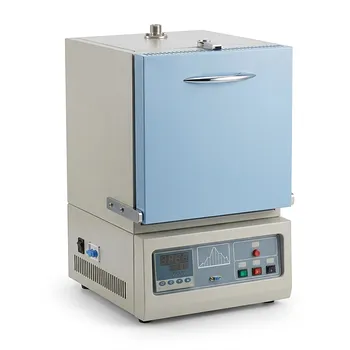
1750C Compact Muffle Furnace 1.7L Ultra High Temperature Laboratory Sintering System for Advanced Ceramics and Material Science Research
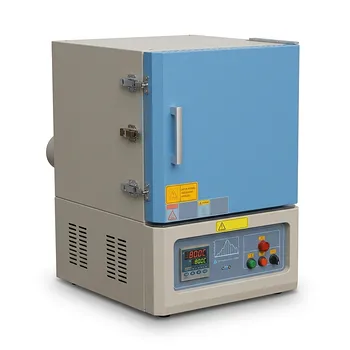
1800C Bench Top Muffle Furnace 18 Liters with Kanthal Super 1900 Heating Elements for High Purity Ceramic Sintering and Material Research
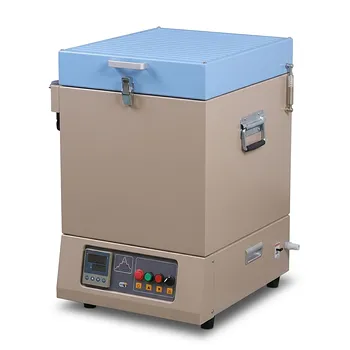
High Temperature Vertical Crucible Furnace with 22L Heating Chamber and 1200C Maximum Temperature
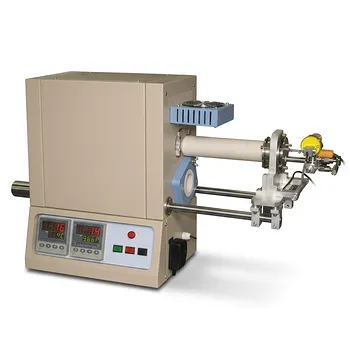
High Temperature Tube Furnace 1500C with Sliding Flanges and 50mm OD for Rapid Thermal Processing Fast Heating and Cooling
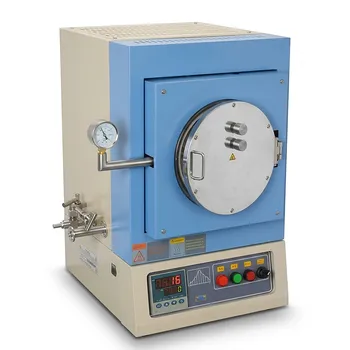
1100°C High Temperature Quartz Chamber Furnace 8 Inch OD with 7.6 Liter Capacity and Vacuum Atmosphere Capability
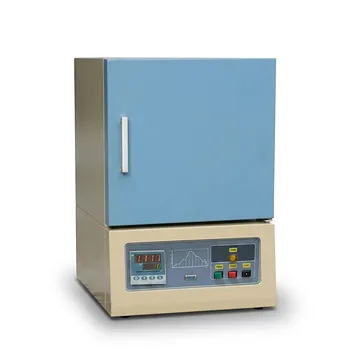
Ultra High Temperature Bench Top Muffle Furnace 1750C Sintering System with Kanthal Super Heating Elements and Precision Digital Control
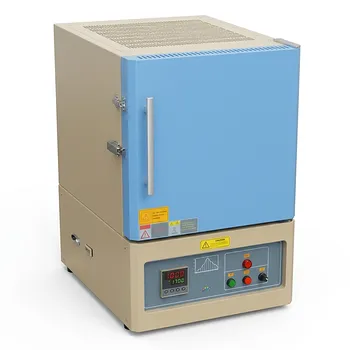
Large Bench Top 1700C High Temperature Muffle Furnace with 19L Chamber for Advanced Material Sintering and Annealing

Compact High Temperature 1600C Tube Furnace with 50mm Alumina Tube and Vacuum Flanges for Material Sintering
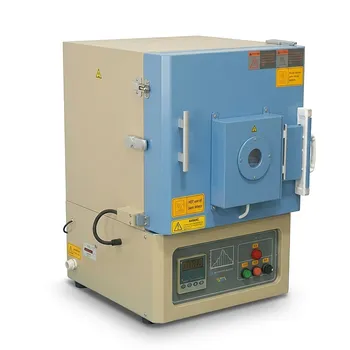
High Temperature Benchtop Muffle Furnace 1500C with 3.6L Chamber and Quartz Observation Window
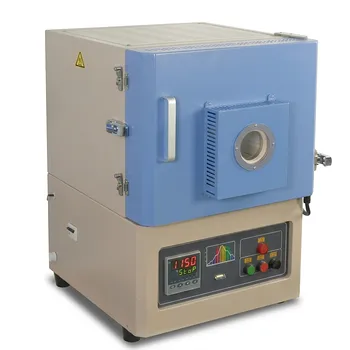
High Temperature Benchtop Muffle Furnace with Quartz Observation Window for Thermal Imaging and Material Analysis
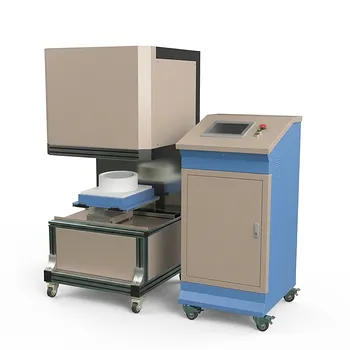
High Temperature Bottom Loading Box Furnace for Rapid Thermal Processing 1700C 40L Capacity
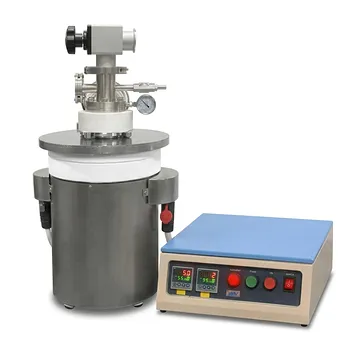
1100C High Temperature Vacuum Crucible Furnace with Quartz Chamber for Thermal Processing and Sintering
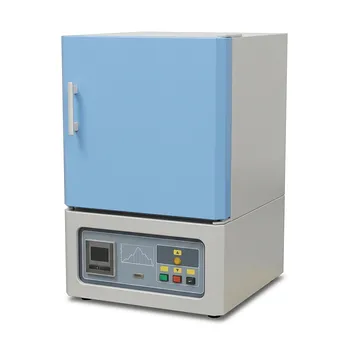
1800C Bench Top Muffle Furnace with Kanthal Super 1900 Heating Elements and 3.6L Alumina Fiber Chamber
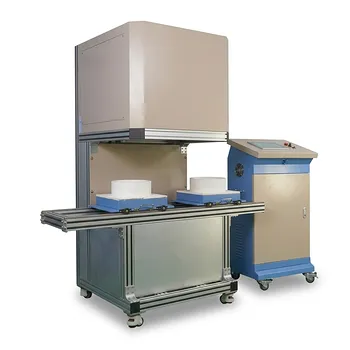
High Temperature Bottom Loading Vertical Furnace 1700C Dual Stage Sample Processing System 18L Large Capacity Thermal Treatment Equipment
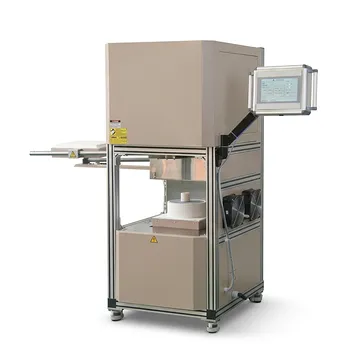
1600C High Temperature Automatic Bottom Loading Furnace for Thermal Shock Cycling and Material Fatigue Testing
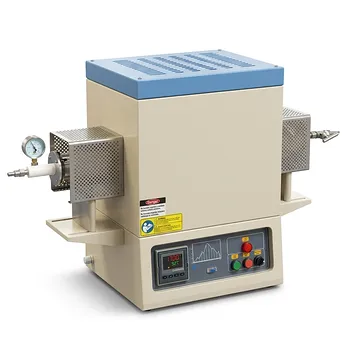
High Temperature Three Zone Tube Furnace 1700C with Alumina Tube and Water Cooled Flanges
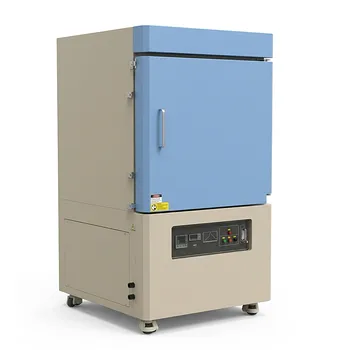
Industrial Large Box Furnace 1700C 216L High Temp Muffle Sintering System
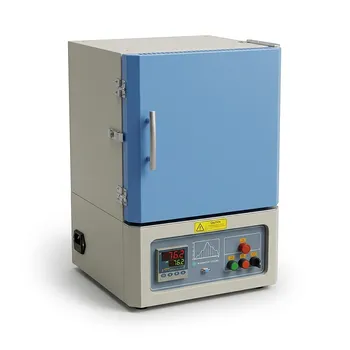
1750C Bench Top Muffle Furnace 3.6L High Grade Molybdenum Disilicide Heating Elements Laboratory Heat Treatment Equipment
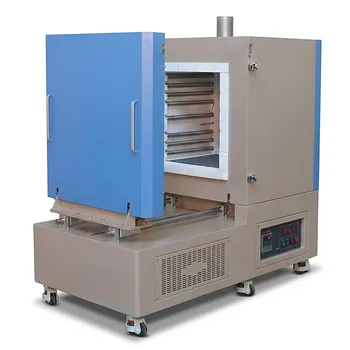
1200C Five Side Heating Muffle Furnace with Sliding Door 125L Volume High Temperature Heat Treatment System for Large Scale Sintering and Annealing