Why use alumina tubes & molybdenum crucibles for titanium slag conductivity? Precision Heat Treatment Solutions
Updated 3 months ago
Selecting the right materials for high-temperature conductivity measurements is a balance of electrical isolation and chemical durability. The combination of alumina ceramic tubes and molybdenum crucibles is used because it provides a stable, non-reactive environment that prevents electrical interference while withstanding the highly corrosive nature of molten titanium slag. This pairing ensures that the resistance data collected reflects the actual phase transitions and reduction states of the melt rather than the degradation of the testing apparatus.
Core Takeaway: This material configuration exploits the high-temperature insulation of alumina to protect the measurement circuit and the superior conductivity and corrosion resistance of molybdenum to contain the slag, enabling accurate data acquisition in extreme smelting environments.
The Essential Role of Alumina Insulation
Maintaining Circuit Integrity
In electrical conductivity experiments, the container must not "leak" current. Alumina ($Al_2O_3$) acts as a high-performance insulator that ensures the electrical signals being measured originate solely from the titanium slag melt.
Chemical Inertness and Slag Resistance
Titanium slag is notoriously aggressive toward experimental equipment. High-purity alumina (typically 99.7% $Al_2O_3$) is chemically inert, allowing it to resist erosion from the corrosive slag and keep the smelting process controlled.
Atmospheric Control and Airtightness
Measurement accuracy depends on maintaining a specific reductive environment. At temperatures reaching 1750 °C, alumina tubes maintain superior airtightness, preventing oxygen or other atmospheric gases from interfering with the metal reduction process.
The Function of the Molybdenum Crucible
Conductivity and Electrode Integration
The molybdenum crucible serves a dual purpose as both a container and a conductive element. Its high electrical conductivity allows it to function effectively within the measurement circuit, capturing subtle changes in the melt's resistance as temperatures fluctuate.
Durability in Intense Reduction Environments
Smelting titanium involves violent reduction reactions that can destroy lesser materials. Molybdenum is chosen for its high melting point and exceptional corrosion resistance, which allows it to remain structurally sound while holding the high-temperature melt.
Tracking Phase Transitions
By providing a stable vessel, the molybdenum crucible allows researchers to accurately monitor how the slag transforms from a solid to a liquid. These resistance changes are critical for understanding the state of metal reduction during the smelting process.
Understanding the Trade-offs
Thermal Expansion Mismatch
One primary challenge is the difference in thermal expansion coefficients between alumina and molybdenum. Rapid heating or cooling can cause mechanical stress between the rigid ceramic tube and the metal crucible, potentially leading to cracks or leaks.
Material Purity Requirements
The effectiveness of this setup relies heavily on the 99.7% purity of the alumina. Lower-grade ceramics contain impurities that can become conductive at high temperatures, which would create "ghost" readings and invalidate the conductivity data of the slag.
How to Apply This to Your Research
Making the Right Choice for Your Goal
- If your primary focus is measurement precision: Ensure you use high-purity (99.7%+) alumina to prevent parasitic conductivity from affecting your resistance readings at temperatures above 1500 °C.
- If your primary focus is equipment longevity: Implement slow ramping speeds for heating and cooling to mitigate the thermal expansion stresses between the molybdenum crucible and the alumina housing.
- If your primary focus is atmospheric stability: Regularly verify the airtight seals of the alumina tube to ensure the reductive environment remains uncontaminated throughout the duration of the melt.
By carefully balancing the insulating properties of alumina with the conductive durability of molybdenum, you can achieve a definitive and accurate profile of titanium slag behavior.
Summary Table:
| Component | Primary Function | Key Property | Research Benefit |
|---|---|---|---|
| Alumina Tube | Electrical Insulation | 99.7% High Purity | Prevents circuit leakage & interference |
| Molybdenum Crucible | Sample Containment | High Melting Point | Resists corrosive slag reduction |
| Integrated Setup | Data Acquisition | Thermal Stability | Accurate phase transition monitoring |
Elevate Your Material Research with THERMUNITS
At THERMUNITS, we understand that precision in high-temperature experiments is non-negotiable. As a leading manufacturer of high-temperature laboratory equipment for material science and industrial R&D, we offer a comprehensive range of thermal processing solutions tailored to your needs.
Our expertise covers a wide array of equipment, including:
- Muffle, Vacuum, Atmosphere, and Tube Furnaces
- Rotary and Hot Press Furnaces
- CVD/PECVD Systems and Dental Furnaces
- Vacuum Induction Melting (VIM) and Electric Rotary Kilns
- High-quality Thermal Elements and customized heat treatment tools.
Whether you are conducting complex slag conductivity evaluations or standard material testing, our reliable systems ensure accurate data and long-lasting performance.
Ready to optimize your lab's thermal processes? Contact our experts today to find the perfect solution for your research requirements!
References
- Maxat K. Myrzakulov, А И Карлина. Analysis of the Effect of Fluxing Additives in the Production of Titanium Slags in Laboratory Conditions. DOI: 10.3390/met14121320
Mentioned Products
- Hybrid High Temperature Tube and Box Furnace 1700C with 2 Inch Alumina Tube for Material Research
- High Temperature Vertical Hybrid Furnace with Alumina Tube and SiC Heating for SOFC Coin Cell Testing and Atmosphere Processing
- Vertical Hybrid High Temperature Furnace 1500C Alumina Tube SOFC Fuel Cell Testing Laboratory Heat Treatment Research Equipment
- 1800C High Temperature Compact Vacuum Tube Furnace with 60mm OD Alumina Tube and Kanthal MoSi2 Heating Elements
- High Temperature 1700C Tube Furnace with 4 Inch OD Alumina Tube and Vacuum Sealing Flanges
People Also Ask
- What is the role of a high-temperature box furnace in the solid-state synthesis of Europium-doped M3MgSi2O8 phosphors?
- What is the role of a high-temperature box furnace in Na3MnZr(PO4)3 synthesis? Engineering High-Performance NASICON.
- Why is a high-temperature box furnace required for 1250°C ferrite calcination? Ensure Precise Phase Transformation.
- How does a high-temp box furnace aid rare-earth oxysulfide phosphor synthesis? Enhance Purity & Luminescence
- What role does an industrial-grade high-temperature furnace play in C2F sintering? Achieve Pure Phase and High Strength

Tech Team · ThermUnits
Last updated on Jun 02, 2026
Related Products
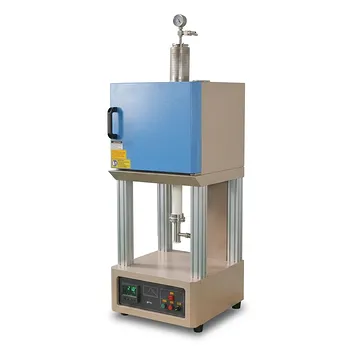
Hybrid High Temperature Tube and Box Furnace 1700C with 2 Inch Alumina Tube for Material Research
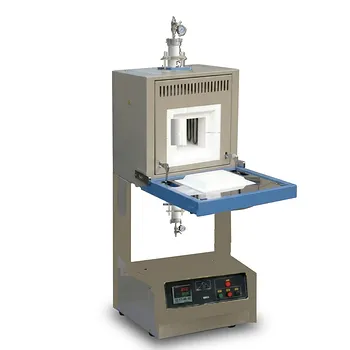
High Temperature Vertical Hybrid Furnace with Alumina Tube and SiC Heating for SOFC Coin Cell Testing and Atmosphere Processing
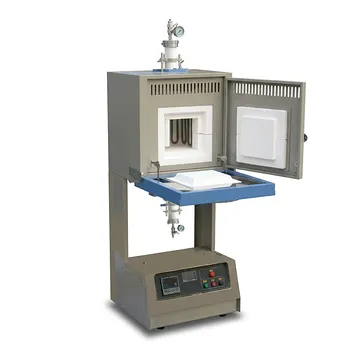
Vertical Hybrid High Temperature Furnace 1500C Alumina Tube SOFC Fuel Cell Testing Laboratory Heat Treatment Research Equipment

1800C High Temperature Compact Vacuum Tube Furnace with 60mm OD Alumina Tube and Kanthal MoSi2 Heating Elements

High Temperature 1700C Tube Furnace with 4 Inch OD Alumina Tube and Vacuum Sealing Flanges
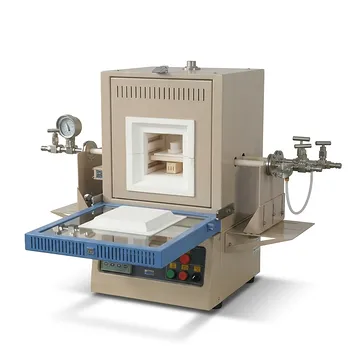
1700C Compact Hybrid Furnace with Dual Layer Box Sintering and Controlled Atmosphere Alumina Tubes
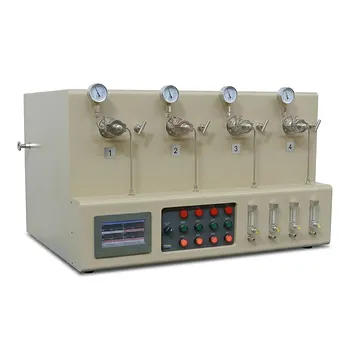
High Temperature 1700C 4 Channel Tube Furnace 1 Inch Alumina Tube for Hi-Throughput Annealing

Compact High Temperature 1600C Tube Furnace with 50mm Alumina Tube and Vacuum Flanges for Material Sintering

High Temperature 1700C Benchtop Tube Furnace with 5 Inch Heating Zone High Purity Alumina Tube and Vacuum Sealing Flanges
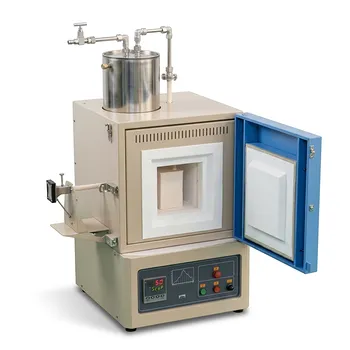
High Temperature Bench Top Muffle Furnace 1700C with Integrated Evaporating Particle Collection and 8x8x8 Alumina Fiber Chamber
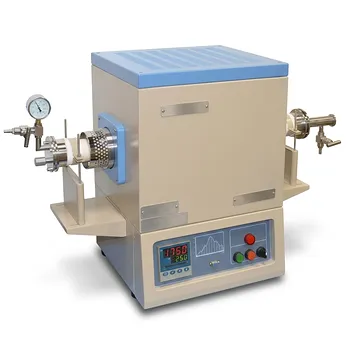
High Temperature Compact Vacuum Tube Furnace 1750C Max 60mm OD Alumina Tube
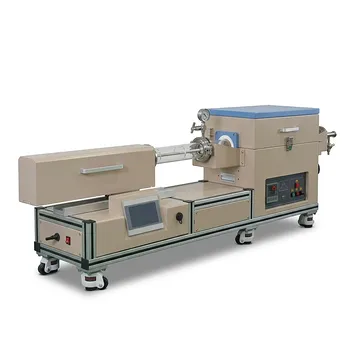
1200C Sliding Internal Crucible Tube Furnace for Controlled Atmosphere Thin Film Deposition and Material Sublimation Research