Why use oxygen flow for sintering nickel cathodes? Ensuring Ni³⁺ Stability and High Battery Performance.
Updated 3 months ago
Maintaining a precise oxidizing environment is the fundamental requirement for synthesizing high-performance nickel-based cathodes. A continuous flow of high-purity oxygen ensures that nickel remains in its trivalent state (Ni³⁺), which is essential for stabilizing the R3m layered structure. This process actively suppresses the formation of oxygen vacancies and prevents cation mixing, ensuring the material retains its intended electrochemical capacity and structural integrity.
Core Takeaway: Continuous oxygen flow provides the high oxygen partial pressure necessary to prevent the reduction of nickel ions and the migration of nickel into lithium sites. Without this controlled atmosphere, the cathode loses its ordered layered structure, leading to significantly degraded battery performance.
The Role of Oxidation State in Structural Stability
Maintaining the Trivalent Nickel State (Ni³⁺)
High-nickel cathode materials require nickel to stay in the Ni³⁺ oxidation state to function effectively. At the high temperatures found in a tube furnace, nickel naturally tends to reduce to a divalent state (Ni²⁺) unless a strong oxidizing atmosphere is present.
Inhibiting Oxygen Vacancy Formation
A lack of sufficient oxygen during sintering leads to the creation of oxygen vacancies within the crystal lattice. These vacancies destabilize the material, leading to phase transitions that permanently damage the cathode's ability to store and release lithium ions.
Accelerating Interface Reaction Kinetics
In high-nickel materials (such as NMC811), a high-purity oxygen environment accelerates interface reaction kinetics. This ensures that the material completes full lithiation and phase transformation quickly, resulting in high crystallinity and superior electrochemical activity.
Preventing Cation Mixing and Structural Disorder
Reducing Nickel Migration into Lithium Sites
Cation mixing occurs when Ni²⁺ ions migrate into Li⁺ sites because their ionic radii are nearly identical. Continuous oxygen flow keeps nickel in the Ni³⁺ state, which has a smaller radius and is less likely to displace lithium, thereby preserving the "tunnels" required for ion transport.
Stabilizing the R3m Layered Phase
The R3m space group defines the ideal layered structure for nickel-based cathodes. By suppressing nickel reduction, the oxygen-rich atmosphere ensures the formation of highly ordered structures, including specialized configurations like Te-Ni-Ni-Te superstructures in doped materials.
Ensuring Stoichiometric Integrity
For specific materials like NaNiO2, the oxygen flow prevents the formation of non-stoichiometric phases. This maintains the necessary Jahn-Teller distortion characteristics, which are vital for the specific electrochemical signatures of those transition metal oxides.
Understanding the Trade-offs and Challenges
High Sensitivity to Environmental Deviations
High-nickel materials (exceeding 80% nickel) are extremely sensitive to the synthesis environment. Even minor fluctuations in oxygen purity or flow rate can lead to irreversible cation mixing, particularly in the critical temperature range of 800°C to 900°C.
Cost and Safety Requirements
Utilizing continuous high-purity oxygen increases the operational cost of synthesis compared to air-based sintering. Furthermore, maintaining a high-flow oxygen environment at elevated temperatures requires specialized tube furnace seals and safety protocols to prevent leaks or combustion risks.
Complexity of Multi-Stage Thermal Control
Atmosphere control must be paired with precise temperature gradients, such as pre-heating at 450°C before high-temperature sintering. If the oxygen flow is not synchronized with these temperature stages, the material may develop surface impurities or incomplete crystal facets.
How to Apply This to Your Project
Recommendations for Sintering Success
- If your primary focus is maximum discharge capacity: Prioritize a high oxygen flow rate (e.g., 10 L/h) to ensure the highest possible ratio of Ni³⁺ and minimize the presence of capacity-killing Ni²⁺ in the lithium layers.
- If your primary focus is structural longevity and cycling: Ensure the oxygen purity is 99.9% or higher to prevent oxygen vacancies, which are the primary drivers of lattice strain and cracking during repeated charging.
- If your primary focus is optimizing rate performance: Focus on using the tube furnace's uniform thermal field to develop specific crystal facets, such as octahedral structures, which facilitate faster lithium-ion diffusion paths.
A consistent, high-purity oxygen supply is the definitive factor in transforming a raw chemical mixture into a high-performance, structurally stable nickel-based cathode.
Summary Table:
| Key Mechanism | Technical Role in Sintering | Impact on Cathode Performance |
|---|---|---|
| Ni³⁺ Stabilization | Maintains nickel in trivalent state | Preserves the R3m layered structure |
| Vacancy Suppression | Inhibits oxygen vacancy formation | Prevents lattice instability and phase transition |
| Cation Control | Reduces Ni²⁺ migration into Li⁺ sites | Ensures high lithium-ion diffusion rates |
| Kinetics Boost | Accelerates interface reaction kinetics | Improves crystallinity and electrochemical activity |
Elevate Your Battery Material Research with THERMUNITS
Precise atmosphere control is the difference between a failed experiment and a high-performance cathode. THERMUNITS is a leading manufacturer of high-temperature laboratory equipment for material science and industrial R&D. Our advanced Tube Furnaces and Atmosphere Furnaces are specifically designed to provide the stable, high-purity oxygen environments required for next-generation battery synthesis.
From Muffle and Vacuum furnaces to CVD/PECVD systems and Vacuum Induction Melting (VIM) units, we offer a comprehensive range of thermal processing solutions tailored to your specific research needs.
Ready to optimize your heat treatment process? Contact us today to discuss your requirements with our technical experts and discover how THERMUNITS can bring superior precision to your laboratory.
References
- Xinwei Jiao, Jung‐Hyun Kim. Development of diverse aluminium concentration gradient profiles in Ni-rich layered cathodes for enhanced electrochemical and thermal performances. DOI: 10.1039/d4ta00433g
Mentioned Products
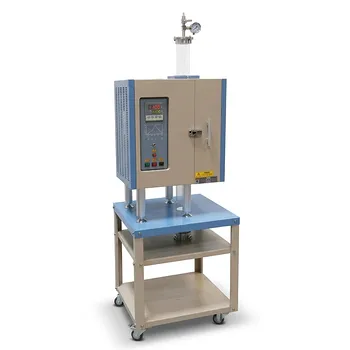
- High Temperature 1700C Vertical Tube Furnace for Powder Spherification and Material Sintering
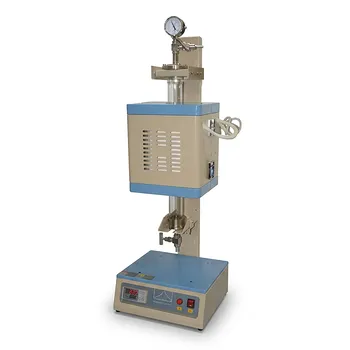
- Compact Vertical Split Quartz Tube Furnace with Stainless Steel Vacuum Flanges for Rapid Thermal Quenching and Controlled Atmosphere Material Processing
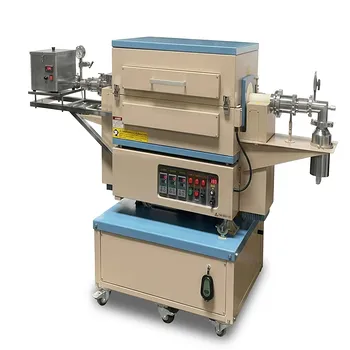
- 1500C 3-Zone Rotary Tube Furnace 60mm with Automatic Powder Feeding and Receiving System for Continuous Material Synthesis
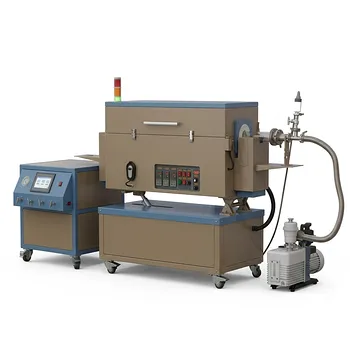
- 5 Inch Three Zone Rotary Tube Furnace with Integrated Gas Delivery System and 1200C Capability for Advanced Material CVD Processing
- 1200C High Throughput Multi Channel Tube Furnace with 50mm Quartz Tubes for Annealing and Material Phase Diagram Research
People Also Ask
- What role does a high-temperature vertical tube furnace play in simulating high-carbon ferromanganese slag formation?
- What functions does a vertical high-temperature tube furnace perform? Master Industrial Sintering & R&D Simulation
- What is the primary function of a high-temperature tube furnace in Cu1-N-C synthesis? Precision Thermal Control.
- High-Temp Tube Furnace Role in Converting Microbial Proteins to Iron Single-Atom Sites: Expert Synthesis Guide
- What impact does the heating rate of a tube furnace have on biochar microstructure? Optimize Your Material R&D.

Tech Team · ThermUnits
Last updated on Jun 02, 2026
Related Products

High Temperature 1700C Vertical Tube Furnace for Powder Spherification and Material Sintering
Compact Vertical Split Quartz Tube Furnace with Stainless Steel Vacuum Flanges for Rapid Thermal Quenching and Controlled Atmosphere Material Processing
1500C 3-Zone Rotary Tube Furnace 60mm with Automatic Powder Feeding and Receiving System for Continuous Material Synthesis
5 Inch Three Zone Rotary Tube Furnace with Integrated Gas Delivery System and 1200C Capability for Advanced Material CVD Processing
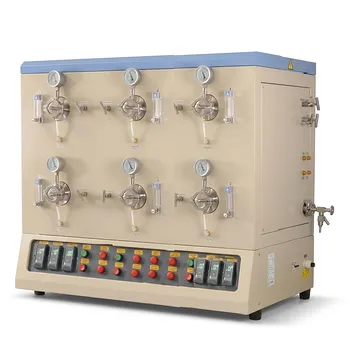
1200C High Throughput Multi Channel Tube Furnace with 50mm Quartz Tubes for Annealing and Material Phase Diagram Research
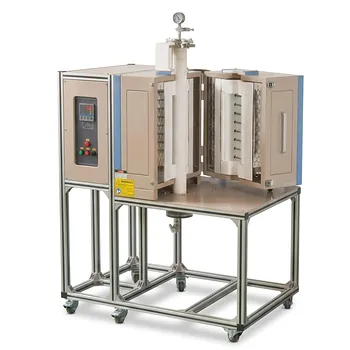
High Temperature 1700C Vertical Split Tube Furnace for Material Quenching and Single Crystal Growth
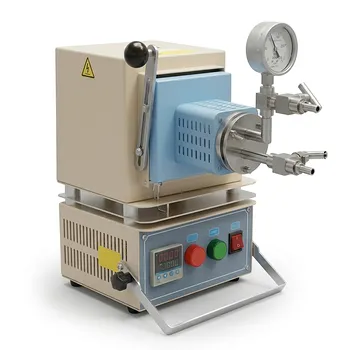
Compact Hybrid Muffle and Tube Furnace for 1000C Controlled Atmosphere Laboratory Material Sintering

Compact High Temperature 1600C Tube Furnace with 50mm Alumina Tube and Vacuum Flanges for Material Sintering
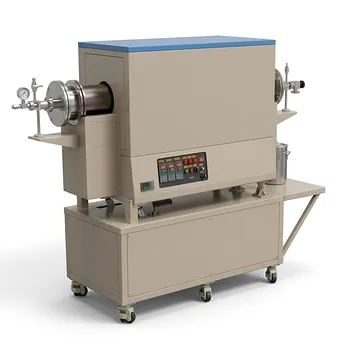
900°C Max Rotary Tube Furnace with 8 Inch 310S Alloy Tube and Optional Multi Zone Heating for Industrial Material Calcination
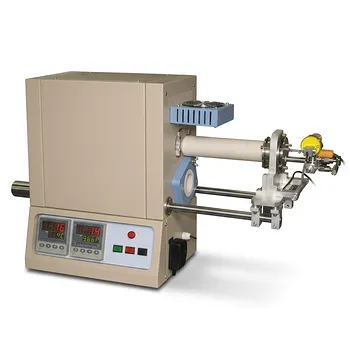
High Temperature Tube Furnace 1500C with Sliding Flanges and 50mm OD for Rapid Thermal Processing Fast Heating and Cooling

High Temperature Automated 5 Inch Tube Furnace for Autonomous Material Research and Advanced Laboratory R&D
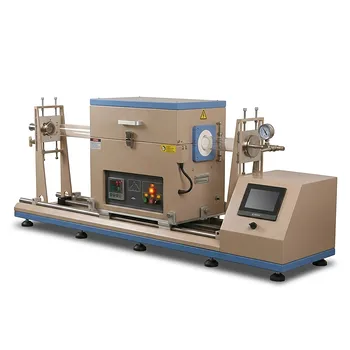
1200C Sliding Tube Furnace for Rapid Thermal Processing and CVD Graphene Growth with 100mm OD Capacity

1200°C 5 Inch Vertical Quartz Tube Furnace with Stainless Steel Vacuum Flanges
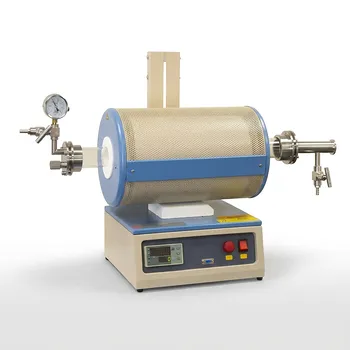
1100C Tube Furnace with Vacuum Flange and Programmable Temperature Controller for Material Science and Industrial Heat Treatment

Vertical 1700C Vacuum and Atmosphere Tube Furnace with 80mm Alumina Tube
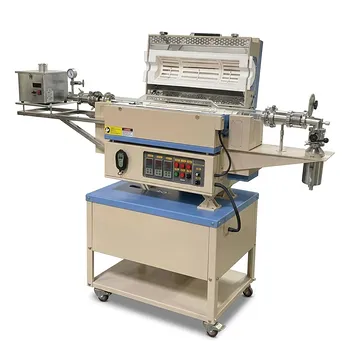
5 Inch Rotary Tube Furnace with Automatic Feeding and Receiving System 1200C Three Zone CVD Powder Processing
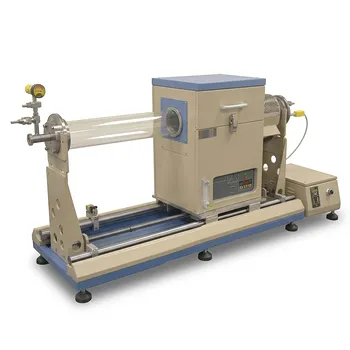
Rapid Thermal Processing Sliding Tube Furnace with 4 Inch OD Quartz Tube and 900C IR Heating
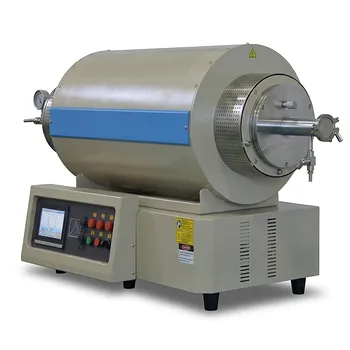
1200C Max Three Zone Tube Furnace 6 Inch OD Max with Tube and Flange
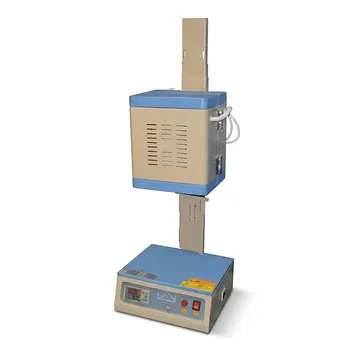
High Temperature Vertical Split Tube Furnace with PID Temperature Controller for 1 and 2 Inch Processing Tubes